Providing helpful information regarding our feathered, feline, and canine friends while also sharing fun stories. And locally we provide pet sitting services.
Easter is a time when people celebrate the resurrection. But it’s a time to enjoy sunshine, family, and good friends as well. Also, a lot of children color eggs. And then parents hide the eggs for an egg hunt. Though, if you have the kinds of chickens we have, they might colorand hide the eggs from you.
Furthermore, it’s a great time to break bread and have a meal together.But don’t forget to grab some dessert. While some people like to stick to what’s healthy, others go for more decadent desserts.
However, don’t worry if you’re different from your neighbors. Just smile and be your beautiful self. We sincerely hope you have a great weekend, no matter your background. We wish you a happy easter from our flock.
Many people continue to be concerned over the exorbitant cost of eggs since November 2022. And everyone wants to know when it’s going to get better. According to the CPI, retail egg prices increased 11.1% ~ 2 months ago. In addition, prices rose 59.9% this past December compared to December 2021. Therefore, from a chicken farmer’s perspective, I’ll explain why eggs have gotten so expensive.
Every so often I’ll glance at egg prices to make sure we’re getting paid what’s fair. To be sure we give away far more eggs than we actually sell. But feed is never given away. Where I live, the cost has doubled since 2020. Anyway, it’s been months since I last saw the price for a dozen pasture raised eggs. Thus, out of curiosity I checked prices the other day. While pasture raised eggs are only ~ $1 more here, store-brand eggs are practically the same price as pasture raised! That’s quite a hike.
But what’s driving the increase? Is it really what we’re being told? Or is there something sinister going on? Stay tuned for the reasons eggs are more expensive.
Digital Art, Courtesy of Sarah Smith
Reasons Eggs are More Expensive
H5N1 (Avian Influenza), and HPAI (Highly Pathogenic Avian Influenza), which spells Bird Flu
Firstly, bird flu is an illness that can affect both birds and people. However, HPAI is considerably more contagious. Although, it mainly affects poultry and wild birds. Whereas the human strain of bird flu is treatable, the bird strain is not currently.
Therefore, the only thing to be done is to cull flocks wherever it’s found. Additionally, all farms within a 6 mile radius of confirmed cases are tested. Then those flocks with verified bird flu are also eradicated. Consequently, to date per the USDA and CDC, 58 million birds, including ~ 43 million egg layers “have been affected,” involving 47 states. Which indicates some died as a direct result of the disease. Nevertheless, the majority were euthanized.
Given that most eggs sold on store shelves are from production farms, they would have to start completely over. And it takes anywhere from 4-6 months before new hens start laying. So you take 43 million layers out of production around the holidays, and well, there you have it.
Inflation
Since mid-2021, world economies have been experiencing a globalrise in inflation. From 2020 and 2021, the IRS sent out Economic Impact Payments, or stimulus checks totaling $803 billion. And the US wasn’t the only country that dumped money into the economy. Then, not only did we face supply and labor shortages, but there were price increases in the construction sector.
And then there’s too much demand, and not enough supply. According to IMF, the comeback in demand we experienced in the US strained supply chains and also caused inflation to rise abruptly.
All of these could realistically be the fallout from Covid-19. However, the war in Ukraine is a different matter entirely. But one that affects inflation as well. For instance, due to sanctions, commodities like metals, food, oil and gas have not only been disrupted, but likewise have been more expensive. And basically all of these things taken together affect egg producers with their overhead: feed, housing, employees, water, vet bills, etc.
Molting occurs predominantly in the Fall, and it lasts about 3 months. I have ~40 birds, 20 of whom molted due to their age. And while I have ducks and young roos that don’t count, I only had 9 chicken egg layers up till recently. But thankfully, our egg production is back up.
So molting is that time of year when chickens lose their feathers and basically have a 3 month long vacation. For established layers, they require that break from all the hard work we put them through. And for new layers, they don’t get one until they’re about a year old. Thus, unless egg producers have new and mature hens, the established, older hens would have been molting and resting up till now. And that would affect egg production and prices.
Lastly, What about Price Gouging or Poisoned Feed?
According to Farm Action, a non-profit that fights corporate monopolies, price gouging is exactly what’s going on with egg prices.
While consumers have become increasingly cash-strapped since the pandemic, corporations have enjoyed their most profitable two years since 1950 as their profits jumped 35 percent.
Written and edited by: Jessica Cusworth, Dee Laninga, Angela Huffman, Joe Maxwell, and Basel Musharbash
And the egg producer with the fattest wallet is none other than Cal-Maine. Further, as reported by Farm Action, Cal-Maine’s gross profits rose five-fold.
However, according to Cal-Maine Foods, they don’t sell their eggs directly to the consumer, but to retail customers, like grocery stores, etc. On their website, they go on to say
Cal-Maine Foods sells its eggs at prices negotiated with each customer. In many cases, the Company, and it believes its customers, look to independent, third-party market quotes published by Urner Barry, the leading provider of protein market news and information for the food industry. Urner Barry’s pricing methodologies and processes received third-party assurance that they are aligned with the International Organization of Securities Commission (IOSCO) Principles for Price Reporting Agencies.
Cal-Maine Foods Contact: Max P. Bowman, Vice President and Chief Financial Officer (601) 948-6813
The poisoned or RNA feed theory isn’t even worth my time, because it’s so ludicrous. Chickens ALWAYS stop laying for ~ 3 months during the fall. And sometimes in the spring. In fact, people who’ve had chickens for more than a year should also be aware of this fact. See molting above!! Or check out my post on molting.
Factors like China’s strict Covid policy, and recent relaxing of that policy has and will affect worldwide economies and thus inflation. Likewise the war in Ukraine will proceed to affect economies as well.
Though, at some point the Federal Reserve wants to return the inflation rate to 2%. Plus, according to the International Monetary Fund, so far overall measures of inflation were decreasing. But core inflation was still high.
Regardless, as of this post, prices have either stayed the same or were a little lower on the USDA site. Although, due to demand, likely egg prices will be high for the Easter season. Besides, until HPAI is no longer active and therefore a threat to poultry, the prices will continue to remain uncertain.
So you might be wondering if there is anything you can do to help your individual situation. Or do you just grin and bear it? Well first, you don’t want to
Smuggle eggs
Per Border Report, between October 1 to the end of last year, U.S. Customs and Border Protection reported a 108% increase in confiscated egg products and poultry at ports of entry. Don’t do it, because it’s illegal. And it’ll cost you, the eggs and a possible fine.
Get your own chickens
Not only has egg production been affected by bird flu, but obviously chicks and chickens have been too. And again it takes a chick 4-6 months to mature enough to lay an egg. Plus, there are many upfront and continuous costs involved: the coop, feeders, waterers, and feed. Then you have to think about predators, illnesses, and accidents.
However, you should ask yourself whether you’re committed to seeing it through. For example, after the heyday of Pandemic chickens, when things started to feel normal, hundreds of US chickens were surrendered to sanctuaries. And many of those organizations are still at max capacity. If you aren’t going to have time for chickens when they get inconvenient, messy, sick, etc, or the economy improves, then don’t get chickens.
On the other hand, there are some things you can do, such as
Buy eggs from local farmers
Supposing you live somewhere not hit by bird flu, reach out to people who already have backyard birds, and support them!! I’ve looked on my Facebook groups too and checked prices for eggs. And like me, my fellow chicken farmers are way below store prices. It’s obvious none of us make a profit. If I could at least cover the cost of feed, that would be great, but I doubt that even happens.
Therefore, get on FB and check out some chicken groups, if you don’t know any backyard chicken farmers. There’s gotta be one near you. And start shopping for eggs.
Purchase alternative eggs
Even if you can’t get backyard chicken eggs, you could still find backyard duck, quail, or guinea eggs. They each have distinct flavors. And some are better for certain dishes than others. However, you could also try JUST Egg, which are plant based eggs.
Furthermore, there are other egg substitutes for baking. For instance, buttermilk, applesauce, yogurt, pumpkin puree, and banana are just a few options.
Aspects such as the war in Ukraine, inflation since Covid, highly pathogenic bird flu, and molting have affected egg production and prices. But with China easing its draconian Covid policy, global economies have improved. And inflation has started to wane. However, with Easter coming up soon, and bird flu still hanging around, it may be awhile before egg prices drop to previous levels.
Though, there are options you can take to avoid the high cost of eggs. You can purchase from local backyard groups. Or you can try alternatives such as duck or guinea eggs. And there are even plant based options available.
Thank you for reading this post. If you enjoyed it, please like, share, and post a comment. And please don’t forget to follow!
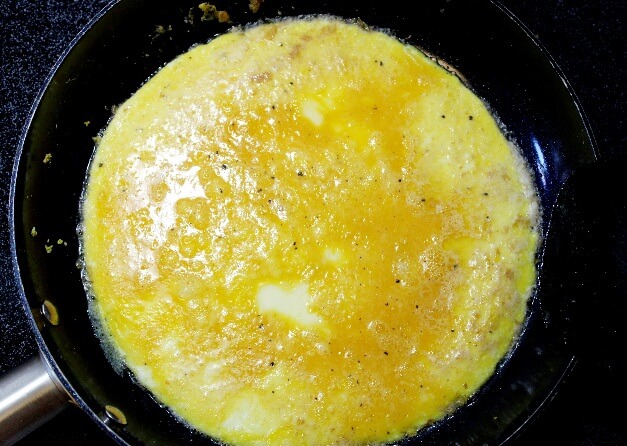
Since eggs are some of the healthiest foods available, you can eat them virtually any time. Plus, there are plenty of ways to prepare them, like this recipe for vegetable omelette. It’s stuffed with bell pepper, onions, mushrooms, spinach, and shredded cheese.
Make this for breakfast or brunch. Or instead, like us, have it for dinner.
First, add olive oil in frying pan, and then add the peppers and onions. Top with Italian seasoning.
Next, once vegetables soften add mushrooms and spinach, stirring until spinach wilted.
Then beat eggs in a bowl, and heat another skillet over medium heat. Add a pinch of salt and pepper and beat some more.
Next, melt some butter in heated pan, thoroughly coating pan. Add a little more butter before pouring beaten eggs into hot pan. And wait until almost cooked through before adding the sautéed vegetables and cheese.
Then, with a spatula, fold over twice; you may have to use two spatulas to do this part. And let it heat through for about a minute before removing to a plate.
Finally, enjoy!
If you couldn’t fold the omelette over twice, no worries. A lot of people just fold it in half. Further, if you wanted to add meat to this recipe, by all means, do so. Recipes are for mixing up and adding your own flair. But if you made this, what did you think? Do you have a favorite omelette recipe? Your comments are appreciated.
If you enjoyed this post, please like, share, and please don’t forget to follow!
Egg burritos can be very diverse. You can make them with beans, pork, or chicken. And you can top them with a variety of choices. However this recipe is really quite simple. Although, you can spruce it up if you want to. But it tastes quite good on its own.
Ingredients for Egg Burritos
8 eggs
~ 1/4 cup whipping cream
6 La Tortilla Factory light flour tortillas
1/4 tsp salt
1/8 tsp pepper
2-3 tbsp salted butter
~ 3-5 oz queso fresco cheese
2-3 oz of guacamole
Instructions for Burritos
First, beat eggs in bowl; add whipping cream and beat some more. Then beat in salt and pepper.
Next, melt 1-2 tbsp of butter over medium heat. Add 1 tbsp more of butter just before pouring egg mixture.
Then scramble eggs till light and fluffy. Add cheese before eggs are completely done.
Remove pan from heat. And microwave the tortillas, and then assemble burritos; top with guacamole.
Thank you for reading this post. If you made this recipe, please let me know what you thought.
If you like this post, please like, share, and please don’t forget to follow!
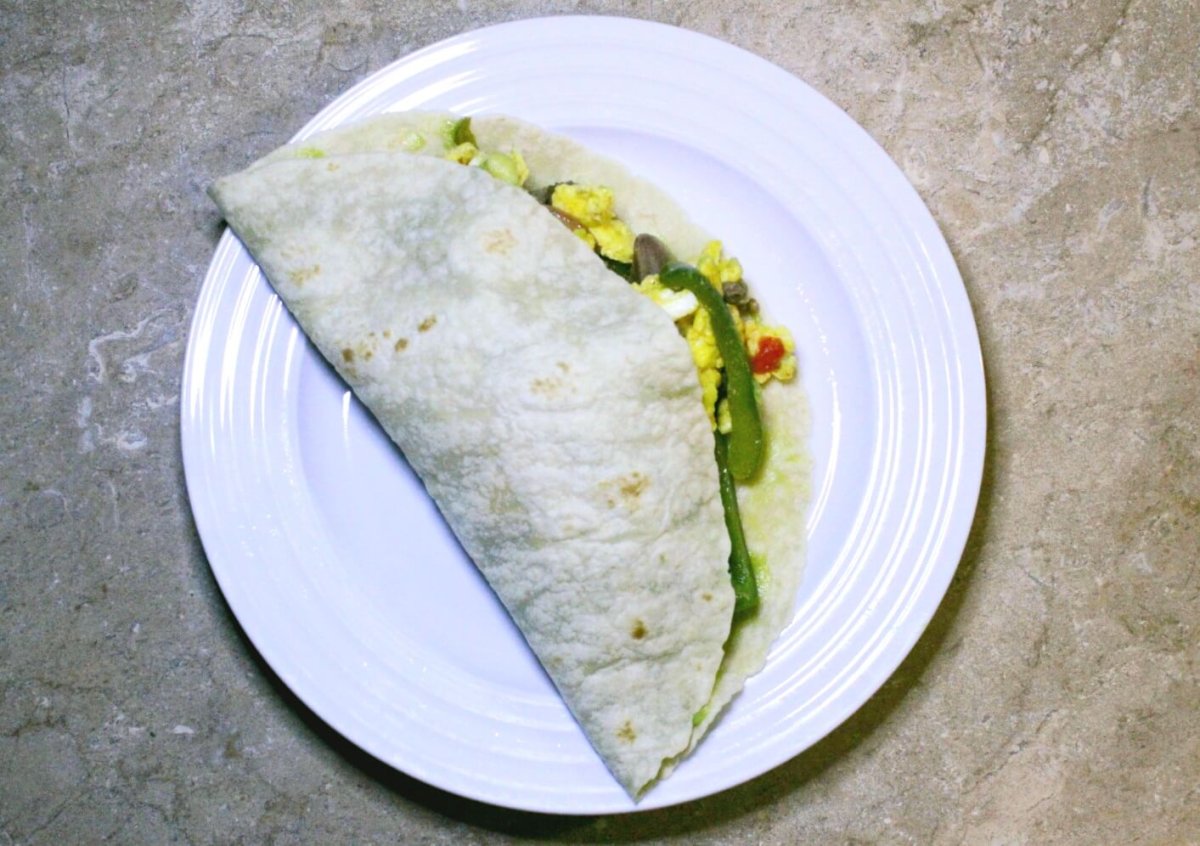
One of my favorite meals of the day is breakfast. Especially on the weekends, because it doesn’t have to be rushed. And since we have chickens, you can imagine we make a lot of meals with eggs. You tend to get creative if you have backyard birds. However, we don’t go overboard. So below you’ll find an easy recipe for breakfast burritos.
Further, I made them differently than I usually do. Rather than topping them off with salsa and cheese, I sautéed fresh veggies. And that made them taste amazing. I hope you enjoy.
First, melt 1 tbsp butter in a frying pan over medium heat, and add sausage; cooking over medium heat. And use the back of a spoon to break it into smaller pieces.
Then, when the meat is mostly brown and only a little pink remains, add another tbsp butter to a second frying pan on medium heat.
Next, add onion, bell pepper, and divided salt and pepper. Then lower temperature to medium-low or low, and cover with a lid.
Beat eggs in a bowl; add whipping cream and beat some more. Then beat in salt and pepper.
Next, remove cooked sausage from first frying pan, and place in a bowl; cover. Then add last tbsp of butter to that frying pan, and pour egg mixture into already heated frying pan. And scramble eggs on medium heat.
When eggs are almost cooked through, add the tomatoes to the sautéed vegetables. Then, once the eggs are done, combine vegetables and sausage with the eggs.
Finally, soften your tortillas, and then assemble your breakfast burritos. Mine looked more like tacos. But that’s because they were so full.
Thanks for taking the time to read this! If you made this recipe, tell me what you think. Do you make your own version of breakfast burritos? And if so, how do you cook them, or what toppings do you use?
If you enjoyed this post, please like, share, and please don’t forget to follow!
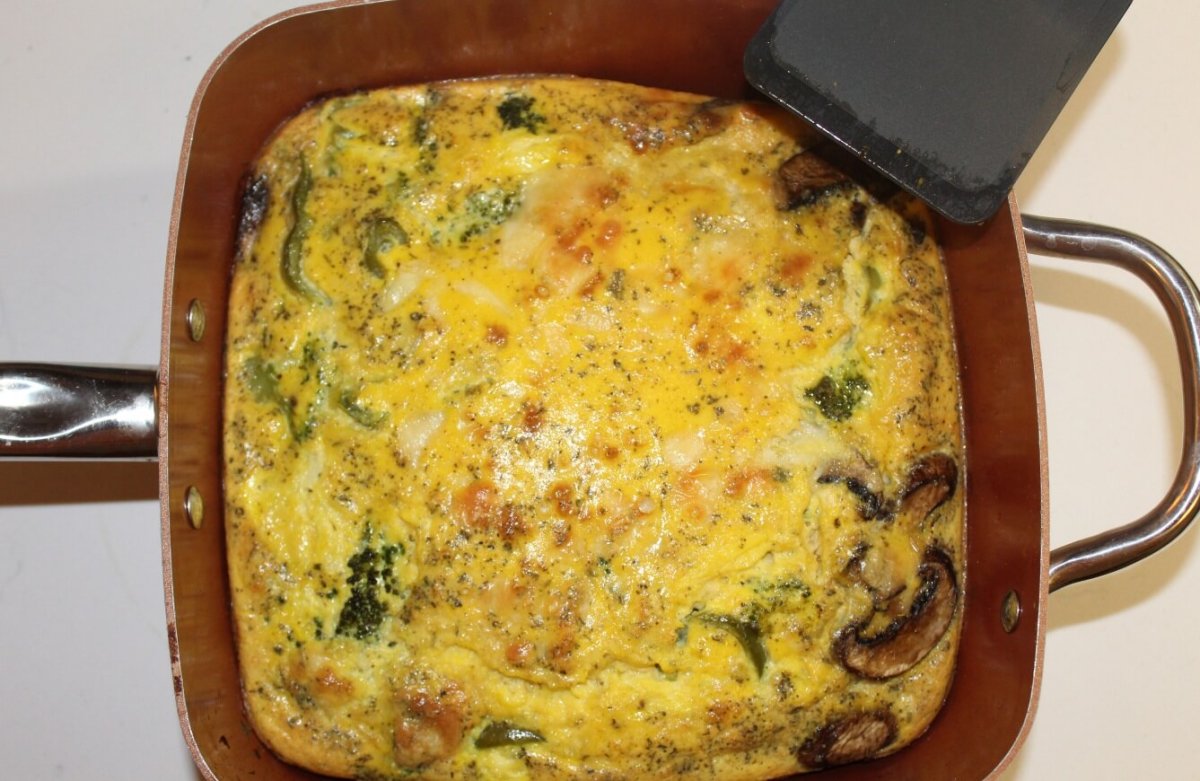
Today is the day we honor fathers: the men in our lives who have loved us, given themselves, and shared their lives with us. So, in whatever way you honor those in your life, here’s a frittata recipe for Father’s Day.
Since both utilize eggs, frittatas are similar to quiche. However frittatas are made without a crust. And they are Italian, whereas quiche is French.
Originally I got this recipe from Great American Favorite Brand Name Cookbook, publication 1993. But I changed a few things.
Ingredients for Frittata for Father’s Day:
2 cups broccoli florets
1 cup each, sliced mushrooms and sliced bell pepper
4 green onions, sliced
2 tbsp butter
16 eggs
1/2 cup dijon mustard
1/2 c heavy whipping cream
1 tsp Italian seasoning
2 cups Parmesan cheese
Instructions for Frittata:
First, in a 4.5 quart ovenproof pan, cook vegetables in butter over medium heat for ~ 5 minutes. Then remove from heat.
Next, in a medium to large bowl, beat the next 4 ingredients with an electric mixer at medium speed until foamy; stir in cheese. Then pour over vegetables in the pan.
And bake at 375° for 40-45 minutes or until set.
Finally, serve immediately.
Do you have any special plans for Father’s Day? Your comments are appreciated.
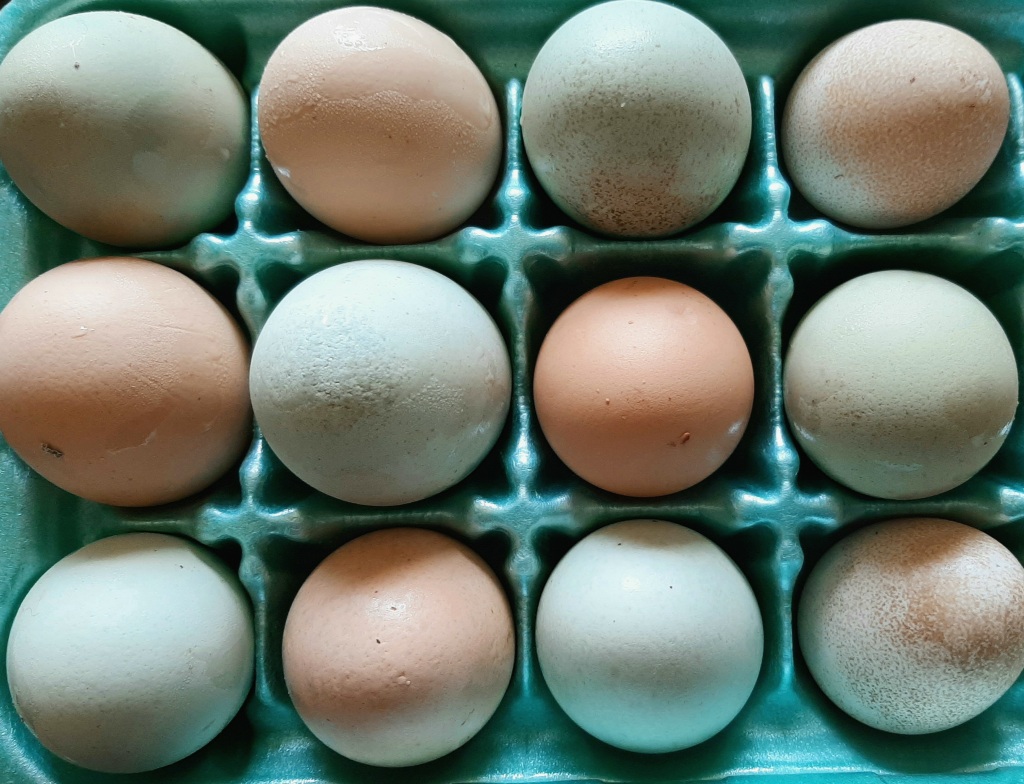
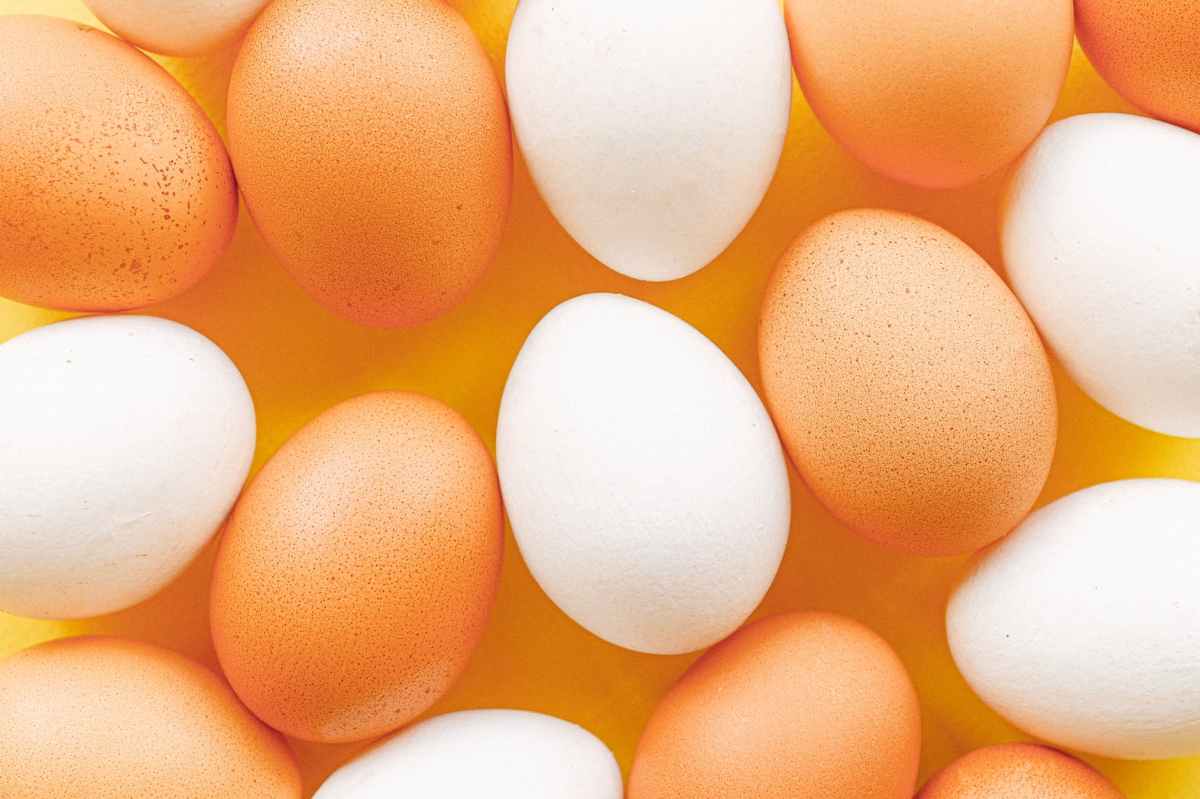
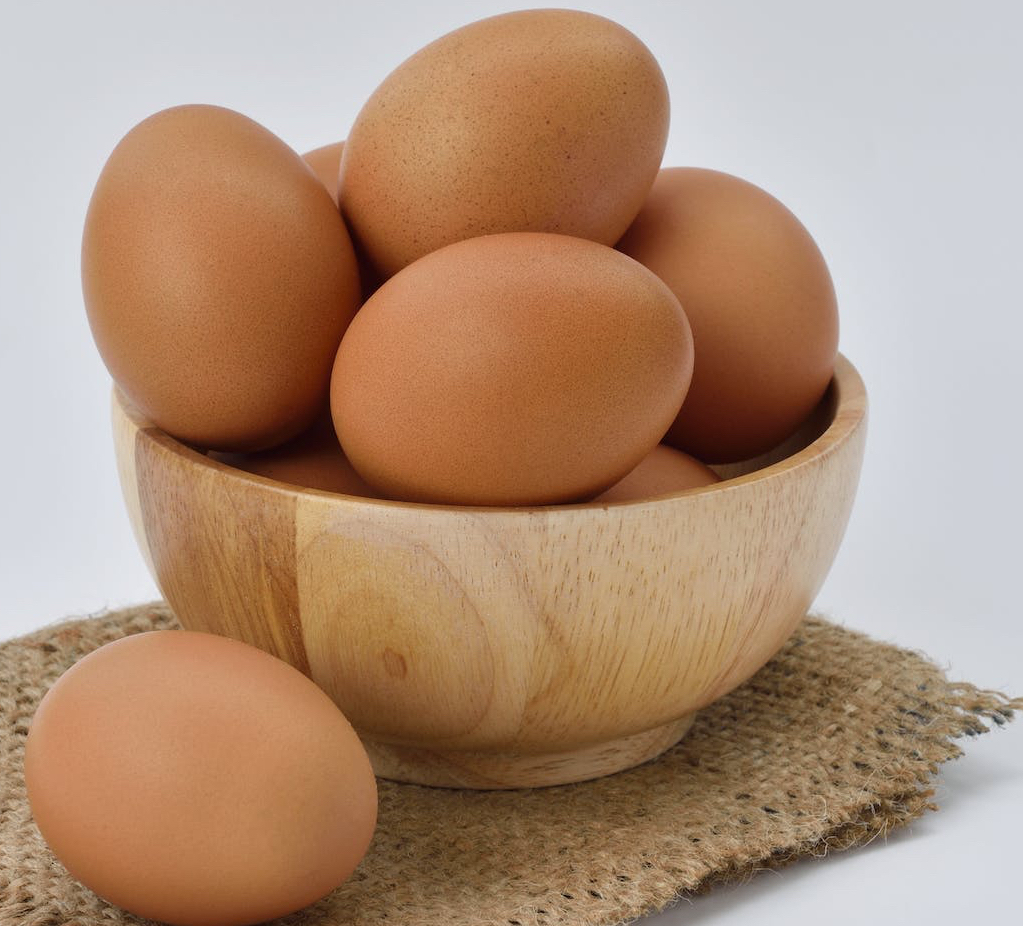
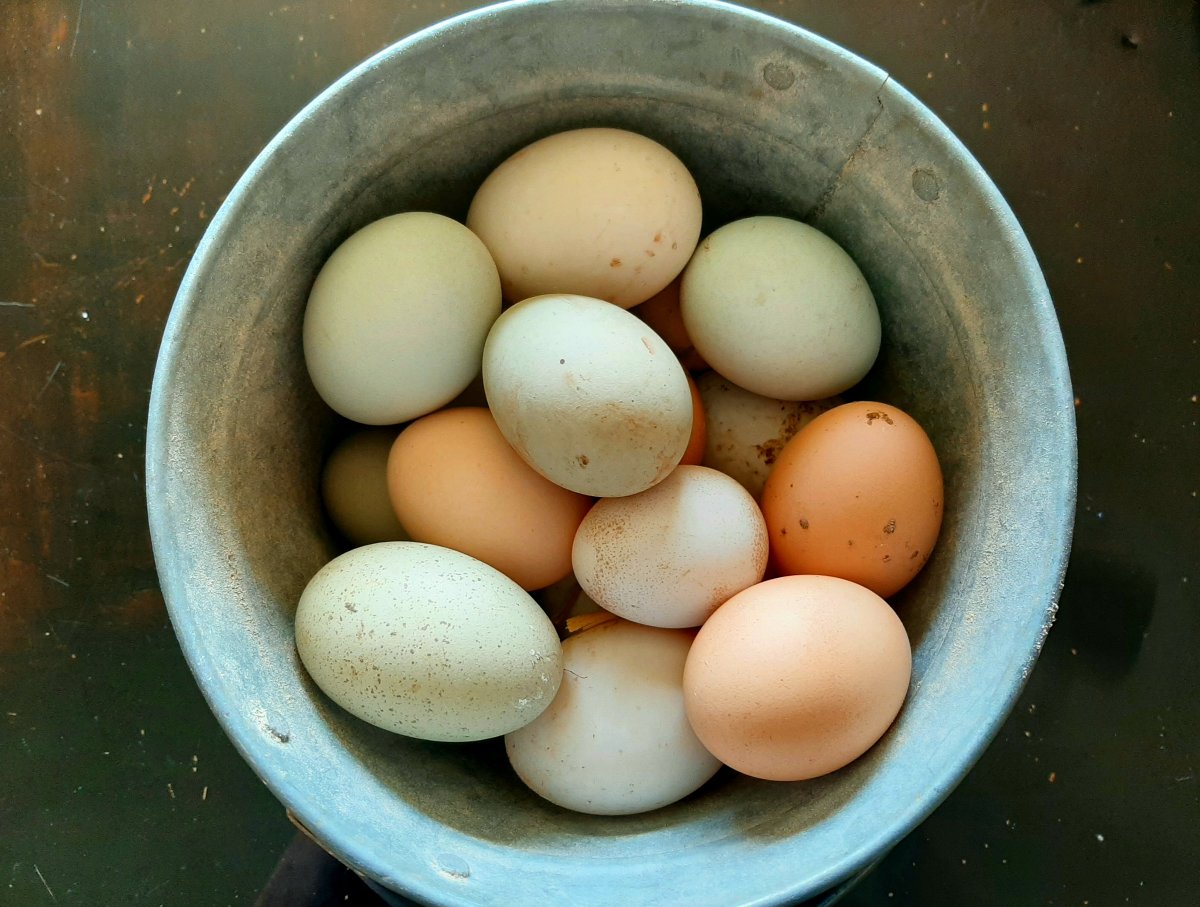
There are a variety of chicken egg colors. But most of the time we only see white and brown. Though I’ve heard that some stores carry blue eggs. I sell blue (and brown) eggs to some neighbors and people I work with. However I also give a lot away. Recently I was asked, “What causes chicken eggs to be blue?” Do you ever get this question? Or have you asked it yourself?
I think people are under the impression, that because the shell is colored differently, somehow it will affect the taste. But that just isn’t the case at all. Although all farm fresh eggs taste differently compared to store bought eggs. That is if they’re free-range or pasture raised eggs. And that’s due entirely to the hen’s diet, not to the shell color.
Additionally, I think people get the idea that shell color determines how healthy the egg is. And once again, that isn’t true. But eggs from large farms, where the chickens are all caged, are going to taste different from the eggs my birds produce. And just why is that? To a large extent, that’s due to the bird’s freedom to forage. If a bird is caged all day, without interaction from her peers or social order, she’s basically just a machine. Or a tool. Eggs from a farm taste richer. And the yolks are more orange than yellow, signifying a healthier diet for the hens. Which will result in more omega-3s and vitamins for those who consume them.
Well, firstly, most egg colors are determined by the hen’s genetics. And all eggshells are made of calcium carbonate, including the white ones. They’re just lacking pigment. But also, all eggshells begin as white. Although eggs that have shells in colors other than white will have the pigment levied on them as they make their way through the hen’s oviduct. Kinda like the hen is painting the egg. Weird, right?
The pigment, known as protoporphyrin IX, is responsible for staining eggs brown. Which is deposited later in the whole process, only making the eggs brown on the outside. So, certain hens only lay brown eggs, while others only lay white. But where did the blue come from?
Well, blue eggs also have a gene that’s essential to their pigmentation called oocyan. The key differences between protoporphyrin IX and oocyan is that blue eggs are blue inside and out. And the gene oocyan got there because of a retrovirus, called EAV-HP, hundreds of years ago. This was learned in a study completed around 2013 by the University of Nottingham.
This is our Cream Legbar hen, just one of many of our hens that lays blue eggs.
Furthermore, one of the first birds to have acquired the blue egg trait, and thus the virus, were the Mapuche fowls of Chile, possibly 500 years ago. Consequently, these birds are ancestors to French, Spanish, North American, and British chickens, such as the Araucana, Ameraucana, and Cream Legbar chickens, to name a few. And Asia has their own breeds with the oocyan gene, the ancient Dongxiang and Lushi.
But the virus isn’t harmful. In the case of causing pigmentation in chicken eggs, it’s actually pretty cool. We’re all profoundly aware that viruses can cause sickness, including foodborne illnesses. However they can also change an animal just slightly, like EAV-HP did, resulting in blue eggshells.
I hope you enjoyed this post, and I thank you for taking the time to read it.












 Chicken Girl