Providing helpful information regarding our feathered, feline, and canine friends while also sharing fun stories. And locally we provide pet sitting services.
Author:KS
I breed Black Ameraucana chickens and Easter Eggers that are Black Ameraucana mixed with either Cuckoo Maran or Barred Rock. And I donate eggs to people or organizations in need. Further, I've started chicken and other pet sitting in my area. Details are on my About page.
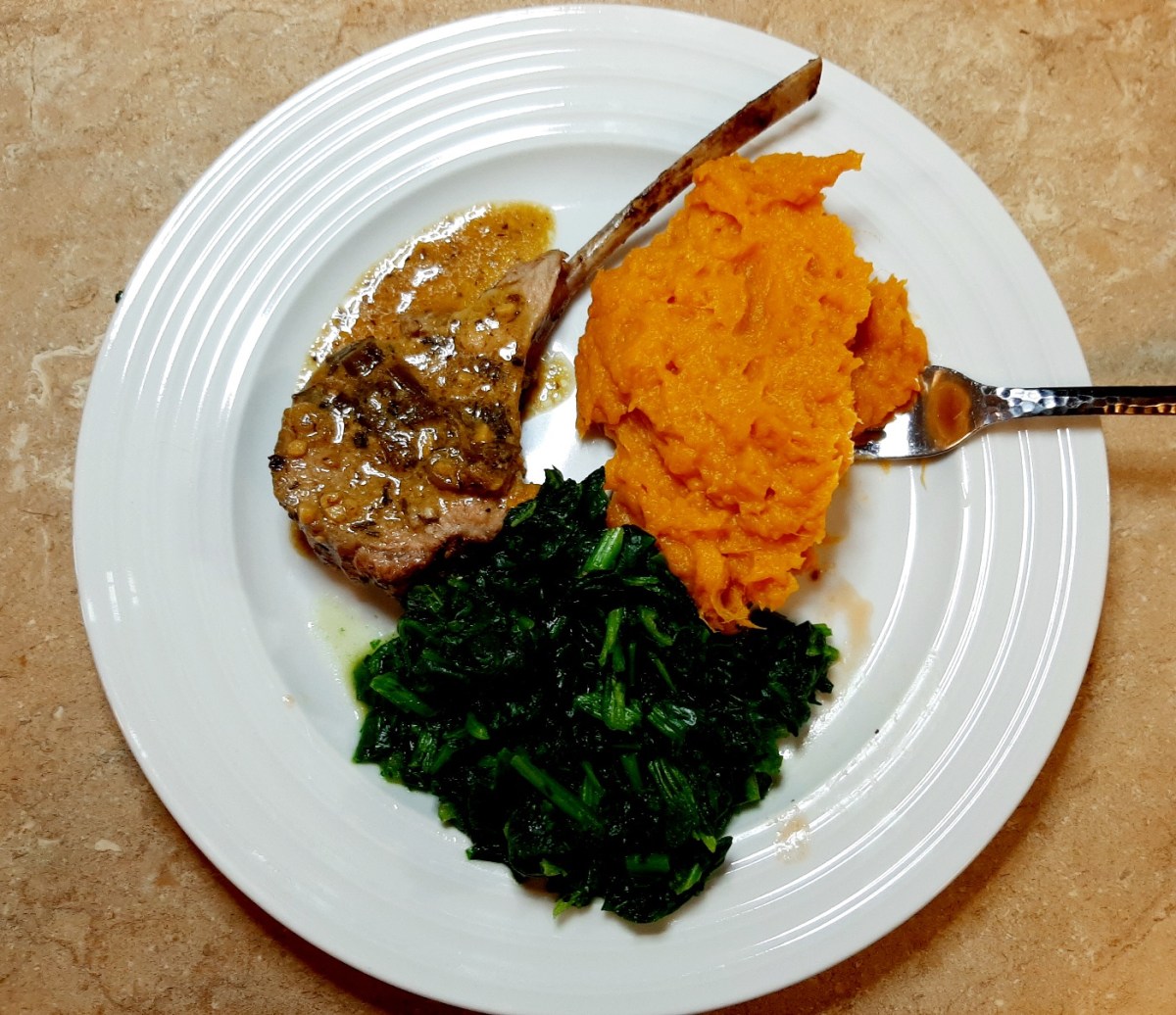
When I was younger and we had lamb, it was usually prepared with plenty of garlic, mint, and olive oil. But it wasn’t until a few years ago that I realized lamb could taste amazing; just like most other meat. If you know what combinations to use and a marinade or sauce, you can create a masterpiece. Please enjoy the following recipe for marinated rack of lamb.
Marinade Ingredients
2 tbsp olive oil
2 tbsp lemon juice
1/2 tsp thyme
1/4 tsp each cracked black pepper and sea salt
1 tbsp minced fresh garlic
Lamb Ingredients
1 tbsp plus 2 tsp olive oil
one 2 1/2 lbs frenched rack of lamb
salt and pepper
2 green onions, sliced thinly
1/4 c each white wine and chicken broth
1 tbsp yellow mustard
2 tbsp Dijon mustard
2 tbsp thyme
Instructions for Marinade
First, combine olive oil, lemon juice, thyme, pepper, sea salt, and garlic in small bowl; and mix.
Next, arrange frenched rack of lamb on platter. Then pour marinade over rack of lamb. Make sure rack of lamb is covered with marinade on all sides.
And let the rack of lamb sit at room temperature in marinade for 30 minutes.
Putting the Marinated Rack of Lamb Together
First, preheat oven to 400°.
Second, in a medium oven-proof skillet, heat 1 tbsp of olive oil till hot. Then add the rack of lamb to skillet fat side down. And cook over med-hi heat till brown, ~ 3 mins.
Next, turn lamb fat side up, and cook 2 mins more. At that point, transfer the skillet to the oven, and roast rack of lamb ~ 20 minutes until thermometer inserted in the center of meat reads 125° for medium rare.
After that, transfer lamb to a carving board and let it rest for 10 minutes.
Further, discard the fat in the skillet. And add 2 tsps of olive oil, green onions, and cook till softened, ~ 2 minutes.
Then add wine and simmer till reduced by half, ~ 2 minutes. Combine broth, bringing to a simmer.
Remove skillet from heat. Additionally, stir in mustards and thyme. Moreover, season with salt and pepper.
Carve the lamb into chops and arrange onto plates. Finally, spoon the sauce over the lamb and serve with your favorite sides.
So, this recipe is actually a fusion of 2 separate lamb recipes. I took the marinade from this one and some ingredients from this other, and combined them. But just click on those links, if you want to try them in their unadulterated versions.
And thank you again for reading this post. I hope you enjoyed it. Please post a comment, share, and please don’t forget to follow.
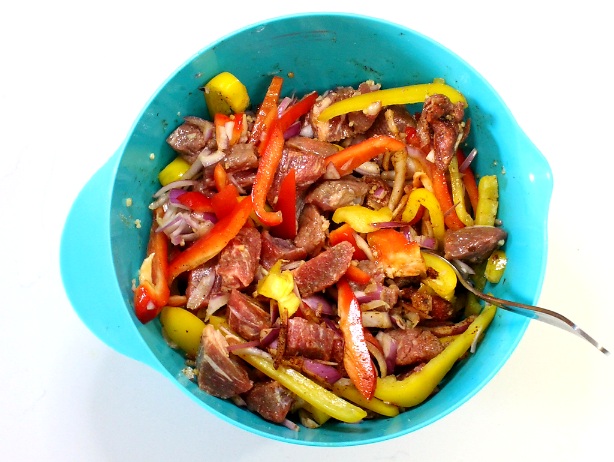
My family and I love Mexican and Tex-Mex food. In fact, when I’m the one cooking, either of those are predominantly what I cook. The food is easy to make, yummy, and satisfying. So, one day I was looking for a beef fajita recipe online. Thus, I stumbled upon one via The Pioneer Woman site, circa 10 years ago. However, being me, I’ve made some tweaks. And I’ve been making it my way since. Please enjoy this best recipe for beef fajitas.
Ingredients for Beef Fajitas:
1 1/2 lbs of stew meat, cut up into bite size pieces
1/4 c olive oil
1/6 c lime juice
2 tbsp Worcestershire sauce
1 tbsp minced fresh garlic
1/2 tbsp each, cumin and chili powder
1/4 tsp each, red pepper flakes and black pepper
1/2 tsp salt
2 tsp Truvia or 1/2 tbsp of sugar
1 each of onion, red and yellow bell peppers, sliced
warmed flour tortillas
crumbled quest for topping
and guacamole
When I first made this, I adhered to most of the original ingredients, except the meat. Rather than stew meat, the foundational ingredient for the beef was flank steak. In addition, I followed the measurement sizes for the ingredient list. Though, I discovered that there was entirely too much liquid, making it almost greasy. Consequently, I halved the majority of the measurements for the ingredients. Here’s the original recipe, if you’re interested.
Recipe for Beef Fajitas Instructions:
First, combine the first 10 ingredients in a medium size mixing bowl. And refrigerate for at least 2 hours.
Next, after 2 hours, add mixture to a 4 quart stove top cook pan. Then cook on medium heat, stirring occasionally.
Put lid on, and lower temperature to medium low, and cook for ~ 17 – 20 minutes.
Finally, remove from heat. And with a slotted spoon, serve on warm flour tortillas, and top with cheese and guacamole.
Thank you so much for reading this. Please comment and share. If you don’t follow already, please do so now.
There are many tricks to making Brussel sprouts palatable. But I haven’t tried them all. However, once I tried the one below, it’s been my go-to for difficult flavored veggies. Thus, this recipe for sautéed Brussel sprouts with garlic is a great base for many vegetables. Plus, it’s easy to make. And you could also incorporate it with different additions, if you want. Try it and see if you don’t like it.
Ingredients for Sautéed Brussel Sprouts with Garlic:
2 lb package of pre-washed Brussel sprouts
1 tbsp fresh minced garlic
~ 2 tbsp each avocado oil and salted butter
and ~ 1/2 – 1 tsp garlic salt
Recipe for Sautéed Brussel Sprouts with Garlic Instructions:
First, cut the Brussel sprouts in half lengthwise before placing in a microwave safe casserole dish.
Next, add 2 tbsp of water to Brussel sprouts, cover with plastic wrap, and steam in microwave for 5 – 6 minutes.
Then, before turning stove on medium heat, add avocado oil and butter in the pan. After draining water from Brussel sprouts, place those in pan as well.
At that point, sprinkle fresh minced garlic and garlic salt over Brussel sprouts. And stir.
Continue stirring occasionally. Further, cook for only 5-10 minutes, depending on how firm or soft you want them to be.
Finally, remove from heat, and serve with your favorite meal.
So, you might be wondering where I got this particular recipe. Well, as it happens, a friend Hannah’s (20 year old daughter), made a different vegetable, and seasoned it in this way. Therefore, I thought, why not Brussel sprouts? And the rest is history…
Many thanks for reading this. Please comment and share. And if you don’t already follow me, please do so.
A couple of weeks ago, I mentioned that Meow Meow suffered from a complication of heart disease called saddle thrombus or FATE. Further, due to her condition, we decided to put her to sleep. But what is saddle thrombus? What are the signs? Does it affect dogs too? And can it be prevented? Continue reading as I answer these questions and more.
Distal aortic trifurcation thromboembolism, aortic thromboembolism, and saddle thrombus are all similar. And you’ll usually see them used interchangeably as well. Moreover, aortic thromboembolism or ATE is a deadly illness. Plus, when a blood clot or thrombus gets established in the aortic trifurcation, it extends down into the external iliac arteries. At that point, it ends up resembling a saddle. Thus, the term saddle thrombus.
You already know that saddle thrombus occurs in cats. In fact, it’s more common in male cats than females. And although it’s rare for dogs, it does happen. Additionally, just as with cats, saddle thrombus is more prevalent in male dogs than females. However, saddle thrombus is usually caused by heart disease in cats, typically HCM. Though, with dogs, a variety of conditions can produce saddle thrombus, including
And according to this study, PLN was the most commonly diagnosed issue recognized to induce a hypercoagulable state. Therefore, it’s presumed there might be a connection between an increased tendency to develop blood clots caused by PLN and saddle thrombus formation.
Signs of Saddle Thrombus
Traits like unexpected paralysis, pain, respiratory distress, and sudden death can take place in both cats and dogs with acute onset of saddle thrombus. Despite that, it’s still rare for dogs to experience acute onset. Rather, canines are more likely to manifest symptoms of chronic onset of saddle thrombus compared to cats.
Signs of Acute Onset Saddle Thrombus in Cats and Dogs
Since blood supply to hindquarters is blocked, both cats and dogs can experience
paralysis in one or both hind legs (cats)
back legs will be cold to touch
foot pads and nail beds may appear pale
cats will cry out or meow more
hypothermia
vomiting
possible respiratory distress
and sudden death
paralysis in one or both hind legs (dogs)
back legs will be cold to touch
foot pads and nail beds may appear pale
dogs bark and appear anxious
hypothermia
vomiting
possible respiratory distress
and sudden death
Symptoms of Chronic Onset Saddle Thrombus in Dogs
Chronic symptoms are more subtle and may only appear as weakness or limping. However, over time your dog may also present with
Including the above signs, upon examination, femoral pulses on the inner upper back legs are typically absent on cats. And sometimes they’ll be absent on dogs. Therefore, a diagnosis of saddle thrombus can be made largely on symptoms alone. Given the gravity of the situation, most pet parents opt to euthanize their pets.
Otherwise, if treatment is still desired, more tests and diagnostics are required, such as
Xray
Ultrasound
Urinalysis (dogs)
ECG
and blood tests
Several factors should be considered when determining to pursue treatment rather than euthanasia. Issues that negatively impact survival with cats include
decreased heart rate
absence of motor function
having more than one leg affected
hypothermia
and a confirmed diagnosis of congestive heart failure (CHF)
And the main factor affecting survival with dogs is ambulatory status. For instance, dogs with aortic thromboembolism usually fare better if they are still walking compared to dogs who are paralyzed due to the same condition.
How to Treat Cats with Saddle Thrombus
Often cats need to be hospitalized for a week or two with saddle thrombus until stable. Additionally, they may be referred to a kitty cardiologist But, initially, treatment may consist of
pain medications
oxygen, if and when necessary, for CHF or respiratory distress
IV fluids for dehydrated cats
antithrombotic therapy, ie heparin
as soon as oral medicines are tolerated, then Plavix is started
next, when patient is stabilized and pain is under control, physical therapy of affected limbs is started
However, loss of blood flow to the hind leg can lead to tissue death. So, if only one leg is affected, amputation is an option. Though, there are some contingent aspects.
after patient is stable and comfortable, any necessary diagnostics for treating the underlying cause of saddle thrombus are carried out
As you’ll notice, much of the therapy offered to cats with saddle thrombus is similar for dogs as well. Nevertheless, there are a couple of differences, as you’ll see. In addition, treatment is not universal, which means it depends upon the veterinarian and their expertise. Therefore, if your dog has saddle thrombus, medical care might include
hospitalization, depending upon the severity of the patient’s condition
pain medications
oxygen therapy, if necessary
antithrombotic medication, such as heparin
aspirin and/or Plavix will also be started
although, if clotting isn’t broken up, then the patient may be referred to a specialist, or the veterinarian may opt to surgically remove the clot
and finally, treat the underlying cause of saddle thrombus
Once cats and dogs have a saddle thrombus, the prognosis is very poor. Despite the effort, they’ll either end up not making it, or more than likely have another episode. Thus, most pet parents choose euthanasia for their pets as the most humane option of relieving their suffering. However, you will undoubtedly find instances online of pets who were discharged from the hospital or survived ATE. Though, from everything I’ve read, those examples are considered outliers.
For instance, this study, involving 250 cats that had FATE, revealed that over 150 of the cats were initially euthanized. The study followed the therapy, hospitalizations, deaths, and etc over a period of several months. Then, depending upon certain conditions, some of the cats survived up to a week. But, due to severity and other factors I’ve listed, many still didn’t make it. And others had 2 or even 3 additional occurrences of FATE. In the end, only 6 of the 250 cats survived.
And this one, regarding dogs with saddle thrombus, is similar, yet not as grim. It included 100 dogs at the beginning. But again, because of different issues, only 16 of the original 100 were still living half a year later.
Plavix is the recommended preventative treatment for saddle thrombus in at-risk cats. Though, many pet parents don’t know that anything is wrong with their cats until it’s too late. But that’s why vaccinations are a great time to see the vet. Moreover, if your pet has chronic issues, such as heart disease, CHF, or kidney disease, keeping up with visits is a necessity.
Although, there are things you can look out for as well, to be proactive. Since I know you care about your pets as much as I care about my own, I like to share the things I’ve hopefully learned. With Meow Meow dying, I look back on things I feel I should’ve noticed; things that make me question whether she was sick almost 2 years ago. But then I tell myself, Of course she was, silly! She had heart disease. Indications your cat might have an issue with their heart or be at-risk for saddle thrombus would be
water intake (drinking more than ~1 cup a day for an adult cat)
activity level has dropped significantly
appetite has changed as well or doesn’t eat as much.
losing weight
using the bathroom in places other than the litter box
panting or shallow breathing
stopped grooming themselves, ie. claws need trimming and they have dandruff
and/or periodic lameness in different limbs
Since I don’t know much about dogs with saddle thrombus, there wasn’t anything different online than what’s already listed. Yet, I feel like they would also present in some ways similar to a cat such as
activity level has changed, ie not doing as much or can’t do as much
appetite has changed, ie, doesn’t eat as much or eats more than before for an adult dog
weight gain or weight loss
panting or shallow breathing when not doing much exercise
periodic lameness in different limbs
low urine output compared to water intake
weakness
vomiting
and/or abnormal behavior
I based these symptoms on the conditions listed above that can cause saddle thrombus in dogs. Furthermore, if you’re concerned about your pet’s health, contact your veterinarian. The best prevention is early detection and treatment.
So, What is Saddle Thrombus
Saddle thrombus can affect both cats and dogs. Although, it’s not as common with dogs as it is with cats. And while heart disease is the main culprit behind ATE in cats, there can be any of a number of issues in dogs. Moreover, dogs generally manifest chronic onset symptoms, whereas cats will have acute symptoms. Also, both cats and dogs are diagnosed and treated pretty similarly. However, veterinarians no longer surgically remove blood clots in cats.
In addition, both kinds of pets have a poor prognosis, depending on motor function. Furthermore, if cats have hypothermia, more than one limb affected, and CHF, that affects the outlook as well. But keep your pets’ annual visits with the veterinarian, so they can detect any changes. And if you notice anything out of the ordinary, please call the vet. I hope you never have to experience anything like that with your fur babies.
Thank you for taking the time to read this post. Please comment, share, and please don’t forget to follow.
In my opinion, not much can compare to steak accompanied with a sauce from scratch. I’m not sure why, but I think it goes back to a prime rib dinner that featured red wine sauce. Since then, prime rib has been our traditional Christmas dinner for over 20 years. In addition, whenever I cook steak, I include some type of gravy, marinade, or glaze. Furthermore, the following recipe is another one I found almost 20 years ago. But it features balsamic vinegar mixed with butter. So, please enjoy this recipe for steak with balsamic sauce.
Ingredients for steak with balsamic sauce
Pink Himalayan salt
4 ribeye steaks, at least 1/2 inch thick each
1 green onion, minced
1/2 c balsamic vinegar
5 tbsp butter
and fresh ground black pepper to taste
Instructions for steak with balsamic sauce
First, bountifully salt both sides of the steaks with the pink Himalayan salt.
Next, melt ~ 2 tbsp of butter in a square pan over med-medium high heat. (I use Copper Chef, thus I always use med heat.) Before butter is completely melted, add the steaks and sear until the bottoms are crusted brown, ~ 4 minutes. Then flip to the other side. And sear another 4 minutes for medium rare, or 130-135°, or longer to desired doneness. Remove the steaks from pan and place on serving plate.
Further, add the diced green onion to the pan and cook ~ 30 seconds. After this, pour in the vinegar, and lower the temperature to med-low. **And cook the liquid for a couple of minutes, during which there will be a reduction in volume, but not by much.
Next, turn off the heat, swirl in the remaining butter, and season with black pepper to taste.
Then add the steaks back into the pan, drizzling the balsamic sauce over the steaks.
Finally, serve with a vegetable and maybe a side of rice or potatoes.
**A note from above: On similar recipes you might find that the sauce is supposed to reduce to 2 tbsp. However, I like to reserve most of the sauce for the steak, because it’s so tasty.
This is about the amount of liquid I reserve.
Difference between sauces and marinades
If you’ve ever tasted steak drizzled with homemade gravy, then you know there’s a marked distinction. However, there are marinades to infuse meat with flavor as well. While marinades are used before cooking, gravy or sauces are used after the meat has been cooked. Besides adding flavor, marinades help tenderize meat as well.
Also, if you’re interested in the original recipe, I couldn’t find it on the internet. However, I’ve had the actual cookbook for as long as I’ve been married. And even though it likely isn’t in print anymore, you might find a copy online. Plus, it has a lot of other great recipes.
Thank you for taking the time to read this. I hope you enjoyed it. Please post a comment, share it, and don’t forget it follow!
A couple of weeks ago, I wrote a post on factors, such as bird flu, affecting the cost of eggs. Even as egg prices have decreased slightly where I live, HPAI still abounds. What is it? How is it spread? And are people at risk? These are just some of the questions I’ll answer as we discuss bird flu and chickens.
While there are 4 types of influenza viruses (A-D), type A viruses are the main ones identified in causing worldwide flu epidemics. Further, whereas types B, C, and D have been detected in other species, including humans, only type A has been recognized to infect birds. Also, avian influenza, a subtype of type A, is labeled as either high or low pathogenicity in relation to genetic features. Thus, HPAI, or highly pathogenic avian influenza is a severely contagious illness caused by influenza type A virus.
According to the CDC, bird flu was first documented in 1878 in Northern Italy. Fowl plague, its moniker, was characterized by high mortality. And by 1901, it was concluded that fowl plague was caused by a filterable virus. But it wasn’t until 1955 that fowl plague was revealed to be a type A influenza virus. Moreover, in 1981, the term fowl plague was replaced by highly pathogenic avian influenza (HPAI) at the First International Symposium on Avian Influenza.
Then, in 1996, HPAI H5N1 was first observed in domestic waterfowl in Southern China. Additionally, bird flu was subsequently detected in people in 1997, something previously not thought possible.
More recently, as of 2021-2022, a new H5N1 virus with a wild bird adapted gene popped up. Furthermore, it’s caused the biggest outbreak Europe and the US have seen to date.
How does Bird Flu Spread
Digital Art, Courtesy of Sarah Smith
Given that avian flu is so infectious, how does it spread? Well, based on the USDA website, bird flu spreads directly from bird to bird. However, it can also spread indirectly by coming into contact with something that’s infected. For instance, suppose someone tracks feces from a contaminated farm back to their own farm, and then their chickens walk and peck the ground where said person tracked contaminated feces, picking up the virus. That’s just one example of how bird flu can spread to birds.
Bird flu has caused over 200 million poultry deaths in a host of countries so far. Additionally, an unprecedented number of non-poultry birds, including wild birds, have died due to the disease. Plus, because of migration patterns of wild birds, they help the virus circulate. Thus, wild birds, rodents, and people are all possible sources of presenting the disease to domestic birds. But what about other vectors?
Over 2 decades ago my father-in-law was asked to assist veterinarians in Great Britain as they were dealing with foot and mouth disease. While he was there, he remarked on how there were a ton of flies on the dead and diseased cattle. He finally mentioned it to someone in charge, even asking what they were doing about the vectors. Unfortunately his observations were not well received, as he was told to keep his mouth shut.
I found this memory poignant, especially in light of all the affected birds from this latest outbreak of HPAI. What are we doing about other vectors? We’re aware of animal, human, and bird vectors that spread the disease. Though, I could only find a couple of examples online, in the US, that even hinted that flies might be vectors. However, this study done over a decade ago didn’t come right out and say that flies spread bird flu. It advised that the flies carried it in the study, so it was possible. But, more tests would be needed.
Though, in the event you want evidence that flies spread diseases, check this site out. It details HPAI outbreak in Japan during 2003-2004, and was linked to the blow fly, a relative of the common house fly. Also, according to the same study above, flies were listed as mechanical vectors. But what’s the difference between mechanical and biological vectors? And what are wild birds and mammals when they spread avian flu to chickens?
Mechanical vectors, such as flies, pick up an infectious agent and physically transmit it in a passive way. And a biological vector is one in whose body the pathogen develops and multiplies before passing on to another host. Mosquitos are biological vectors for West Nile virus.
Honestly I couldn’t find what wild birds were, whether biological or mechanical. However, since we’re told that birds spread the disease from bird to bird, it would seem they are also mechanical. Although, we’re told as well that wild aquatic birds are natural reservoirs for the virus. Plus, in the intervening years we don’t see the disease before it resurfaces, and it’s mutated, indicates a biological vector is at work. Interestingly enough, birds are reservoir hosts for West Nile virus.
Wildlife, especially mammals, are reservoirs for an enormous diversity of viruses.
1Faculty of Health Sciences, Curtin University, Perth, Western Australia, Australia 2Burnet Institute, Melbourne, Australia 3CSIRO Australian Animal Health Laboratory, Private Bag 24, Geelong, Victoria 3220, Australia John S Mackenzie: ua.ude.nitruc@eiznekcaM.J 4Address: 20A Silver Street, Malvern, Vic 3144, Australia.
And according to the CDC, aquatic birds, including shore birds and wild waterfowl like ducks are considered reservoirs, or natural hosts, for bird flu viruses.
Symptoms of H5N1 HPAI in Poultry
Birds infected with the virus may show one or more of the following:
sudden death
lack of energy
reduction in egg production
soft-shelled or misshapen eggs
swelling around head, neck, and eyes
purple discoloration on head and legs
gasping for air (difficulty breathing)
nasal discharge, coughing, and sneezing
incoordination (stumbling or falling down)
twisting of the head or neck
and/or diarrhea
What You Can Do
Biosecurity is currently the best policy if you have backyard birds. Read below for recommendations:
Disinfectclothes, shoes, egg trays, vehicles, crates, etc.
Don’t exposecleaned and disinfectedtools and equipment to wild birds.
Wash hands and shoes before and after entering chicken yard (area).
Buy birds from reputable sources; and isolate for at least 30 days to observe for any signs of illness before mixing with the rest of your flock.
Restrict visitors on and off of your property, especially from having contact with your flock.
Don’t visit other poultry farms, and avoid visitors that have poultry.
Keep wild birds and rodents out of the coop and poultry areas.
Don’t let your birds have contact with migratory waterfowl or other wild birds.
Secure feed and water to guard against contamination.
And have a written biosecurity plan.
Finally, if you’re working around sick birds, wear PPE; and visit the CDC site for more info.
In the past, simply culling birds and the heat from summer seemed to keep the virus in check. However, with this latest outbreak, it hung around. And now, some countries are even considering poultry vaccines for H5N1. It’s a measure of desperation. Costs and the need to have a vaccine for all of the strains are just a couple of reasons vaccines haven’t been used before.
Poultry and wild birds aren’t the only animals being affected by avian flu since 2021. Thus far, several mammals in both Europe and the US have been infected by H5N1. Red fox, opossum, raccoons, a coyote, striped skunks, harbor and grey seals, a bottlenose dolphin, a fisher, 3 types of bears, a mountain lion, a bobcat, an Amur tiger and an Amur leopard all have been found positive for the H5N1 virus in the US.
Likewise, seals in Scotland, sea lions in Peru, and lastly, mink in Spain have also been identified with the virus. Given that mink seemed to pass the virus between themselves gave virologists concern. Furthermore, past studies have revealed mink to be vulnerable to avian and human influenza A viruses.
The high seroprevalence of combined avian and human influenza viruses suggests a strong likelihood of co-infections and thus farmed mink could serve as “mixing vessels”….
aKey Laboratory of Animal Epidemiology and Zoonosis, Ministry of Agriculture, College of Veterinary Medicine, China Agricultural University, Beijing, People’s Republic of China bDepartment of Biostatistics, University of Michigan, Ann Arbor, Michigan, USA cChinese Academy of Sciences (CAS) Key Laboratory of Pathogenic Microbiology and Immunology, Center for Influenza Research and Early-Warning (CASCIRE), Institute of Microbiology, Beijing, People’s Republic of China dSchool of Public Health (Shenzhen), Sun Yat-sen University, Guangdong, People’s Republic of China eSchool of Veterinary Medicine and Science, University of Nottingham, Nottingham, UK CONTACT Jinhua Liu nc.ude.uac@hjl *Honglei Sun and Fangtao Li contributed equally to this work.
Nevertheless, the CDC advised that humans lack the type of cell receptor in the upper respiratory tract that H5N1 viruses use to cause the disease. Plus, according to WHO, this current strain of H5N1 has caused less than 10 infections worldwide. And only 1 was in the US. In addition, it mainly affects those who have close contact with sick birds. Moreover, there have been no known human-to-human transmissions of the H5N1 virus that’s presently spreading globally among birds.
In Summary
Photo by u5e7bu5f71u591au5a92u4f53 3D on Pexels.com
Bird flu has been around a long time. And each time it returns, it’s changed a little bit more. Further, there are a number of ways bird flu can spread to poultry. Additionally, even though it’s been identified in some mammals, the threat to humans is still considered low.
However, if you see any of the symptoms listed above in your birds, you are encouraged to contact your agricultural extension office/agent, local veterinarian, local animal health diagnostic laboratory, or the State veterinarian; or call USDA toll free at 1-866-536-7593.
Thank you for taking the time to read this. Please comment, share, and follow.
HCM heart disease in cats is a condition that causes the heart muscles to thicken. Further, it can affect kittens and adults alike, as well as any breed and gender. In addition, it’s estimated that anywhere from 15% to 30% of cats have HCM. However, most cats with HCM show no signs of disease. On top of that, we had to put Meow Meow to sleep recently due to complications related to HCM. As a result, it’s my sincere hope to prevent other pet parents from losing their cats in like manner.
Typical for me, when we or our pets go through an illness or injury, I scour the web for as much information as I possibly can to understand, and to hopefully prevent or find a solution to the issue. What started as a limp in Meow Meow rapidly progressed to lameness in only a matter of a couple of days. At prior vet visits, we were never told she had heart disease; never heard the words heart murmur, mitralvalve dysplasia, or arrhythmia.
What caused Meow Meow’s lameness was feline aortic thromboembolism, otherwise known as FATE or saddle thrombus. And once cats are diagnosed with FATE, such as Meow Meow was, there is rarely good news. Therefore, even though saddle thrombus essentially brought about Meow Meow’s death, HCM heart disease was at the root of it.
Genetic predisposition of HCM is the prevailing cause in many cat breeds, including Ragdoll, Sphinx, and Maine Coon. But HCM is also readily recognized in other purebred cats, including Bengal, Shorthair, Norwegian Forest, and Persian. So heredity is thought to be a determining factor with those breeds as well.
Although, other cat breeds, including mixed breeds, are speculated to have similargenetic causes to their HCM, work directed toward finding those remains unfruitful as of yet. Plus, mixed breed cats generally either don’t have well-documented family history or no family history of HCM. Thus, scientists believe there are also other, unknown causes of HCM.
First of all, since cat owners don’t regularly exercise cats, unlike their dog counterparts, there might seem to be no symptoms of HCM heart disease in cats. Often dubbed the silent killer, because pet parents aren’t aware their fur baby has it until heart failure, FATE, or even sudden death.
But that doesn’t mean changes aren’t occurring. Even as the heart becomes less effective, your cat’s body makes up for the disease, concealing symptoms. Think of small adjustments their body makes over time, ones we don’t register. Sadly, extended activation of such compensatory mechanisms damages the heart muscle and other organs in the end stages of the disease. Therefore, for clarity, I’ll divide the symptoms into 2 distinct medical conditions.
CHF occurs if your cat’s heart isn’t pumping enough blood to other parts of their body, causing fluid to back up in the lungs. Humans with CHF often compare it to drowning. And according to BMC Veterinary Research, cats affected with HCM have been shown to carry a 23.8% risk of developing congestive heart failure. Furthermore, symptoms of CHF in cats include:
Increased time spent sleeping while less time being active or playing
Weight loss, including decreased appetite and vomiting
Elevated breathing rate and/or effort
Pale or blue gums and cold extremities
Fainting or loss of consciousness
Open-mouth breathing or panting
Ungroomed appearance–upon close inspection, they might have dandruff in their fur, and/or long claws
And sudden death
Thromboembolism
Digital Art, Courtesy of Sarah Smith
A thromboembolism is a blood clot that breaks off and causes a blockage. And based on Purdue College of Veterinary Medicine, as of 2003, thromboembolism was observed in around 50% of cats with HCM. In addition, where the clot breaks off and settles determines the symptoms.
Stroke – a blood clot that blocks blood flow in the brain. And signs consist of seizures, weakness, blindness, falling, muscle spasms, and coma.
Pulmonary embolism– a blockage that occurs in the lungs. And the signs are labored and rapid breathing. But the cat can also cough, have blue-tinged gums, faint, and/or go into shock. In addition, sudden death is also possible.
Aortic thromboembolism, aka saddle thrombus. 89% of cats with saddle thrombus have some form of heart disease. However, HCM is the one most often to blame. And saddle thrombus appears because a blood clot travels from the aorta and settles in the saddle, cutting off ALL circulation to one or both back legs. Additionally, it generates extreme pain and paralysis, and is often fatal.
Furthermore, in some cats, the strain of FATE deteriorates their cardiomyopathy leading to acute congestive heart failure. So you see, a cat can have both saddle thrombus and CHF with cardiomyopathy. Though, it’s not common. And if it happens at all, it’s usually later in the disease.
Unfortunately a DNA test is not how heart disease in cats is definitively diagnosed. Seeing that some cats that are predisposed to it don’t fall ill with HCM, even as other cats aren’t do. However, your pet’s veterinarian might hear a heart murmur at a routine office visit. Or another symptom might pop up, in which case the vet may recommend
proBNP bloodtest that measures the NT-proBNP hormone that’s released by stretched or stressed muscle cells in the heart. Despite being reported to have a 90% accuracy rate, there are other issues that can influence the test results.
echocardiogram is considered the gold standard when assessing the heart. This feline echo shows an image of the heart so veterinarians can then evaluate the heart size, shape, and the way it functions. Moreover, the veterinarian will be able to measure wall thickness, examine heart valves, and check blood flow. Echocardiograms can also be used to detect some heartworm infections.
Depending on your pet’s symptoms, your veterinarian may recommend a chest X-ray and/or an electrocardiogram (ECG) besides. The X-ray would look for fluid on the lungs. And the ECG would reveal any heart rhythm abnormalities.
Just be aware that if your cat doesn’t have HCM heart disease now doesn’t mean they won’t at some later time. Thus, if you have a high-risk breed, like one listed above, you should get them regularly tested.
Fortunately, many medications formulated for people are also prescribed for cats with similar issues, as you’ll see below. However, don’t give any medicines to your pets until clearing it with your veterinarian first. Obviously dosages are completely different. In addition, disease progression will dictate treatment. But overall, the veterinarian may want to
slow your cat’s heart rate, correct arrhythmias, and lower blood pressure
Beta blockers like atenolol can slow heart rate and lower blood pressure. And calcium-channel blockers, such as Cardizem, are used for cardiac arrhythmias.
alleviate fluid build-up with CHF and change your cat’s diet
Diuretics like furosemide are used to drain excess fluid from the heart and/or lungs. Plus, oxygen therapy and needle aspiration are additional options if congestive heart failure is severe.
Also, your cat’s veterinarian likely won’t recommend changing any diet UNLESS your fur baby has congestive heart failure. That’s because unrestricted sodium intake for cats with CHF causes fluid retention. Talk to your veterinarian, or look here for ideas on what to feed your cat if they have CHF.
There are many variables involved when evaluating the prognosis for HCM in cats, like your cat’s age and how advanced the heart disease is. In addition, how well your cat responds to treatment affects the outlook as well. However, generally HCM heart disease is a progressive disease. Usually once symptoms appear, unless the first one is a blood clot, cats live about ~ 2 years. Otherwise, the odds are less than that.
Moreover, it’s vital to understand that heart medications don’t cure HCM. Although, they can prevent the disease from getting worse, and/or from causing secondary issues. Nevertheless, the best plan is to get cats diagnosed early, beforeany symptoms start.
HCM Heart Disease in Cats
Meow Meow Kitty Kitty
As I’ve learned about hypertrophic cardiomyopathy, and all of the resulting symptoms and complications, I realized why we didn’t notice the subtle signs in Meow Meow. She was a middle-aged cat when she came to live with us. Perhaps if she was kitten or a year old back then, things might have been different. But when Meow Meow came to us, she was already deep in her habits of sleeping all day. Therefore, we had nothing with which to compare her behavior.
Again, HCM is a degenerative disease, especially once symptoms start showing up. But it doesn’t have to be a death sentence. Even something as simple as excessive sleeping or an unkempt appearance should be taken as a sign that something is off. Because the sooner treatment can be started, the better your cat’s fighting chances are.
Thank you for taking the time to read this post. I hope you enjoyed it. Please post a comment, share, and don’t forget to follow.
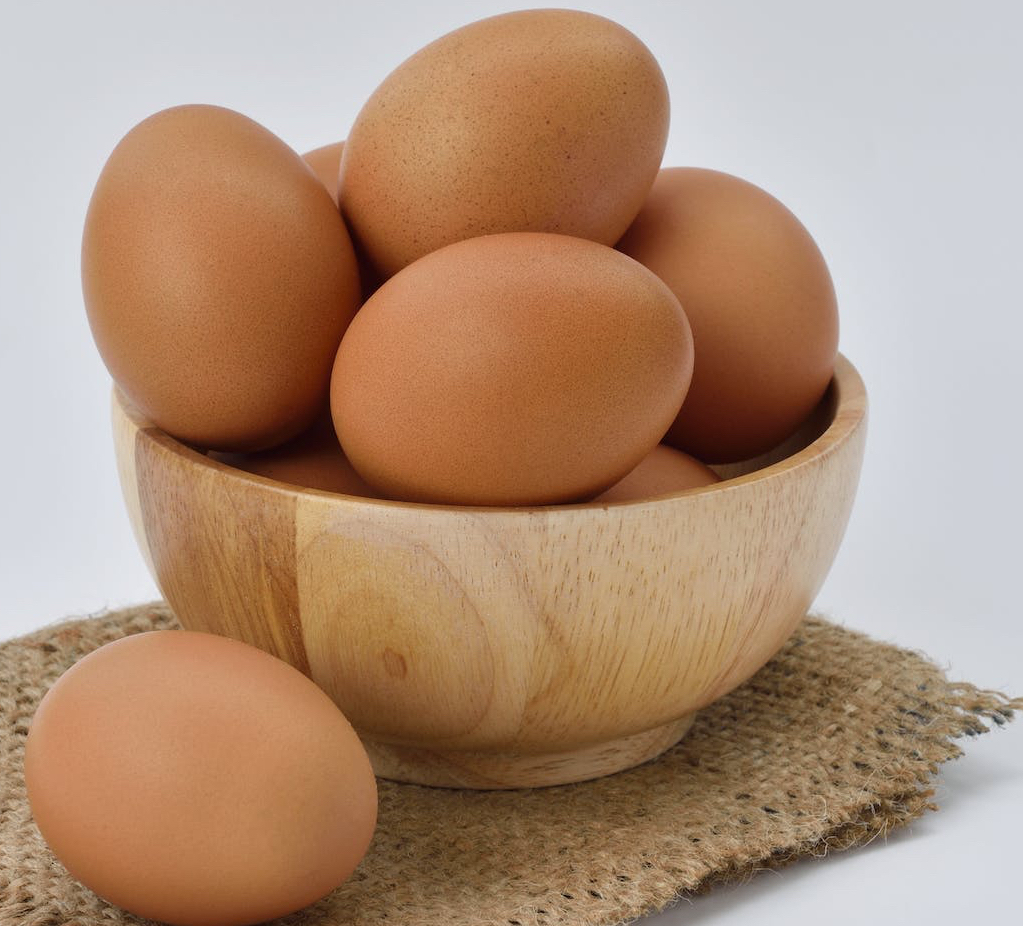
Many people continue to be concerned over the exorbitant cost of eggs since November 2022. And everyone wants to know when it’s going to get better. According to the CPI, retail egg prices increased 11.1% ~ 2 months ago. In addition, prices rose 59.9% this past December compared to December 2021. Therefore, from a chicken farmer’s perspective, I’ll explain why eggs have gotten so expensive.
Every so often I’ll glance at egg prices to make sure we’re getting paid what’s fair. To be sure we give away far more eggs than we actually sell. But feed is never given away. Where I live, the cost has doubled since 2020. Anyway, it’s been months since I last saw the price for a dozen pasture raised eggs. Thus, out of curiosity I checked prices the other day. While pasture raised eggs are only ~ $1 more here, store-brand eggs are practically the same price as pasture raised! That’s quite a hike.
But what’s driving the increase? Is it really what we’re being told? Or is there something sinister going on? Stay tuned for the reasons eggs are more expensive.
Digital Art, Courtesy of Sarah Smith
Reasons Eggs are More Expensive
H5N1 (Avian Influenza), and HPAI (Highly Pathogenic Avian Influenza), which spells Bird Flu
Firstly, bird flu is an illness that can affect both birds and people. However, HPAI is considerably more contagious. Although, it mainly affects poultry and wild birds. Whereas the human strain of bird flu is treatable, the bird strain is not currently.
Therefore, the only thing to be done is to cull flocks wherever it’s found. Additionally, all farms within a 6 mile radius of confirmed cases are tested. Then those flocks with verified bird flu are also eradicated. Consequently, to date per the USDA and CDC, 58 million birds, including ~ 43 million egg layers “have been affected,” involving 47 states. Which indicates some died as a direct result of the disease. Nevertheless, the majority were euthanized.
Given that most eggs sold on store shelves are from production farms, they would have to start completely over. And it takes anywhere from 4-6 months before new hens start laying. So you take 43 million layers out of production around the holidays, and well, there you have it.
Inflation
Since mid-2021, world economies have been experiencing a globalrise in inflation. From 2020 and 2021, the IRS sent out Economic Impact Payments, or stimulus checks totaling $803 billion. And the US wasn’t the only country that dumped money into the economy. Then, not only did we face supply and labor shortages, but there were price increases in the construction sector.
And then there’s too much demand, and not enough supply. According to IMF, the comeback in demand we experienced in the US strained supply chains and also caused inflation to rise abruptly.
All of these could realistically be the fallout from Covid-19. However, the war in Ukraine is a different matter entirely. But one that affects inflation as well. For instance, due to sanctions, commodities like metals, food, oil and gas have not only been disrupted, but likewise have been more expensive. And basically all of these things taken together affect egg producers with their overhead: feed, housing, employees, water, vet bills, etc.
Molting occurs predominantly in the Fall, and it lasts about 3 months. I have ~40 birds, 20 of whom molted due to their age. And while I have ducks and young roos that don’t count, I only had 9 chicken egg layers up till recently. But thankfully, our egg production is back up.
So molting is that time of year when chickens lose their feathers and basically have a 3 month long vacation. For established layers, they require that break from all the hard work we put them through. And for new layers, they don’t get one until they’re about a year old. Thus, unless egg producers have new and mature hens, the established, older hens would have been molting and resting up till now. And that would affect egg production and prices.
Lastly, What about Price Gouging or Poisoned Feed?
According to Farm Action, a non-profit that fights corporate monopolies, price gouging is exactly what’s going on with egg prices.
While consumers have become increasingly cash-strapped since the pandemic, corporations have enjoyed their most profitable two years since 1950 as their profits jumped 35 percent.
Written and edited by: Jessica Cusworth, Dee Laninga, Angela Huffman, Joe Maxwell, and Basel Musharbash
And the egg producer with the fattest wallet is none other than Cal-Maine. Further, as reported by Farm Action, Cal-Maine’s gross profits rose five-fold.
However, according to Cal-Maine Foods, they don’t sell their eggs directly to the consumer, but to retail customers, like grocery stores, etc. On their website, they go on to say
Cal-Maine Foods sells its eggs at prices negotiated with each customer. In many cases, the Company, and it believes its customers, look to independent, third-party market quotes published by Urner Barry, the leading provider of protein market news and information for the food industry. Urner Barry’s pricing methodologies and processes received third-party assurance that they are aligned with the International Organization of Securities Commission (IOSCO) Principles for Price Reporting Agencies.
Cal-Maine Foods Contact: Max P. Bowman, Vice President and Chief Financial Officer (601) 948-6813
The poisoned or RNA feed theory isn’t even worth my time, because it’s so ludicrous. Chickens ALWAYS stop laying for ~ 3 months during the fall. And sometimes in the spring. In fact, people who’ve had chickens for more than a year should also be aware of this fact. See molting above!! Or check out my post on molting.
Factors like China’s strict Covid policy, and recent relaxing of that policy has and will affect worldwide economies and thus inflation. Likewise the war in Ukraine will proceed to affect economies as well.
Though, at some point the Federal Reserve wants to return the inflation rate to 2%. Plus, according to the International Monetary Fund, so far overall measures of inflation were decreasing. But core inflation was still high.
Regardless, as of this post, prices have either stayed the same or were a little lower on the USDA site. Although, due to demand, likely egg prices will be high for the Easter season. Besides, until HPAI is no longer active and therefore a threat to poultry, the prices will continue to remain uncertain.
So you might be wondering if there is anything you can do to help your individual situation. Or do you just grin and bear it? Well first, you don’t want to
Smuggle eggs
Per Border Report, between October 1 to the end of last year, U.S. Customs and Border Protection reported a 108% increase in confiscated egg products and poultry at ports of entry. Don’t do it, because it’s illegal. And it’ll cost you, the eggs and a possible fine.
Get your own chickens
Not only has egg production been affected by bird flu, but obviously chicks and chickens have been too. And again it takes a chick 4-6 months to mature enough to lay an egg. Plus, there are many upfront and continuous costs involved: the coop, feeders, waterers, and feed. Then you have to think about predators, illnesses, and accidents.
However, you should ask yourself whether you’re committed to seeing it through. For example, after the heyday of Pandemic chickens, when things started to feel normal, hundreds of US chickens were surrendered to sanctuaries. And many of those organizations are still at max capacity. If you aren’t going to have time for chickens when they get inconvenient, messy, sick, etc, or the economy improves, then don’t get chickens.
On the other hand, there are some things you can do, such as
Buy eggs from local farmers
Supposing you live somewhere not hit by bird flu, reach out to people who already have backyard birds, and support them!! I’ve looked on my Facebook groups too and checked prices for eggs. And like me, my fellow chicken farmers are way below store prices. It’s obvious none of us make a profit. If I could at least cover the cost of feed, that would be great, but I doubt that even happens.
Therefore, get on FB and check out some chicken groups, if you don’t know any backyard chicken farmers. There’s gotta be one near you. And start shopping for eggs.
Purchase alternative eggs
Even if you can’t get backyard chicken eggs, you could still find backyard duck, quail, or guinea eggs. They each have distinct flavors. And some are better for certain dishes than others. However, you could also try JUST Egg, which are plant based eggs.
Furthermore, there are other egg substitutes for baking. For instance, buttermilk, applesauce, yogurt, pumpkin puree, and banana are just a few options.
Aspects such as the war in Ukraine, inflation since Covid, highly pathogenic bird flu, and molting have affected egg production and prices. But with China easing its draconian Covid policy, global economies have improved. And inflation has started to wane. However, with Easter coming up soon, and bird flu still hanging around, it may be awhile before egg prices drop to previous levels.
Though, there are options you can take to avoid the high cost of eggs. You can purchase from local backyard groups. Or you can try alternatives such as duck or guinea eggs. And there are even plant based options available.
Thank you for reading this post. If you enjoyed it, please like, share, and post a comment. And please don’t forget to follow!
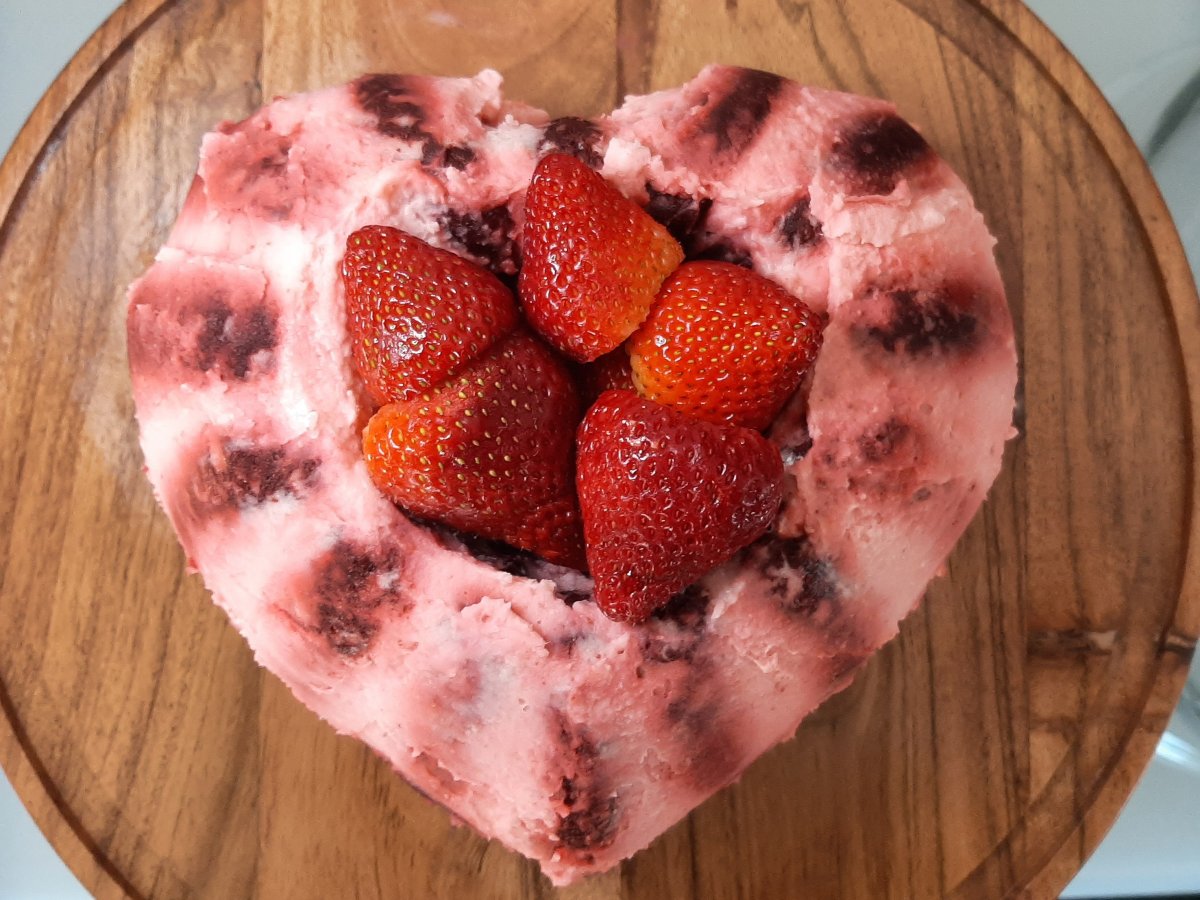
Since Valentine’s Day is right around the corner, I decided to make a red velvet heart shape cake. Walmart has an array of Valentine’s Day baking goods for sale lately, including the Bundt cake pan I got. While I didn’t necessarily need a new pan, I really enjoy cooking and trying out new things. In addition, my family appreciates it too.
This was the first time I’ve made a Bundt cake in a long time. Even though I have other Bundt pans, I just haven’t used them in a while. Although I intended on it. But I would forget I had the pans and use another. Or make a different kind of cake. However, when I saw the heart shape pan, I just had to have it. And I didn’t put off using it.
So you might be wondering if you can even use a Bundt pan for a regular red velvet cake. Or any other type of cake for that matter. And the answer is yes. Though, make sure you have the right amount of batter for the size pan.
How to Figure out the Batter
In another post, I shared a link to Wilton’s blog, where there’s a chart for how much batter to add to various cake pan sizes. Additionally it gives cooking times. So with most cake pans, measure the pan’s length and depth. But this cake is a Bundt cake. And not just any Bundt cake, a heart shape Bundt cake.
So if you don’t know this, find out the size of your Bundt pan by measuring how much water it holds. Although, don’t fill any cake pan to the top, because it will overflow! For this recipe, it’s a Wilton Bundt pan, and it holds approximately 4 cups of water.
The general rule for filling Bundt cakes is to leave ~ 1 inch of clearance from the top of the batter to the top of the pan. However, that’s based on the size of the pan. And it’s recommended to only fill small Bundt pans, < 10 inches in length, half full. With that being said, I filled my heart shape pan 2/3 full, like I do with my muffins and cupcakes, and it didn’t overflow.
Red Velvet Heart Shape Cake Ingredients:
1 Duncan Hines Perfectly Moist Red Velvet Cake mix
1 c buttermilk or *buttermilk substitute*
3 eggs
1/2 c melted butter
1 egg yolk
3.4 oz package of instant chocolate pudding
1/2 tsp vanilla extract
3/4 tsp apple cider vinegar
and a handful of lightly floured semi-sweet chocolate chips
a few fresh strawberries, de-stemmed and washed
*If, like me, you don’t have buttermilk when you want to make red velvet cake, then here’s a very simple buttermilk substitute. Add 1 tbsp of distilled vinegar to 1 cup of milk; let it sit for 10 minutes to thicken.
Red Velvet Heart Cake Instructions:
Heat oven to 350 degrees. And very generously spray your heart shape Bundt pan with non-stick cooking spray.
Mix the first 8 ingredients on low speed until moistened. Then beat on medium speed for ~ 2 minutes.
Next, pour ~ 3 full measuring cups into your prepared Bundt pan. And bake on the center rack in the middle of the oven for 35-40 minutes, or until toothpick inserted in the center comes out clean.
Cool cake in the pan on a wire rack for no more than 15 minutes. Then invert cake onto a plate or serving platter, and allow to cool completely before frosting.
Frost with your favorite pink Buttercream or whipped cream frosting. I made a whipped cream frosting and added a few drops of red food coloring to it. Then I filled the hole with the fresh strawberries.
Thanks for stopping by! If you enjoyed this, please like, share, and please don’t forget to follow!
Even with higher prices, eggs are a staple in most homes. Considering they can be cooked in various ways, eggs are also used in desserts and sides. But not everyone has time to make a nutritious breakfast via the stove or oven before starting their day. Thus, technology made a way with the egg cooker. Continue reading for basic characteristics of, and the best feature of egg cookers.
Perhaps you’re familiar with egg cookers. Well, up till this past Christmas I’m not sure I ever heard of them. But now I can’t imagine not having one. Why did it take so long for me to learn about egg cookers? And how did I find out about them? Likely I didn’t know about them, because I have a very small kitchen. And any extra appliances added make it that much smaller. In addition, my husband gifted me an egg cooker this past Christmas.
But before moving on to the best feature egg cookers have, I’m going to spend a couple of minutes going over some key information electric egg cookers share.
Aspects of Electric Egg Cookers
Egg cookers have been around for a long time, ca 1920s. Since then, they’ve been through many changes. And there are electric egg cookers that range in capacity from 4 to 14 eggs. Plus, they come in an array of colors. Also, you can choose metal or plastic ones. And they even have BPA-free plastic as well. Additionally, they vary in cost, anywhere from $10 to over $100, depending on the bells and whistles you choose.
Moreover, electric egg cookers are able to cook eggs in at least 3 different styles: hard-boiled, poached, and omelettes. Although, the omelettes are on the small side in my opinion. And some egg cookers even cook vegetables. In addition, egg cookers work by utilizing steam from the water that’s added to the cooker. Further, they beep to let you know when your eggs are done, ~7-15 minutes. Also, some even include automatic shut-off. Though, mine does not.
Since I’ve provided some general info regarding most egg cookers, I’ll briefly continue in more detail about my own: the Greenlife Qwik egg cooker.
My Electric Egg Cooker: GreenLife Qwik Egg Cooker
This nifty little machine, at 6.34″H x 6.30″W x 7.17″D, easily fits in a cupboard or the pantry. Because I don’t have a big kitchen, or a ton of counter space, the size is a plus for me. And it has a 28 inch long cord. Also, my egg cooker is turquoise. However, they come in red and pink as well. Though, pink is currently out of stock.
With this particular brand, we can boil 7 eggs at a time. Or make 2 omelettes or 2 poached eggs. In addition, it has a one switch design: on and off. And a clear lid to see the eggs while they’re cooking. Furthermore, all removable parts are BPA-free and dishwasher safe.
Using the Greenlife Qwik egg cooker is very simple. Plus, it only takes about 10 minutes for the eggs to be done. And I suspect we’re using less electricity using the egg cooker than when we use the stove; it simply doesn’t generate as much heat.
Best Feature of Egg Cookers
One of the things I enjoy about our electric egg cooker is the consistency of the eggs. For example, every time we use the egg cooker in any capacity, the eggs are always perfect. But I suppose that’s because they’re in a controlled environment in a way.
Moreover I like that it’s small, and can be put out of the way. When you have a small kitchen without a lot of counter space, this is essential to extra appliances and gadgets.
Nevertheless, my favorite part about our egg cooker is that our boiled, farm fresh, eggs peel easy every time. Every. Single. Time. Therefore, we don’t have to wait a certain amount of time to cook them. Likewise we don’t have to perform any tricks. Given that egg cookers use steam to cook eggs in the same way that I recommended in a past post, it makes sense. Although, it’s much faster with the electric egg cooker than the stove. Thus, this was a complete game changer for me on work days.
In Summary
Digital Art, Courtesy of Sarah Smith
Egg cookers come in an assortment of sizes and colors. And you can find one from almost any price-point. Plus, they have a lot of benefits, which include cooking eggs easier and better. But, if you enjoy hardboiled eggs, the best feature of egg cookers is that boiled, farm fresh, eggs peel easy.
What’s your favorite part about of an egg cooker, provided you have one or have used one?
Thank you for taking the time to read this post! If you enjoyed it, please like it, share it, and please don’t forget to follow!






















 Chicken Girl