Categories
Crazy Cute Pictures Extras

Cute Baby Bird Pictures

Today’s post is on cute baby bird pictures. Last Saturday I started this weekly post on crazy, cute pictures of our feather or fur babies. However, I want to mix up what the photos will be of; from specific types of animals to pets and farm animals.

So, what are the benefits of seeing pictures of cute animals? Or cute baby birds, for that matter? Are there benefits? Absolutely! You may have noticed when looking at your own pets, or even just at cute animal pictures, that you feel better. Happier. In some studies they have found that dopamine flows to the brain when we see cute animals or pictures of cute baby animals. And that includes looking at pictures of cute baby birds.

Other studies have found that we are more focused after watching or looking at cute animal pictures. And still others discovered that people were more relaxed after seeing cute animal pictures. For more information, you should check this out.

So, whatever your reasons for wanting to see some cute baby bird pictures, I’ve collected a few to share with you to make your day.

MY CUTE DUCKLING, SQUIRT

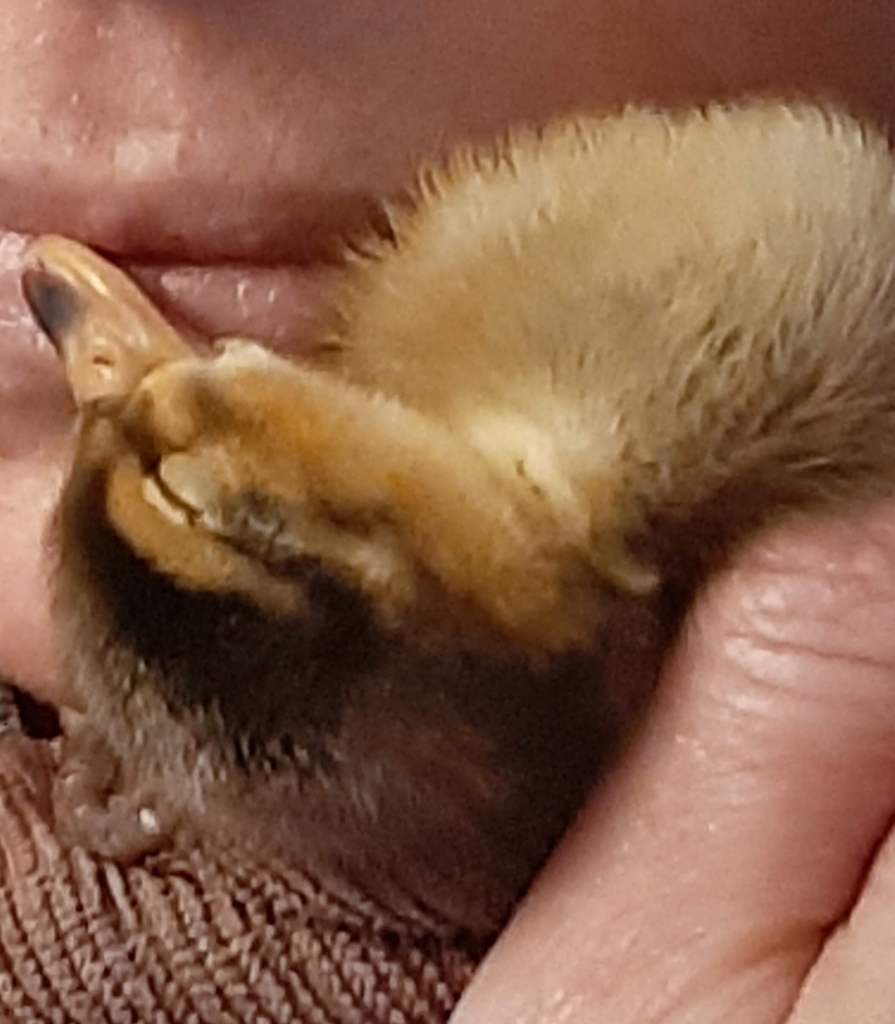
Squirt is our most recent duckling hybrid to hatch, and unfortunately she had no siblings ready to hatch with her. She’s all by herself right now. All she has is us. And one stuffed animal in her box.

cute picture of baby duck

She follows me around like I’m her mama duck; albeit an ugly large duck. But she feels very safe around me.

very cute picture of baby duck looking at camera

She’s a very cute duckling, from her peeps to her mannerisms.

cute duckling picture

She enjoys looking at phones and walking around. But sleeping and feeling safe and warm are the best.

very cute picture of duckling

We won’t know what she’ll look like yet, since she’s a hybrid. And she’s still developing. Her dad is a white Pekin, while her mom is a Mallard.

BLACK AMERAUCANA CHICK

This is the most recent black Ameraucana chick to hatch. We have 2 broody hens and 3 cute chicks from them. This is the third cute baby chicken. You might not be able to see it, but this chick has such chubby cheeks; but they aren’t really cheeks. It’s the beard that are typical for Ameraucanas.

cute picture of Ameraucana chick

FIRST SET OF CUTE INCUBATED CHICKS THIS YEAR

This cute set of chicks was incubated by my husband. Some of them are Ameraucanas and some are Easter Eggers. We don’t know for sure all of their sexes, but soon we’ll know.

very cute picture of black Ameraucana chicks

CUTE ADOLESCENT DUCKLING

This is our first incubated hybrid duckling. It was raised with chicks, which was very cute to watch. Its mother is a Mallard, and its father is a Pekin, just like Squirt. So far it looks like a very good mixture of both parents.

very cute picture of adolescent duck in pond

MORE CUTE AMERAUCANA and EASTER EGGER CHICKS

Here is another picture of even more chicks that my husband incubated. They are so cute with their fuzzy, chubby beards!

cute close-up picture of chick

CUTE BABY WOODPECKER

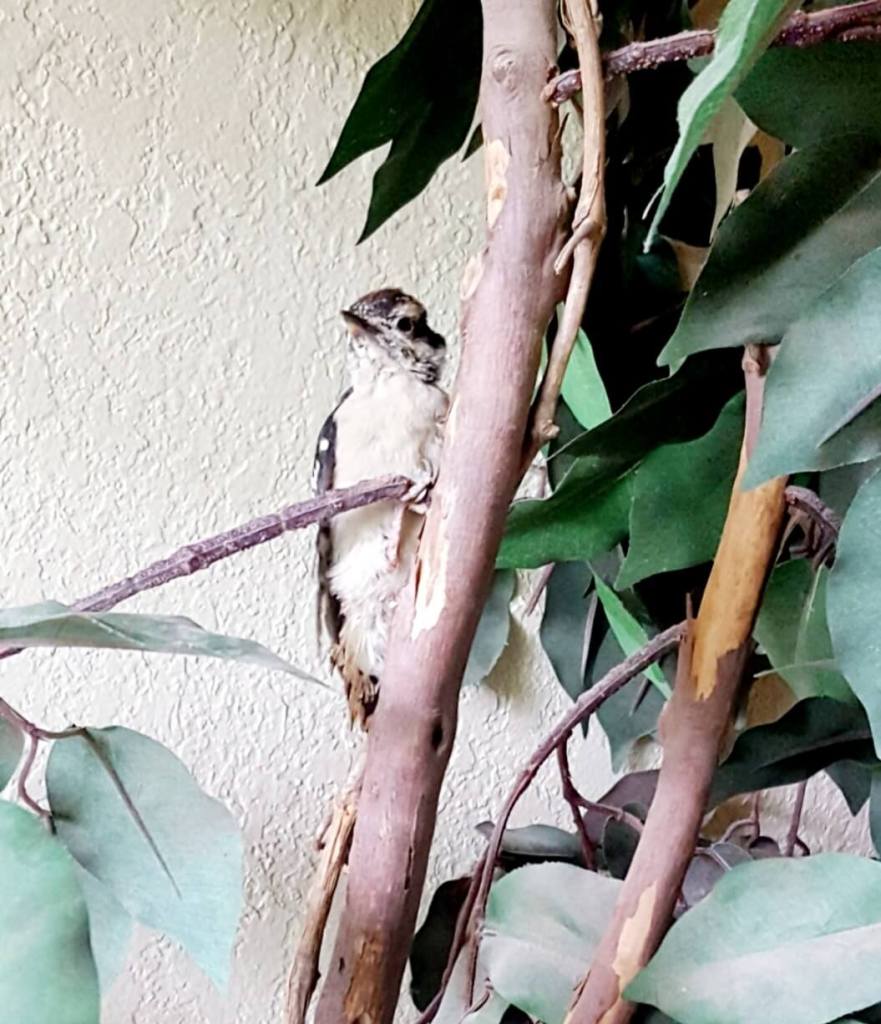
This is a photo of a cute baby woodpecker that fell out of its nest outside of our house. This happened a few years ago. We couldn’t find its parents, so we took it in. It had no fear and was so very cute!

cute picture of baby woodpecker

I hope you enjoyed these cute baby bird pictures. And as always, if you have any of your own to share, please don’t hesitate!

Categories
bunnies non-fowl

How to Care For a Pet Bunny

Today I’m going to go over how to care for a pet bunny. If you are at all familiar with my blog, you know that I have chickens and ducks. Well, I also have cats. And I used to have bunnies. You can check out this post to see some amazing pictures, and even share some of your own.

very cute gray dwarf lop eared bunny

When we started on this journey, living in the country, I never imagined we would have the animals we have. And I certainly never thought I would love them all the way that I do.

If you recently got a rabbit or are thinking about getting a bunny for your child or grandchild, then this is for you. So how do you take care of a pet bunny?

Myths about Caring for a Pet Bunny

First, let’s unravel the fiction surrounding the care of rabbits:

  • Fiction #1: Bunnies make the perfect pets for children.

False! Bunnies are easily frightened by sudden movements, noises, and really anything. It takes time for rabbits to feel safe in our presence. However, if you spend time with kids, showing and reinforcing them how to interact with a bunny, then they can be great with each other.

  • Fiction #2: Bunnies are low maintenance.

False! Bunnies eat constantly. If they go without eating for 12 hours, their bodies can release toxins that could be fatal. Rabbits also have this mischievous side to them, that requires them to be monitored, or they could get into trouble or have an emergency. And lastly, if you don’t pay attention to your rabbit at all, it will get lonely. There have been bunnies that have died from broken hearts.

  • Fiction #3: Bunnies like to cuddle.

False! I know that I said rabbits get lonely if left to their own devices, (or into trouble) although that doesn’t mean they want to be cuddled. Especially when you just get your bunny, it won’t want to be handled very much at all. At least not until it knows and trusts that you are not a threat. Bunnies don’t like being picked up, and they will immediately try to get away. They have sharp claws, and if a child picks up the rabbit, this won’t be a good situation for either of them.

  • Fiction #4: Bunnies can live outside.

False! Rabbits do much better indoors, due to the simple fact of the lack of predators in your house. They are prey animals, and they know it. So, imagine having your bunny outdoors where all of the noise surrounding them could be something waiting to devour them. They’re already extremely timid creatures, and they’ll remain so, unless they know they are safe.

Another thing to consider is if you live somewhere it gets hot in the summer, then your bunny won’t fare as well living outside. Rabbits do much better when it’s cooler than when it’s hot.

pet bunny cage
  • Fiction #5: Bunnies can stay in a hutch or cage.

False! Keeping a rabbit cooped up in a cage all day is cruel. They need space to run and stretch. If you leave your bunny outdoors or in a cage all day, chances are high that you or your kids will eventually forget about it. The bunny may get fed and watered, however interaction will probably dwindle down to next to nothing. Out of sight, out of mind.

  • Fiction #6: Bunnies like carrots.

False! Rabbits actually only eat the leafy part of the carrot. However, the main thing bunnies are supposed to eat is Timothy hay; that makes up the majority of their diet. The rest of their diet comes from leafy greens–no more than a cup per bunny per day. They absolutely love fruit, although these need to be treated like candy. Giving a rabbit fruits on a regular basis isn’t good for their health, so only a very tiny bit once a week. And then there’s the bunny food in pellet form, comprised primarily of alfalfa or Timothy hay. This should only be a handful, as the Timothy hay is the majority of what they eat.

Now that we’ve gone over some myths besetting the care of bunnies, let’s discuss the reality.

Facts about Caring for a Bunny

  • Set up safe indoor housing.

Whether you choose to put your bunny in a cage, or let it run loose in your home is entirely up to you. Though, if you have it in some type of bunny cage, make sure the cage is at least 5 times the size of the bunny. You want the cage that big so the bunny can stretch and jump.

Also, keep the bunny’s quarters close to the family, so it won’t get neglected.

We had two dwarf lop eared bunnies. They both slept in cages, but when we were home, they were free in the family room and kitchen. The rest of the house was blocked off with child gates. If we still had them, I would’ve had my husband enclose the back patio, with the intention of that being the bunny room.

gray dwarf lop eared bunny in enclosure
  • Bunny-proof your home.

Bunnies like to explore and they like to chew. On everything. And even if you have your rabbit in a hutch or cage, you will need to let it out sometimes for exercise. You need to create a safe place for your bunny while also protecting your things. So, it’s a good idea to get wire covers, furring strips, and even get baby gates to block off certain areas.

Also, there are a lot of houseplants that are poisonous to rabbits. And rabbits don’t have the good sense not to eat them. Bunnies are constantly chewing or nibbling on anything and everything. If you’re unsure whether a plant you have is bad for your pet bunny, you can look it up or just keep it out of reach. You can check this site out for more info.

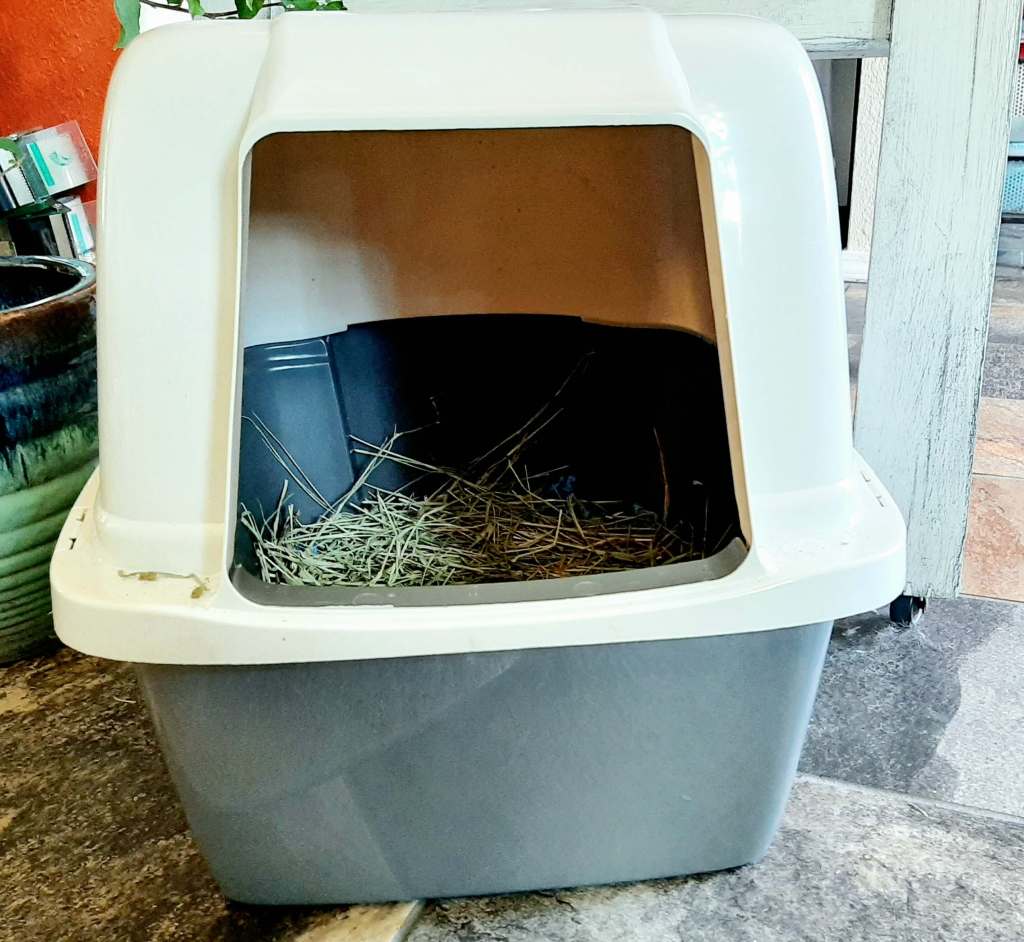
pet bunny litter box
  • Set up a bunny bathroom.

No, really, I’m being serious. Bunnies can be trained to use a litter box like cats. However, with that being said, the litter materials are completely different. You don’t want to use the same litter you would use for a cat, because bunnies eat and eat. This will make them sick.

Instead stick with organic material like paper, although newspaper isn’t as absorbent. You don’t want to use wood shavings either, because they can cause liver damage or allergic reactions in rabbits. Once you have a thin layer of paper laid down, then spread a thick layer of hay. This is because rabbits like to eat while they do their business.

Once again, when we had rabbits, we had one potty-trained. The older one. When he would go to the bathroom on the floor, bunny pellets, we would scoop them and him up, and then deposit all into the bunny bathroom. Every time. It didn’t take long at all for him to learn that was where he was supposed to go potty.

very cute cat and bunny eating greens together
  • Give your bunny a balanced diet.

A big part of caring for your pet bunny is with nutrition. Most of what your bunny will eat or is supposed to eat is Timothy hay. Your bunny should also get some vegetables, like leafy greens. What we gave our bunnies is Half and Half. It’s half baby spinach and half baby lettuce. But they also liked Spring Mix. Iceberg is not good for rabbits, so you want to avoid giving that to bunnies.

I already mentioned that bunnies love fruits. Though you want to give fruit in moderation. Like a bite of an apple once a week. Our bunnies loved blueberries, but again, we limited how many we gave them. And how often.

Don’t give your bunnies rhubarb, iceberg lettuce, tomatoes, cabbage, corn, peas, potatoes, seeds, beets, onions, chocolate, candy, or most human foods.

If you have a bunny younger than 6 months, then you can give rabbit food pellets comprised of alfalfa. However, if you have a bunny older than 6 months, then you’ll want to feed it pellets made from Timothy grass.

Make sure your bunny has access to fresh, clean water daily. If it uses a sipper bottle, make sure the bottle works properly and that your bunny knows how to work it.

  • Provide some chewing outlets.

Bunnies are going to chew no matter what. Although, with some cunning on our part, we can give them what they want. With some mental stimulation thrown in as well.

You can get some untreated wood or cardboard and give it to your rabbit. That will keep your bunny entertained. You can purchase bowls or balls of willow wood. Or you can even use items in your own home. Paper towel or toilet paper rolls, and other cardboard materials that we throw away, make good chew toys for bunnies.

Avoid giving your rabbit something sharp, with loose pieces, or soft rubber, in case the bunny manages to swallow it.

proper way to hold a pet bunny
  • Be gentle.

Again, bunnies are prey animals. I cannot stress that enough. They don’t like being held, but that doesn’t mean you can’t touch them. You just have to learn how to properly. So another big part of taking care of your pet bunny is when we’re being gentle.

Bunnies groom each other. Their noses, eyes, tops of their heads, and backs. Every rabbit is different. And whether you got a pair or just one at a time, (and introduced a second bunny later), will determine the rabbit’s preference of where they like to be touched. By you. Sometimes it will just take time for the bunny to earn your trust. And this isn’t necessarily a reflection on you, but a good place to start is by petting your bunny’s nose.

Bunnies are born scared. Remember the movie The Croods? “Never not be afraid?” Our second dwarf lop eared bunny was like that. We got him after we got Mabel, and he acted very scared. Our first lop eared rabbit warmed right up to us. He was the boss. He though he owned the place, he was that confident. But Ricardo, he wass another story entirely.

So how are you supposed to be gentle? Well, don’t pick the bunny up like a prey animal, for one. Always support it with one hand under its stomach and one hand on its back side. Lift carefully with both of your hands, bringing it close to your body. And don’t ever let your bunny hang loose or carry it by the scruff of its neck.

child being gentle with pet bunny
Photo by Tima Miroshnichenko on Pexels.com

My most important piece of advice when it comes to being gentle and taking care of a pet bunny is to be patient. I have had a lot of animals in my life, and I never force my world into theirs; because I wait for them. I take care of them like they need, but I resist the urge to do what I want; whether that be picking them up or cuddling them. I wait for them to approach me. And you know what? They do. Always. Every single one of my animals trusts me implicitly. Because I take care of them and I’m patient.

I hope you enjoyed this post, and if you have any questions or have anything to share, I would love to hear from you!

Categories
Crazy Cute Pictures Extras

Very Cute Animal Pictures

Starting now, for the next few weeks, I’m going to post some very cute animal pictures. Some will be of my animals. And some will be from my relatives or friends. Therefore, if you have any pictures, I would love to see your fur babies and post them as well. So feel free to share!

Our cat, Cake, sleeping on a bed

Cake looks like she wore herself out, working hard on the iPad. But don’t let that fool you. Because she sleeps almost as much as our older cat, Meow Meow.

very cute gray cat on bed

Cake and our bunny, Mabel

The cat and dwarf lop eared bunny are sharing a leaf. Our cat regularly eats strange foods, not really intended for her. However, we’re not sure why she eats some of the things she eats. Since we got her from someone else, it seems Cake has always been like that.

very cute cat and bunny eating greens together

Our second dwarf lop eared bunny

This is Ricardo, and he really belongs to Mabel. Not us. Plus, he’s still timid around us. Though, hopefully he’ll come out of his shell.

Person Holding very cute dwarf lop eared bunny

Another cute picture of our cat

Cake has this bad habit of going outside and trying to impress the male suitors. By rolling in whatever she can find. While sometimes it’s mud, other times it’s duck muck. So my daughter bathed her, because this was the last straw. And her last time to go outside for a long time.

very cute wet cat

Cute wet cat

This was taken right after Cake had her bath. And she doesn’t look too unhappy. Unlike the one above.

very cute wet cat with her tongue sticking out

Mabel, our first dwarf lop eared bunny

We’ve had Mabel about 3 months now. He thinks he owns the house; he’s extremely confident. And that makes me happy.

very cute dwarf lop-eared bunny on grass outside

A couple of cute chicks

My husband has incubated several different sets of eggs. What you see here are a couple of the oldest chicks that hatched. However, they’re even older and fully feathered now. This picture should be considered old.

very cute new baby chicks

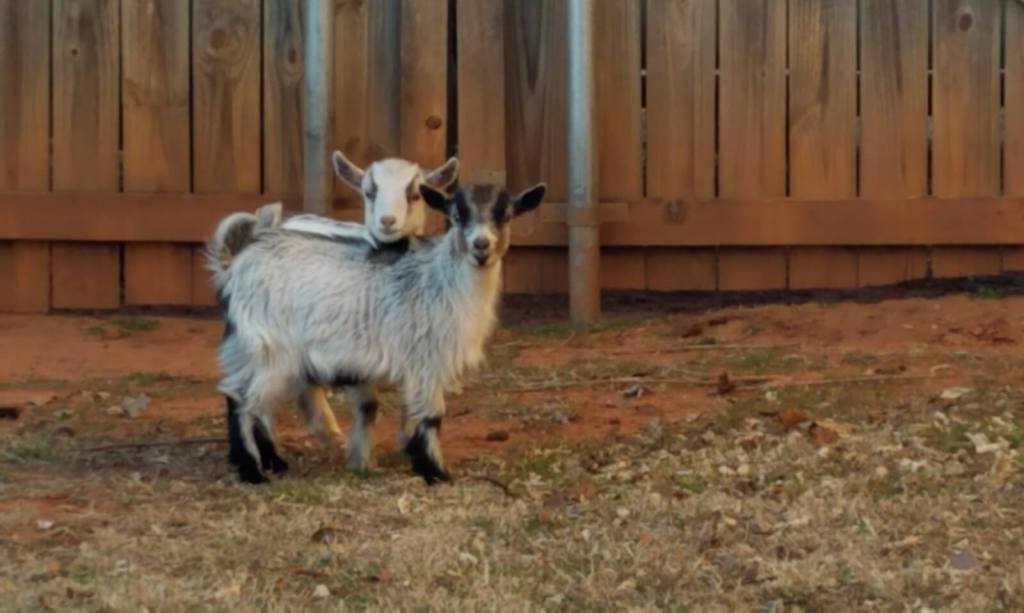
A cute pair of miniature goats

These two goats belong to one of our neighbors. Just as we are chicken people, they are goat people. But we get along, because we all like animals.

cute goat pair

Another cute cat

This cat also belongs to our neighbor. I don’t know how many cats they have. But I won’t complain, because they keep snakes away. I like how this cat seems to be blinking.

cute blinking kitten

Cute baby duckling

This is the last picture, and it’s of a baby duck. A brand new, straight out of the shell duckling. Also, it’s a hybrid. Its mom is a Mallard, and its dad is a Pekin. And his name is Squirt.

person holding cute duckling

Which picture was your favorite? Your comments are appreciated!

Categories
Extras recipes

Recipe for Quick Mexican Rice

This isn’t really a traditional recipe for my family. Although, when I was a child, my mom got this recipe for quick Mexican rice when we were living in Arizona from one of her friends. She’s made it ever since. And so I started making it for my family as well. It’s easy to make, delicious, and can be served with your favorite Mexican or Tex-Mex food.

Ingredients for quick Mexican rice:

  • 1 1/2 Cups parboiled rice (like Uncle Ben’s converted)
  • 1 Tbsp extra virgin olive oil
  • 1/4 Tsp Crushed Red Pepper Flakes
  • 1 Roma tomato, seeded and diced
  • 1 Tbsp each minced garlic, tomato bouillon, and cumin
  • 1/8 Tsp ground pepper
  • 1 Tsp each dried oregano and dried cilantro
  • 3 Cups of water

Instructions for quick Mexican rice:

  • First, put olive oil in saucepan and heat to medium-medium high. Add garlic and diced tomato until softened.
  • Next, add rice, stirring until it starts to brown.
  • Then add water and spices, and lower temperature to low.
  • Finally, cook for 20-25 minutes or until water is absorbed. And enjoy!

I typically make this side dish with chicken tacos or burritos. If you made this, what did you think of it? Your comments are appreciated!

Categories
Hens raising happy, healthy chickens Roosters

What Are The Best Dual Purpose Backyard Chickens?

There are more than 500 chicken breeds in the world. And I’m going to be absolutely honest, I am not familiar with all of them. Because I haven’t been everywhere around the globe. So I can’t tell you that I personally know what every bird out there is like. However I do know some birds in the United States. Also, I have purebred chickens and hybrids. And both have good and not quite as good qualities. Although, for this post, let’s discuss what are the best dual purpose backyard chickens?

What do I mean by dual purpose? A dual purpose chicken is one that is a good egg producer and large enough for meat. So it’s not necessarily bred for meat production, unlike broilers.

Dual purpose Black Easter Eggers and Ameraucanas

Easter Eggers: My First Choice for Best Dual Purpose Backyard Chicken

So why do I think Easter Eggers make great dual purpose backyard birds? First of all, they aren’t a breed that’s recognized by the American Poultry Association. And a lot of people lump any chicken that carries the blue gene into EEs. Even if it has a different colored egg other than blue. As long as its ancestors carried the blue gene, they are regarded as Easter Eggers.

However, I know my EEs are indeed EEs, because I bred them. So I know who their parents are. And they have at least one parent that is an Ameraucana, which is the rooster. You can read this article or this other one here for some interesting info regarding some snobbery in show chicken circles.

But Easter Eggers are my first choice for best dual purpose backyard bird, because:

  • They’re healthy

In 2016 we incubated Ameraucana eggs that were fertilized by our Cream Legbar. And the results were crossbred chickens, or Easter Eggers. None of the EEs we’ve bred have had health issues, other than the occasional issue of mites.

Ameraucana chick
One of our original chicks.
  • Live long

Hybrids generally don’t live as long as purebreds, however Easter Eggers can live up to 8 years! Except for the boys, the crossbreeds we hatched from our Cream Legbar are still alive. And that’s been over 6 years!

  • Resilient

They also do very well in the winters here in Oklahoma. Plus, the past couple of winters have been the worst since we’ve had chickens. The birds didn’t come out of the coop for a week each year, and they looked terrible. Thankfully we didn’t lose any of them. Though both roosters got a tiny bit of frostbite on their combs; it was just that cold.

  • Good, consistent layers

EEs are also very good egg layers. I have an equal amount of EEs who lay the same blue eggs as my Ameraucanas. And the other EEs lay brown, except one, who lays olive colored eggs. In addition, they all lay around 5 days a week. During their molt, of course egg production drops off. But as soon as January rolls around, they’re back at it.

  • Friendly

Easter Eggers are sociable chickens, with both people and other members of the flock. Sometimes how we raise them can influence their behavior, I’ve noticed. Also, whether or not they were incubated and hand-raised, or chicken-raised can influence them. If their only influence is chickens though, they still come around.

Dual purpose Ameraucana Cuckoo Maran mix
This is Baby Nay. His mother is a Cuckoo Maran, and his dad is Megatron.
  • Can be Sex Linked

Depending on the birds you have, and if you breed them, they can be sex linked. At least ours can be. Normally Sex Links are crossbred chickens whose color at hatching is distinguished by sex. However usually all of our chicks are black at hatching, because Megatron is all black. He has extremely strong genes, thus we have a lot of black chickens. Anyway, depending upon the egg the chick was in, I can tell whether the chick will be a girl or a boy.

If the egg is blue, I don’t bother trying to figure out their sex at hatch. We just have to wait and see. However, if the chick is in a Maran or Barred Rock egg, I’ll know whether the chick will be boy or girl. Because the boy will have a spot on its head at hatch. Otherwise he might be completely black or gray. But eventually he’ll get spots all over, like his mother.

bird animal farm grass
Photo by Brandie Robbins on Pexels.com

Silver Laced Wyandottes: My Second Choice for Best Dual Purpose Backyard Chicken

The second best dual purpose backyard chicken on my list is the Silver Laced Wyandotte. Silver Laced Wyandottes were developed around the end of the 19th century. And they were included into the American Standard of Perfection in 1883. Further, they were named for the native people, the Wyandot, of North America. Wyandottes are also a dual purpose bird, however they are bigger than Easter Eggers. So they would readily have more meat on them compared to Easter Eggers and Ameraucanas.

  • Great leaders

My number one reason for choosing the Wyandotte is that they make excellent leaders. In my experience and in my mother-in-law’s, we’ve both had Wyandottes who climbed the ladder and became boss chickens. Usually the more socially dominant chicken will be the leader. However they weren’t necessarily aggressive; they just instinctively knew what needed to be done and got it done, so to speak.

Our boss hen, Fives, would always run after the new roosters to get them away from the other hens. And she and her sister would raise the juvenile hens and roosters, teaching them their place. Further, she took better care of the flock than the rooster we had back then, before teaching Megatron his job.

  • They’re beautiful

Wyandottes come in several different colors, each more beautiful than the last: black, blue, buff, Columbian, golden laced, partridge, silver laced, and silver pencilled.

Dual purpose Black Ameraucana hen and rooster
Megatron and his hatchery mate, Shockwave, eating a banana.

I’ve mentioned that I think EEs and Wyandottes are two of the best dual purpose backyard chickens out there. My third and final choice for the best dual purpose backyard bird is the Ameraucana.

Ameraucanas: My Third Choice for Best Dual Purpose Backyard Chicken

Like Easter Eggers, they start off on the small side. Thus, if you want to raise them for meat, it takes time to get there. With roosters you don’t want to wait too long for them to get big, because they won’t taste great, the texture isn’t right, etc, after ~ 4 months. But you can still make a decent meal out of any extra roos. And you have more time with hens.

  • Long life

One of the reasons I picked Ameraucanas as one of the best dual purpose birds, is because of their long life. Of the 7 original chicks my daughters brought back from Texas, both of the Ameraucanas remain. The other 5 birds are dead. Although one of the Sex Link chicks died when it was still very young. Also, Megatron and his hatchery-mate are the next oldest Ameraucana chickens we have at ~ 5 years old.

  • They’re hardy

Additionally they do very well in the winters here in Oklahoma, like our Easter Eggers. Since summers can be hard on them, we have added lots of trees. And we continually add ice to their water and give them cold treats to help keep them cool.

  • Easy, friendly, and docile

If you get them when they’re only a day-old, or incubate the eggs yourself and handle them well and often when they’re young, they will treat you like a valuable member of the flock. I recommend keeping to 4 or 5 chicks at a time, in order to accomplish this though. More than this, you’re not able to invest the time and energy needed to be with them. It also helps to imprint on them.

Dual purpose red brown Ameraucana hens at back door
Our brat ‘Caunas at our back door, waiting for handouts.

In the spring of 2017 our girls returned to East Texas for more chicks. When they came back, we hand fed the chicks (above), spent hours with them, and invested ourselves in them. I can’t really tell you why, except they were so darn cute.

In the above pictures, the very top one is of Astrid. She is a beardless Ameraucana. And she lays bright blue eggs, and in every other way, resembles her relatives. But because she sports no beard, she would be considered ugly by breed standards. The picture just below hers is of Davis, and when she was little, she had the chubbiest cheeks ever. Davis’s favorite thing to do was eat. The bottom photo is all 4 of those chicks together.

We kept those girls inside the house with us (in a pen) until they were nearly grown to adulthood; they were the only ones we did that with. Whenever I go outside to feed them, they come running. They prefer to eat out of my hand, and I don’t mind.

  • They go broody

If you’d prefer not to have to incubate and raise chicks, then having a broody chicken makes an excellent option. Because most of the time, broody birds are fully capable of handling it.

Since having chickens, every single bird that we’ve had that’s gone broody, has either been an Ameraucana or an Easter Egger.

Dual purpose Ameraucana hen with 2 chicks
Davis with her two chicks.

Davis remains the only one of our hens that allowed us to visit her while she was broody. Without screeching, overly puffing herself up, or generally being disagreeable. When her chicks hatched, she even allowed us to see and touch them. It definitely pays off to spend that quality time with them when they’re young.

  • Hens are as beautiful as roosters

In most breeds only the rooster is fabulous. In fact, in nature the male bird has the best plumage, while the female is usually drab and plain. It’s very rare to see a female bird look fantastic, competing with the male for beauty and distinction. I’m not saying Ameraucana hens are the most beautiful hens out there; I’ve seen a lot of pretty hens that outclass even roosters. What I am saying is all of their traits, taken together, make them one of the all around best dual purpose chickens.

What about you? Do you have a favorite dual purpose breed, and if so, which one? Your comments are appreciated.

Categories
ducks other fowl

Why Does My Female Duck Bob its Head

If you’re new to ducks, you may not have seen females or males bobbing their heads yet. Or maybe you have witnessed them bobbing their heads but don’t know what it is. I can help explain this behavior, because I also have ducks and have seen them doing this. We’ve had our ducks for a couple of years now, and one female duck bobs her head all the time.

For two years now I’ve noticed my Pekin bobbing her head at my boss rooster. This isn’t an isolated event either. Bakugo used to chase Megatron relentlessly, the whole time bobbing her white head. I have some ideas that might sound a little crazy or farfetched. However, like I said, I witnessed her behavior for 2 years now. I personally think she wants to be a chicken. I told you, crazy. She’s evidently confused, because usually in these events the roles are reversed. Drakes and roosters are more forward, not hens and ducks.

Why Ducks Bob Their Heads

Now what do I mean by that statement? For those of you who have had ducks for a while, you probably already know what I’m getting at. For everyone else, when a duck bobs its head, it is just what it sounds like. It moves its head up and down, sometimes several times in succession.

But what does it mean when a duck bobs its head? What are ducks trying to express, or are they even trying to speak? I don’t think only humans are possible of higher skills like communication. We have our animals, and I can watch them for any length of time and witness them speaking to each other. I may not always know what they’re saying. They may not always speak out loud or in a language I can understand. However, I know they’re talking or expressing themselves by the many various sounds they make and even by their movements.

We didn’t have our original three ducks very long, when I pondered this. And I never saw Aizawa, our female Mallard, or Kirishima, our late drake or male Pekin, bob their heads. At anyone. So that left Bakugo, right? She’s our female Pekin.

When I first noticed this behavior, I thought the ducks were attacking or harassing my rooster, Megatron. And I was indignant. How could they act that way? Now I said the others didn’t display these actions, and that was true. Although, they did follow Bakugo around as she chased Megatron, bobbing her head the whole time.

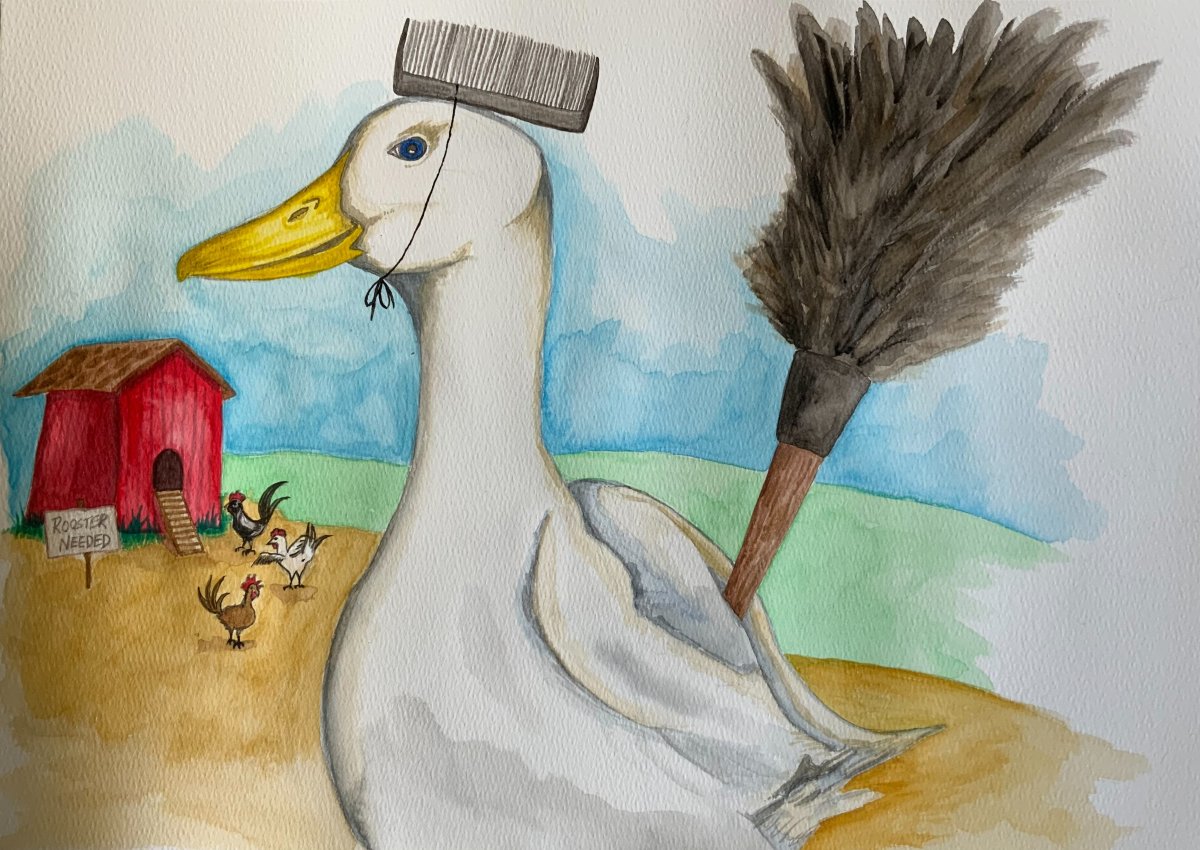
Watercolor of White Pekin Duck Flirting with Rooster, Courtesy of Paul Smith
This is a watercolor of Bakugo loving on Megatron, courtesy of my husband.

Ducks Flirt

I learned that when ducks bob their heads, they’re usually flirting. In waterfowl mating, it’s the female who chooses the drake with the best plumage. Ordinarily, if Bakugo was a normal duck, she would have chosen her natural match, Kirishima, the drake. However, that’s not what went on. She set her eyes on the rooster and gave him every indication that she liked him. My rooster wasn’t aware of what any of that meant though; he just knew those odd birds were following him and making him quite uneasy. Every time I saw him I told him he was the cat’s meow, but he didn’t think I was funny.

When a female duck bobs its head, it could also mean she is broody. Though, I don’t for one second believe this is the case, because Megatron always gives Bakugo a wide berth. She seeks him out, and it has made the drake angry! There have been a couple of times where she’s followed Megatron, head-bobbing, while the drake gets in his face, quacking at him. Like it’s all the roo’s fault this is happening.

There was a short time we thought Kirishima didn’t like Bakugo. We thought she was a lonesome spinster, trying to find love elsewhere. Although that was blown away when we saw both ducks mating. Also on other occasions I saw Bakugo spurn the drake; he wasn’t the best drake out there apparently.

Female Pekin flirting, bobbing head, at rooster in Yard
Megatron with Bakugo next to him. You can’t tell just by the photo, however she was bobbing her head at him.

Here is some more information on the subject of flirting and ducks bobbing their heads. I hope you don’t have a confused chicken or duck. Though, like I said, it’s more common for roosters and drakes to not be very picky about mating. It is, however, unusual for female birds to be confused in this manner, from what I gather. Click here to find out more about duck courtship behavior.

My daughter denies that the duck is flirting with the rooster. She thinks Bakugo wants to be the leader. The boss of the yard based on her behavior toward the other chickens. It’s typical bird behavior with pecking, yelling, and telling them to get out of the way so she can eat. She might want to be the boss, but in my opinion, as Megatron’s First Lady. And then they would be a power couple.

So you may be asking, what does this have to do with a duck wanting to be a chicken? Or with ducks bobbing their heads? Well, everything, because Bakugo knows what she wants. And it appears she’s realized Megatron won’t change his mind about inter-species relationships, so she decided to adopt chicken ways. As she continues to flirt with him.

Initially it was in being the first duck to approach us and actually get snacks from our hands. She crossed a major hurdle when she did that. It was one she knew she had to tackle, because the chickens have been doing it since time immemorial.

She passed another barrier when she started laying eggs in the coop like the other birds. She even managed to convince Aizawa, our Mallard, to do the same. Typically ducks will lay eggs in hidden spots near water.

Bakugo also really gets excited when Megatron makes special noises, like when he’s especially angry or frustrated at our other rooster. I saw her run to him immediately one such time, bobbing her head after him. Of course he instantly calmed down.

Pekin Duck, Mallard duck, and Black Ameraucana rooster in a yard.
Megatron with Bakugo and Aizawa.

If you have ducks and they bob their heads, most likely they are bobbing their heads at each other. Also, it is a positive sign that they like each other. There’s nothing to be concerned about. If they bob their heads at you, that means they like you. Although, if you have ducks that bob their heads at the other feathered fowl, then they are interested in a bird not of their species. They could also be confused like my duck. Will Megatron ever see the beauty that is in Bakugo while she flirts with him, bobbing her head? I doubt it, and it isn’t for her lack of trying. It’s hilarious to watch though, and I wonder, will she ever tire of chasing the dashing black rooster, as she bobs her head?

Categories
Extras recipes

Sicilian Cod Fish Recipe

This Sicilian cod fish recipe is another one of my mom’s recipes from when she was growing up. It was passed down from her grandma.  And it’s delicious and easy to make. There are other ones out there, however they typically feature black olives. But I’m not sure if the difference in ingredients is due to where in Sicily each person/ group was located. Or perhaps it was because of money, or even preference. Though I hope you enjoy it as much as we do!

Ingredients for Sicilian Cod Fish Recipe:

  • 4 cod fillets
  • 1or 2 baking potatoes, (depending on the size) washed, peeled, and sliced
  • 1 (14.5 oz) can whole tomatoes, diced or pulsed in food processor
  • 1 red or white onion, peeled and diced
  • 1 cup flour
  • 1 tbsp minced garlic
  • 1 tsp garlic powder
  • 1/2 tsp salt
  • 1/4 tsp pepper
  • And Italian seasoning to taste
prepping Sicilian cod fish recipe

Instructions for Sicilian Cod Fish:

  • Heat oven to 350.
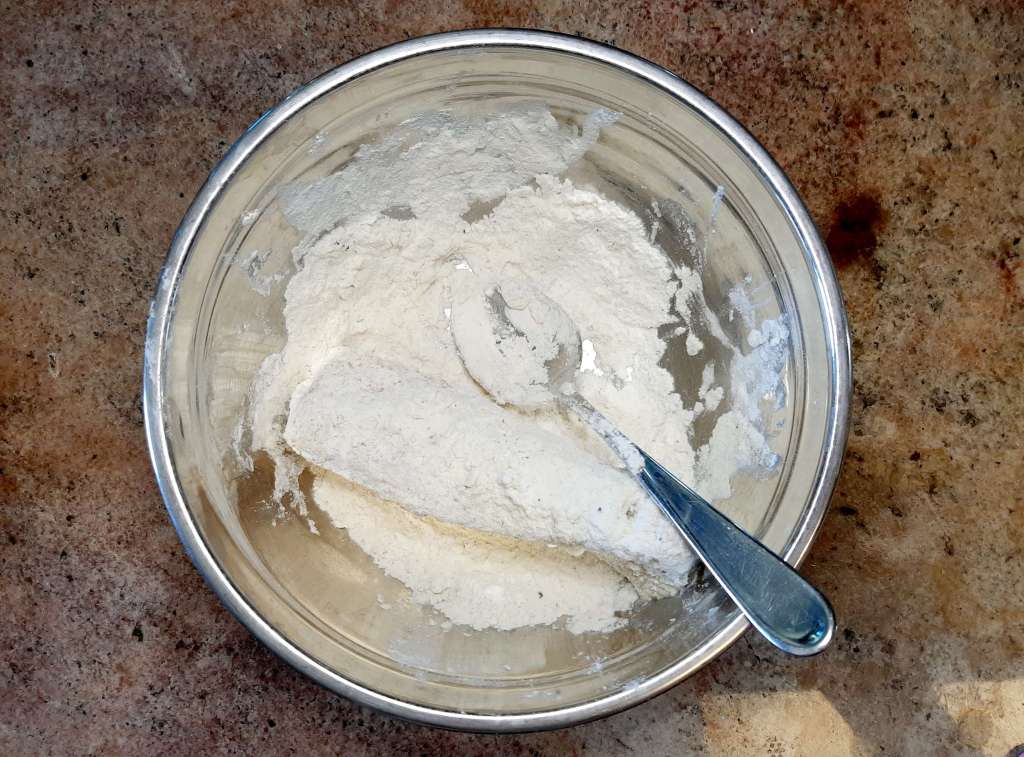
  • Mix flour, salt, pepper, and garlic powder together. And then coat the cod fillets with the flour mixture.
  • In a skillet, on medium heat, add just enough olive oil to sauté the fillets until they are lightly brown on each side.
  • Remove the fish when they’re browned on each side. And in the same pan, add the sliced potatoes, and cook till almost fork tender.
  • While the potatoes are cooking, in another skillet on medium heat, add olive oil and cook diced onion and minced garlic until onion is transparent, not burned.
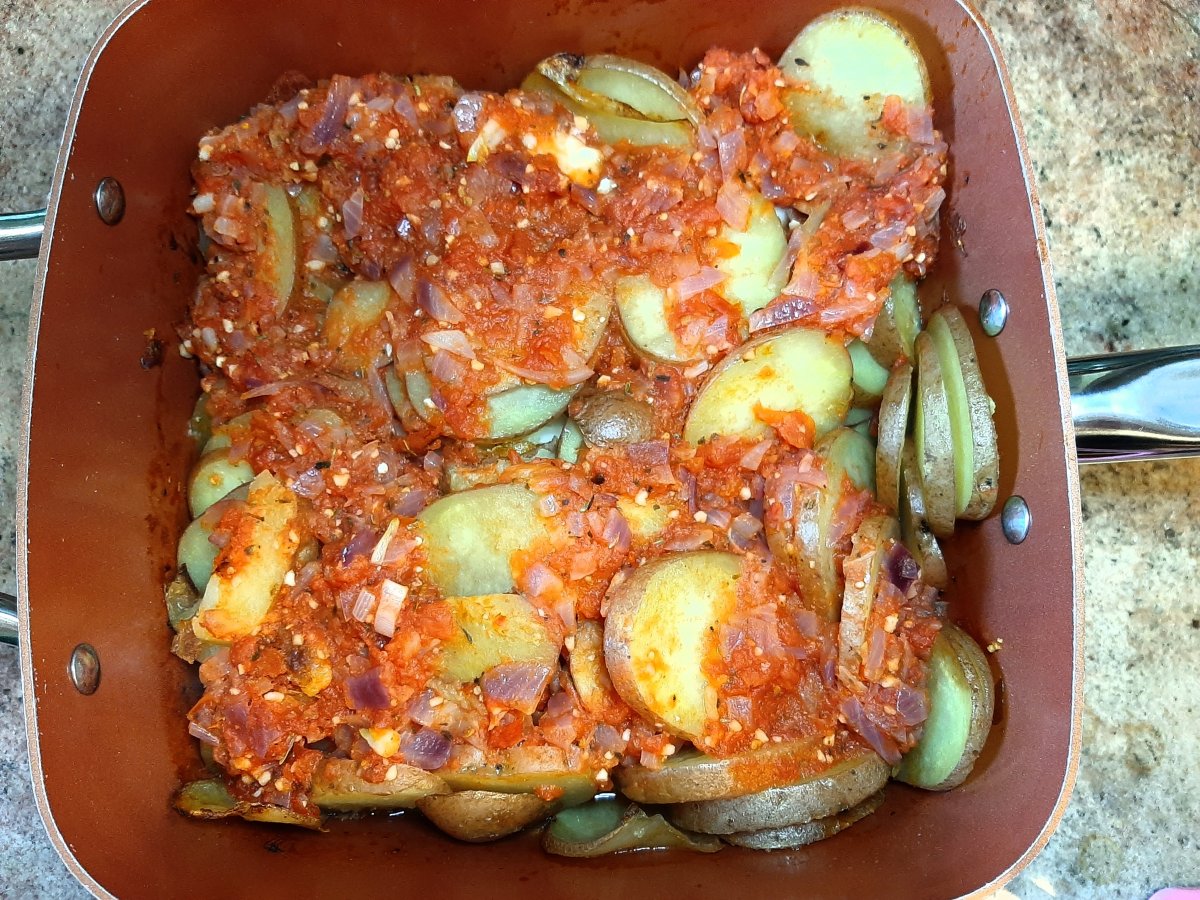
  • When onion is transparent, add diced tomatoes and season to taste with salt, pepper, garlic powder, and Italian seasoning.  Simmer and then place fish and potatoes in an oven-proof casserole dish.  Pour the onion and tomato mix over the fish and the potatoes. Then bake at 350 for 30 minutes or until potatoes are cooked and tender.
prepping Sicilian cod fish recipe

I used red potatoes when I made this. But, the recipe calls for baking potatoes. However I just used what I had on hand.

Sicilian cod fish and potatoes

Thanks for stopping by! And don’t forget to leave a comment! And if you made this, let me know what you think.

Categories
Extras recipes

The Best Homemade Taco Salad

This is one of my own recipes that I just threw together one day, several years ago. And I’ve been making it ever since. I like it, because it’s easy, and I’m all about easy when it comes to preparing food. But it also tastes great. Tell me what you think after you’ve made the best homemade taco salad.

Ingredients for Homemade Taco Salad:

  • 16 oz of ground beef
  • 1 pkg of taco seasoning mix
  • 24 oz pkg of salad kit (I use the ones with shredded carrots, cabbage, and/or different types of lettuce)
  • 1 large tomato or 2 small tomatoes, diced
  • 1/4 c-1/2 c shredded Mexican blend cheese
  • Tortilla chips
  • Optional–garnish with avocado or guacamole

Instructions Taco Salad:

  • First, cook the ground beef in a skillet till beef is all browned; drain and put beef back in skillet.
  • Next, add taco seasoning mix according to the instructions and simmer, covered ~ 15 minutes
  • Then, while the beef is simmering, pour the salad mix into a large bowl and add the diced tomato.
  • When the beef is ready, make sure there isn’t a lot of liquid in the pan, and add the meat to the salad.
  • Next, add in the Mexican blend cheese and toss the salad.
  • Then mix in the tortilla chips last; toss once or twice.
  • And garnish with guacamole or avocado.
  • Finally, serve immediately and enjoy.
Taco Salad

When I make this salad, the taco seasoning blend is usually flavor enough that I don’t add any dressing. However, if you prefer, there are plenty of recipes out there to choose from. Or you can pick up something from the store.

Categories
Chicks Hens raising happy, healthy chickens Roosters

Dos and Don’ts of Feeding Chickens

Since our backyard birds are omnivores, and love to eat just about anything, I’m going to cover the dos and don’ts of feeding chickens to keep them healthy. Furthermore, I’ll go over the different types of feed available. And I’ll list some things not to give your birds as well as some things that are OK in moderation.

Types of Feed

There are three main types of chicken feed, depending on their age. However, there are other types within those, which also depend on if you have show birds or meat birds, or a whole host of other options. But these are the main types base upon age.

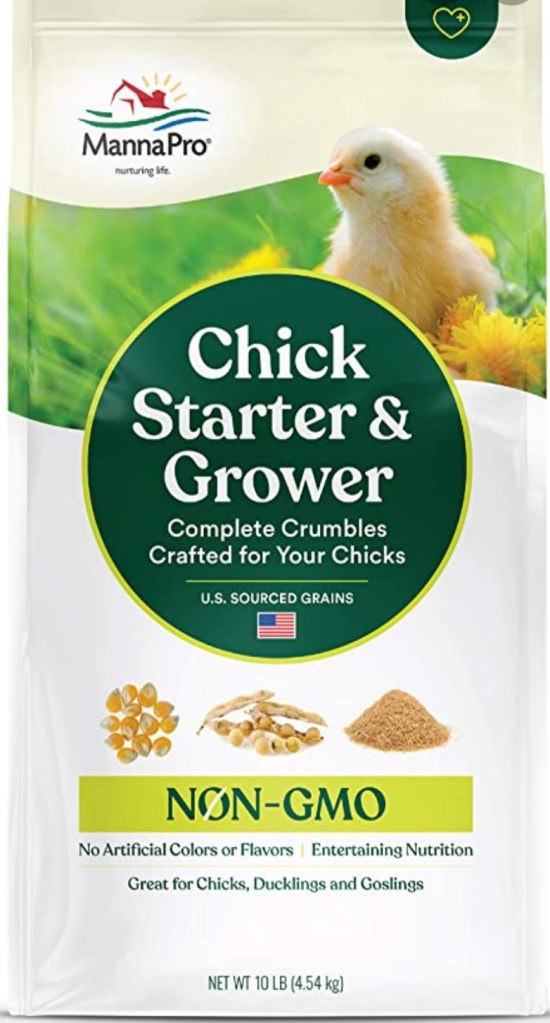
  • Chick Starter for healthy chicks
Chick Starter

In one of my other posts, I had already mentioned chick starter. You primarily only purchase this when you have baby chickens from 0-10 weeks old. It comes in medicated or non-medicated, organic or non-organic. And it has a protein level between 18% and 22%, because the chicks are growing. And they require more protein when they’re growing. There are also higher protein starter feeds. However, those are for meat birds like turkey, quail, and pheasant. Although, it can also be used for broilers to fatten them up.

  • Grower Feeds for healthy adolescent chickens
Chick Grower

Starting around 10 weeks of age, a grower feed can replace the chick starter. For backyard birds, you need a grower feed that will contain 16-18% protein that’s designed to sustain growth till the birds hit maturity. You can also find this in organic as well.

Layer Feeds for healthy chickens

Around 18 weeks of age, layer feed can be fed to your backyard flock or whenever the first egg is laid, whichever happens first. You want one that contains 16% protein and increased calcium for the shell development. Again, there are brands that provide organic layer feed.

Consistencies in Those Categories:

Within those three backyard flock feed categories, there are some other classifications based mainly on the texture and size of the feed.

  • Mash

Mash is an unprocessed form of chicken feed that is more often given to chicks, because it’s easier to digest. However, it can be given to chickens of any age.

  • Crumble
Crumble feed for chicks

Chick starter, grower feed, and layer feed can all be purchased in crumbles. As one can well imagine, it’s easier to eat. Though, as the birds mature, one downside is that when they scratch their feed, as they are accustomed to doing, it tends to get all over the place. And so, a lot of it gets wasted. I have also heard of people having issues finding layer feed in crumbles. If you have a backyard flock, or are interested in starting one, a big determination on what type of feed you continue to purchase for their laying needs will be their preferences. They will definitely let you know what they like or dislike.

  • Pellets
Layer pellets

Only grower feed and layer feed can be purchased in layer pellets.

The Don’ts of Feeding Your Backyard Birds: What to Avoid

Don’t offer more than 2 tbsp of treats per day to a hen’s ~ 1/2 cup nutritional requirements that she’s supposed to get from her feed. But additionally, avoid offering

  • treats first thing in the morning, if you offer any, before the birds have eaten their layer feed and foraged.
  • cracked corn or sunflower seeds as a substitution for feed; they are treats. With that being said let me add something. In the fall months when the chickens are molting, sunflower seeds are packed with protein, and protein is what they need during that time. So, for a short amount of time, it’s OK to give your flock sunflower seeds with their feed, but only for that short time. Cracked corn is not feed, and I nickname it ‘crack’, because the birds treat it like that. Oh, they love it, but it makes the eggs runny and loose when you crack the shells, because there’s hardly any protein in them.
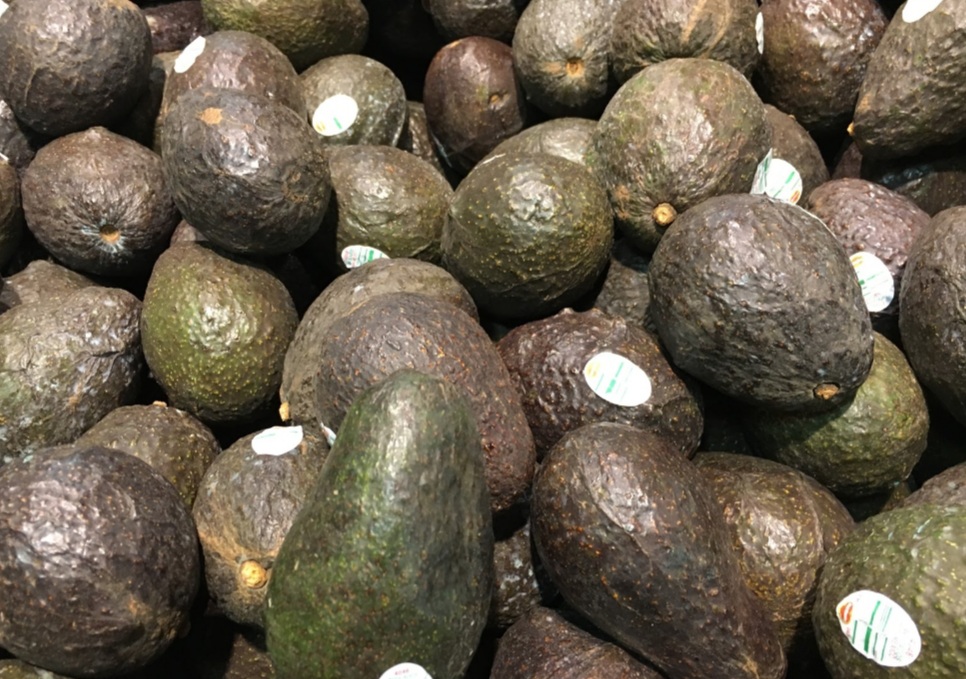
  • your chickens avocado pits and skins, because they are toxic.
  • under-cooked or dried beans to your backyard birds. Because they contain something that can prevent your birds from digesting anything they eat.
  • your backyard flock rhubarb. It might have a laxative effect on your birds. Also, if the rhubarb is damaged by severe cold, it can have a high concentration of a particular acid which can be deadly to backyard birds.
  • rotten and very salty foods to your birds, which can give them diarrhea and can also be toxic.
  • Processed foods should not be given to the flock.
  • Very greasy foods should be avoided, because they could be hard for them digest.
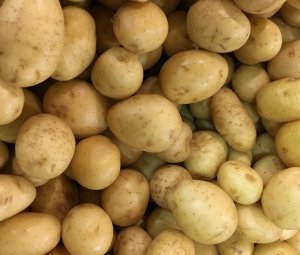
  • Raw potato peels, particularly if they are green from sun exposure, contain solanine, which is toxic.
  • And avoid coffee due to the caffeine and chocolate, because those might be toxic.

Snacks that are Safe for Your Backyard Birds: Give These Treats In Moderation

  • As I mentioned above, figure no more than 2 tbsp per day to 1/2 cup of layer feed. And sunflower seeds make an excellent snack in moderation.
  • Bread: Chickens love bread, at least mine do, and it doesn’t really matter the flavor.
  • Fruits: They can eat most fruits with the exception of rhubarb. Some of my flock’s fave’s are apples, strawberries, tomatoes, bananas, grapes, watermelon, pumpkin, cantaloupe, and blueberries, just to name a few.
  • Vegetables: Again, just like with fruits, most vegetables are fine to give your flock. When we’ve had our vegetable garden in past springs, our birds loved to sneak in to steal the bell peppers and kale. But they also love cabbage, corn, and sweet potatoes.
  • There are some that say you can’t give your birds citrus. However, not everyone agrees on that. There are also some who claim you can’t give your birds onions or garlic. But that is really only because it might flavor the eggs. The first spring that we had layer hens we planted a garden, and our hens got into the onions! They smelled like chicken onion burgers. It didn’t hurt them, however now that they are older they don’t eat onions, fresh or cooked. So their taste buds changed.
  • Cooked meat: Any leftovers you may have, remembering to keep it to snack-size.
  • Eggs: I know this might sound gross, but chickens love eggs. However, you don’t want to encourage cannibalism or to encourage them to eat their own eggs. But if I find a cracked egg, which will happen on occasion with 30-something birds, I scramble it up and give it them, rather than throwing it out.

We covered a lot, going over the different types of feed for chickens, including safe and unsafe snacks. If you have anything to add, please feel free. Or if you have questions, don’t hesitate to ask.

If you enjoyed this post, please like, share, and please don’t forget to follow!

Categories
Chicks Hens raising happy, healthy chickens

What Does Molting Mean for Chickens

The definition of molting, according to Free Dictionary is to shed part or all of a coat or outer covering. Such as feathers, cuticles, or skin, which is then replaced by new growth. In this case, chickens molting is a time where they lose their feathers. And there are a few reasons chickens can lose their feathers. But to know the answer why correctly, depends on where the feather loss occurs and the time of year. Is it affecting all the birds or just a few?

When I talk about my birds going through their molt, or losing their feathers to friends or family, I refer to it as ‘the ugly’. If you have chickens that have gone through molting, then you know what I mean.

Chickens Molting: Why do they Molt

I already mentioned how molting is simply where the bird will shed its feathers. It’s somewhat like a snake shedding its skin. However the reasons snakes and chickens molt are completely different.

chicken molting on grass
One of our black sex links going through the annual molt.

Chicks will molt roughly about 4 times before they reach adulthood, when their tail feathers come in and they’re ready to lay eggs. But then they won’t molt again until the following year. So why do the birds lose their feathers. And are there other symptoms?

When we first noticed our birds losing their feathers, at the time we didn’t know that’s what it was; we just thought something was wrong with them. Our boss hen, Fives, was sitting down a lot, resting. She just seemed so tired. The birds also started eating a lot more, and voraciously, like they were starving. And then they got ‘the ugly’, where their feathers started coming out. Though it wasn’t evenly distributed among the population. Some birds just looked ragged, while others were completely bare.

Juvenile Ameraucana Hens going through one of their molts
Juvenile Ameraucana hens.

I talked to my mother-in-law about it, who told me her birds were experiencing the same thing. She was the one who informed me what it was: Molting. Now I had a name to go with what I was seeing in my birds. I learned that, depending on the bird (or breed), they could molt twice a year, lose their feathers, and stop laying eggs for up to 12 weeks.

chicken molting on grass
Smiley, going through her molt.

When chickens molt, it’s a time for them to rest and recuperate from the work they’ve done all year round. That’s why our boss hen was sitting down much of the time. They lose their feathers only to grow in more and look absolutely fabulous when the new ones come in. It’s also a time for them to replenish their feathers, to prepare for winter. Typically our birds

  • start shedding their feathers the end of summer/beginning of fall, and it lasts about 3 months.
  • Egg production starts trickling down until all of the birds are in various stages of shedding their feathers.
  • And the youngest ones recover the fastest.
  • Further, by the time all the birds are molting, egg production is at a stand-still. Unless we have new hens.
  • And egg production doesn’t start back up until all have recovered.
chicken molting
Molting hen.

When the backyard flock goes through the molt, their dietary needs are different. Hens that are laying eggs need more calcium in their diet, because eggshells are primarily made out of calcium. However, when they molt, because their feathers consist mainly of protein, that is what hens need to recover and get back to laying eggs.

How to Help Your Chickens During Their Molt

Flock Raiser feed
High Protein Feed for Poultry.

At the first sign of your chickens molting, which will more than likely be feathers coming out around the end of summer, switch them to a high protein feed with 20% protein. You want to

  • keep the stress low
  • with clean, fresh water
  • proper air ventilation
  • and avoid adding new birds during this time

While chickens are losing their feathers, they can be sensitive, so avoid handling them.

Some backyard flock owners install lights in the coop to encourage egg laying during this time. That’s completely up to you, however, as a reminder, this is a time for the flock to rest and recover. When your flock starts producing eggs again, switch back to their layer feed by mixing it with the high protein feed to make sure there aren’t any digestive issues.

Molting isn’t only restricted to hens; roosters will also molt, though not as aggressively as the hens. They tend to lose tail feathers from what I’ve witnessed, again only to have them grow back in more beautiful and fuller than they were previously.

I hope this answered any questions you might have had. If you have any others I didn’t address, please feel free to ask.