Categories
All animals non-fowl

False Pregnancy in Female Dogs

I use affiliate links to support my content at no extra cost to you.

Has your dog been exhibiting maternal or nesting behaviors? Perhaps getting aggressive over clothes they’ve claimed? Or are they babying a particular toy more than the others? Even if your dog hasn’t been bred, false pregnancy in female dogs is a fairly common condition. Whereas some dogs have no symptoms of false pregnancy, others may have more than a few.

brown and white dog resting on pet bed on a wood floor
Photo by Andrew Neel on Pexels.com

First, What is False Pregnancy in Female Dogs

False, phantom, and pseudopregnancy all indicate a process where female dogs present behavioral and physical signs of pregnancy without actually being pregnant. Plus, it can affect any breed or age of female dog.

When Does False Pregnancy Occur in Dogs

Signs of pseudopregnancy in dogs typically begin 6 to 8 weeks after their heat cycle. Some dogs only have symptoms for a few weeks, but in others, symptoms could last longer. Additionally, some dogs experience pseudopregnancy repeatedly.

What Causes False Pregnancy in Female Dogs

  • Pseudopregnancy in dogs is due to both progesterone and prolactin. 

A rapid decline in progesterone raises prolactin, which is responsible for many of the behaviors associated with false pregnancy.

  • Spaying a dog during the time when progesterone levels are high following the heat cycle is another cause of false pregnancy.

Signs of pseudopregnancy may develop 3 to 4 days after spay due to the sudden drop in progesterone.

  • Treatment with progestins unrelated to false pregnancy can cause pseudopregnancy.

Progestins can be used from skin to behavior issues. But, primarily, it’s used to control the reproductive cycle. And one of the side effects include increased secretion of prolactin.

  • and Health issues

Hypothyroidism and/or liver dysfunction can also cause increased levels of prolactin.
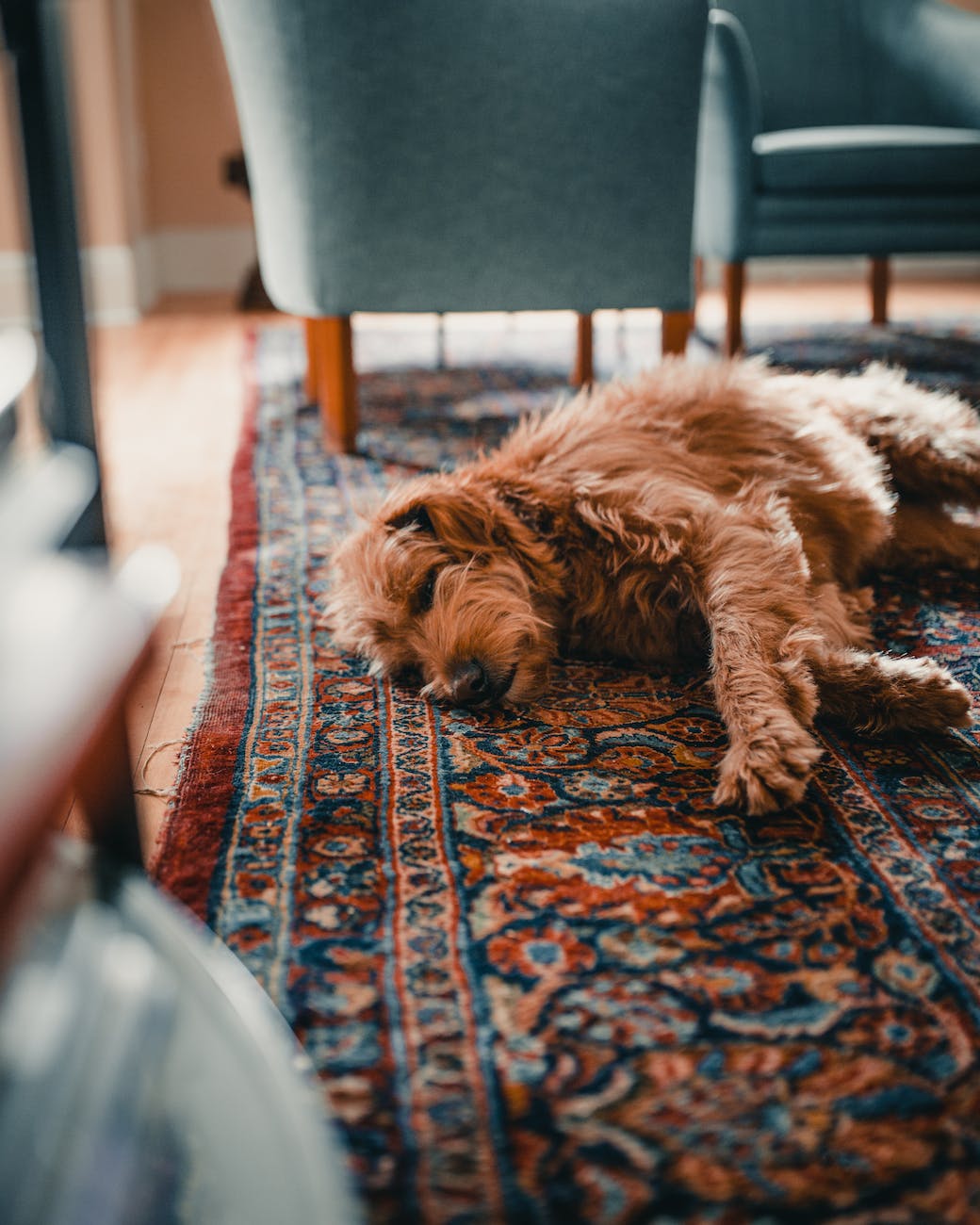
brown dog sleeping on an area rug near a light blue upholstered chair
Photo by Josh Hild on Pexels.com

Signs of False Pregnancy in Female Dogs

Generally, the signs of a false pregnancy are similar to a real one or even postpartum behavior. While some symptoms are more apparent, others are not. But some of the signs include

  • swollen mammary glands

One of the first clinical signs of pseudopregnancy are swollen or enlarged mammary glands. Females going into their heat cycle can also get swollen mammary glands. However, if they’re still enlarged weeks after the cycle, then it’s possible phantom pregnancy is to blame.

  • lactation

It’s also likely for the enlarged glands to secrete milk, especially if the dog self-nurses or licks their abdomen a lot.

  • weight gain

Some people think the weight dogs gain is fluid retention. Though, after we had Sophie spayed, the vet informed us that she had the largest uterus she’d ever removed. In addition, she asked us how many pups Sophie had. But, Sophie never had any. Based on this, it could be possible that the uterus is preparing for puppies.

  • nesting

Dogs going through a false pregnancy will make a “nest,” either under a bed or similar, that will be a safe place for their puppies.

  • maternal activity

Motherly behavior and nesting are the 2 most common behavioral signs presented in false pregnancies. With maternal activity, your dog may adopt clothes, shoes, or a plush toy as their “baby.” And heaven help you if you try to take them away.

  • aggression

The “mother” dog gets anxious and distressed if people look at her “baby” or try to touch her “baby.” She may even attack if she feels they’re threatened. This can look a lot like resource guarding.

  • appetite loss

During pseudopregnancy, it’s not unusual for dogs to lose their appetites.

  • vomiting

Some dogs experiencing false pregnancy might be nauseated and throw up.

  • and decreased activity

Lastly, false pregnancy can make your dog tired.

several different tan dogs standing outside and behind a chain-link enclosure
Photo by Mia X on Pexels.com

Is False Pregnancy Dangerous

Most false pregnancies are normal and will resolve on their own. On the other hand, some can be extreme and fail to remedy on their own. Furthermore, if the symptoms aren’t because of a heat cycle, it’s best to have a veterinarian’s opinion, since a health issue could be to blame. Moreover, according to this article, about 33% of dogs with pseudopregnancy symptoms are surrendered, especially if they’re recurring. 

False vs Real Pregnancy

Signs of pseudopregnancy are similar to late-term real pregnancy in dogs. So, vets confirm a real pregnancy with a pregnancy test, that measures hormone levels, or with ultrasound. And they palpate the dog’s abdomen.

How to Treat a False Pregnancy

  • At home you can distract your dog with plenty of exercise and play time. 
  • Remove the item they’ve claimed as their “baby.”
  • Don’t stimulate the mammary glands; and if your dog is licking that area, get an Elizabethan collar to prevent that.

For more troublesome or prolonged symptoms, see your vet. It could be a medical issue. Moreover, there are medications available that alleviate some of the symptoms, like cabergoline that inhibits prolactin. And to prevent future false pregnancies, the best option is to spay your dog. However, you want to wait to spay until the fake pregnancy is over.

person in dark clothes using a stethoscope on a tan Labrador retriever dog, while another person in a blue shirt helps hold the dog
Photo by Mikhail Nilov on Pexels.com

In Summary

False pregnancy in female dogs is a natural condition that occurs mainly due to a rise in prolactin. Most signs involve mothering and nesting behaviors. But it’s not unusual to see enlarged mammary glands either. While most cases will resolve on their own, some might require a visit to the vet. And the best thing you can do for your dog is to distract her by playing with her, letting her get exercise, removing her “baby,” and not stimulating her mammary glands. But, sometimes dogs will need help with medication. And the best option to permanently prevent any future occurrences of false pregnancy is to have your dog spayed.

Sophie only had 2 heat cycles. After her very first one, she developed enlarged mammary glands that stayed swollen till a couple of weeks or so ago. She also lost a little weight and interest in playing. And over time, she adopted a hoodie of my husband’s. It became her “baby.” Before she adopted any “babies,” we thought she was having a false pregnancy. But after some more time, her behavior seemed to improve. And then she claimed the hoodie. So much time had passed, that to me it looked like resource guarding. She would growl like she was ready to kill anyone who got too close. Eventually she started nesting under my middle daughter’s bed. If anyone even looked at her, she’d growl threateningly. We would take the “baby” away, only for her to steal a different one. 

Recently she got spayed. And that’s when we heard about how big her uterus was. Unfortunately, she still had the nesting behavior and “baby” issue going on. According to what I’ve read, a dog that’s pseudopregnant at spay will still be pseudopregnant after spay. So it would be natural to assume that Sophie’s been in false pregnancy for months, and even was spayed during it. Since her spay, we took away her “baby.” However, she hasn’t tried to take any more “babies,” and she’s no longer nesting. Consequently, she’s a much better behaved dog than she was before. Therefore, was she pseudopregnant? Or was she just attached to the hoodie and acting like a mother?

Have you ever witnessed pseudopregnancy in a dog? Did you know what was going on? If you had a dog that ever experienced a false pregnancy, how did the situation resolve?

Thank you for reading this. Please like, share, and if you don’t already follow me, you can do so now.

https://chickcozy.com/kristinasmith
Categories
ducks other fowl Roosters

Can a Duck And Chicken Breed

I use affiliate links to support my content at no extra cost to you.

Raising different farm birds in your backyard makes for some funny stories. And keeping roosters and drakes adds even more amusement. Since we’re approaching duck mating season, you might wonder if a duck and chicken can breed. A simple definition for the verb breed is to produce offspring or young, while mating is basically sex. While my own mixed flock mates, or at least tries to mate on occasion, they have not produced any offspring. So the chances of ducks and chickens actually reproducing a hybrid are slim. Even though inter-species mating certainly happens, it isn’t the norm. Thus, certain conditions must be met for it to occur.

Some cites claim chickens and ducks can’t mate. Likely because they’ve never witnessed it or the circumstances weren’t right for it to develop. Nevertheless, I’ve seen chickens and ducks mating. I’ve even seen chickens mating guineas, and guineas mating ducks, and all kinds of backyard shenanigans. Although, it’s not something you should want. Due to completely different sexual anatomies, one species could get injured or even killed during mating. Therefore, continue reading to find out what properties create the perfect opportunity for inter-species mating. Plus, I’ll explain how to prevent it.

Chicken-Duck Hybrids: Fact or Fiction

First, let’s look at whether ducks and chickens can in fact breed. There have been many chicken-duck hybrid stories for the past decade or so, though I couldn’t find any that were DNA confirmed. Some stories also mentioned separate characteristics of each species, trying to prove it was a chuck or a ducken. But later the person making the claim learned it was a duck species they didn’t know about. Or it had a deformity. Both female ducks and female chickens can hold the sperm of multiple lovers, aka drakes or roosters. It’s in those scenarios when sperm from 2 different males wind up fertilizing a single egg that sometimes result in a chick or duckling having a deformity; consequently, looking like a hybrid. In addition, some of the photos I saw looked like juvenile ducks that were molting. 

Why Ducks and Chickens Shouldn’t Mate

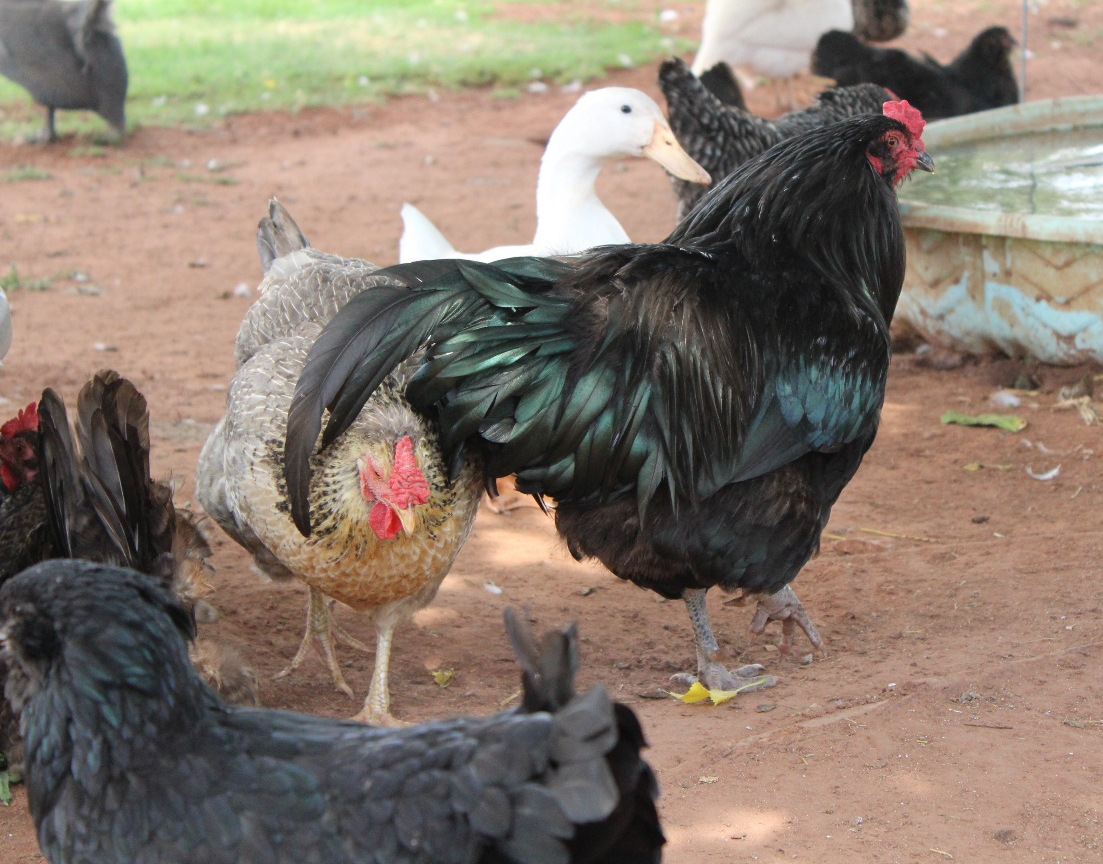
2 red and black roosters with mixed flock of backyard poultry

Even though both ducks and chickens reproduce through internal fertilization, they still have distinct reproductive anatomies. For instance, roosters don’t have outward sex organs, unlike drakes. Rather, hens and roos have cloacas that, once the roo mounts the hen, touch in what is commonly known as the ‘cloacal kiss.’ This lets his sperm enter her reproductive system, and it doesn’t travel far to get to the sperm storage tubules (SSTs). Plus, it happens within minutes of copulating. And once released from the SSTs, the sperm hurries further into the hen’s reproductive organs, primarily the left oviduct. Finally, after entering the oviduct, the sperm waits for the next egg to be released. Then, the moment the egg is released during ovulation, both sperm and egg join to be fertilized. 

On the other hand, ducks typically mate in the water. Although, they can also mate on land. Moreover, it’s estimated that as many as 40% of Mallard duck mating encounters alone are forced. Aggression is an understatement for drakes when we’re talking multiples. Whether one or many, drakes can rape a female duck to death. A final distinction between duck and chicken reproductive anatomy is that drakes have corkscrew phalluses; some as long as 18 cm or longer. And female duck vaginas are anti-corkscrew with spirals and blocked pockets. They developed this way to prevent unwanted fertilization due to rape. Drakes might force a female duck to copulate, but she has the last say.

Roosters mating with female ducks most likely will not end in injury. However, it’s a different story if a drake tries mating with a female chicken. Aside from an aggressive sex drive and a long mating season, drakes are also much bigger than female chickens. And since female chickens aren’t designed to be penetrated, drake phalluses can cause internal damage to a chicken. Or if the drake decides to mate in water, the chicken will drown. As a result, always discourage drakes from mating any female chickens you have.

Why a Duck and Chicken Can’t Breed

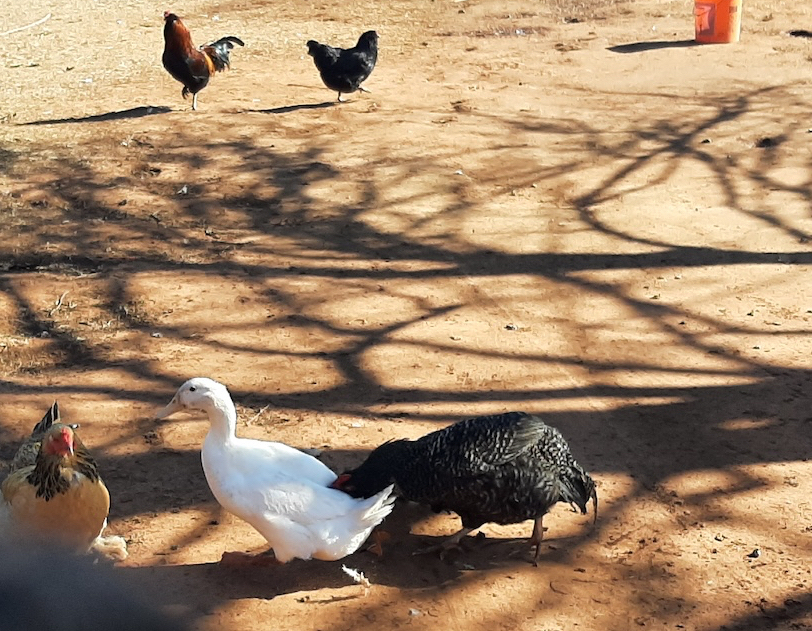
3 ducks in a kiddie pool with a gray guinea and chicken next to it

While there are several definitions for the words ‘breed‘ and ‘mate‘, sometimes they’re used interchangeably as well. Although, for this article, I didn’t do that. Now that I explained that ducks and chickens could copulate, what about breeding? Can they reproduce even if there aren’t any confirmed hybrids? Both ducks and chickens have cloacas. Hence, it’s hypothetically possible, because female ducks decide, just like female chickens, whether they’re going to cooperate with the males. For example, if my rooster, Megatron, decided to mount my Pekin, Bakugo, it might make her day. She seems to like him at least. Yet, she also might or might not go for it. Recall that female ducks have a convoluted vagina due to forced mating. Therefore, would it even work? On the other hand, a drake mating a female chicken would just tear her up. It’s not worth it to try finding out, or letting it happen.

Why Ducks and Chickens Try to Mate

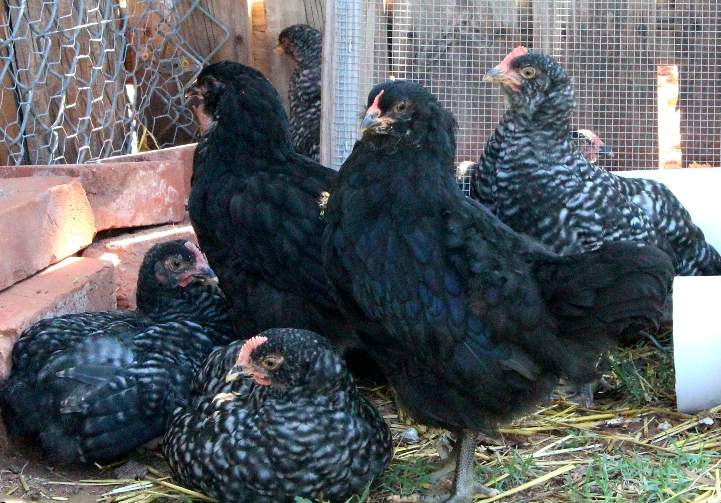
black and spotted baby chickens
This picture features some of the 10 boys we had to get rid of last year!

Now it’s time to find out what causes chickens to want to mate with ducks in the first place, and vice versa. These are from my own observations only. Whether you have guineas mating with chickens or roosters mating with ducks, the following are always issues with inter-species mating, such as 

  • overall space

Not only will overcrowding cause males to breed voraciously, but it can cause inter-species mating. If you have multiple bird species with new hatchlings on limited space, be prepared for inter-species matings and aggression. Moreover, sometimes you might think one of your males is mating, when in fact he’s actually being domineering, or putting another bird in line. Our second-in-command roo, Ravage, did this with our oldest drake a few times before getting his spurs. We had almost 10 roosters we needed to cull last summer, but it was too early to do the job. So, he was showing the drake who was boss of the backyard. Whereas chickens need ~ 3 to 4 square feet each in the coop, they need 10 sq feet each in the run. And ducks need even more space.

  • and female to male ratios within the species

Both too many males and not enough females within a species will cause the males to look elsewhere for possible mates. Again, expect to have issues with inter-species mating when having different bird species in your backyard, and later increasing your flock, especially if you end up with more males. We have guineas, ducks, and chickens. Our drakes tried mating with the guineas, while our roos tried mating with the ducks. Thankfully no drakes tried mating with the hens. On the other hand, we had too many boys in all 3 species, so none of the females got injured. Regardless, a good ratio for chickens is 10 to 12 hens per roo, while drakes need at least 4 female ducks each.

Mating Behaviors of Chickens and Ducks

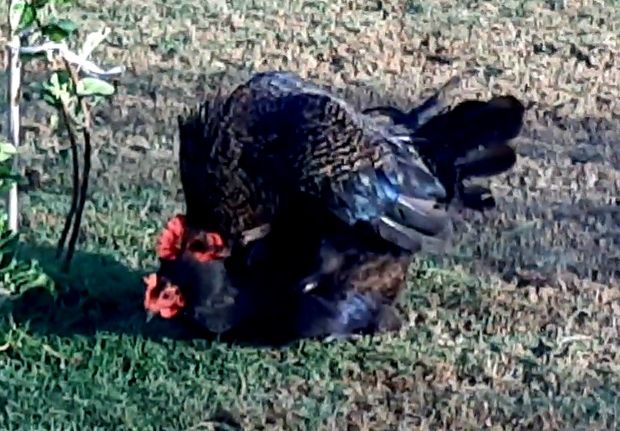
spotted rooster mating a black hen on the grass outside

Chicken Mating Behavior

  • Once roosters are sexually mature, they’re ready to mate all the time. And depending on the breed, they don’t slow down for years, especially if you add competition. 
  • Plus, roos woo their potential mate by doing a little dance and spreading their wing feathers downward. 
  • And if the hen is willing, she lowers herself down so he can mount her. He stands on her while grasping her neck feathers with his beak. 
  • But, even if she isn’t willing, it doesn’t mean the rooster will let her go. He just might chase her down and take her anyway. It makes for an interesting show, because usually he doesn’t succeed.

Duck Mating Behavior

  • Conversely, both male and female ducks bob their heads, as if they were flirting with each other. (And don’t forget Bakugo who always bobs her head at Megatron, my rooster). But in the water it’s signaling more than flirting. 
  • So, a willing female partner will elongate her neck and flatten her back in preparation for her male partner. Sometimes it can be another female partner as well. (It happens). 
  • Then the drake will stand on the female before grabbing the back of her neck and doing his business. 
  • After copulating the male makes a grunt-whistle, which he does above water. And when our drakes are finished having sex, they vacate the sex pool to go clean themselves in a separate pool.

Keeping Ducks and Chickens Together

mixed flock of birds outside on grass in shade

At this point you may be wondering if you should even try raising ducks and chickens together. But don’t worry. Keeping chickens and ducks is definitely possible. And it isn’t difficult. There are just some pointers about both you need to keep in mind, such as

  • have a body of water for your ducks to access. Not only do they need this for mating activities, but they need it to keep their feathers water-proof. 
  • If your chickens get near this source of water, they will likely drink from it. That’s ok too. Just clean it out a couple of times a day, providing fresh, clean water. 
  • While your chickens won’t get in the water, chicks might flit around and fall in. So be careful with any chicks you have or might get.
  • Whereas chickens roost at night, ducks sleep on the floor. And be sure to have enough space for all the birds.
  • Both ducks and chickens can eat the same food.
  • Some chicken breeds and duck breeds aren’t as aggressive as others. Therefore, if you have the perfect ratios and space, aggression in drakes and roosters is probably more breed specific. For instance, we have Pekin and hybrid Mallard drakes and Ameraucana roosters, and none of them have come to blows. Except when we had too many males.

So, Can a Duck and Chicken Breed

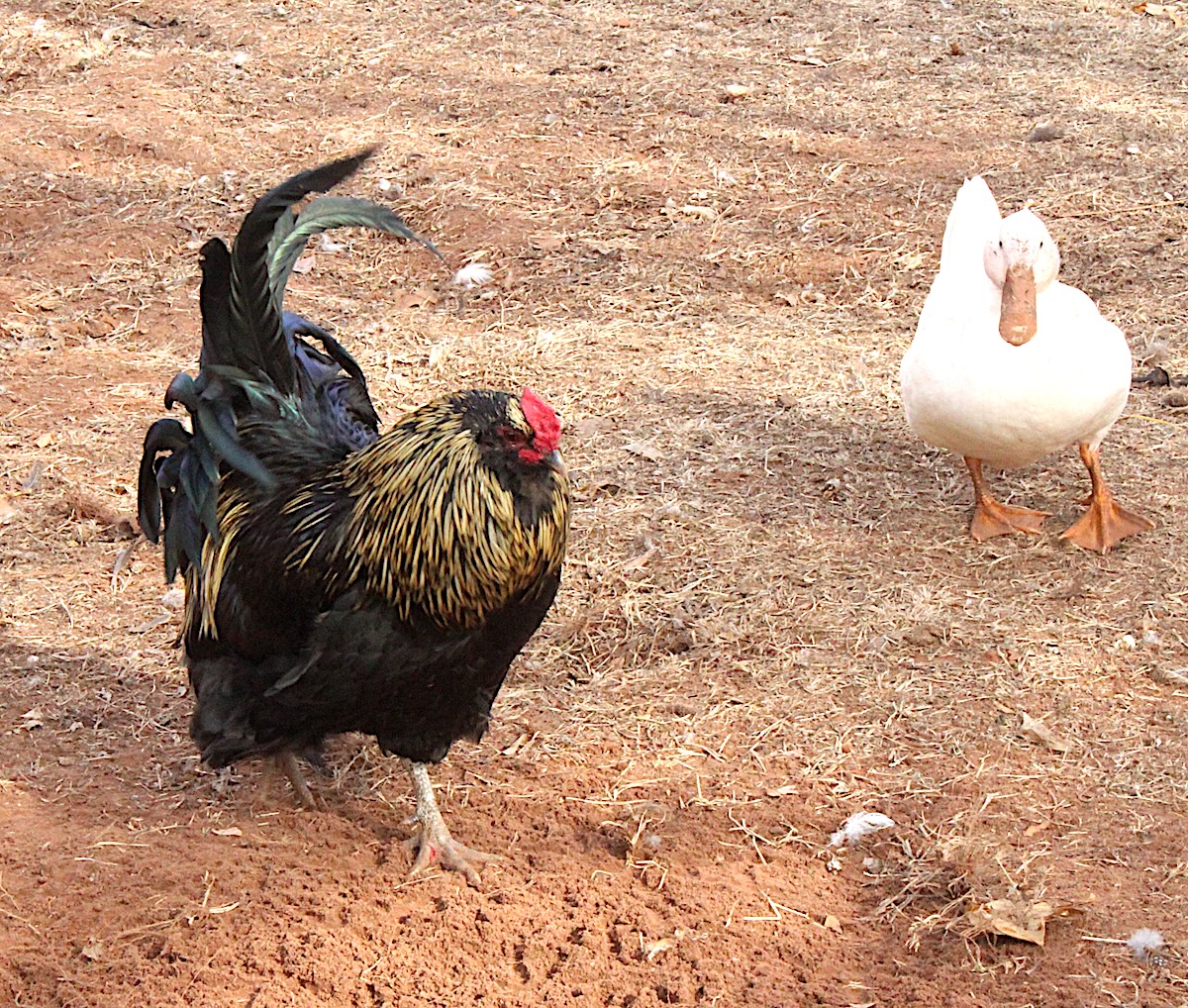
white duck next to a black rooster with mixed flock of birds around them

Despite the fact that a duck and chicken can mate, it’s not something that should be allowed. Granted, if a rooster mates with a duck, she’ll be ok. But, if a drake mates with a chicken, it could be deadly. Additionally, the main reasons ducks and chickens try to mate is due to overcrowding and too many males. Alternatively, because producing offspring hasn’t successfully occurred, it’s safe to assume ducks and chickens can’t breed.

We had to cull 4 roosters a few weeks ago, and the 2 extra drakes last weekend. And I have no idea how many male guineas we have. But so far, they haven’t bothered any females, other than their own kind. If you keep males with your birds and incubate eggs or have broody hens, you might find yourself in similar situations: too many males at times. It doesn’t always happen, but it frequently does. Usually I can tell pretty early which will be female and which male. However, we don’t want to cull them too early, because we eat those ones. Thus, we watch the flock dynamics, making sure everyone is getting along. Although in my house, I’ll tell my husband for a few weeks it’s time to cull the boys until he’s finally ready. And typically he’s waiting for the weather. Something about being a hunter, I think. By the time that happens, I get to see a lot of crazy bird behavior before things settle down again.

Do you have ducks and chickens? Have your birds ever tried mating with each other? What caused them to do so? And how did you handle it? 

Thanks for stopping by! Please like, share, and if you haven’t already done so, you can follow me now.

https://chickcozy.com/kristinasmith
Categories
ducks guineas Hens other fowl raising happy, healthy chickens Roosters

How Do Birds Find a Mate

I use affiliate links to support my content at no extra cost to you.

Early spring marks the start of mating season for most birds, both wild and domesticated. But how do birds find a mate? No doubt many of you are aware of courtship displays among birds. However, how, in particular, do ducks and chickens find mates? While it’s likely you know what a rooster dance is, how do ducks exhibit their desires? In addition, how do ducks and chickens recognize their mates? Moreover, how do they distinguish between male and female within their own species, and that of another? 

A lot of birds, including chickens, are recognized by sex visually, as you’ll see below. However, it’s not so simple with ducks. For instance, we only have 2 kinds of ducks in our backyard: Pekin and hybrid Mallards. Hence, they all look similar by grouping in size and color. The only obvious difference are the tail feathers on the males. Rather than being straight like a female, they curve or curl upward. Well, not long ago we had an Olive Egger we named Benjamin Franklin. And he was a little odd. 

Since his egg hatched the same time the guinea and duck eggs hatched, we raised him with them when he was a chick. But when he was a juvenile, we tried moving him in with the other juvenile chickens. Though, he resisted and kept going back to his original family, the ducks and guineas. However, as he got older, he’d do chicken things, like foraging and hanging out a little bit with the other juvenile roos. Though he’d always go back to his family. Eventually he started having rooster urges, like mating, but not toward any of the female chickens. He would only try to mate with the female ducks. But how did he know which of the ducks were female, and which were male? Join me as I attempt to answer these questions.

How Do Birds Find a Mate

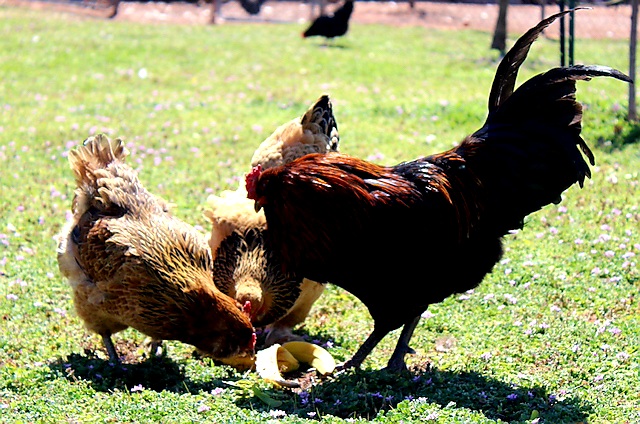
dark red rooster with 2 yellow hens eating a banana peel outside on the grass
Ravage already did his tidbitting, and now he’s sharing a banana peel.

Before a male bird performs for his intended, it’s logical for there to first be attraction. Thus, what causes roosters and hens to be attracted to each other? Likewise, what about ducks? Or, as in the case of my wayward juvenile rooster, what causes cross-species attraction?

What Attracts Roosters & Drakes to the Opposite Sex, and Vice-versa

Mainly what attracts both ducks and chickens to the opposite sex is all about the looks, such as

  • color

While both sexes prefer red combs, female chickens also look for red wattles, and red eye color of potential mates. For chickens, red is a sign of health and fertility. And female ducks fancy blue plumage in a drake, which indicates reproductive strength. It’s also referred to as a special breeding plumage. Female ducks lack breeding plumage, with the exception of the Paradise Shelduck in New Zealand.

Most of our female chickens are black, black and white, or gray. Not very exciting if you ask me. However, for a short time we had one Rhode Island Red hen named Jango. She was middle-aged, and all the boys liked her. She saw more action than the rest of the hens combined. I always wondered if it was because the guys liked red-heads.

  • size

Again, chickens of both sexes lean toward birds with bigger combs. However, comb length isn’t a consideration. And female ducks pick smaller drakes over larger ones. 

  • plumage

It seems both female ducks and chickens go with flashy plumage. For ducks, it has to be the best. Additionally, whether it’s the best ornamental feathers a rooster has or not is up to each female chicken’s interpretation, I suppose. But that’s what a hen looks for.

  • social display

It’s at this point that the courtship displays come into play. And both roos and drakes have them. According to those in the know, roosters have 3 types of courtship displays: waltz, nesting, and feeding. Though, for a female chicken, the first two don’t affect her as much. Rather, if female chickens are attracted to males, it’s usually via tidbitting. Moreover, female ducks choose the most skillful performer.

  • and food

Whether it’s food that males ingest themselves or offer to a potential mate, it has an effect on how well they’re received by females. In one study, female ducks preferred drakes that ate free-choice. It was probably more due to physique than the actual feed or schedule. I assume the drakes that ate free choice looked healthier. And female chickens are lured to roosters by type of treat he’s tidbitting instead of just his call. That makes sense, especially as some roos tidbit leaves or trash. The girls have priorities.

How Ducks and Chickens Recognize Mates, and Males and Females of Other Species

spotted rooster grabbing a white Pekin from behind outside on dirt ground
This is the only shot I was able to get of Benjamin Franklin trying to mate one of the ducks. But it certainly wasn’t the only time.
  • Vocalization

Scientists found that chickens make around 30 sounds, 19 of which are identifiable. And both chickens and ducks can recognize members of their own species, and other signals, by vocalization. In addition, according to the University of Maryland Extension, chick embryos are able to hear around the 12th day of embryonic development. Ducklings also vocalize to each other days before hatching to synchronize their hatch day. And moms of both species communicate vocally to their young while brooding.

  • Imprint at hatch

Imprinting is a quick learning method that occurs at a young age in social animals. Plus, it’s typically a result of visual and vocal cues, which lead us to the next item.

  • Visual

Vision helps chicks identify and recognize their family. Though, studies claim hearing is more reliable. Additionally, chickens rely on vision for their hierarchy. But vision alone isn’t foolproof. For example, one day Chopper, one of our older ‘Cauna hens, wanted to dustbathe. But Loki, a Sex-link hen, was in the spot she wanted. Chop thought Loki was just another random black hen, because we have so many. She proceeded to bully Loki and almost got killed. Even though they were both on the same spot of the pecking order, Loki was a lot bigger. Alternatively, ducklings know their mom and siblings on sight. After all, it’s part of imprinting.

  • Smell

It was initially believed that birds, including chickens, had a poor sense of smell. But studies have demonstrated chickens react to olfactory stimuli, especially in the absence of visual and auditory cues. In addition, this study revealed that chicks form behavioral associations with distinct odors that are added while they’re still in the egg. Thus, chicks can recall scents from the nest before they even hatch. 

And in this experiment, it seems smell is a factor for ducks finding a mate. Even though it’s established that chickens have individual body odors and respond to familiar smells, I couldn’t find anything supporting the same in chickens. Therefore, olfaction could have an effect on mate choice with chickens, and we just don’t know it yet.

  • and Pheromones

Lastly, pheromones go hand in hand with the sense of smell, especially regarding mate choice and reproduction. But since birds weren’t thought to have a sense of smell, so too they obviously couldn’t have pheromones. Although, as more and more research has shown, birds, like chickens and ducks, do have a sense of smell. It would be logical to assume then that they also release pheromones, or at the very least, their very own unique perfume.

Both ducks and chickens have a uropygial gland, aka the preen gland, which is located at the base of their tail feathers. In ducks this gland secretes a waxy fluid, which helps water-proof them. On the other hand, chickens don’t require water-proofing, but the gland still secretes an oily substance. Besides feather care, what other purpose could this serve in chickens? Additionally, it has been observed that both species emit different odors from this gland. And distinct studies on both species conclude the secretions from this gland are likely pheromones.

So, How do Birds Find a Mate

mixed flock of chickens and roosters on the grass outside in the sun

Most birds, including chickens and ducks, find mates based on color, size, and plumage. After this point, the males try to win their intended’s affection by performing a courtship display. And for some birds, like ducks, only the best performer will succeed. But don’t discount the importance of food in the bird dating game. Moreover, birds recognize each other by sound and smell often in the embryonic stage, especially if incubated together. And it’s only after hatch that they visually recognize each other.

Since my species-confused rooster was incubated and raised with guineas and ducks, it’s a possibility that he could also recognize the sounds and smells of the guineas and ducks in ova as well. And when he hatched, he could very well have imprinted on them, recognizing them as family by all of his senses. Therefore, with this insight, it also seems plausible that he would be able to distinguish between male and female. Are you wondering why Benjamin Franklin chose a duck to love instead of a guinea hen? It’s obvious to me: ducks are way smarter compared to guineas.

Have you noticed your chickens were more responsive to a particular mate, or chose one over another? Do you think there are other ways birds can recognize each other?

Thank you for stopping by! Please like, share, and if you don’t already follow me, you can do so now.

https://chickcozy.com/kristinasmith
Categories
Extras recipes

15 Bean Soup with Sausage Recipe

On cold winter days nothing says comfort quite like hearty soups. And they’re typically easy to make. Start with a base of chicken or vegetable stock, add vegetables, a grain, and seasonings. Plus, whether or not you add meat is totally up to you. Moreover, you don’t have to follow recipes exactly. Ultimately they’re up to your imagination. For instance, this 15 bean soup with sausage recipe is traditionally made with ham and bay leaves. Since I didn’t have any ham, I used Italian sausage that I did have. And I leaned toward more Italian spices as well. It was delicious. Furthermore, I made this in my electric pressure cooker. But it can easily convert to the stove, if you prefer. I hope you enjoy.

Ingredients for 15 Bean Soup with Sausage Recipe

  • 3 tbsp olive oil
  • 1 1/2 lbs 15 bean soup, any brand (rinsed and soaked)
  • 1 lb Italian sausage
  • 2 carrots, peeled and chopped
  • 3 celery stalks, chopped
  • 1 medium red onion, chopped
  • 1 tbsp fresh minced garlic
  • 6 c vegetable broth
  • 4 1/2 c water
  • salt and pepper to taste
  • 2 tbsp each dried basil and oregano
  • 1 can diced tomatoes with juice
  • 12 oz frozen spinach
  • and 1 1/2 c – 2 c cooked rice
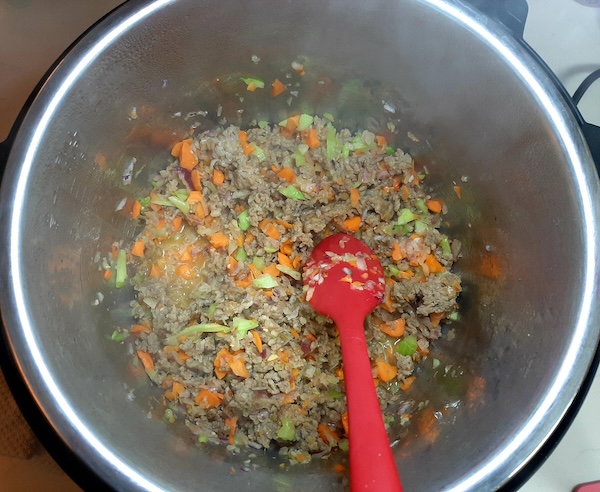
pot of ground meat, celery, and carrots sautéing

15 Bean Soup with Sausage Ingredients

  • First, add olive oil to Instant Pot and press sauté; add sausage and sauté till almost brown, stirring.
  • Next, stir in carrot, celery, onion, garlic, and sauté till vegetables are soft, about 5 minutes more.
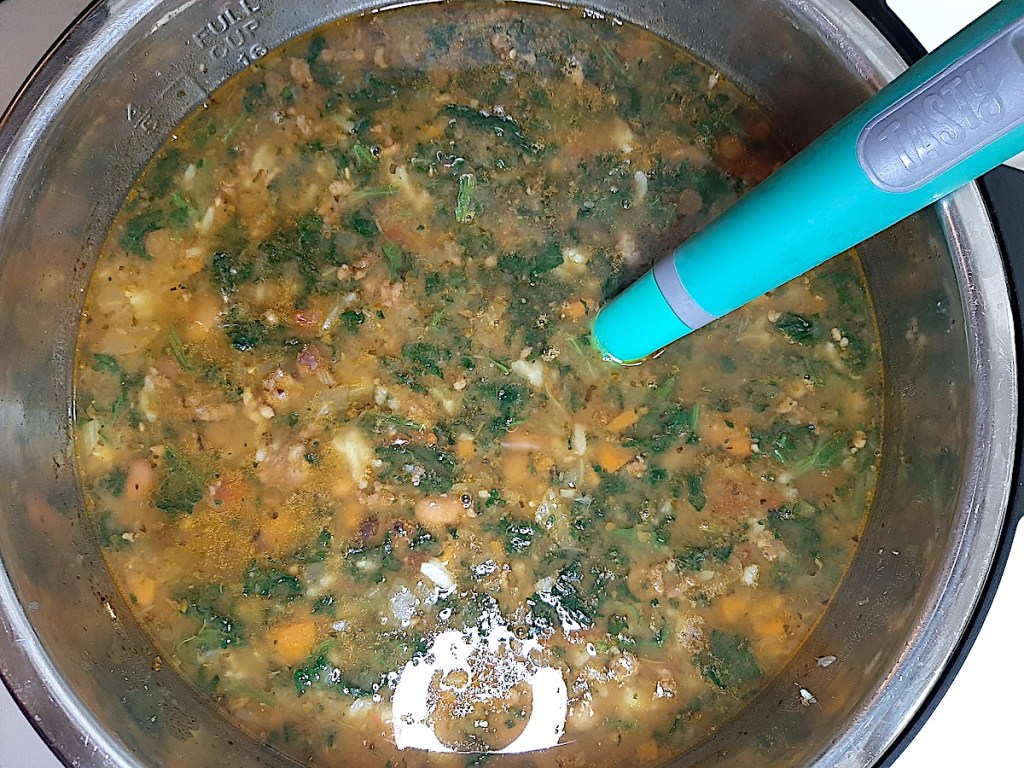
  • Then stir in beans, broth, water, seasonings, and diced tomatoes. Lock lid in place and press Manual or Pressure Cook button. Select High and cook for 1 hour.
  • When time is finished, let steam pressure release normally. While it’s releasing, cook spinach according to directions on package. And then unlock and remove lid on Instant Pot. Add spinach and cooked rice to Instant Pot, stirring till well combined.
  • Finally, serve and eat immediately.
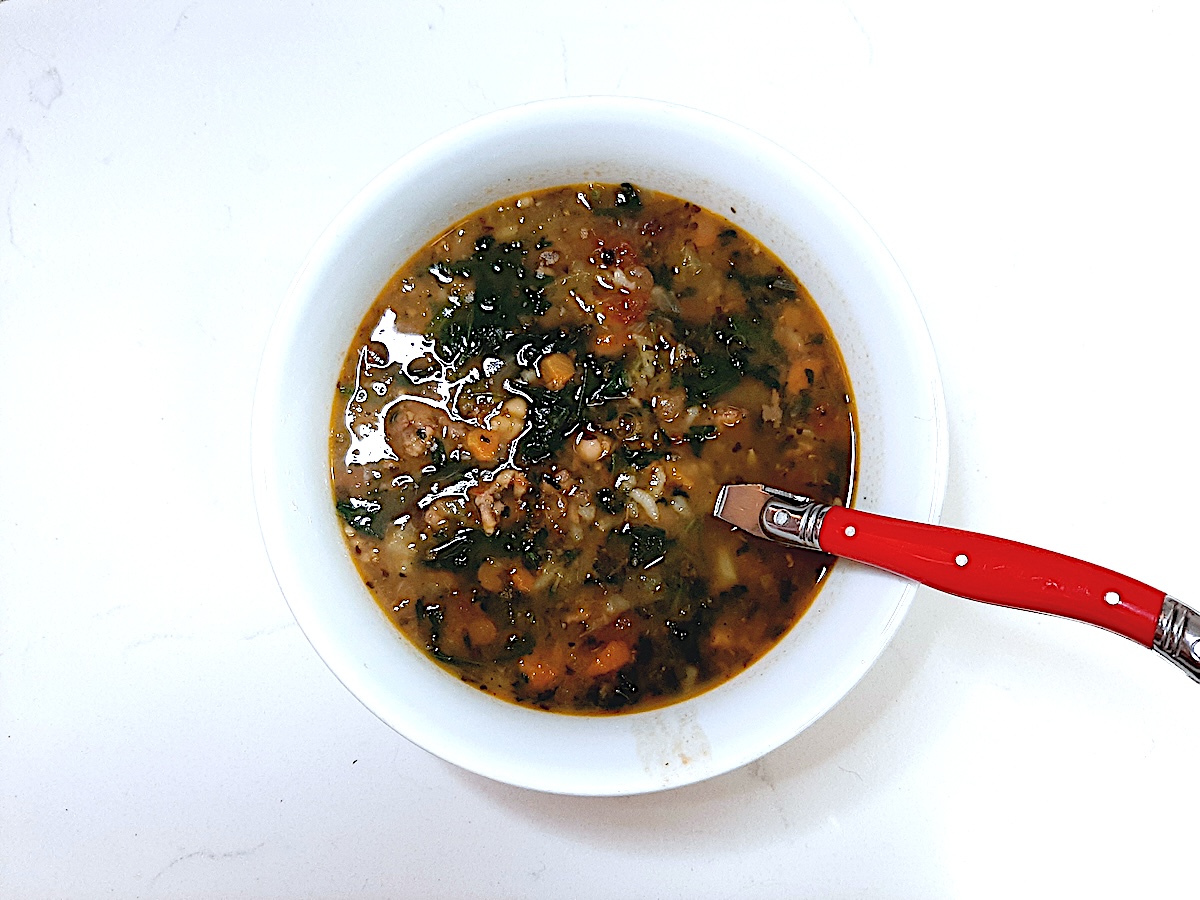
pot of soup with tomatoes, greens, tomatoes, and indistinguishable other items

What did you think of this recipe? Do you have a favorite winter soup recipe? 

Thank you for reading this post. Please like, share, and if you don’t already follow me, you can do so now.

Categories
dogs non-fowl

Why is My Dog Shedding So Bad in the Winter

I use affiliate links to support my content at no extra cost to you.

It’s that time of year again. The time when dust bunnies, made up of more fur than dust, gather everywhere, including on you. But we’ve just had some arctic weather and ice, at least where I live. So, you ask yourself, “Why is my dog shedding so bad in the winter? I thought they’d need their coat in this.” Even though it seems contradictory occurring in the middle of below freezing temperatures, it’s in fact typical for double-coated dogs. However, this kind of shedding is called “blowing their coat“. When you pet your dog and your hand comes away with a pile of fur, your dog just might be blowing their coat.

Most dogs shed, even hypoallergenic ones to some degree. Although, how often and how much they shed differs by breed and coat type. Moreover, shedding is usually normal. Though, there are times when it can indicate something else is going on with your dog.

Reasons Why Dogs Shed So Bad in the Winter

tan mixed breed dog with dog shirt and dog shoes on standing inside on a wood floor

Seasonal Changes

Again, the number one reason dogs shed during winter is because it’s perfectly normal. And most dogs shed year round. Excluding completely hairless dogs, most dogs lose a few strands at a time all year long. Fur grows in cycles: new growth to resting stage to dormancy before it falls out. This shedding is merely the process where the fur falls out to be replaced by new fur.

Whereas fur normally sheds over the course of time, seasonal changes speed up the process for many breeds with double-coats. Dogs like Aussies, Siberian huskies, and labradors with double-coats have a longer, water-resistant top-coat and a shorter, thicker undercoat for warmth. Temperature and daylight changes cause double-coated dogs to blow their coats in preparation for the upcoming season.

Dogs shedding bad in winter, or seasonal periods of heavy shedding, occur only twice a year. Usually they start in fall and spring, which is why dogs might shed crazy in winter. They’re losing their summer coat to grow in the new winter one. And depending on your dog’s breed, this particular reason for shedding lasts from 2 to 4 weeks each season.

Dry, Itchy Skin

Not only does winter affect your fur baby’s shedding cycle, but sometimes dogs may not drink as much water during winter. However, during both summer and winter, keeping your dog hydrated is extremely important for their health, including their skin and to prevent shedding. In addition, if it’s freezing and windy out, the weather can affect your dog’s skin regardless of whether they’re drinking plenty of water or not.

Another source of dry, itchy skin is food allergies or intolerance, which is a typical cause of shedding. Furthermore, it can also cause skin infections. Not only will the fur fall out, sometimes there can be areas of complete hair loss.

There are some ways to address your dog’s shedding if it’s due to dry, itchy skin. First, if you have a small, single-coat dog, limit their exposure outside. Or make sure to bundle them up prior to letting them out. And once they cue you to be let back in, promptly let them back inside. Also, using a humidifier in your home will help manage the dry air inside your house. Although, if you’ve modified your dog’s food and notice actual areas of fur or hair loss or skin abnormalities, call your veterinarian.

Inadequate Diet

Apart from seasonal changes, another source of intense shedding in dogs include a deficient diet. Veterinarians have long known that nutrition has an effect on the health of your dog’s skin and coat, for good or bad. Dog hair or fur is roughly 95% protein. In addition, natural hair growth and skin keratinization in dogs result in a need for protein. 

While cheap dog foods might meet minimum quality requirements, they may not have enough protein or nutrients for your dog. Therefore, pick higher quality dog foods that satisfy nutritional requirements established by the Association of American Feed Control Officials (AAFCO). AAFCO is a non-profit that sets standards for the quality and safety of animal and pet food. Additionally, many states implement AAFCO models. Or they use them in regulating feed and pet food. Plus, if your dog is eating food under the AAFCO model, they won’t need supplements, unless directed by your veterinarian. 

Infrequent Grooming

For most dogs, regardless of breed, routine grooming is necessary year round. Though, for double-coated breeds, when their winter coat comes in, it’s even more of a priority. While long-haired dogs need regular grooming to prevent their fur from matting, short-haired dogs usually only require weekly brushing.

According to Wow Grooming, Rake-style brushes remove dirt and loose fur from a dog’s coat, and are better for double-coated breeds. And slicker brushes should be used on medium to long-haired dogs and on double-coated dogs to loosen the undercoat and ease out matts. Since a dog’s double coat helps regulate their temperature, don’t ever shave a double coated dog. It doesn’t resolve the issue of shedding. And it does more harm than good.

Health Problems

Whereas it’s certainly typical for double-coated dogs to shed in winter, sometimes the change in seasons isn’t the cause of excessive shedding. Food allergies, as I mentioned earlier, anxiety, and even certain medical conditions could cause your dog to shed more than usual.

If your dog is shedding excessively during which they also present other signs like hair loss, itchy skin, skin sores or infections, and weight and/or behavior changes, take them to the veterinarian. These symptoms could indicate an underlying illness.

In Conclusion

golden retriever standing on snow
Photo by Tomas Anunziata on Pexels.com

Provided your pooch is healthy, well fed and well watered, some additional shedding during winter isn’t a big deal. Though, you may not agree as you find yourself vacuuming more just to keep up with all the fur. Further, you can’t completely stop your dog from shedding. But regular brushing with the right tools will help clear out the dead fur before it falls out. And if you notice your dog with skin conditions, weight loss, or behavior changes in addition to excessive shedding, talk to your vet.

Do you have a double- or single-coated dog? And are you finding yourself picking up clumps of fur like me? How do you manage seasonal shedding?

Thank you for reading this. Please like, share, and if you don’t already follow me, you can do so now.

https://chickcozy.com/kristinasmith
Categories
Extras recipes

Brown Sugar Ginger Glazed Carrots

Usually when I make carrots, they’re in a soup or a stew. But occasionally, I’ll remember to cook them as a side like in this brown sugar ginger glazed carrots recipe. They’re an upgrade from more traditional glazed carrots recipes. With the liqueur, orange juice, ginger, and vanilla bean paste, it’s the perfect flavor.

In addition, I usually steam my vegetables in the microwave. Most of the time I’m cooking several things at once, so I don’t have the space on the stove. However, if you prefer steaming your carrots on the stove, go here. Just know that it will take longer to cook them since you have to wait for the water to boil. Please enjoy.

Ingredients for Brown Sugar Ginger Glazed Carrots

  • 2 lbs carrots, peeled & washed
  • 2 tbsp each butter, Tuaca liqueur or similar flavored liqueur, brown sugar, and orange juice
  • 1 tbsp honey
  • 1/2 tsp ginger and vanilla bean paste

Brown Sugar Ginger Glazed Carrots Instructions

  • First, cut carrots into julienne strips. (I used a grater.)
  • Next, place in a microwavable casserole dish with 1 tbsp of water; cover and microwave for 3 minutes to steam.
  • Then put the remaining ingredients in a pan on medium heat, and cook till thickened. 
  • Add carrots to pan, stirring till coated.
  • Finally, remove from heat and serve with your choice of meat.
clear glass dish with strips of carrots in it on a white background

Did you make this recipe? Or do you have a favorite side recipe for carrots that you make?

Thank you for visiting. Please like, share, and if you haven’t already done so, you can follow me now.

Categories
dogs non-fowl

How Cold is Too Cold to Leave Your Dog Outside

I use affiliate links to support my content at no extra cost to you.

Likely you know the dangers presented by leaving your pets out in the summer heat. However, did you know that winter weather produces severe risks to your pet’s health as well? Not long ago I wrote a post on chickens and cold weather. So today we’ll look at how cold is too cold to leave your dog outside. And I’ll offer tips to protect your pooch when they’re out in the cold.

Granted, some dog breeds delight and may even appear to do better in cold temperatures. Nevertheless, cold tolerant dog breeds can suffer consequences if exposed to freezing or below freezing temperatures for too long. Plus, other dogs don’t like the cold. And, as I said above, it can be hazardous.

A typical response to the question of how cold is too cold to leave your dog out is, “If it’s too cold for you, then it’s too cold for your dog“. Although, I disagree with that statement. For instance, today is sunny, windy, and in the 50s where I live. It looks like a beautiful day. Regardless, I was cold outside because of the wind, which is 20 mph currently. And based on the logic of the typical response, I shouldn’t let my dog outside. Despite that, I took her out, and she played hard, like she does. And when she was done, she sat panting under a tree with her ball. My point with this response is our own cold tolerance is different than our pet’s. Below you’ll see factors that affect your dog’s cold tolerance. Then after that are signs your dog is having a difficult time managing the cold.

How Cold is Too Cold to Leave Your Dog Outside

mountainside view covered in snow and fog
Photo by Pixabay on Pexels.com

Just like with chickens, there’s not really a number to put out there that you can go by. Further, cold tolerance is determined by your dog’s size, coat, health, age, and breed. Usually healthy large adult breed dogs with a double coat have better cold tolerance than puppies or older dogs, smaller breeds, dogs with a single coat, and dogs with pre-existing health issues.

Dogs Bred for the Cold

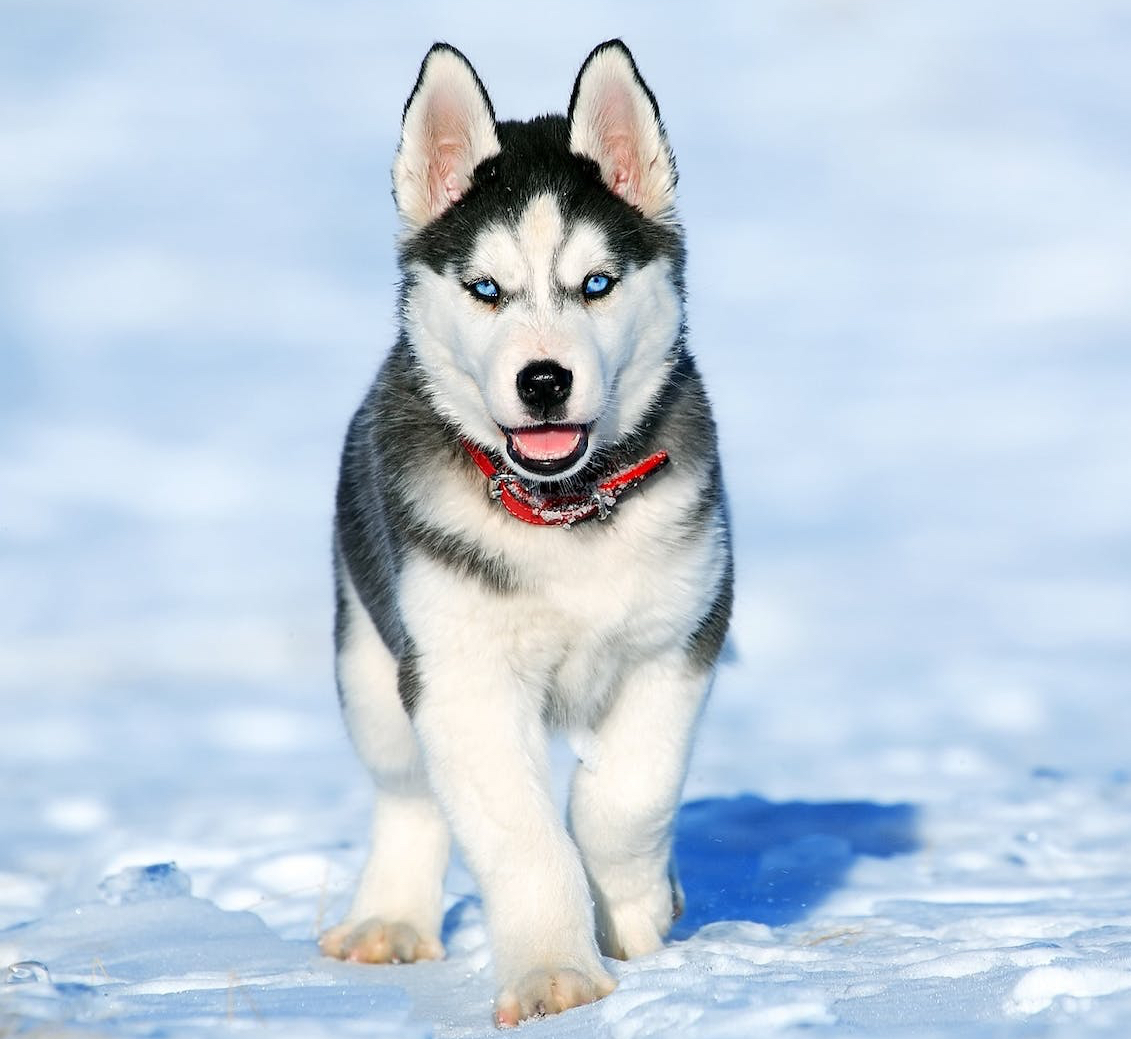
white and black Siberian Husky walking on the snow during daylight
Photo by Pixabay on Pexels.com

Some dog breeds can negotiate considerably colder weather better than people, such as

  • Alaskan Malamute
  • American Eskimo dog
  • Burmese Mountain dog
  • Great Pyrenees
  • Siberian Husky
  • Saint Bernard
  • Samoyed
  • and Tibetan Mastiff

These dogs have thick double coats that are also water-resistant. Since they were bred for the arctic, they prefer being in the cold. But they still need a wind and waterproof shelter with plenty of water from a freeze-proof water bowl if they’re outside for an extended period of time. And even these breeds can suffer the effects of freezing or below freezing weather, especially from prolonged exposure. If your dog isn’t enjoying their outside time, bring them in.

Dogs that can Endure the Cold Up to a Point

face shot of a black and white dog with snow on its head
Photo by Alotrobo on Pexels.com

Other double-coated dogs like labradors, border collies, and Aussies, love to play in winter weather too. But so do medium and large warm weather breeds. Although, they can’t necessarily tolerate staying outside for as long as the arctic breeds. Therefore, as long as they’re playing or running, they should be fine. All of our dogs have been double-coated dogs. And they preferred winter to summer. That’s when they came alive and seemed to have more energy to play.

Be sure to monitor your dog while they’re outside. If they’re a single coat dog and just relieving themselves, don’t leave them outside for more than 10-15 minutes without a dog coat. And if they show any symptoms of frostbite or hypothermia, bring them in immediately.

Dogs that Can’t Weather the Cold

a white poodle wearing an orange coat standing on the snow
Photo by Erik Mclean on Pexels.com

Small breeds, such as poodles, chihuahuas, dachshunds, and Italian greyhounds are definitely not as cold tolerant as larger breeds. First, they don’t have an undercoat to help insulate them. Moreover, if snow or ice is on the ground, smaller dogs will feel the cold faster than larger dogs. In addition, smaller dogs don’t have water-resistant coats like a double coat offers. And lastly, smaller dogs have less insulating body fat.

Again, puppies, older dogs, thin dogs and ones with health issues are more sensitive to the cold regardless of breed. And they can become ill with frostbite and hypothermia in no time at all.

Signs Your Dog Doesn’t Like the Cold

black and white short coated dog standing still in the snow
Photo by eberhard grossgasteiger on Pexels.com

Even if your dog enjoys playing in the snow or cold weather, they might give you signals when enough is enough, like

  • shivering
  • barking or whining at you
  • scratching at the door, indicating a clear desire to be inside
  • walking funny
  • standing still, lifting paws off the ground
  • tail tucking or hunched posture
  • hiding or running away
  • and/or unexpectedly anxious behavior

If your dog starts displaying any of the above behaviors, it’s time to get them inside. 

Signs of Hypothermia and Frostbite in Dogs

black and white terrier dog wearing a crochet red scarf in the snow
Photo by Benjamin Lehman on Pexels.com

A dog that either gets too cold or has prolonged exposure to cold temperatures could get hypothermia or frostbite. Hypothermia happens when a dog’s body temperature drops below normal. Signs your dog may have hypothermia include

  • being very cold but no longer shivering
  • sluggish and disoriented
  • shallow breathing
  • nose, ears, paws, and tail look pale
  • and internal body temperature is below 98°F

If your dog starts showing signs of hypothermia, wrap them in blankets or towels that are warm, NOT hot, from the dryer. And bring them to a warm room. Also, give them WARM fluids to drink. DON’T put your dog in a bath. That would be more harmful than beneficial.

With frostbite your dog’s nose, tail, ears, and paws are the most vulnerable. Symptoms include

  • skin that first appears pale or bluish white; then later is red and puffy
  • red or gray tinged skin on ears, tail or nose
  • skin that looks brittle or shriveled and stays cold to touch
  • pain in ears, tail, paws, or nose when touched
  • and ice crystals in or around the nose

It can be challenging identifying frostbite’s effect on your dog and may even take days to appear. Thus, make sure to inspect your dog’s paw pads and other extremities if they’ve been out in the cold. If you suspect your dog has frostbite, cover the affected area with a warm dry towel or blanket. And call your vet for advice.

How to Protect Your Dog During Winter

woman in a brown jacket walking her Corgi dog with a leash in the snow
Photo by cottonbro studio on Pexels.com

The following are tips on how to keep your fur baby safe while being out in cold and severe winter weather.

Check Extremities

After coming inside, don’t forget to inspect your dog’s extremities for any signs of discoloration. And trim the fur between the toes, so ice won’t accumulate.

Wipe Down

Whether your dog roams or you take them on walks, they could pick up de-icing products, antifreeze, or other toxic chemicals on their paws, legs, or belly. So, after getting home, thoroughly wash or wipe down your dog’s legs, feet, and belly to minimize any poison risk to your dog. Additionally, if you use de-icers, think about using pet-safe ones on your property to protect your pets.

Protect from Poison

Because a small amount of antifreeze can be fatal if ingested, quickly clean any spills. Further, put containers out of your dog’s reach. And since they can make your dog sick, make sure de-icers are stored and where they’ve been used can’t be accessed by your dog.

Skip the Car

You know cars in summer are a danger to pets. But leaving your dog in a cold car is a threat as well. Cars can become like a refrigerator quickly. So, limit car travel to only necessary trips. And don’t leave your dog unattended. Puppies, older, thin and sick dogs are more at-risk to the cold, and should not be left in a cold car.

Monitor Feed Intake

Maintain your dog at a healthy weight during winter. Some pet parents think a little additional padding offers their fur baby extra protection from the cold. However, the health cons outweigh any perceived benefits. Though, outdoor dogs need more calories in winter in order to produce enough energy and body heat to stay warm. For that reason, talk to your vet about your dog’s nutritional requirements for winter.

ID and Microchip

Considering more dogs are lost in winter than any other time, keep your dog’s collar on with current ID and contact info. Also, don’t forget to microchip your fur baby. Furthermore, when going on walks, use a leash to prevent getting separated. Plus, if you have a frozen pond or lake nearby, keep your dog on a leash. And steer clear of the frozen water. It may not support you or your dog. Additionally, if one or both of you break through, it would be dangerous.

Supply Shelter

If for some reason you can’t bring your dog inside during cold weather, provide a cozy, insulated shelter from the wind. The floor should be off the ground. And you want the shelter to be big enough for your pooch to move around in, but not so big they lose body heat. Bedding should be thick and dry and changed regularly to maintain a warm and dry environment. Avoid space heaters and heat lamps due to the risk of fires and burns. And always make sure your dog has access to plenty of fresh, unfrozen water.

Provide Clothes

Consider putting a sweater or dog coat on your fur baby if they have a single coat or appear to dislike the cold. Also, have a few to rotate out, so you always have a dry one to put on your dog the next time they go out. In addition, you can try booties to protect your dog’s feet and paws. But be sure they fit correctly.

To Summarize

3 medium sized dogs in the snow
Photo by Dmitry Egorov on Pexels.com

We can’t answer the question of how cold is too cold to leave your dog outside numerically or even based on our own comfort or discomfort. On the other hand, we can by looking at your dog’s cold tolerance. Your dog’s age, coat, health, size, and breed are the basis for answering the question. Puppies and elderly dogs, ill, thin, and single coat dogs should all be handled with care in the winter. But no dog, even cold tolerant breeds, should be left all day or night outside in below freezing temperatures, especially without wind proof shelter and unfrozen water. And if your dog is just standing around and starts shivering or whining, take them inside before they start developing hypothermia or frostbite.

Do you have a cold tolerant dog? How do you manage the winters with your fur baby where you live? 

Thank you for stopping by. Please like, share, and if you haven’t already done so, you can follow me now.

https://chickcozy.com/kristinasmith
Categories
Extras recipes

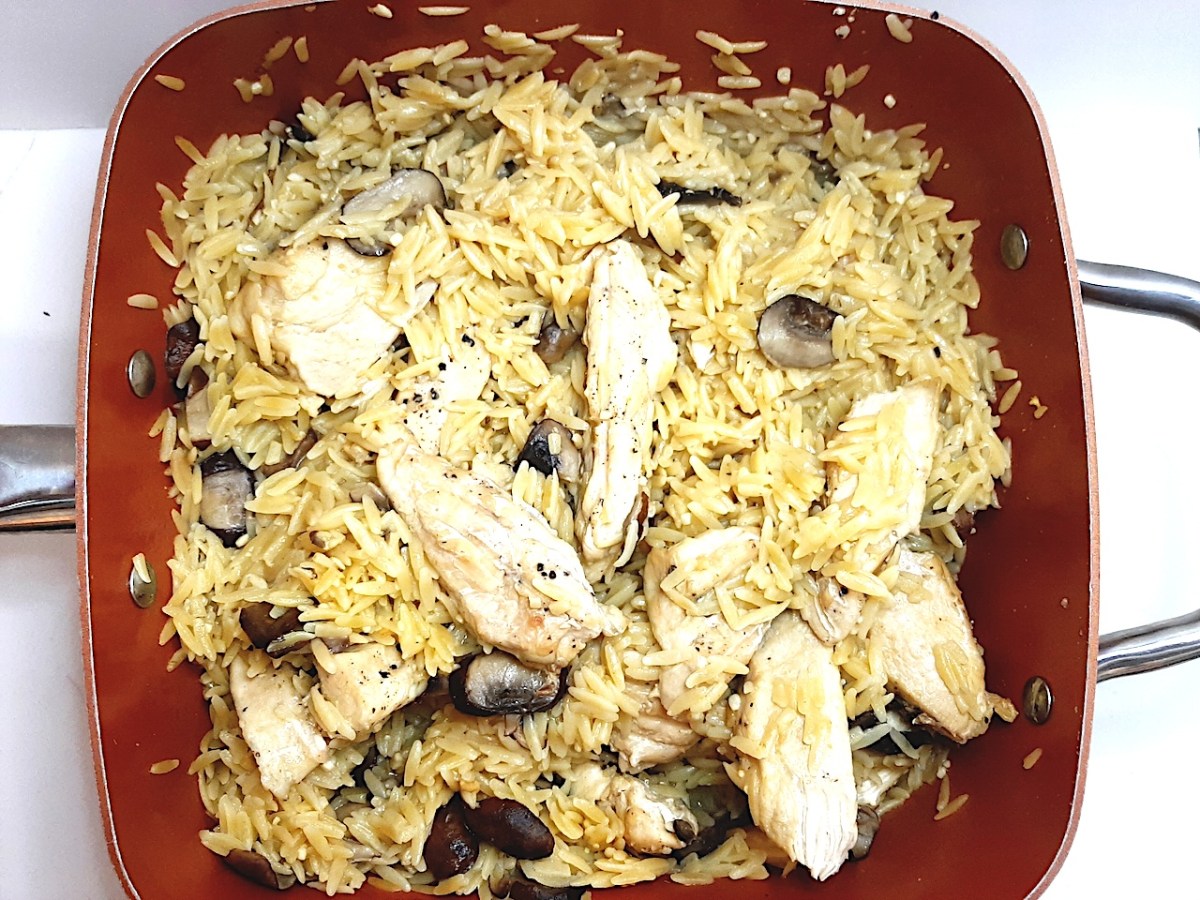
Chicken with Orzo Recipe

There are a lot of recipes out there featuring one pot chicken with orzo. But this isn’t one of them. Most of the time, unless I make steak, I use my NuWave oven to cook meat which is similar to an air fryer. It takes less time. Plus, the food isn’t greasy. And it cooks to perfection. 

Ingredients for Chicken with Orzo

  • 3 chicken breasts
  • salt and pepper
  • 3 tbsp butter
  • 1 lb uncooked orzo
  • 1 1/2 tbsp fresh minced garlic
  • 32 oz chicken broth
  • 1 cup of fresh baby bella mushrooms, sliced

Chicken with Orzo Instructions

  • First, season chicken with salt and pepper. Then cut the chicken breasts into 1 inch by 4 or 5 inch long strips.
  • Next, cook the chicken strips in an air fryer or NuWave oven according to the manufacturer’s instructions. I cooked my chicken strips in a NuWave oven for 7 minutes per side. And check internal temperature when timer goes off; 170° for chicken.
  • While chicken is cooking, start melting butter in a deep frying pan over medium heat. Then add orzo and stir till it’s all coated.
  • Next, stir in the garlic, stirring frequently, so the orzo turns golden.
  • Further, pour the chicken broth and mushrooms in with the orzo. Bring the orzo to a boil; then reduce to a simmer and cover. Cook for 12 – 15 minutes.
  • Then when the chicken is finished cooking, add it to the orzo.
  • Finally, serve with your favorite vegetable.
chicken strips on orzo with Brussel sprouts on a white plate

If you want to convert this to a one pot meal, you can. You would just cook the strips of chicken in the frying pan before the orzo. This was a hit for my family, even with more than one pan. 

Did you make this dish? What did you think? Do you prefer one pot meals? 

Thank you for reading this. Please like, share, and please follow if haven’t already done so.

Categories
All animals cats dogs non-fowl

How to Celebrate New Year’s Eve with Pets

Even though we’re near the end of the year, the holidays aren’t quite over yet. We still have one more day to celebrate. Therefore, before getting out the firecrackers or toasting Champagne, here are tips on how to celebrate New Year’s Eve with pets.

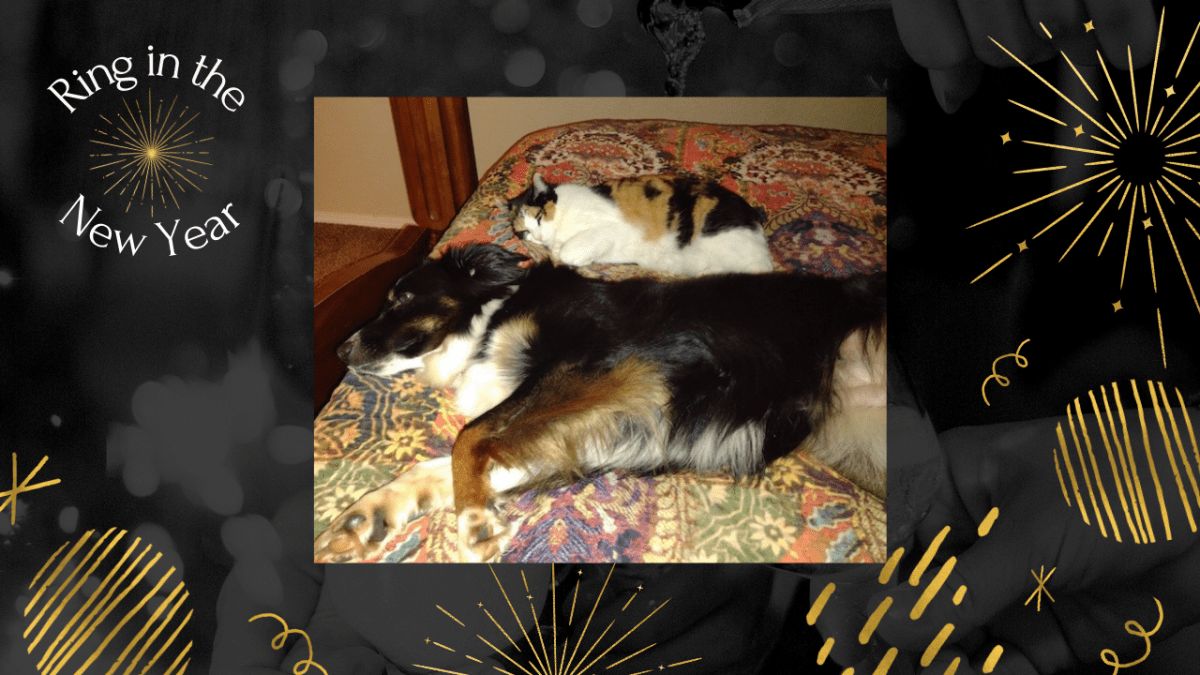
Pet parents, especially those with multiple pets, may choose to celebrate New Year’s Eve with their fur babies, like we typically do. In which case, I’ve outlined NYE ideas for both cats and dogs.

calico cat lying in between mango colored sheets and multi-colored bedspread
Itty hiding in the covers of my bed.

How to Celebrate New Year’s Eve with Pets

Invite Your Pet’s BFF

Since NYE is a big and loud celebration that can make your pet anxious, just stick to your closest buds that your pet knows well. Plus, having a small party minimizes anxiety for pets and people alike. Additionally, you’ll get to spend quality time with your fur baby and keep an eye on them.

Take a Nap With Your Fur Baby

In order to prep for the long night, consider taking a cozy nap during the day with your pet. That way you’ll both be refreshed for your evening.

Serve Holiday Treats

Keep people food away from pets, especially

  • alcohol
  • chocolate
  • salty snacks
  • meaty bones
  • onions
  • high fat and rich foods like cheese
  • processed meats like sausage and deli meats
  • and fried foods

Moreover, provide a garbage can for people with disposables that your pets can’t get into. In addition, either make your own homemade pet treats or buy some. However, don’t allow your friends to pass out the people food to your pet. And don’t forget to provide plenty of water for your fur baby.

Play With Your Pet

Due to the likelihood of loud noise with parties and fireworks, including during daytime hours, spend plenty of time entertaining your pet. Some ideas include puzzle toys, interactive toys, teasers and wands, balls, chew toys and tunnels. So, whether you have a dog, a cat, or both, there are plenty of items to choose from.

Avoid noisemakers

Both cats and dogs have more sensitive hearing than our own. Plus, NYE is the holiday most pets are reported lost, 2nd only to the 4th of July in the US. If you have the time before the event, you can try desensitizing your pet to loud noises. You can find animal desensitization digital recordings on YouTube to play for your pet to aid in being less reactive to loud noises. Further, during the event you can play pet-specific music to help calm your fur baby down.

Spruce up the House With Pet Friendly Decor

When decorating for your pet-friendly NYE party, recall that things that look fun to cats and dogs could be a hazard to them. Therefore, avoid decorating with

  • streamers
  • tinsel
  • garland
  • string lights
  • candles
  • toxic holiday plants
  • and confetti

Rather, use safer decor, like banners, LED strip lights, artificial plants, and flameless candles. And you can still pull off a holiday style.

Pass Out Party Favors

Both people and pets like party favors. Fill bags with treats, catnip, and pet toys.

Make a Safe Space

Even with all the preparations to have a fun time, your pet or their bestie still might get scared with all the noise. So in the event you see any indication of anxiety, be sure to provide a safe space for your fur baby, like a bedroom. Whether you put a crate in it or not, it’s just a spot for them to feel safe. Also, cats like to go under beds when they’re scared. Or, in my cat’s case, they might hide under the covers. Thus, access under a bed in important. But you can also place a pet bed, blankets, and toys in the room as well.

Other Reminders

Don’t forget to have your pet collared and ID’d with contact information in case they run out while your door is open.

brown and white pit bull lying on a wood floor in front of a blurred Christmas tree
Photo by Lorena Esparza on Pexels.com

In Summary

If you have furballs at home, you can have a great New Year’s Eve with them and your closest friends. Additionally, you can make it intimate and fun with all of the details featured above. But at the same time avoid all of the anxiety for your pet that comes with traditional NYE events. In the likelihood that you have both a cat and a dog, but they don’t get along, then I recommend keeping them separate so as to not distress one or the other. You know your own pets best.

Thank you for reading this. Let me know how your New Year’s went. And I hope all of you have a safe and happy New Year. Please like, share, and if you don’t already follow me, you can do so now.

Categories
Extras recipes

Prime Rib with Red Wine Sauce

Every Christmas, when Sam’s puts them on sale, I’ll buy a prime rib roast to make prime rib with red wine sauce. I use the same recipe I’ve been using since my husband and I got married almost 22 years ago. Though, like a lot of my recipes from when we first married, I won’t be able to tell you where it came from. Except that it was a very small cookbook.

This recipe is a family hit. And it never gets old. Plus, the sauce is the perfect combo for the roast. Moreover, it’s easy to make. I hope you enjoy it as much as we do.

top of a prime rib roast on a plate with minced garlic on it

Ingredients for the Roast:

  • 1 4-6 lb prime rib roast
  • 3 garlic cloves, minced
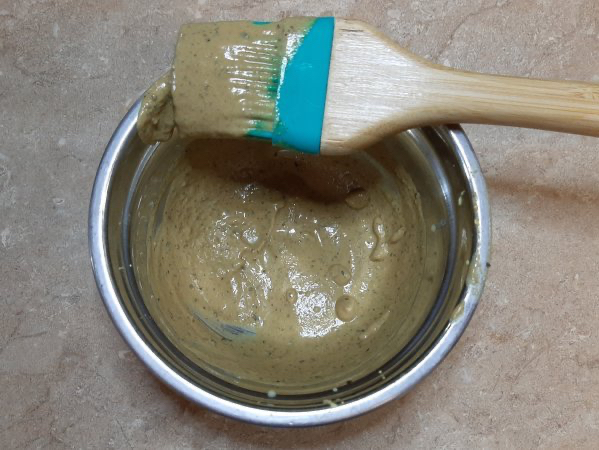
  • 1 tbsp each of coarsely ground mixed peppercorns, mustard seed, Worcestershire sauce, and Dijon mustard
dijon mustard yellow sauce in metal bowl with brush

Ingredients for the Wine Sauce:

  • 2 or 3 minced green onions
  • 1 c red Zinfandel wine; you can also use Pinot Noir or Merlot
  • 14 1/2 oz of ready-to-serve beef broth
  • 1/4 c all purpose flour
top of prime rib roast on plate with mustard sauce on it

Instructions for Prime Rib with Red Wine Sauce:

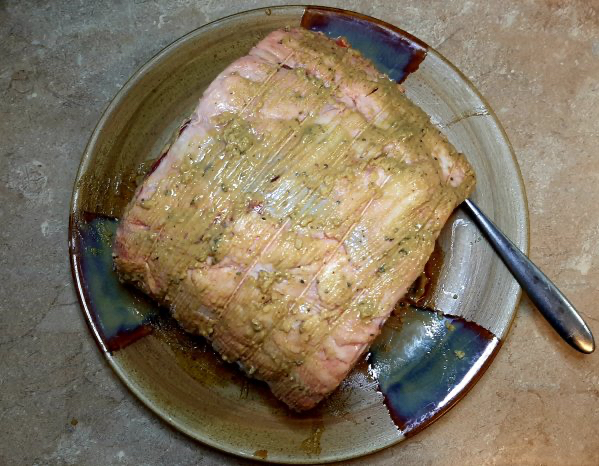
  • Heat oven to 450°F. With the tip of a knife, make shallow slits in surface of prime rib. Then insert minced garlic. Next, mix ground peppercorns, mustard seed, Worcestershire sauce and Dijon mustard well. And spread over the surface of the roast. Place the roast on a rack in a shallow roasting pan.
  • Bake at 450°F for 15 mins. Then reduce to 350 to cook for an additional hour to 1 1/2 hours. Or until meat thermometer inserted in the center registers 140°F for rare.
  • Remove the roast from the pan and cover with foil to keep warm. And remove all but 2 tbsp of drippings from the pan. Add the diced green onions, and cook over medium heat for 2-3 minutes or until the onions are tender. Then incorporate the wine. Continue cooking over medium high heat until mixture boils, scraping brown bits from the bottom of the pan.
  • In a small bowl, mix together broth and flour, and stir into wine mixture. Cook until mixture comes to a boil, stirring frequently. Then boil until slightly thickened. Finally, slice the roast, and serve with the sauce.
  • Finally, enjoy with your favorite sides.
white plate of prime rib with sauce, asparagus, and cranberry salad

What’s your family’s traditional meal for the holidays? Did you make this prime rib with red sauce? How did it go?

Thank you for stopping by! Please like, share, and if you haven’t already done so, you can follow me now.