Categories
dogs non-fowl

Why is My Dog Shedding So Bad in the Winter

I use affiliate links to support my content at no extra cost to you.

It’s that time of year again. The time when dust bunnies, made up of more fur than dust, gather everywhere, including on you. But we’ve just had some arctic weather and ice, at least where I live. So, you ask yourself, “Why is my dog shedding so bad in the winter? I thought they’d need their coat in this.” Even though it seems contradictory occurring in the middle of below freezing temperatures, it’s in fact typical for double-coated dogs. However, this kind of shedding is called “blowing their coat“. When you pet your dog and your hand comes away with a pile of fur, your dog just might be blowing their coat.

Most dogs shed, even hypoallergenic ones to some degree. Although, how often and how much they shed differs by breed and coat type. Moreover, shedding is usually normal. Though, there are times when it can indicate something else is going on with your dog.

Reasons Why Dogs Shed So Bad in the Winter

tan mixed breed dog with dog shirt and dog shoes on standing inside on a wood floor

Seasonal Changes

Again, the number one reason dogs shed during winter is because it’s perfectly normal. And most dogs shed year round. Excluding completely hairless dogs, most dogs lose a few strands at a time all year long. Fur grows in cycles: new growth to resting stage to dormancy before it falls out. This shedding is merely the process where the fur falls out to be replaced by new fur.

Whereas fur normally sheds over the course of time, seasonal changes speed up the process for many breeds with double-coats. Dogs like Aussies, Siberian huskies, and labradors with double-coats have a longer, water-resistant top-coat and a shorter, thicker undercoat for warmth. Temperature and daylight changes cause double-coated dogs to blow their coats in preparation for the upcoming season.

Dogs shedding bad in winter, or seasonal periods of heavy shedding, occur only twice a year. Usually they start in fall and spring, which is why dogs might shed crazy in winter. They’re losing their summer coat to grow in the new winter one. And depending on your dog’s breed, this particular reason for shedding lasts from 2 to 4 weeks each season.

Dry, Itchy Skin

Not only does winter affect your fur baby’s shedding cycle, but sometimes dogs may not drink as much water during winter. However, during both summer and winter, keeping your dog hydrated is extremely important for their health, including their skin and to prevent shedding. In addition, if it’s freezing and windy out, the weather can affect your dog’s skin regardless of whether they’re drinking plenty of water or not.

Another source of dry, itchy skin is food allergies or intolerance, which is a typical cause of shedding. Furthermore, it can also cause skin infections. Not only will the fur fall out, sometimes there can be areas of complete hair loss.

There are some ways to address your dog’s shedding if it’s due to dry, itchy skin. First, if you have a small, single-coat dog, limit their exposure outside. Or make sure to bundle them up prior to letting them out. And once they cue you to be let back in, promptly let them back inside. Also, using a humidifier in your home will help manage the dry air inside your house. Although, if you’ve modified your dog’s food and notice actual areas of fur or hair loss or skin abnormalities, call your veterinarian.

Inadequate Diet

Apart from seasonal changes, another source of intense shedding in dogs include a deficient diet. Veterinarians have long known that nutrition has an effect on the health of your dog’s skin and coat, for good or bad. Dog hair or fur is roughly 95% protein. In addition, natural hair growth and skin keratinization in dogs result in a need for protein. 

While cheap dog foods might meet minimum quality requirements, they may not have enough protein or nutrients for your dog. Therefore, pick higher quality dog foods that satisfy nutritional requirements established by the Association of American Feed Control Officials (AAFCO). AAFCO is a non-profit that sets standards for the quality and safety of animal and pet food. Additionally, many states implement AAFCO models. Or they use them in regulating feed and pet food. Plus, if your dog is eating food under the AAFCO model, they won’t need supplements, unless directed by your veterinarian. 

Infrequent Grooming

For most dogs, regardless of breed, routine grooming is necessary year round. Though, for double-coated breeds, when their winter coat comes in, it’s even more of a priority. While long-haired dogs need regular grooming to prevent their fur from matting, short-haired dogs usually only require weekly brushing.

According to Wow Grooming, Rake-style brushes remove dirt and loose fur from a dog’s coat, and are better for double-coated breeds. And slicker brushes should be used on medium to long-haired dogs and on double-coated dogs to loosen the undercoat and ease out matts. Since a dog’s double coat helps regulate their temperature, don’t ever shave a double coated dog. It doesn’t resolve the issue of shedding. And it does more harm than good.

Health Problems

Whereas it’s certainly typical for double-coated dogs to shed in winter, sometimes the change in seasons isn’t the cause of excessive shedding. Food allergies, as I mentioned earlier, anxiety, and even certain medical conditions could cause your dog to shed more than usual.

If your dog is shedding excessively during which they also present other signs like hair loss, itchy skin, skin sores or infections, and weight and/or behavior changes, take them to the veterinarian. These symptoms could indicate an underlying illness.

In Conclusion

golden retriever standing on snow
Photo by Tomas Anunziata on Pexels.com

Provided your pooch is healthy, well fed and well watered, some additional shedding during winter isn’t a big deal. Though, you may not agree as you find yourself vacuuming more just to keep up with all the fur. Further, you can’t completely stop your dog from shedding. But regular brushing with the right tools will help clear out the dead fur before it falls out. And if you notice your dog with skin conditions, weight loss, or behavior changes in addition to excessive shedding, talk to your vet.

Do you have a double- or single-coated dog? And are you finding yourself picking up clumps of fur like me? How do you manage seasonal shedding?

Thank you for reading this. Please like, share, and if you don’t already follow me, you can do so now.

https://chickcozy.com/kristinasmith
Categories
dogs non-fowl

How Cold is Too Cold to Leave Your Dog Outside

I use affiliate links to support my content at no extra cost to you.

Likely you know the dangers presented by leaving your pets out in the summer heat. However, did you know that winter weather produces severe risks to your pet’s health as well? Not long ago I wrote a post on chickens and cold weather. So today we’ll look at how cold is too cold to leave your dog outside. And I’ll offer tips to protect your pooch when they’re out in the cold.

Granted, some dog breeds delight and may even appear to do better in cold temperatures. Nevertheless, cold tolerant dog breeds can suffer consequences if exposed to freezing or below freezing temperatures for too long. Plus, other dogs don’t like the cold. And, as I said above, it can be hazardous.

A typical response to the question of how cold is too cold to leave your dog out is, “If it’s too cold for you, then it’s too cold for your dog“. Although, I disagree with that statement. For instance, today is sunny, windy, and in the 50s where I live. It looks like a beautiful day. Regardless, I was cold outside because of the wind, which is 20 mph currently. And based on the logic of the typical response, I shouldn’t let my dog outside. Despite that, I took her out, and she played hard, like she does. And when she was done, she sat panting under a tree with her ball. My point with this response is our own cold tolerance is different than our pet’s. Below you’ll see factors that affect your dog’s cold tolerance. Then after that are signs your dog is having a difficult time managing the cold.

How Cold is Too Cold to Leave Your Dog Outside

mountainside view covered in snow and fog
Photo by Pixabay on Pexels.com

Just like with chickens, there’s not really a number to put out there that you can go by. Further, cold tolerance is determined by your dog’s size, coat, health, age, and breed. Usually healthy large adult breed dogs with a double coat have better cold tolerance than puppies or older dogs, smaller breeds, dogs with a single coat, and dogs with pre-existing health issues.

Dogs Bred for the Cold

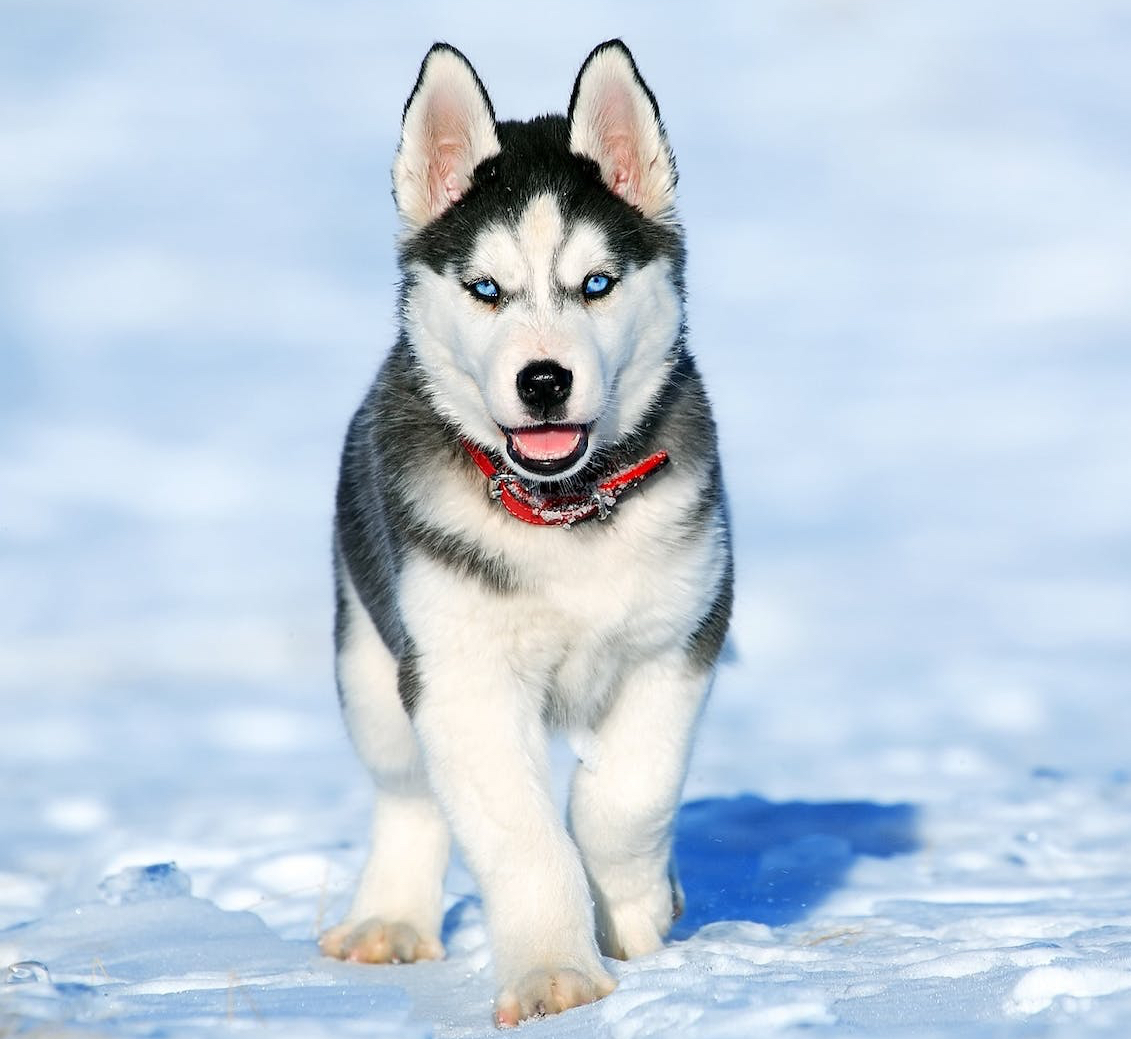
white and black Siberian Husky walking on the snow during daylight
Photo by Pixabay on Pexels.com

Some dog breeds can negotiate considerably colder weather better than people, such as

  • Alaskan Malamute
  • American Eskimo dog
  • Burmese Mountain dog
  • Great Pyrenees
  • Siberian Husky
  • Saint Bernard
  • Samoyed
  • and Tibetan Mastiff

These dogs have thick double coats that are also water-resistant. Since they were bred for the arctic, they prefer being in the cold. But they still need a wind and waterproof shelter with plenty of water from a freeze-proof water bowl if they’re outside for an extended period of time. And even these breeds can suffer the effects of freezing or below freezing weather, especially from prolonged exposure. If your dog isn’t enjoying their outside time, bring them in.

Dogs that can Endure the Cold Up to a Point

face shot of a black and white dog with snow on its head
Photo by Alotrobo on Pexels.com

Other double-coated dogs like labradors, border collies, and Aussies, love to play in winter weather too. But so do medium and large warm weather breeds. Although, they can’t necessarily tolerate staying outside for as long as the arctic breeds. Therefore, as long as they’re playing or running, they should be fine. All of our dogs have been double-coated dogs. And they preferred winter to summer. That’s when they came alive and seemed to have more energy to play.

Be sure to monitor your dog while they’re outside. If they’re a single coat dog and just relieving themselves, don’t leave them outside for more than 10-15 minutes without a dog coat. And if they show any symptoms of frostbite or hypothermia, bring them in immediately.

Dogs that Can’t Weather the Cold

a white poodle wearing an orange coat standing on the snow
Photo by Erik Mclean on Pexels.com

Small breeds, such as poodles, chihuahuas, dachshunds, and Italian greyhounds are definitely not as cold tolerant as larger breeds. First, they don’t have an undercoat to help insulate them. Moreover, if snow or ice is on the ground, smaller dogs will feel the cold faster than larger dogs. In addition, smaller dogs don’t have water-resistant coats like a double coat offers. And lastly, smaller dogs have less insulating body fat.

Again, puppies, older dogs, thin dogs and ones with health issues are more sensitive to the cold regardless of breed. And they can become ill with frostbite and hypothermia in no time at all.

Signs Your Dog Doesn’t Like the Cold

black and white short coated dog standing still in the snow
Photo by eberhard grossgasteiger on Pexels.com

Even if your dog enjoys playing in the snow or cold weather, they might give you signals when enough is enough, like

  • shivering
  • barking or whining at you
  • scratching at the door, indicating a clear desire to be inside
  • walking funny
  • standing still, lifting paws off the ground
  • tail tucking or hunched posture
  • hiding or running away
  • and/or unexpectedly anxious behavior

If your dog starts displaying any of the above behaviors, it’s time to get them inside. 

Signs of Hypothermia and Frostbite in Dogs

black and white terrier dog wearing a crochet red scarf in the snow
Photo by Benjamin Lehman on Pexels.com

A dog that either gets too cold or has prolonged exposure to cold temperatures could get hypothermia or frostbite. Hypothermia happens when a dog’s body temperature drops below normal. Signs your dog may have hypothermia include

  • being very cold but no longer shivering
  • sluggish and disoriented
  • shallow breathing
  • nose, ears, paws, and tail look pale
  • and internal body temperature is below 98°F

If your dog starts showing signs of hypothermia, wrap them in blankets or towels that are warm, NOT hot, from the dryer. And bring them to a warm room. Also, give them WARM fluids to drink. DON’T put your dog in a bath. That would be more harmful than beneficial.

With frostbite your dog’s nose, tail, ears, and paws are the most vulnerable. Symptoms include

  • skin that first appears pale or bluish white; then later is red and puffy
  • red or gray tinged skin on ears, tail or nose
  • skin that looks brittle or shriveled and stays cold to touch
  • pain in ears, tail, paws, or nose when touched
  • and ice crystals in or around the nose

It can be challenging identifying frostbite’s effect on your dog and may even take days to appear. Thus, make sure to inspect your dog’s paw pads and other extremities if they’ve been out in the cold. If you suspect your dog has frostbite, cover the affected area with a warm dry towel or blanket. And call your vet for advice.

How to Protect Your Dog During Winter

woman in a brown jacket walking her Corgi dog with a leash in the snow
Photo by cottonbro studio on Pexels.com

The following are tips on how to keep your fur baby safe while being out in cold and severe winter weather.

Check Extremities

After coming inside, don’t forget to inspect your dog’s extremities for any signs of discoloration. And trim the fur between the toes, so ice won’t accumulate.

Wipe Down

Whether your dog roams or you take them on walks, they could pick up de-icing products, antifreeze, or other toxic chemicals on their paws, legs, or belly. So, after getting home, thoroughly wash or wipe down your dog’s legs, feet, and belly to minimize any poison risk to your dog. Additionally, if you use de-icers, think about using pet-safe ones on your property to protect your pets.

Protect from Poison

Because a small amount of antifreeze can be fatal if ingested, quickly clean any spills. Further, put containers out of your dog’s reach. And since they can make your dog sick, make sure de-icers are stored and where they’ve been used can’t be accessed by your dog.

Skip the Car

You know cars in summer are a danger to pets. But leaving your dog in a cold car is a threat as well. Cars can become like a refrigerator quickly. So, limit car travel to only necessary trips. And don’t leave your dog unattended. Puppies, older, thin and sick dogs are more at-risk to the cold, and should not be left in a cold car.

Monitor Feed Intake

Maintain your dog at a healthy weight during winter. Some pet parents think a little additional padding offers their fur baby extra protection from the cold. However, the health cons outweigh any perceived benefits. Though, outdoor dogs need more calories in winter in order to produce enough energy and body heat to stay warm. For that reason, talk to your vet about your dog’s nutritional requirements for winter.

ID and Microchip

Considering more dogs are lost in winter than any other time, keep your dog’s collar on with current ID and contact info. Also, don’t forget to microchip your fur baby. Furthermore, when going on walks, use a leash to prevent getting separated. Plus, if you have a frozen pond or lake nearby, keep your dog on a leash. And steer clear of the frozen water. It may not support you or your dog. Additionally, if one or both of you break through, it would be dangerous.

Supply Shelter

If for some reason you can’t bring your dog inside during cold weather, provide a cozy, insulated shelter from the wind. The floor should be off the ground. And you want the shelter to be big enough for your pooch to move around in, but not so big they lose body heat. Bedding should be thick and dry and changed regularly to maintain a warm and dry environment. Avoid space heaters and heat lamps due to the risk of fires and burns. And always make sure your dog has access to plenty of fresh, unfrozen water.

Provide Clothes

Consider putting a sweater or dog coat on your fur baby if they have a single coat or appear to dislike the cold. Also, have a few to rotate out, so you always have a dry one to put on your dog the next time they go out. In addition, you can try booties to protect your dog’s feet and paws. But be sure they fit correctly.

To Summarize

3 medium sized dogs in the snow
Photo by Dmitry Egorov on Pexels.com

We can’t answer the question of how cold is too cold to leave your dog outside numerically or even based on our own comfort or discomfort. On the other hand, we can by looking at your dog’s cold tolerance. Your dog’s age, coat, health, size, and breed are the basis for answering the question. Puppies and elderly dogs, ill, thin, and single coat dogs should all be handled with care in the winter. But no dog, even cold tolerant breeds, should be left all day or night outside in below freezing temperatures, especially without wind proof shelter and unfrozen water. And if your dog is just standing around and starts shivering or whining, take them inside before they start developing hypothermia or frostbite.

Do you have a cold tolerant dog? How do you manage the winters with your fur baby where you live? 

Thank you for stopping by. Please like, share, and if you haven’t already done so, you can follow me now.

https://chickcozy.com/kristinasmith
Categories
dogs non-fowl

The Ultimate Guide to Dog Grooming

I use affiliate links to support my content at no extra cost to you.

When it comes to our furry companions, keeping them well-groomed is not just about appearances; it’s about their health and happiness. Welcome to the ultimate guide to dog grooming, where we’ll delve deep into the art and science of pampering your pooch. From bath time to brushing, we’ve got you covered.

Getting Started: Understanding Your Dog’s Coat

smiling woman wearing black shirt and torn jeans on the ground petting multiple different dogs around her
Photo by Blue Bird on Pexels.com

Before we dive into the nitty-gritty of dog grooming, it’s essential to understand that not all dogs are the same. Different breeds have different coat types, and each requires a tailored grooming approach. Whether your furry friend sports a short, smooth coat or long, luxurious fur, knowing their specific needs is crucial.

1. Short Coats: Sleek and Low Maintenance

Dogs with short coats, like Dachshunds or Beagles, are relatively low-maintenance in the grooming department. A weekly brush to remove loose hair and an occasional bath are usually sufficient. This coat type is perfect for those who want a clean, fuss-free companion.

2. Medium Coats: Striking a Balance

Breeds like Bulldogs and Labradors have medium-length coats that require a bit more attention. Regular brushing helps keep their fur in good condition, and a monthly bath keeps them smelling fresh.

3. Long Coats: The Fluffiest of Them All

Long-coated breeds, such as the Maltese or Shih Tzu, are the epitome of elegance. However, they demand a higher level of care. Daily brushing is essential to prevent matting, and regular trims are a must to keep their fur manageable.

Bath Time: The Right Way to Cleanse

brown and white border collie dog standing inside a white porcelain bathtub
Photo by Elina Volkova on Pexels.com

Bathing your dog is a crucial aspect of grooming, but it’s not as simple as filling up the tub and tossing them in. Here are some tips to ensure a successful bath time:

1. Gather Your Supplies

Before you start, make sure you have everything you need within arm’s reach. This includes dog-friendly shampoo, a towel, a brush, and treats for positive reinforcement.

2. Brush Before Bathing

Brushing your dog before the bath helps remove tangles and mats, making the bathing process more effective.

3. Use Lukewarm Water

Ensure the water temperature is comfortable for your pup, neither too hot nor too cold. Wet their fur thoroughly, avoiding their eyes and ears.

4. Shampoo Sparingly

Use a dog-specific shampoo, and lather it up gently. Be cautious around the face and ears, as dogs are sensitive in these areas.

5. Rinse Thoroughly

Rinse until the water runs clear, ensuring no shampoo residue remains. Incomplete rinsing can lead to skin irritation.

6. Dry and Reward

Use a towel to gently dry your dog. And if they tolerate it, you can finish with a low-heat blow dryer. Don’t forget to reward them for their patience and good behavior!

Brushing: More Than Skin Deep

person brushing a big white dog on a wooden floor
Photo by Yaroslav Shuraev on Pexels.com

Brushing isn’t just about making your dog look dapper; it’s a vital part of their overall well-being. Here’s why:

1. Removing Loose Hair

Regular brushing helps reduce shedding by removing loose fur, which is especially helpful for allergy sufferers.

2. Distributing Natural Oils

Brushing distributes your dog’s natural oils, promoting a healthy coat and skin.

3. Bonding Time

Brushing can be a bonding experience between you and your pet. It’s a moment of connection and relaxation for both of you.

4. Early Detection

While brushing, you can spot any lumps, bumps, or skin issues that may require veterinary attention.

Trimming and Styling: The Art of the Shears

small brown dog getting its fur cut by a person with scissors in their hands
Photo by Gustavo Fring on Pexels.com

Depending on your dog’s breed, regular trimming might be necessary to keep them comfortable and healthy. While some breeds require professional grooming, you can tackle basic trims at home with the right tools and techniques.

1. Nail Care

Trimming your dog’s nails is crucial to prevent overgrowth and discomfort. If you’re unsure how to do this safely, consult your veterinarian or a professional groomer.

2. Ear Maintenance

Check your dog’s ears regularly for signs of infection. And gently clean them as needed with a veterinarian-recommended solution.

3. Professional Grooming

For breeds with complex grooming needs, seeking the services of a professional groomer is a wise choice. They have the expertise and equipment to ensure your dog looks their best.

Maintaining Dental Hygiene: Don’t Forget the Pearly Whites

small hairy dog getting teeth cleaned with a small toothbrush
Photo by Gustavo Fring on Pexels.com

Just like us, dogs need dental care too. Neglecting oral hygiene can lead to dental disease, which can impact your dog’s overall health. Here’s how to keep those teeth in top shape:

1. Brushing Teeth

Yes, you can brush your dog’s teeth! Use a dog-specific toothbrush and toothpaste, and make it a part of your weekly routine.

2. Dental Chews and Toys

Provide dental chews and toys that promote teeth cleaning and gum health. They’re a tasty way to maintain oral hygiene.

3. Regular Vet Check-ups

Regular veterinary check-ups should include a dental examination. Your vet can advise on any necessary dental procedures.

Final Thoughts: A Happy, Healthy Dog

In this ultimate guide to dog grooming, we’ve covered the essentials of keeping your canine companion clean and healthy. Remember, grooming isn’t just about aesthetics; it’s about your dog’s well-being and comfort. Tailor your grooming routine to your dog’s specific needs, and you’ll have a happy, healthy pup by your side for years to come.

Now, go ahead and put this knowledge to use. Treat your furry friend to a spa day they’ll wag their tails about!

Author BioEmma Anderson from Shernbao USA has been involved with dog grooming for the past 15 years and now wants to share her experience and knowledge with others.
https://chickcozy.com/kristinasmith
Categories
Crazy Cute Pictures Extras

Very Cute Dog Pictures

Last week’s blog was of cute baby bird pictures. Today I’m posting very cute dog pictures. Whatever your preference for pet, these photos of man’s best friend will warm your heart.

very cute picture of lab mix dog

Charlee

This is Charlee. She’s a cute lab mix, who’s full of personality and high energy. And she likes to chase bunnies, frogs, and to dig. Things her owners swore they would disown her for. But they can’t, because they are crazy about her.

2 very cute, big dogs lying on top of each other

Bentley and Nikki

Nikki is the shepherd mix on the left, while Bentley is the lab mix on the right. She’s the boss in their relationship. However, when it comes to their owner, they’re both very attentive and faithful.

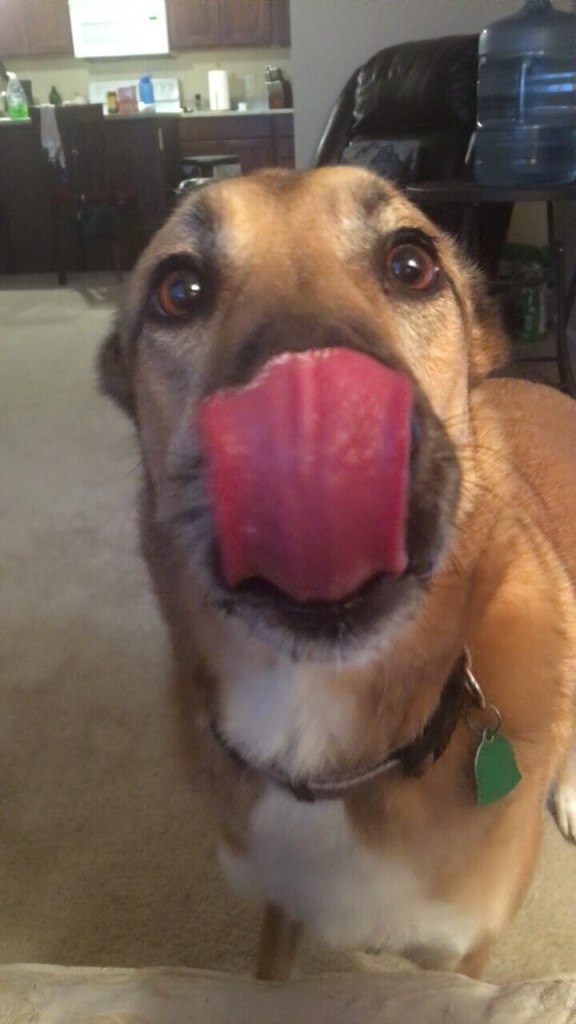
very cute picture of dog licking face

Samson

This is Samson, otherwise known as Courage the Cowardly Dog by his parents. Because, even though he’s almost 7 years old in human years, he’s still just a puppy at heart. That’s since he’s afraid of every little thing. But still we think he’s really cute!

picture of very cute pit bull mix dog

Oz

Ozma or Oz is a really cute half pit, half lab who loves to carry her own leash when out on walks. And she also loves to cuddle.

very cute pic of Sheltie driving

Moses

This is a really cute picture of our late dog Moses, in the driver’s seat. He loved to run around outside, and he was a great pet. We miss him very much!

really cute picture of labradoodle

Tessa

Tessa is a sweet labradoodle. She loves everyone and thinks a stranger she meets is her new best friend.

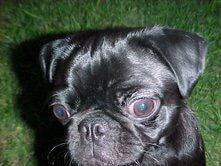
really cute pug

Maddie

This is a picture of Maddie, an absolutely sweet pug, who also is no longer with her family. But when she was, she would wait for her human to get home before she would eat her food. And she loved to get as close to her human as was physically possible.

cute dog with its tongue out

London

This is a very cute picture of London, who likes to lick faces. However, she knows she’s not supposed to. So, when her face is near her human’s face, she licks her own face, religiously.

cute labrador

Minti

Minti is another cute lab. And when her human is sitting down, she takes small steps, one at a time, to get closer till her head is in her human’s lap.