Categories
All animals non-fowl

What Animals Can Get Covid

We’re into our second year, continuing to deal with the ever-changing Covid, and all that entails.  Not to mention all of the confusion that still seems to surround this strange virus, including what animals can get Covid.

I recall learning about the first animal in the U.S. that contracted this disease.  It was a tiger at the Bronx Zoo in March 2020.  And since then, many more animals have gotten infected.  Moreover, recently in December 2021, two hippos tested positive for the virus at a Belgian Zoo.  Even though their symptoms were reportedly mild, they are thought to be the first of their species to get Covid.

What are Coronaviruses
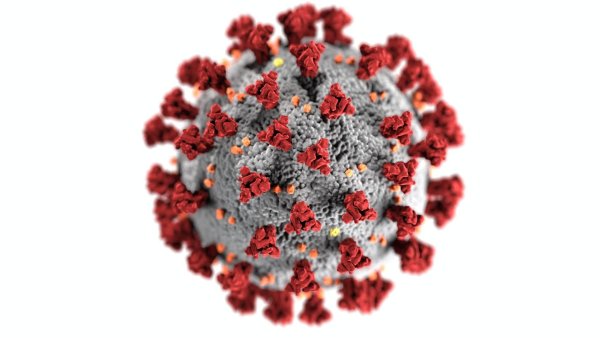
coronavirus
Photo by CDC on Pexels.com

Infectious coronaviruses transmit diseases to many species of birds and mammals, which include us.  And there are hundreds of them that are spread around, mainly by animals like camels, bats, cats, and pigs.  However, human coronaviruses were first observed in the 1960s and are divided into four main sections.  Additionally, since 2019 and Covid, seven coronaviruses can now infect people.  Thus, coronaviruses are just a big family of viruses that cause sickness and illness.  And the symptoms can range from mild, like a cold, to more severe.

photo of people holding siamese cat and chihuahua
Photo by Sharon McCutcheon on Pexels.com

The most common coronavirus(es) that your pet dog or cat could get is CCoV for dogs, and FCoV for cats.  And the symptoms primarily involve GI problems.  Though, these CV aren’t the same as Covid.  But again, they are in the same family.  Remember, SARS-CoV-2 was a brand new coronavirus at the end of 2019 and early 2020.  It’s still new.

Furthermore, poultry have their own coronaviruses, generally from group 3.  Also, the most common CV in fowl is IBV or infectious bronchitis.  So, you see that, in just these 3 examples, there are many CV with varying symptoms, some affect the GI, while others affect the respiratory system.

So What Other Animals Can Get Covid

German Shepherd headshot
Photo by Pixabay on Pexels.com

Now that I’ve covered some basics, let’s discuss the novel coronavirus, that infects both people and animals. To date, the species that have been infected with Covid-19 are:

  • cats
  • dogs
  • tigers
  • lions
  • snow leopards
  • gorillas
  • otters
  • a cougar

The one thing the majority of these animals have in common is they are carnivoran, which isn’t the same as being a carnivore. Carnivoran mammals are placental, mostly consume meat, but are quite diverse. However, this point regarding Covid isn’t conclusive, and it doesn’t necessarily mean anything. It’s just one fact of many, which keeps evolving.

Also, most of these animals don’t get very sick, with some exceptions. Buddy, the first U.S. dog confirmed to have Covid, died in July 2021. And an unnamed cat in Pennsylvania was put down in October 2020 after suffering respiratory distress. Buddy reportedly had lymphoma, and the cat in Pennsylvania was 16 years old.

Can You Transmit Covid to Your Pet
a woman kissing her cat
Photo by Meruyert Gonullu on Pexels.com

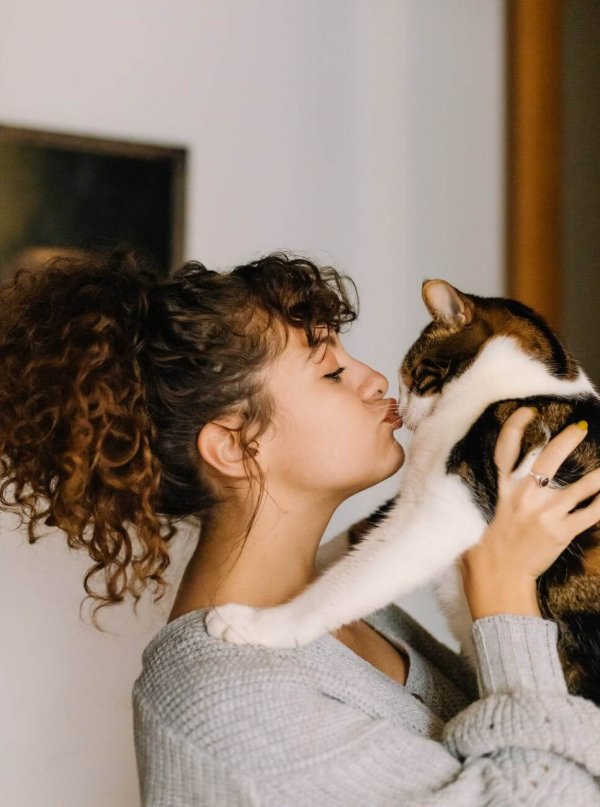
In case you don’t know, yes, if you or someone in your home has Covid, and gets cuddly with your pet, your pet can get infected. However, it’s not guaranteed. I think the risk of transmission, and definitely illness, is possibly similar to our own risk.

For example, my 19 year old had Covid around the holidays. But we didn’t make her isolate away from us. Although she did have to wear a mask and practice routine hygiene, like hand washing, or use a hand sanitizer if she couldn’t wash her hands. Also, neither our animals nor any of the other humans in my house got sick or infected. And we got tested. However, there’s definitely still a lot we don’t know.

Can Your Pet Transmit Covid to You

close up of microscope
Photo by Pixabay on Pexels.com

As of this publishing, there have been no pet zoonotic transmissions of Covid. But, with that being said, in 2020, the virus did break out on 2 mink farms in the Netherlands. It ended up spreading to 70 farms, leading to the culling of millions of mink. The mink developed respiratory symptoms and the virus mutated, infecting the workers on the farms.

Further, it’s noteworthy to mention that white-tailed deer have been testing positive for Covid, yet not dying. And still the virus is spreading among deer, leading many to wonder if they are an animal reservoir for the illness. Besides, it is believed that Covid-19 originated in bats. However, as of yet, no one knows the intermediate animal that spread the virus from bats to people.

Thankfully, so far there have been no reports of Covid-19 in poultry. Birds have enough to worry about as it is. Avian flu probably being the biggest.

What to do if You Think Your Pet is Infected with Covid

flat lay photography of red anti radiation handset telephone beside iphone
Photo by NEOSiAM 2021 on Pexels.com

Once again, most animals that get infected with the virus don’t get seriously ill. And some might not have any symptoms at all. However, since it’s possible for animals to contract the virus, symptoms they could exhibit are:

  • fever
  • coughing
  • trouble breathing
  • lack of energy
  • sneezing
  • runny nose
  • eye discharge
  • vomiting
  • and/or diarrhea

So, if your pet is ill, and you’re concerned it might be Covid, the CDC advises you to call your veterinarian. And, if you’re infected with the virus, and your pet gets sick, the CDC cautions NOT TO TAKE YOUR PET TO THE VET YOURSELF. However, call your vet to let them know you have the virus; they might offer Telehealth for your pet or other options. Read here for some more guidelines from the CDC regarding Covid and your pet.

Important Reminders Concerning Wildlife

person washing their hands
Photo by Burst on Pexels.com

Even considering the mutation and spread of the virus from mink populations back to humans, the risk remains low for animal to human transmission. Therefore, there’s no need to abandon or mistreat wild animals. But we should be cautious around them all the same. Some other reminders are:

  • Don’t feed wild animals or touch their droppings.
  • Maintain a safe distance from wild animals; and keep your pets at a safe distance from them too.
  • Wash your hands after playing or working outside.
  • Don’t directly interact with abandoned animals, because parents typically return.
  • DON’T touch or get close to sick or dead animals.
  • And if eating game meat, read your state’s wildlife agency guidelines.

If you enjoyed this post, please like, comment, share, and please, don’t forget to follow!

Categories
All animals Hens non-fowl raising happy, healthy chickens recipes

What are Pasture Raised Eggs

It used to be you only had brown and white eggs to choose from. But now grocery stores offer cage-free, free-range, and even pasture raised eggs. Maybe you think they’re all the same? I mean, they all come from the same place, right? Well, I’m going to explain the differences, in particular, of pasture raised eggs and the others.

What are Caged Eggs

white chicken in cage
Photo by cottonbro on Pexels.com

Caged eggs come from hens that are basically housed in battery cages. This is the most common method for industrial egg production. So ~85% of US eggs are from caged hens. And that means the birds are stuck in cages for their egg-laying lives in roughly 67 square inches. Also, they’re fed a corn or soy diet.

In my own opinion, I understand why the industrial egg producer keeps their hens in this situation. Since they’re dual-purpose birds, when the hens are no longer laying eggs, (at the industrial level ~ 2-3 years old), they’ll slaughter them, package the meat, and sell to a specialty grocery store. Because a 3 year old hen, that’s gotten plenty of exercise, is a tough old bird in terms of food. So, the less space they have to move in, the better they’ll taste when those farmers cash in on those hens for the last time. Thus, it’s more economical for the farmer to keep their egg-producing hens confined this way.

However, some industrial egg producing farmers send the hens to a landfill or make them into pet food. I wouldn’t do any of those options, because my birds are like my pets. But I’m also not a commercial egg producer.

What are Cage-Free Eggs

As of March 2021, about 29% of eggs sold in US grocery stores were from cage-free hens. In addition, these hens have a little more space, than caged hens, with a little less than one-square foot each. Furthermore, they’re living in barns, and like their counterparts, they don’t have access to the outdoors. And they also have a diet consisting of corn or soy.

What are Free-Range Eggs

hen chickens through chain link fence
Photo by Will Kirk on Pexels.com

According to the National Chicken Council, (yes, apparently there’s a chicken council), less than 1% of chickens are considered free-range in the US. Additionally, these hens have more room than either caged and cage-free hens with 2 square feet each. And they have access to the outdoors. Although there’s not really a consistent standard on how long the birds get to be outdoors or what the space is like. Also, they too are fed a diet of corn or soy.

What are Pasture Raised Eggs

pasture raised chickens outside

Pasture raised eggs first got their start in 2007 by Matt O’Hayer from Texas. However they didn’t get any steam until cage-free and free-range had already gotten attention. With that being said, there’s not a standard for pasture raised eggs either. But, according to the USDA, pasture raised eggs are laid by hens with more access to the outdoors, and their diet is supplemented with bugs and wild plants.

Although, the best method to determine if the eggs you’re buying are pasture-raised is other labels, such as: Certified Humane Raised and Handled + Pasture Raised, or American Humane Certified and Pasture Raised. If your eggs have either of these labels, then the hens who laid the eggs have access to the outdoors, with 108 square feet per hen. And each hen eats a combination of a balanced feed and whatever they get from foraging: grass, worms, and insects. In addition, they can roam all day and return when it’s time for bed.

Which is More Expensive

dollar sign
Digital Art of a Dollar Sign, courtesy of Sarah Smith

As you can well imagine, the most expensive option is going to be the one that is the most humane for the birds. I already mentioned that the most economical way for the farmer was the battery caged method; and that’s because the farmers are sucking every last penny out of those chickens that they can get.

Which is the Healthiest

2 different chicken egg yolks in a white bowl

According to The Egg Nutrition Center, there’s little nutritional difference between all 4 types of eggs. Although, there have been studies showing differences in mineral content based on the type of housing a particular egg was laid in. And Mother Earth News has verified the superiority of true pasture raised eggs to traditional eggs sold in grocery stores several times.

Furthermore, I covered a post on egg facts not too long ago, confirming that hens with access to pastures, grass, and bugs lay richer eggs. And richer eggs just taste better.

What’s Better for the Birds

red and black rooster on green grass
Photo by Erik Karits on Pexels.com

Obviously allowing chickens all day access to the outdoors is the best policy for the chickens. It’s what they do in nature; it’s what they did before we captured and tamed them for our own use. They can communicate with each other, stretch, roost, forage, and just be birds when they’re truly in a pasture setting. But in the other 3 settings they don’t really get to be the way nature intended; they’re the way we intended, which isn’t the same thing at all.

What’s Better for the Environment

green grass field and river
Photo by Barnabas Davoti on Pexels.com

Since we’re considering every option, people and birds, I wanted to include the environment. Because any type of industrial food production has an impact on the environment, which then trickles down to us. However, the only thing I could find on that was based on feed. And that really applies to all of the egg-producing systems. Apparently any type of egg production leaves behind a pretty steep carbon footprint due to the embedded emissions in concentrate feed.

Therefore, if industrial chicken or egg farmers could find an alternative feed for their birds, that doesn’t produce as many greenhouse gases, then it would be better for the environment. Of course the feed should also consist of a balanced diet for the birds.

In Conclusion

There are 4 types of eggs to choose from at the grocery store. Since labels can be confusing, you need to know how to read them. Caged eggs make up the vast majority on grocery store shelves. While cage-free hens are in somewhat better living conditions, they still represent a small percentage. Even though free-range and pasture raised have access to the outdoors, there still isn’t a standard for commercial egg producers.

green leaves and organic word
Photo by Fuzzy Rescue on Pexels.com

However, if you’re interested in animal welfare, then look for those kinds of labels. But if you see labels for organic, that has nothing to do with the bird’s welfare; it just means the bird was fed a vegetarian diet, free from antibiotics and pesticides.

If you have neighbors with backyard birds, know they treat their birds well, and you have the means, buy some eggs from them. That way you’ll be supporting your very local community and get to enjoy the benefits of farm fresh eggs, which are true pasture raised eggs.

Thanks for stopping by! If you enjoyed this post, please like, post a comment, share, and please don’t forget to follow!

Categories
All animals non-fowl

Do Pets Get Jealous of Other Pets

Basic emotions come from the limbic system. And we share that with many animals: reptiles and other mammals. Also, birds, like chickens, have something similar to a limbic system that’s said to have evolved from a common ancestor. So, with that information, do pets experience emotions? Or, for that matter, do pets get jealous of other pets?

Do Pets Get Jealous of Other Pets

Sketch of a Brain
Sketch of a Brain, courtesy of Paul Smith

Well, the answer should be obvious that, yes, pets can and do get jealous of other pets. And they can also get jealous of other people, particularly babies, boyfriends, or girlfriends. Or really anyone or thing that’s taking attention away from them. That’s because the limbic system, which I already mentioned, is linked to emotions.

Signs of Pet Jealousy

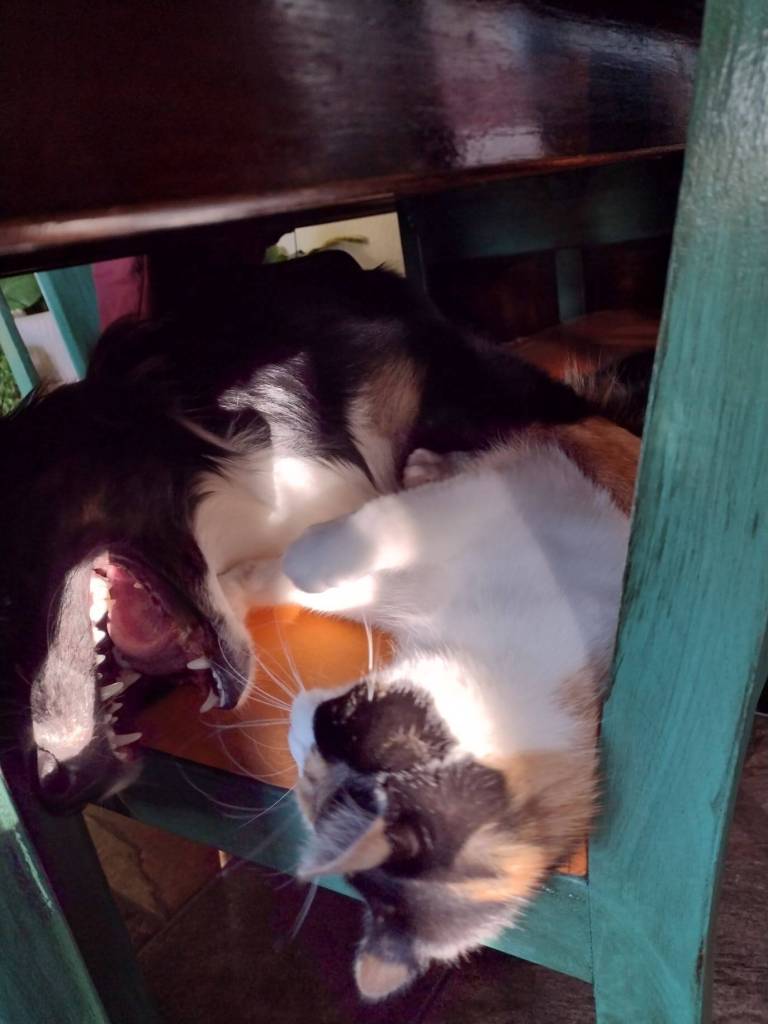
Australian Shepherd dog and calico cat leaning on an indoor gate

According to the emotion wheel, jealousy or envy is a combination of anger and sadness. But what are some other signs your pet is jealous?

  • Aggression

If your pet is jealous, they might be aggressive. For instance, they might bite or nibble the person, or pet, getting the attention they’re in competition with.

  • Acting out

Since our pets can’t talk the way we do, sometimes they’ll act out. For example, when we first got Meow Meow, she was the only indoor pet we had, other than our dog, Moses. However, as time went on, we collected 2 more cats, 2 bunnies, and another dog. The bunnies are no longer with us, and Moses died of old age. Now these changes happened over a period of years. But Meow Meow didn’t care. She metaphorically put her paw down and started acting out. By peeing on the kitchen counters. Therefore, Meow Meow moved out to the garage with Cake, so she wouldn’t be alone.

**Because using the bathroom outside of the litter box, or having accidents in the house, can be a sign of a health issue, always check with your veterinarian.

  • Clinginess

If your pet is clingy, which you might interpret as cuddly, they want your attention. Imagine your pet is in your face, extra close, and licking your face and hands. That’s clinginess.

  • Dominating

This type of behavior reminds me of our dog, Sophie, when my husband and I hug or kiss each other. Sophie will come right in between us, demanding attention.

  • Fighting

Listen to the sounds your pets make when they interact. Do they hiss and growl at each other? Watch their body language, and you’ll know if they’re fighting.

  • Scaring Visitors

Some pets may fiercely bark, hiss, or growl when visitors come over. In addition, other pets might be just as aggressive if there’s a knock on the door or the doorbell rings.

  • Smother you

Cats are notorious for getting on their owner’s level when they want attention. For instance, when my calico cat, Poppy, is ready for me to play fuzzball with her, she’ll walk on the kitchen table where I’m working. And a lot of times she’ll just walk across my computer keyboard.

  • Fawning

This is another behavior typical in cats, where they will rub against their owners, purr, and meow prodigiously. And these are all in the attempt to get their owner’s attention.

  • Leaving

Pets can get mad just like people. And if you don’t pay attention to your pet, they might just walk out of the room and withdraw. Poppy did this last night. She pulled away from me while I was busy with something else. But the next time I spotted her, she was playing with one of her fuzzballs. So I made it up to her and started playing with her.

  • Competition

Finally, the last sign of pet jealousy is competition. Pets who are jealous of other pets might compete with each other for attention. However the competition doesn’t necessarily have to be aggressive.

Both Poppy and Sophie are jealous of each other. When one of them is getting attention, the other is watching and waiting. If Sophie gets to go outside, Poppy will meow, yowl, and cry to go out too. And Sophie’s playtime with her ball prompted Poppy to learn how to play fetch. Additionally, Poppy doesn’t like to play fuzzball with me when Sophie is in the room with us. She wants me all to herself.

Warning. Graphic image of animal injury below.

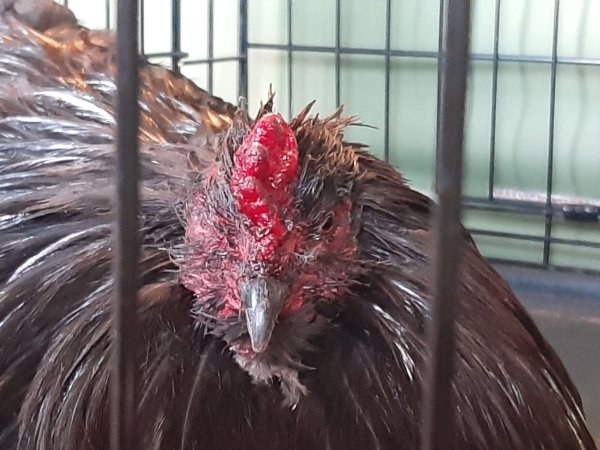
headshot of injured Black Ameraucana rooster
This is our boss rooster, Megatron, after his son attacked him for leadership. He had feathers ripped out, and his right eye was swollen shut. But we nursed him back to health.

What about birds? Do they get jealous? If you follow my blog, it’s possible you’ve read my article on the chicken pecking order. Which is all basically based on the leader of the flock running a tight ship. However birds that aren’t on the top will display jealous behavior.

Take, for example, my 2 roosters, father and son. Baby Nay is jealous of his dad, because Megatron bosses him around, essentially telling him when he can mate, who he can mate with, when he can eat, and etc. And so he attacked his dad to change his position in the hierarchy.

Possible Reasons for Jealousy

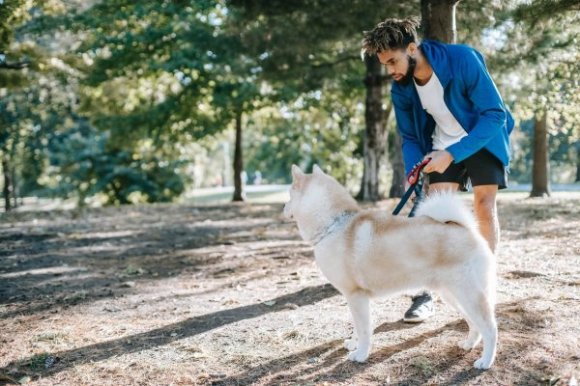
ethnic hipster man taming west siberian laika in park
Photo by Zen Chung on Pexels.com

There are several reasons why pets will get jealous of other pets, including boredom, lack of space and exercise, and stress or conflict. Furthermore, genetic disposition, upbringing and level of socialization, insecurity, and interaction with a pet parent all contribute to pet jealousy.

Interaction with a pet parent can also be interpreted as lack of enough bonding time. If your pet feels like it’s not getting enough quality time with you, it can act out aggressively toward another pet.

Insecurity can come from abandonment issues, like our dog, Sophie, has. Animals have memories of both good and bad events. Thus, their jealousy could stem from being abandoned by previous owners. Or possibly even from past abuse.

Pets without enough social interaction with people or animals can easily experience jealousy. So when they’re confronted with a social encounter, that pet might act out due to a lack of instruction and experience. Because, essentially, they’ve never been taught better.

Tips to Stop Jealousy in Pets

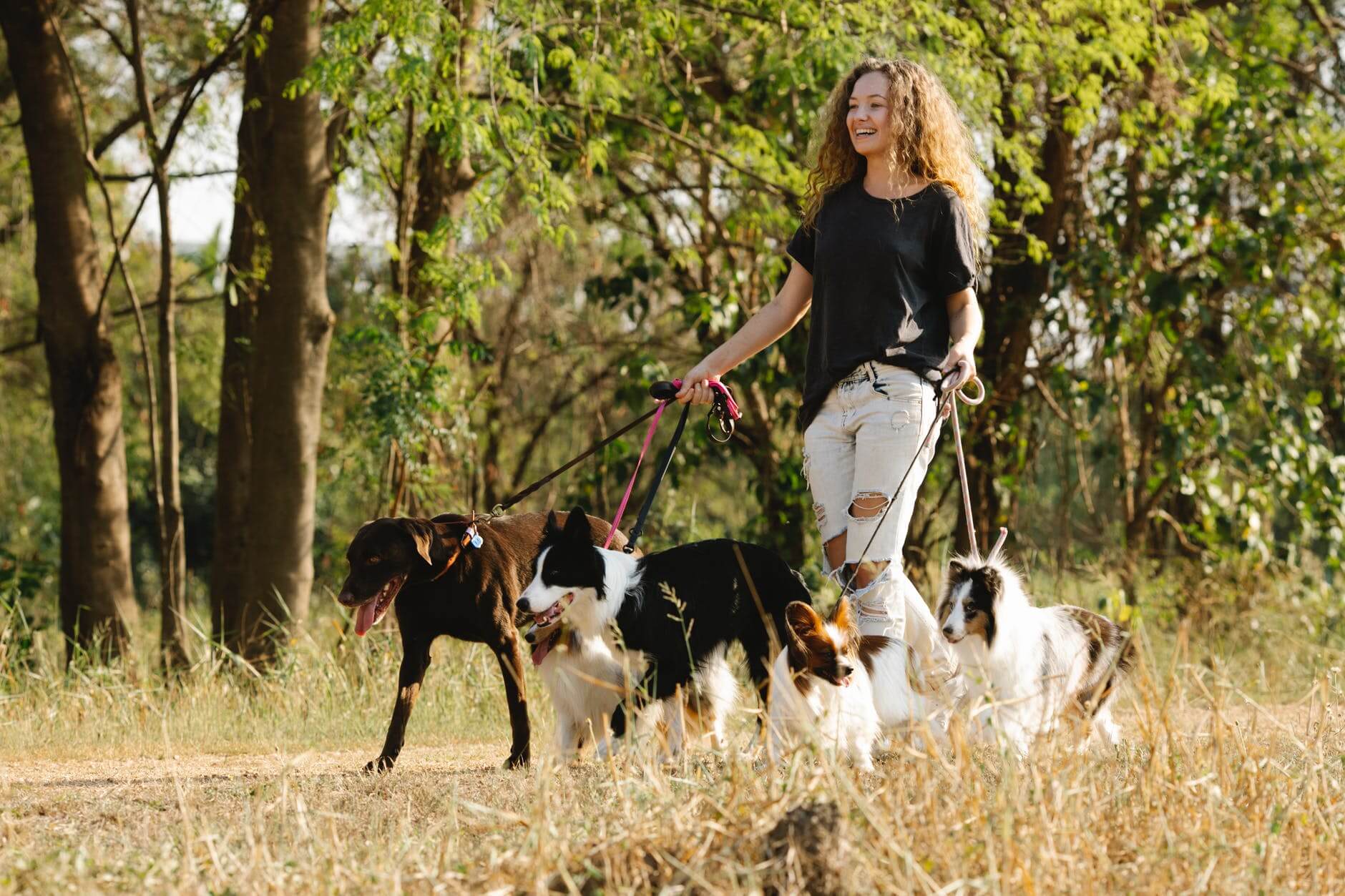
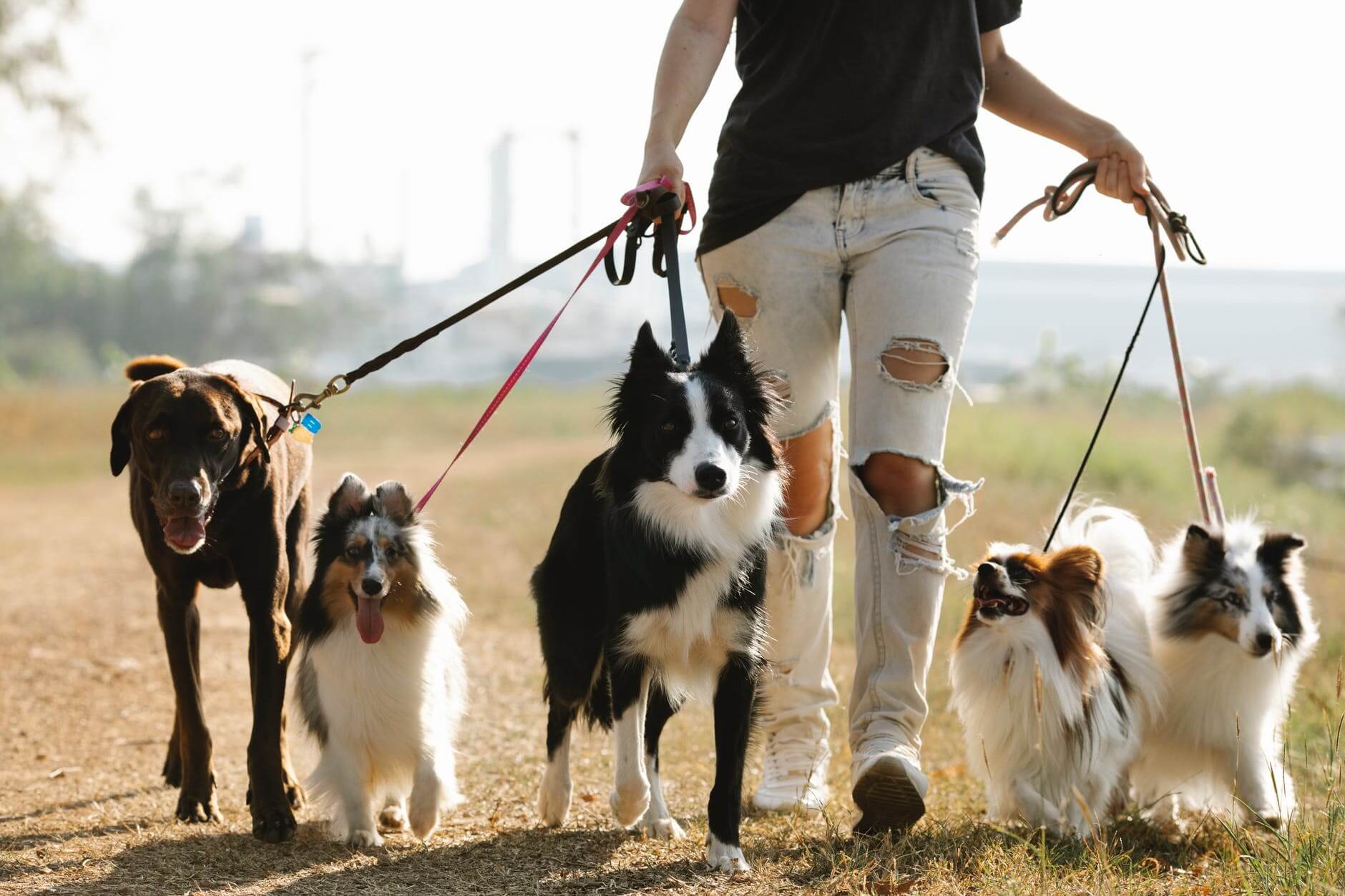
a young woman walking a group of dogs in a park
Photo by Blue Bird on Pexels.com
  • Observe and note the times and conditions that cause the jealousy and/or aggression. This way you can discuss the issues with your veterinarian to help manage them.
  • Give your pets equal time and attention.
  • Make sure your pets each have their own safe space, like a crate for a dog, and a room for a cat.
  • Feed your pets separately during meals. And give them an equal amount of treats.
  • When you get home, don’t pay more attention to one pet over another.
  • Leash dogs when walking two at a time.
  • When petting your pets, make sure to include all of them.
  • Make sure each pet has its own bed and toys.
  • And don’t forget to reward your pets when they’re good and don’t act jealous!

To Summarize

2 roosters fight outside

Jealousy is a complex emotion. And it’s obvious that, since all animals have some sort of limbic system, your pets have emotions like you, including the ability to get jealous of other pets. In addition, just like with people, jealousy in pets can present in similar ways.

But there are things you can do to mitigate issues with your pets. And they primarily involve giving each pet the same amount of attention, food, supplies, and toys. However, this doesn’t always work with chickens, like with my 2 roosters.

They each have their own harem of hens. And they have plenty of space, healthy food, and clean, fresh water. But after letting Megatron back with his flock, both father and son wanted to annihilate each other, to the exclusion of all else. Therefore, if you still have issues with your pets, definitely reach out to your veterinarian for suggestions.

Thanks for stopping by! If you enjoyed this post, please like, post a comment, share, and please don’t forget to follow!

Categories
All animals non-fowl Protecting Your Backyard Birds raising happy, healthy chickens

Best Dog Breeds for Chickens

If you have a backyard flock and have had trouble with the occasional predator, you might want to know the best dog breeds for chickens. There are some that will guard your flock, keeping away danger. And then there are breeds that don’t necessarily do much guarding, per se; they just get along with and won’t actively attack your birds. However, if the dog lives outside, it could be enough of a deterrent to predators.

Some of you know we got an Australian Shepherd puppy several months ago. And if you follow this blog, you’re also aware I have chickens and ducks. Additionally, if you know anything about Aussies, you’ll know they have a strong prey drive. Which doesn’t make them exactly ideal for chicken people.

Prey drive is what affects whether dogs will or won’t attack other animals, including chickens. So dogs with a strong or high prey drive have a hereditary desire to chase, hunt, and sometimes even kill other animals. However, dogs can be trained. Just because you get a dog that’s ‘good’ with chickens doesn’t mean it won’t need to be trained as well.

Best Dog Breeds for Chickens:

White Great Pyrenees dog on grass outside
Photo by Hannah Grapp on Pexels.com

The Great Pyrenees is a great dog, does well with families, but needs a firm hand in training. Also, it prefers cool climates, not making it suitable for the Southern U.S.

This next dog is also a good option, as it is calm and chill with other animals while also fearless when facing threats. However, the Pyrenean Mastiff requires firm training due to its stubbornness at times. And it prefers the great outdoors and doesn’t tolerate heat and humidity.

Kangal Shepherd dog outside in the snow
Photo by Jozef Fehér on Pexels.com

This next option I have for you is the Kangal Shepherd dog, which also needs broad spaces and a firm hand. It’s a loyal dog who will protect both the family and flock, but without clear boundaries, it can stray and attack others, including people and pets. Also, this was the only dog so far that I found that can tolerate the heat we get.

Finally, the Anatolian Shepherd is more business than cuddly fun, but it’s a fiercely loyal dog. Although training and early socialization are a definite must for this pooch. Again, this dog requires space and plenty of it outdoors. And did I mention training?

This list isn’t exhaustive; there are 4 other dog breeds usually included: the Komondor, Akbash, and Kuvasz. And all of the dog breeds are part of Livestock Guardian Dogs.

Some Caveats about Getting a Dog for the Chickens:

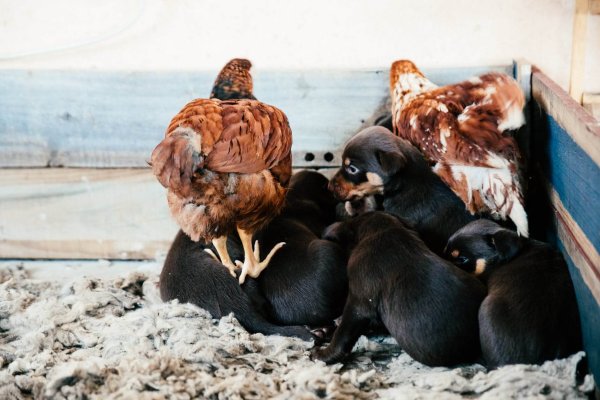
adorable puppies with hens on soft wool in farmyard
Photo by Rachel Claire on Pexels.com
  • Don’t just get a dog and expect it to know what it’s supposed to do.
  • Having a dog takes training, especially one destined to guard the chickens. Ideally, get a puppy and train it to be around your flock, and the flock to be around the puppy, so they are familiar with each other.
  • Bring your dog around as you feed, water, and take care of your backyard birds, because this will teach your dog that the birds are to be protected.
  • Additionally, introduce your flock and dog slowly, preferably with treats once everyone is calm, since most animals love a good treat. So that in time, as you continue to bring your dog around your backyard birds, and proceed to hand out treats for good behavior, they will associate good things with each other.

When we first got our birds, we had a Shetland Sheepdog who would try to herd the birds when they strayed from their yard. Thus, he listened to us to keep them safe. We had Moses for many years by this point, he was highly intelligent, and obedient.

However, when we first got Sophie, our Aussie, she killed one of our ducks; it looked like she was ‘playing’ with it in her energetic enthusiasm. Though, with diligence, we’ve trained her that the birds are not for touching, molesting, eating, playing, etc. Although it didn’t really take her long to pick up on what we wanted. And now she completely ignores them.

Except now I’m on phase two of bringing her into their yard so she can know they’re part of the family and to protect them.

Other Dog Breeds as Options

head shot of sable and white Shetland Sheepdog

Even though the Livestock Guardian Dogs are the best when it comes to guarding your chickens, with hard work and diligence, you can train other dog breeds to guard them too. Or at least to be a predator deterrent, like our dog Moses was. And how we’re working on Sophie currently.

Since most of the ‘chicken dogs’ have thicker coats and require cooler temperatures, that makes them unsuitable for the Southern half of the United States.

Although, herding dogs or shepherd dogs, if trained consistently, could at least deter predators, if not actively guard your chickens. Some breed examples include:

border collie in the countryside
Photo by Los Muertos Crew on Pexels.com
  • Shetland Sheepdog
  • Border Collie
  • Australian Shepherd
  • and Collie

Keeping chickens attracts predators, especially living on acreage. And you want to protect your birds, your investment, and the eggs they produce. I hope I gave you some ideas on what dog breeds work the best with backyard birds. But the most important thing to know and remember is to train your dog to think of your chickens as part of the pack.

Thanks for stopping by! If you enjoyed this, please like, comment, share it, and please don’t forget to follow!

Categories
bunnies non-fowl

Bonded Bunnies

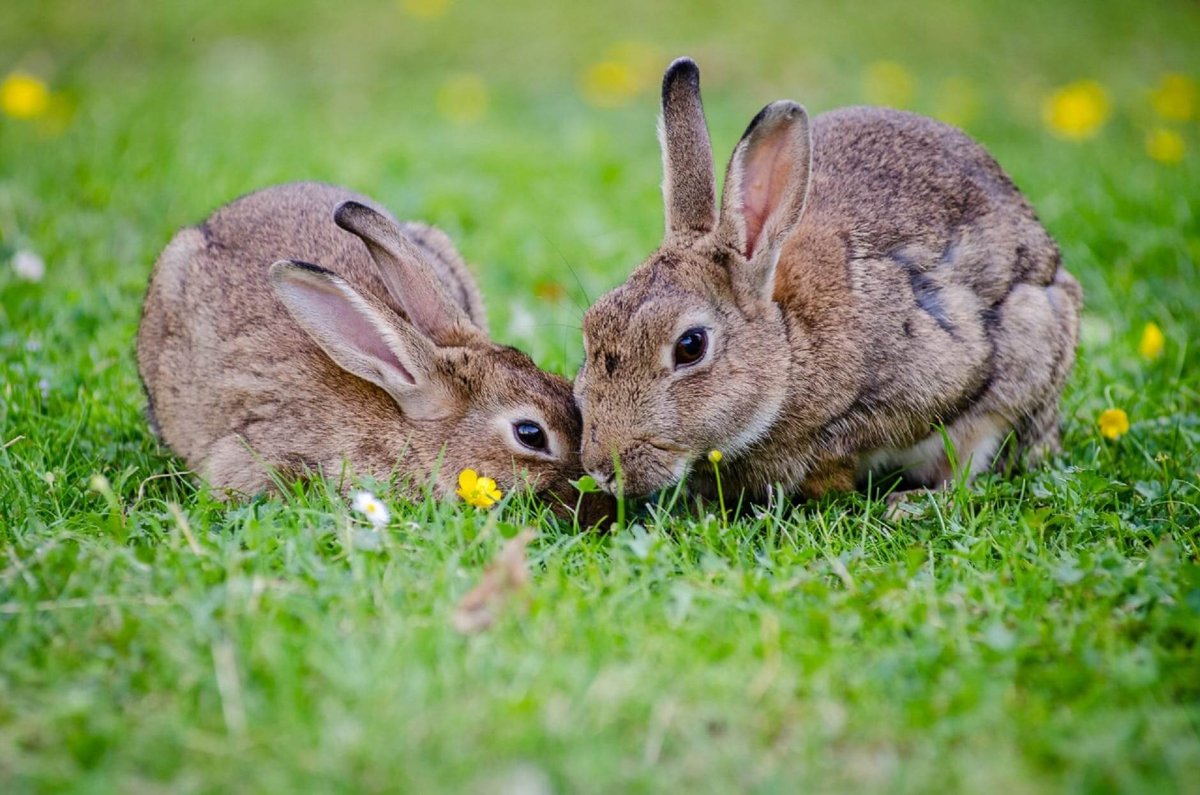
I promised this post over a few months ago when our bunny Mabel passed away. And I also hinted about bonded bunnies back in September with my post about gendering rabbits. But what does the term ‘bonded rabbits’ even mean?

Bonded rabbits are 2 bunnies who are personally bound to each other. And they help each other negotiate their world manually and mentally. Below are more bonded bunnies facts.

Bonded Bunnies Facts

  • They live in groups
Bonded bunny pair sleeping together on the floor

Rabbits are meant to live in groups, not alone. They groom each other, rest, and eat together. So if you get a bunny, don’t just get one solo rabbit. It’s best to get a pair.

However, there are plenty of animals that can make a good companion to rabbits. Cats are at the top of the list, as long as the bunny isn’t afraid of said cat.

  • The bonds are lifelong
pair of bonded bunnies standing by a potted plant and a pet carrier indoors

Bunnies form bonds for life. Maybe that’s because, in nature, the wild European bunnies bond for life.

  • Forming bonds can take time
Pair of bonded bunnies eat food inside on the floor out of a metal bowl

It can take weeks to years to form a bonded rabbit pair. But you know your bunnies are bonded when they can hang out with each other, groom each other, and sleep with each other with no aggression. Because that means they feel safe with each other.

Thus, be patient, because it takes time.

  • Do NOT separate them
Gray and white bunny under a metal chair outside on the lawn
This was after Mabel’s surgery. The fighting had already begun.

If you have a bonded pair and ever separate them, they’ll smell different to each other, could reject one another, and begin fighting. Bring them everywhere together. Period.

We experienced this when Mabel got fixed. We were totally unaware that we were supposed to BRING Ricky to Mabel’s appointment too, until the deed was already done.

After Mabel healed from being neutered, they started fighting; the fur was literally flying, and Ricky was no longer putting up with Mabel’s dominance. He started using the bathroom all over the living room, and they both looked so miserable.

So we confined them to the kitchen and living room as we tried helping them in their relationship. Then we phoned the vet, asking for advice, which is how we learned our mistake. We were advised to keep them separated, one in the hutch, the other loose, and yet have them in the same room. That was so they could start getting used to each other again.

They took turns being in the hutch and being loose. However Mabel’s unhappiness really weighed heavily on me, being restricted as he was and what he perceived as the loss of his friend.

  • Some pairs make better bonds
pair of white bonded bunnies near brown tree trunk
Photo by Bruna Gabrielle Félix on Pexels.com

The best pairing is a buck and a doe, as this is what occurs in nature. However, 2 does from the same litter can work, because usually they’re sisters. And finally, the least likely pairing to work is 2 bucks.

Although, that doesn’t mean it’s entirely impossible for 2 bucks to bond. They both need to be neutered, introduced slowly, and one of them needs to be submissive, otherwise there will inevitably be fighting. And a lot of it.

Mabel was fixed, but at the time, it was still too early to neuter Ricky. I think he still had at least a month to go before he could get fixed. And still neither of them wanted to back down on their power plays; neither was giving ground. So we found Ricky a home with other rabbits. I missed the Mabel who first came to live with us: his curiosity and joy at exploring the rest of the house and being the center of attention.

That’s our experience with bonded bunnies. And we messed up, because we didn’t know until too late. Hopefully, if you have rabbits of your own, you have better luck.

Thanks for stopping by! If you enjoyed this post, please like, post a comment, and share.

Categories
All animals non-fowl

Pet New Year’s Resolutions

According to Wikipedia New Year’s resolutions are common on both sides of the globe, where a person “resolves to continue good practices, change an undesired trait or behavior, accomplish a personal goal, or otherwise improve their life at the start of a new year.” And for our pets, this includes the lives they take part in with us. The following are pet New Year’s resolutions.

Pet New Year’s Resolutions: Dogs

  • More walks
person walking dogs on leashes in countryside
Photo by Blue Bird on Pexels.com

Walking your dog is especially important if you live in an apartment or a house that doesn’t have a big backyard; because your pooch needs exercise to stay healthy.

  • Healthier eating and habits
Aussie playing with red and white pet puzzle feeder

With pet food recalls from time to time, it might be difficult to know what to feed your best friend. But there are so many dog food brands out there; and you can even make your own!

Furthermore, if your pet is on the heavier side, you can talk to your vet about ways to help slim down your friend. Or you can get puzzle feeders to make it more of a challenge.

  • Dental care
brown short coated dog wearing pink hair cap
Photo by Anna Shvets on Pexels.com

Since problems can be caused by mouth issues or cause other problems, the AVMA suggests your veterinarian check your dog’s teeth and gums once yearly for any problems. Also, it’s good to keep their mouths healthy.

  • Obedience training
crop man training dog
Photo by Zen Chung on Pexels.com

Taking your dog to obedience training is beneficial for many reasons. Not only is it good for your pooch, by teaching him/her basic commands. But it also teaches you more about your dog. And it gets you involved in your community, meeting other people with their pets. Additionally, it helps to avoid possible conflict between your dog and other animals by socializing your pet.

  • Protect your pooch
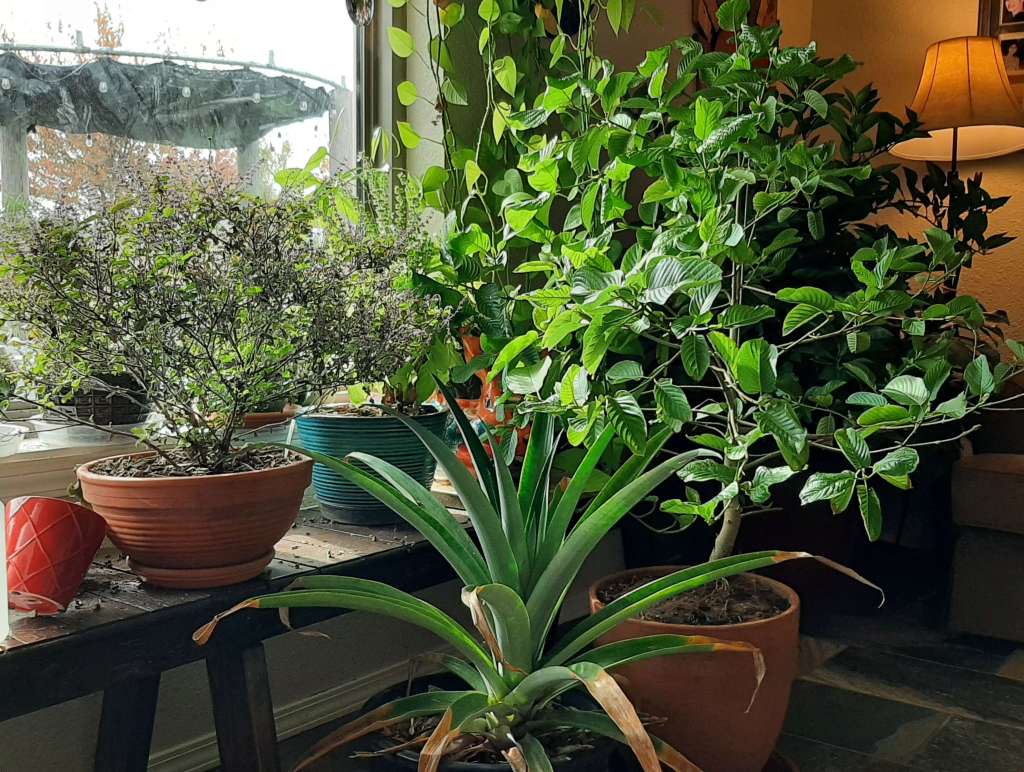
variety of tropical plants by picture window and on long wooden bench

Protecting your dog involves all of the above and more. Like keeping toxic substances, such as cleaning supplies and plants, out of their reach. In addition, keep their IDs up-to-date and get them micro-chipped, if you haven’t done so already.

  • Have an adventure
person with dog at the beach
Photo by Huy Phan on Pexels.com

Take your dog on an adventure, whether it’s to the dog park or to a national park, they’re sure to enjoy it. And it’ll be great exercise and togetherness for both of you.

Pet New Year’s Resolutions: Cats

  • Play more
calico cat under a bed playing with a fuzzy ball

Set aside time to play with your cat, even if it’s only 5-10 minutes a day. Cats also need to exercise, because otherwise they’ll get bored. Play stimulates their hunter instincts and relieves boredom. Plus, it helps prevent health problems related to obesity.

  • Teach tricks

People who don’t have cats might not be aware that they can in fact learn tricks. And New Year’s would be the perfect time to teach your furball a new one. They can do almost anything a dog can do: fetch, sit, come on command, etc.

calico cat crouching by scratching post

I personally have witnessed this behavior, so I’m not just repeating what I’ve heard or read. My newest cat tries to emulate the dog; she wants to do whatever Sophie gets to do. So if Sophie plays catch, Poppy wants to play catch, or her version of it. Unfortunately all of my attempts to video this have failed, so I’ll just have to keep trying. But in the meantime, just take my word for it.

tortoiseshell cat trying to drink out of a fountain outside

Having an indoor cat makes it really easy for them to become overweight. Especially if you’re busy with work and family. Though, if left unchecked, your cat is at risk for diabetes, liver problems, and joint pain.

Wet cat food is typically better for your feline friend, because dry food contains more carbs than anything. However, I know from experience that not all cats will eat wet food. So you can mix the two, and make sure you’re providing small meals for your cat throughout the day, just like what would occur naturally if they hunted. Also make sure there is plenty of fresh, clean water, like a fountain, since cats prefer running water.

  • Visit the vet
person in blue scrub shirt holding orange tabby cat
Photo by Tima Miroshnichenko on Pexels.com

If you have an indoor cat, they will need to be seen for their annual vaccines. Even if they never step foot outside. However, if your feline friend uses the revolving door, they may need to see the vet more frequently. And don’t forget spaying and neutering your cat, if that remains to be done.

  • Enrich their environment
cat scratching post and plastic play spaces

What is an enriched environment? Well, a territory that’s enriched is one in which your furball feels safe, confident, and has happy experiences in. But by the same token, one that is not enriched is one where your cat feels scared, tense, and has unhappy experiences in.

So how can you better your cat’s home and world if they already seem pretty happy? For one, you can spend more time playing with them, get puzzle feeders and toys to engage them, and scratching posts, etc.

New Year’s Resolutions: Chickens

big chicken coop

We all know it’s important to keep the chicken coop clean. Although sometimes we just get busy, things happen. It was the holidays, and time got away from us. But now we have to commit to staying on a schedule.

  • Keep the run dry
person with chickens in covered yard outside
Photo by RODNAE Productions on Pexels.com

As much as is possible, keep the run dry to prevent parasites and chicken illnesses. Alternate putting down sand and straw, and changing it out when it gets wet.

  • Try a different or organic feed
brown chicken pecking at ground and one brown chicken eating out of a red coffee canister
Photo by Magda Ehlers on Pexels.com

Maybe this coming year you could try going organic with your birds, if you don’t already. Ask your local co-op what they would recommend for your particular flock.

  • Add variety
4 black newborn chicks in incubator with a variety of eggs

Start the new year by adding ducks to your flock; they make a great next step to owning backyard birds. Or, if your yard permits, increase the size of your flock with some chicks in the spring. Better yet, incubate some fertilized eggs: duck, chicken, or both!

  • Do an inspection
person holding a mixed black easter egger rooster

This is similar to cleaning the coop; we think we know what’s going on with our backyard birds, but sometimes sickness or a predator can get one of them. Thus it’s important to do an inventory and inspection in the backyard, coop, run and on the birds themselves.

Now I’ll share some resolutions from the animals’ points of view.

New Year’s Resolutions from our Dog’s POV:

I will …

  • eat more of all of my favorite things this year
  • sniff more butts
  • play more and more and more
  • go outside every chance I get! And I will
  • try really hard not to eat things I’m not supposed to. I promise, I’ll really try.
Australian Shepherd on her back in submission

New Year’s Resolutions from our Cat’s POV:

I will …

  • sleep more
  • eat more
  • play fuzzball more
  • destroy the hand. And I will
  • destroy the dog. But I like to play with the dog. No! Destroy her!
calico cat and Aussie play together
No cats or dogs were harmed in the capturing of this photo. This is Poppy and Sophie.

New Year’s Resolutions from one of our Chicken’s POV:

I will …

  • eat the veggies from the garden
  • eat whatever I find; in fact, finders keepers
  • not die; I will survive
  • dust bathe more. And I will
  • lay more eggs. Because I can’t help it, it’s what I do.
3 different types of chickens in a raised garden bed in the country

I hope you, your family, and your feathered and/or furry friends have a prosperous and peaceful New Year! If you enjoyed this post, please like, share, comment, and please don’t forget to follow!

Categories
All animals non-fowl

Giving Pets as Christmas Gifts

How many of you have ever thought of giving pets as Christmas gifts? Or actually gave someone a pet as a gift? I confess that I’m guilty of doing just that. And even encouraging it. In fact, my daughter, Hannah, bought her little sister a bunny last year, and I thought it was a great idea. And when our Shelties, Kirby and Roxy, died in 2005, I went out and bought a pair of Sheltie puppies, as a surprise, to replace them for our daughters.

head of calico cat sticking out of gift bag in front of Christmas tree

However, is it a good idea to use pets as the gifts? I mean, we’re drawn to animals. And most pets make easier companions than people, ie, they don’t talk back or complain. Furthermore, caring for animals is often perceived as caring for a small child or an infant. For example, pets don’t speak our language, they depend on us for food, shelter, and some to even use the bathroom. Also, they crave companionship like us. Perhaps it’s because of these very things that we gift animals to others. But let’s explore whether or not we should.

Cons of Giving Pets as Christmas Gifts

  • can be stressful
man and woman happily talking to each other around festive time of the year
Photo by Nicole Michalou on Pexels.com

Gifting pets around the holidays isn’t ideal, because the holidays are a busy time with parties, company, traveling, and shopping. It would add needless stress on the recipient of the gift and on the pet.

  • longterm commitment
a variety of writing notebooks and planners
Photo by cottonbro on Pexels.com

Cats and dogs can live ~ 15 years while parrots have a life expectancy of up to 100 years.

Like how we got our dog, Sophie, from an older couple in their 70s, who felt she would outlive them.

  • time consuming
multiple gold and white analog clocks
Photo by Tima Miroshnichenko on Pexels.com

The recipient might not have the time or energy to train a pet.

white and brown cat in clear fish bowl with money
Photo by cottonbro on Pexels.com

Caring for a pet goes beyond just the initial fees. It’s a lifelong commitment, and the recipient might not be in a financial position, at the moment, to take on the responsibility of a pet.

However, it’s not all bad new. According to the ASPCA, in the 1990s and 2000s, a survey found that 86% of recipients who received pets as gifts kept the pets.

So below are some caveats if you’re tempted to give pets as Christmas gifts.

Guidelines to Gifting Pets

restaurant man people woman sitting at a table
Photo by Edmond Dantès on Pexels.com

The most important piece of advice, when thinking about giving animals as gifts, is to talk to the intended recipient. Here are some questions to consider.

  • Does the recipient even want a pet?

This might sound funny, but it’s very important. And you might think your friend or child might really want a puppy. But if you actually sit down and talk with them, you might discover they’re not ready for that commitment right now.

  • What kind of pet would make a good fit?
photo of hedgehog resting on person s hand
Photo by Indigo Blackwood on Pexels.com

There is no ‘one size fits all’ pet. There are so many different pets, including different types of dogs, cats, etc. From active to laid back. And what you might think someone would like may not be what they would like. So it’s important to get information on the animal: its habits, expenses, any possible common medical issues, etc.

My sister gave her kids a hedgehog last Christmas. And I’m pretty sure it was her idea. Her kids range from 13-9 years, and for a regular pet, they would’ve done fine. But this was a pet that required special care. And they couldn’t do it. The quills shocked them, and they often dropped their pet. So the hedgehog ended up being kinda mean. The result: they returned her to the breeder.

  • Does the recipient have time?
employee feeling the pressure in the office
Photo by Anthony Shkraba on Pexels.com

This will help you determine which pet would make a good gift. Some people think they would like a puppy or kitten, but if they’re gone most nights and days, when would they train or spend time with their fur baby? In time, the pet would, at best, be a burden, or they might even end up neglected. However, here’s a list of some low maintenance pets.

  • How old is the intended recipient?
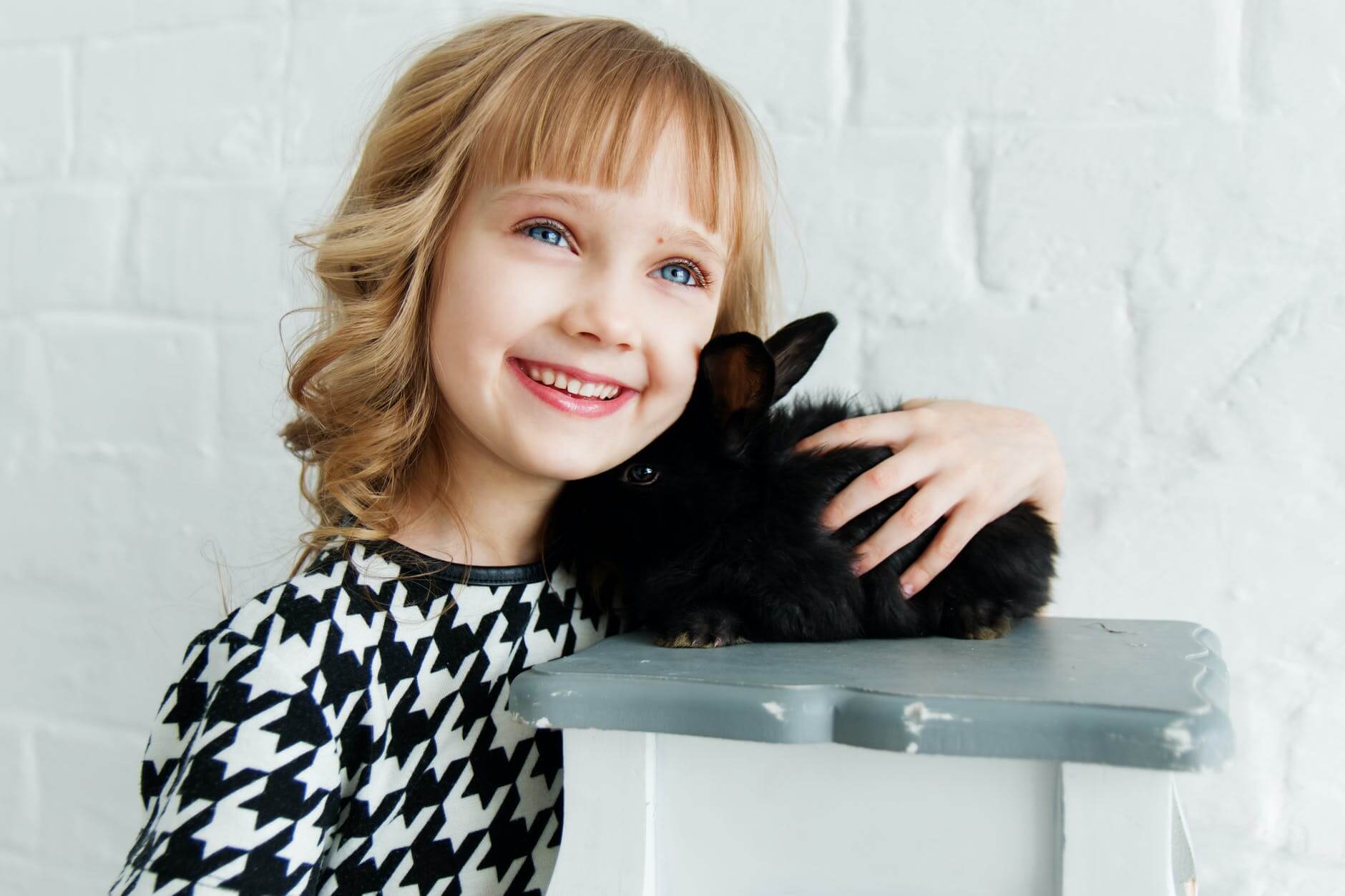
girl holding black rabbit
Photo by Anastasiya Gepp on Pexels.com

Energy level and age go almost hand in hand. You don’t want to get grandma and grandpa an Aussie. Trust me. But by the same token, you don’t want to give a bunny to a 3 year old. It takes a certain level of responsibility and energy level for each animal.

Remember how I mentioned we got our Aussie from a couple in their 70s? They said it was because they thought she would outlive them. But let me tell you, I’m in my 40s, and I don’t have the same energy that I had in my 20s. But thankfully I have kids. Secretly I know that couple gave us Sophie, because they were afraid for their health. They couldn’t match her pace.

  • Can the recipient afford a pet?
credit cards
Photo by Pixabay on Pexels.com

I listed finances as a con to gifting pets. So you want to take this into consideration if you want to give someone a pet for Christmas, or any other holiday. Depending on who you’re giving the pet to, can they afford caring for it? And if the recipient is a child, are the parents prepared to care for the pet?

  • Does the recipient have the space?

Does the intended recipient have space for a pet? And if so, are they allowed to even have pets? Do they own or rent? If they rent, they’ll have a pet deposit. These are serious questions to consider before running out and getting that puppy.

  • What is the recipient’s activity level?
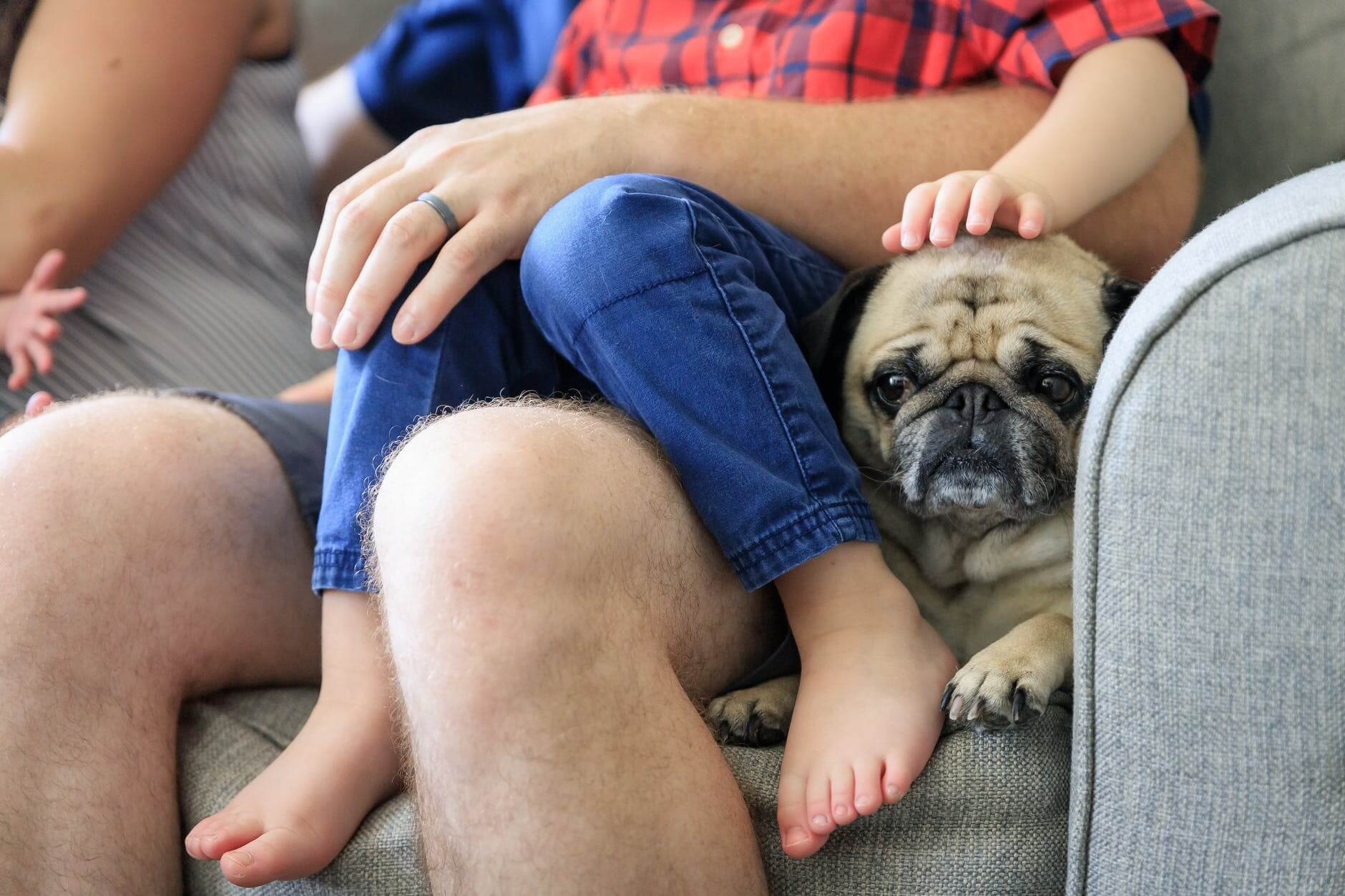
a family sitting on the couch with their pet pug
Photo by Michael Morse on Pexels.com

The last thing to consider is the activity level of the intended recipient. Do they like the outdoors? Or do they stay indoors, hanging out in front of the TV in their spare time? This will help you know whether to get an active pet or a more chill one. Because your friend won’t appreciate you giving them a dog that needs a lot of exercise if they like the peace and comfort of their own home.

How to Give a Pet as a Christmas Gift

So you’ve answered all of the above questions, and you decided a pet is a good idea. But how should you give the pet as a gift?

No doubt you’ve seen movies or commercials where puppies were tied with bows and given to their recipients. Or they were placed in a box. However, that would make the animal nervous or even suffocate if the box was sealed.

stuffed bunny
Photo by Kha Ruxury on Pexels.com

Rather than giving a pet at Christmas, give a stuffed animal as a representation of the pet. And tell the recipient that you want to buy a pet for them. That way you can look together.

photo of person touching brown puppy
Photo by Helena Lopes on Pexels.com

Also, many sites advise making the recipient part of the final decision on the pet. Furthermore, countless places encourage adopting from shelters or rescue organizations.

I hope I’ve answered any questions you had. And at least gave you something to think about, if you were wanting to give someone a pet for Christmas.

Thanks for stopping by! Don’t forget to like, post a comment, share, and follow!

Categories
All animals non-fowl

Pet Gift Ideas for Christmas

Dogs account for the bulk of pets in the United States. And according to the American Pet Products Association pet statistics (APPA), dog owners spend ~ $1400 annually on their pets. While cat owners spend ~ $900 annually. These numbers represent medical, food, services, gifts and supplies. Also, the average that was spent on gifts last year on both cats and dogs was ~ $300 combined per a survey by TD Ameritrade. 51% of pet owners reported buying Christmas gifts for their pets last year, while 56% affirm they will do so this year. And ~ 80% of pet owners buy gifts regardless. With that in mind, we’ll look at some pet gift ideas for Christmas.

We too have gotten our dogs gifts for Christmas over the years. Like bones or rawhide. But this is the first year I’ve bought costumes and special toys, intended as gifts for my cat and even chickens! Have I gone off the deep end?
Reasons for the Rise in Pet Gifts

woman hugging a puppy
Photo by Nana Lapushkina on Pexels.com

Many companies joined the ‘pet gift’ bandwagon, like Target and Walmart, stocking their shelves in hopes of competing with online retailers. Which makes sense in light of the fact that during last year’s lockdown, many people adopted pets as pandemic companions. Again, American pet owners spent a whopping $99 billion on their fur babies last year. Moreover, that included medical, food, services, splurges on gifts, plastic surgery, and even the pets themselves.

Dog Gift Ideas

Aussie by an indoor Christmas tree and TV

There are numerous gift ideas to get your pooch, but these are just a few that I’ve come up with:

I’ve been seeing these dog beds on my Google feed for a few days. They advertise that they support better sleep, superior comfort and anti-anxiety. And it sells on Amazon.com.

With the smart dog collar you can keep up with how much exercise your dog is getting. And you can keep track of their whereabouts.

rubber Zisc flying dog toy

Ok, this is similar to a frisbee, but a lot more durable. And it’s not intended to be a chew toy, but with the Zogoflex it’s made out of, it can endure tugging, chewing, fetch, etc. Also, it’s gentle on your dog’s mouth.

Cat Gift Ideas

Similarly, there are a number of items you can find for your kitty. However, just like with your doggy, these are just a sample of what I found:

A self cleaning litter box with crystal litter that’s supposed to eliminate odor 5X more effectively than traditional litters. What cat owner wouldn’t want that?

box of flick and frolic cat toy

This is a Leaps and Bounds interactive toy that features a wand with a feather on the end.

multicolored fuzzy balls on brown surface

These are just what they sound like, and they’re the right size for your feline friend. This is Itty Bitty’s favorite toy, other than my hand and her backpack.

You could get your companion pet a treat or treats, however make sure it’s something they can eat. Although, if your pet has a weight issue, like they’re on the chubby side, you might want to skip the treats and get a toy instead.

Other Pet Gift Ideas

There are loads of sites out there, Amazon.com the most popular. However, Chewy is gaining ground, and they have amazing customer service. Along with the sites are numerous choices on gifts for your fur babies: Santa hats, reindeer antlers, sweaters, and clothing in general, if they can tolerate it. And make sure the clothing isn’t tight or restrictive. Though, you could go all out and send your pet to the pet spa. That is, if they don’t have separation anxiety.

Gift Ideas for Backyard Chickens

black rooster in Santa hat w/chickens in background outside

My last suggestions are for any pets you might have in your backyard. Chickens and ducks are not demanding, but they are curious. And they like to eat. So if you have some chickens and you want to splurge on them, you can get:

multi colored xylophone
Photo by Polina Tankilevitch on Pexels.com

Attach a xylophone to the coop at their level. And see if one (or all of them) will develop an ear for music. *Mine never did, but that was a long time ago. So maybe I’ll try it again.

  • cabbage
whole ripe fresh cabbage arranged on blue surface
Photo by Laker on Pexels.com

Hang cabbage from the ceiling/rafters of the run. Chickens love cabbage, and it takes time for them to eat it this way, because it’s a challenge. It also stimulates their natural foraging instincts.

Try adding a mirror to the run, or side of the coop, and watch the birds entertain themselves.

In conclusion

couple kissing dog in the snow
Photo by Mikhail Nilov on Pexels.com

There are a lot of gift ideas for your fur or feather babies, either online or in-store. And you don’t have to spend a ton to get them. Your pet loves you no matter what, and more than anything, they want to spend time with you.

Categories
All animals non-fowl

Pets and Thanksgiving

The weather is colder, leaves litter the ground, and stores are busier as people get their turkeys and the trimmings. All of which indicates Thanksgiving is right around the corner. And whereas it’s a time of feasting with family and friends, you have to consider your pets and Thanksgiving, like what treats, if any, you give them.

Also, some of you will stay home and spend the holiday with family at your own homes. While others will travel. But what about your pets? Do you board them or take them with you? Below are some tips to keep your pets safe and hopefully stress-free this Thanksgiving.

Pets and Thanksgiving Food Risks

First, I’m going to cover foods to avoid giving your pets, like dogs and cats. Although, if you have a bunny, check this out for a list of things to avoid, as well as treats that are safe. So don’t give your pets:

  • FATTY FOODS
rectangular casserole on pot holder
Photo by Maksim Goncharenok on Pexels.com

Don’t give fatty foods (ex, turkey skin, gravy, and casseroles) to your cats and dogs, even if they beg, because those foods can lead to pancreatitis.

  • STUFFING
white cat drinking in a cup next to a plate of grapes
Photo by cottonbro on Pexels.com

The stuffing could contain raisins or grapes, let alone the other ingredients. And if your fur baby eats any, it can cause kidney failure in cats and dogs.

Also, while we can eat onions and garlic, they’re toxic to your pets.

  • DESSERT
close up photo of an orange cat near chocolate cake
Photo by Anna Bokova on Pexels.com

Don’t let your pet have chocolate or raw eggs from cake or cookie batter. And avoid letting them have desserts which could contain xylitol, an artificial sweetener found in chewing gum, because it’s toxic to your fur babies.

  • BREAD DOUGH
bread dough and rolling pin on floured surface
Photo by Skitterphoto on Pexels.com

Uncooked yeast ferments the carbohydrates in bread dough, producing carbon dioxide and ethanol. When your pet eats raw dough, it continues this process in their stomach. And your fur baby becomes muddled, bloated, and has impaired coordination, the result of alcohol poisoning.

  • BONES
people eating Thanksgiving meal at a table
Photo by cottonbro on Pexels.com

Poultry bones are small and brittle, making them especially dangerous to your cats and dogs. Whether the bones break or not, they can get stuck in your pets’ GI tracts. Or break a tooth, perforate their intestines, or cause an intestinal blockage. None of which are good, and all would require a vet visit.

mixed flock of chickens in a yard

If, on the other hand, you have backyard chickens and want to get rid of that turkey carcass, go on ahead and give it to them. It won’t bother them one bit. Actually, any leftovers you have, except dessert, should be fine. They’ll eat it all. See this for more details on what your backyard birds can or can’t have.

Thanksgiving Treats that are Safe for Pets

If you’re disposed to feed a feast to your pet, first there are a couple of requirements. DON’T substitute treats for their regular food. And a good rule of thumb to follow is to give your pet no more than 10% of their daily caloric needs.

close up photo of dog treats
Photo by Pavel Danilyuk on Pexels.com

For instance, our dog Sophie weighs 30 lbs, and her daily caloric intake is ~600. So we shouldn’t give her treats in excess of 60 calories. Thus, her total treats shouldn’t be more than 60 calories combined.

But for your pets on Thanksgiving, you can either buy them their own special treat, or you can offer them:

  • turkey
person serving turkey with silver fork and knife on white ceramic plate
Photo by RODNAE Productions on Pexels.com

This is perfectly safe as long as it’s cooked, boneless and unseasoned turkey meat.

  • sweet potato
slice sweet potato
Photo by Ela Haney on Pexels.com

Again, so long as this is a plain sweet potato, without the casserole, your pet will be ok. However, only let them have a little bit.

  • cranberries
bowl of fresh cranberries
Photo by Jessica Lynn Lewis on Pexels.com

You can give your pets fresh, plain cranberries in moderation. Though canned cranberry sauce is too sweet to give to them, while dried cranberries often have added sugar. Although, your fur baby might not eat plain, fresh cranberries, so try cooking them (without sugar) and combine them with pumpkin.

  • apples
sliced green apple on brown wooden surface
Photo by Jessica Lynn Lewis on Pexels.com

Apples are a great snack for your fur baby, but again, moderation is key. And be sure the pieces aren’t a choking risk, and remove the seeds and core.

  • pumpkin
can of Libby's canned pumpkin on a countertop

Canned pumpkin is better than fresh pumpkin, because it’s cooked and has a higher concentration of fiber. But, if you get canned pumpkin, make certain it’s NOT pumpkin pie filling.

  • green beans
green beans in a white ceramic bowl on the ground
Photo by Zeynep Sena Açar on Pexels.com

Both cats and dogs can have plain, green beans. However, cats need their veggies cooked since they lack an adequate way to break down plant cell walls.

Veterinarian or vet tech examining a German Shepherd dog on a clinic table
Photo by Tima Miroshnichenko on Pexels.com

***If you think your pet has eaten something on the ‘Do Not Eat’ list, call you vet or a local clinic ASAP. Signs of pain/suffering include an immediate change in behavior, lethargy, pain, vomiting, or loose stools.

Pets and Company at Thanksgiving

adorable husky with its head resting on tabletop
Photo by Pixabay on Pexels.com

Even if you have the calmest fur baby in the world, there’s still a lot to look out for and to be aware of when mixing guests and pets. Below are some tips for your pets to have an anxiety-free time.

  • Guests can stress our pets
gray dwarf lop eared rabbit in shoebox lid under a bed
When we have company, our cats hide in our bedrooms. And when we had Mabel, our bunny, he would also hide in my room, but under the bed.

Both cats and dogs experience stress when company visits their homes, however it’s for different reasons. Dogs are territorial, while cats don’t like things happening outside of the routine. But, if you’re already aware that your pet is nervous with a crowd, then put them in a separate room, closed off from access to guests, with some toys.

calico kitten in large crate with a bowl and toy
Photo by SplitShire on Pexels.com

Or you could put your pet in a crate with their favorite toy, if you think someone might disturb them, to protect your guests. If your fur baby is very upset by company, talk to your vet about alternative solutions to this issue.

  • Pets can stress out our guests
red blue and green parrot
Photo by Rodolfo Clix on Pexels.com

Just as our pets can get anxious by strangers in their home, our company can get nervous around our pets. Or the types of pets we keep, and exotic pets are no exception. So keep your company and exotic animals firmly away from each other.

With that in mind, if any of your guests are immune-compromised or pregnant, inform them about any and all pets, especially any exotics you may have.

  • Mind the doors
selective close up photography of brown dog looking up
Photo by Simon Robben on Pexels.com

If your pets get on well with company, this is even more important, because in the confusion of people coming and going, your pet can step out the door with no one the wiser.

  • ID tag and microchip your pets
dog in collar with ID tags in sunlight
Photo by Blue Bird on Pexels.com

Be sure that your fur baby has the most up-to-date identification, especially a microchip with current, registered information. That way, in the event they do manage to get out, they’re more likely to be reunited with you. If your pet isn’t microchipped, talk to your vet about it.

  • Watch your pet around decorations and plants
mixture of tropical plants by a picture window with lamp in background

Don’t leave your pet alone with a burning candle, because accidents happen, and it could lead to a fire. Also, when it comes to decorating with plants, there are many that are harmful to pets. So it’s best to keep all plants and table decorations away from your fur babies.

Traveling with Your Pet at Thanksgiving

sable and white Shetland sheepdog in driver's seat of car

Now if you’re traveling with your pet, there are other things you need to take care of, such as:

  • making sure your fur baby’s vaccinations are up-to-date.
  • restraining your pet while driving, either in their carrier or a secure harness.
  • and finally, never leave your pet alone in the car.

If you’re like me, with 20-something backyard birds, 5 or 6 ducks, 3 cats, one that’s still intact and lives in the house, and 1 female dog, who’s also still intact and lives in the house, you might be trapped to your home. And thus, pets, because they all have a lot of different requirements.

But it’s ok, because I love them. However, I’d like to hear about you and your pets around the holidays. What do you do? Do you take your pets with you or do you board them? Or get a neighbor to keep an eye on things?

Thanks for stopping by! If you like this post, please like it, post a comment, and share it!

Categories
All animals non-fowl

Meet Our Newest Pet

In July of this year (2021) we got a new member of our household. She’s an Australian Shepherd Mix. The ‘mix’ is part miniature Aussie. And she’s about 7 1/2 months old. I briefly mentioned her before, however not in any detail. So, without further ado, I want you to meet our newest pet: Sophie!

Not that we didn’t have enough animals to keep us busy. But there was still a hole to be filled for my husband and middle daughter, because our last dog passed away around the beginning of last year (2020).

Shetland Sheepdog by someone's legs

For the longest time the only kind of animal we had was a dog. And it was usually the same kind of dog for the past 20 years. But obviously not the same dog. And since our Sheltie, Moses, died last year, Paul and Hannah have wanted another one. Even though we have enough animals to go around.

At first Hannah looked through ads or Googled similar animals to Moses. However that soon proved to be cost prohibitive. Think thousands of dollars.

Two Shetland Sheepdogs with my a toddler in a backyard

When Paul and I first married, he already had a Sheltie. So we got another one, which was the runt of the litter. But she only cost us ~$350. Then when both of them passed away, (due to old age and an accident), we got Moses. Again he was the last of the litter. And we got him for the swinging deal of $200. That was in 2006.

Fast forward to present day, and we realized quickly that the cost of dogs is definitely not the same. It seemed like every dog we were interested in or called about had AKC papers. Although we could care less about such things. Because we would’ve been interested in another runt without papers. What do breeders do with those dogs?

We toyed with the idea of getting one from a shelter. However we weren’t certain we’d be able to find a dog that would match our home: We have chickens, ducks, 3 cats, and an 11 year old. And we also had a bunny at the time.

scam alert letting text on black background
Photo by Anna Tarazevich on Pexels.com

Several months and a scam later, one of our neighbor’s connected us to an older couple. They had Sophie originally and very likely realized they couldn’t take care of her or meet her energy requirements. So they asked our neighbor, their friend, if they knew anyone who wanted a dog.

Man holding an Australian Shepherd

And that’s how we acquired Sophie. The only stipulation her previous owners charged us with was that we kept her name the same. Thus we left her name untouched.

Being an Aussie, she has boundless energy, from 5 am till 9 pm or later. She’s definitely rarin’ to go before the sun rises. And she can outrun any of us. Additionally she’s an exceptional acrobat.

Calico kitten and Australian Shepherd share a couch

Also, she likes to scare the birds, including my chickens and ducks. But her best friend, other than Hannah, is my kitty, Itty Bitty. They play with each other. And often times they can be seen napping near one another.

Sophie is easily trained when food is at stake. So far she has learned to beg and dance for her dinner. No, just kidding. But seriously, she can walk across the room on 2 paws. All for food. And she’s also house broken.

Australian Shepherd on a blanket outside in a backyard

Though there are other things she picks up on. For example, when my kids play with her: They’ll end up playing hide and seek after they throw her ball or toy. And after a couple of throws, Sophie realizes the kids are disappearing. Which makes her hesitate to run after her toy. Or she tries to keep an eye on them.

She’s certainly a lot of fun to watch. But she has way more energy than I do. Since she’s supposed to be a work animal, I’ve joked that Paul should put her to work. Then she’d be worn out by bedtime. And he said he was going to make a comic out of that. One where she’s mowing the lawn.

Thanks for stopping by! And if you liked this post, please click like or leave a comment and share!