

Last summer we had a heat wave and triple digits to deal with. And this July 3rd marked the hottest recorded day on earth. When we’re outside having fun with our fur babies, things can quickly go downhill for them, if it’s hot. It doesn’t take Sophie long to tire out and start panting after chasing her tennis balls. I already explained about taking care of chickens in the heat last year. So, today I’ll cover keeping your other pets safe in the heat.
Because cats and dogs don’t sweat like us, their pet parents, they’re more sensitive to the heat than us. Thus, what’s warm to us may be hot to them. And what may be hot to us could be deadly to them. Both dogs and cats release heat through their paw pads and by panting. However, whereas dogs also use their noses, cats will fastidiously groom themselves. But what they’re in truth doing is evaporative cooling, much like sweating. Plus, if they can, both animals will move to a cooler area, like a stone or tile floor to cool off.
Normal body temperature for cats is around 100.5°F – 102.5° F, while normal temperature for dogs is 99.5°F to 102.5°F. Therefore, if your pet’s core temperature is higher than that, and they’re unable to cool themselves, they can suffer from heat-related illness or hyperthermia. Additionally, there are 3 different types, and they differ in degree of danger: heat stress, heat exhaustion, and heat stroke. Heat related illnesses are not as common in cats as they are in dogs, since cats aren’t as at risk of being locked in hot areas. However, that doesn’t suggest cats aren’t vulnerable to the heat. Below are some signs to look out for.
Signs of Heat Stress in Pets

Dogs
- Excessive thirst
- Increased panting
- Appears tired
- Looks for cool or shady spots to rest
Cats
- Restless Behavior
- Panting
- and Seeks cool spots or shade
If you notice your cat or dog displaying any of the above symptoms, then simply move them to a cooler area. And offer them cool, fresh water. Both your cat and dog will most likely stop to rest until they feel better. Although, in the event your dog doesn’t realize they’re overheating, just keep them from any other activity until their symptoms improve. Cats don’t generally have an issue with resting; just be sure to get them into a cooler environment. And offer them fresh water.
Symptoms of Heat Exhaustion in Pets
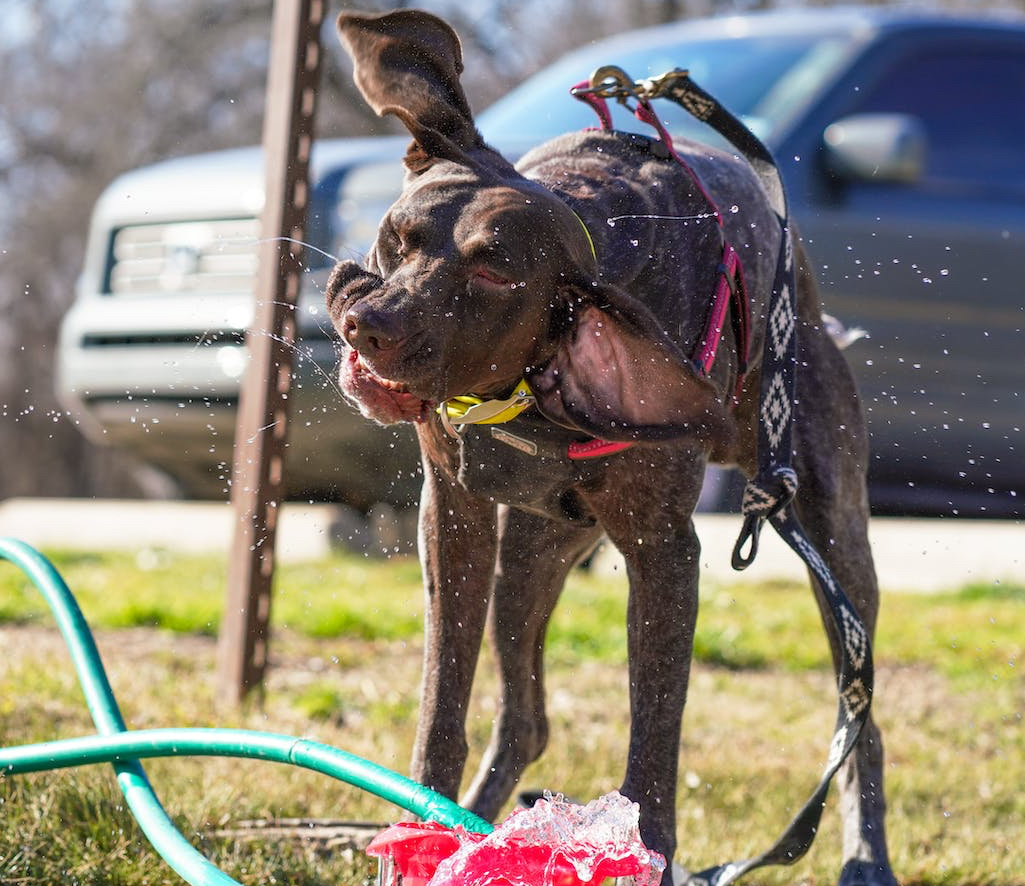
Dogs
- Severe panting
- Rapid or difficulty breathing
- Anxiety
- Excessive drooling
- Drinking water often, or looking for water
- Lethargy
- If on a walk or run, taking frequent breaks
Cats
- Excessive panting
- Rapid heart rate
- Sunken eyes
- and Dehydrated (Gently pinch skin between neck and shoulders. Does skin stay ‘tented’? Or is it slow to smooth down? If so, your cat is likely dehydrated.)
In the event your pet has any of the symptoms of heat exhaustion, move them to a shady spot or an air-conditioned space at once. Next, offer them small amounts of water, but don’t force them to drink. In addition, you can place your pet on a wet towel, and gently pour cool, NOT cold, water over your pet’s groin, armpits, and neck. Or you can immerse them in a tub of cool water. Don’t use cold water or ice, because that would over-cool your pet, causing them to shiver. Also, using cold water and ice causes vasoconstriction and reduces your pet’s ability to cool down.
If your fur baby isn’t treated for heat exhaustion, then in all likelihood, the symptoms will move on to heat stroke. Heat stroke can occur when a pet’s internal body temperature gets above 104°F -105°F. And it damages organs and cells in the body, and might also result in death. Moreover, heat stroke is an emergency in any animal. Contact your pet’s veterinarian immediately if you think your dog or cat is overheated.
Signs of Heat Stroke in Pets
Dogs
- Excessive drooling
- Confused or disoriented
- Increased sleepiness
- Gums either bright red or pale
- Elevated heart and respiratory rate
- Muscle tremors and/or seizures
- GI issues (vomiting or diarrhea)
- and They may appear to be unresponsive
Cats
- Panting
- Fast breathing or respiratory distress
- Anxiety and uneasiness
- Sleepiness and weakness
- Confusion
- Dark gums and tongue
- Rapid heart rate
- Sweaty paws
- Salivating excessively
- Seizures
- GI issues (vomiting or diarrhea)
What to do with a Pet with Heat Stroke

Treating a pet with heat stroke is similar to heat exhaustion. You quickly remove your pet from the heat into a shady or air-conditioned area. If you can, check their temperature rectally: 104°F indicates an emergency for a cat, while 105°F for a dog. Also, if they’re alert, then offer COOL water to drink, but don’t force them. Again, place them on a wet towel, and pour COOL water on their groin, armpits, and neck. DON’T wrap them in wet towels, as that will trap the heat. And notify your veterinarian immediately. Or go to the closest open veterinary clinic at once. You want to keep checking their temperature, so it doesn’t fall too suddenly, or get below 103°F.
After starting the recommended first aid care for your pet, and seeking medical attention, your vet will observe your pet’s temperature and administer a number of assessments to diagnose your pet’s condition. And treatment may include
- IV fluids
- Mild sedation
- O2 therapy
- and Continued monitoring
Recovery depends on how quickly pets are treated. According to NIH, one of the main risk factors for heat strokes resulting in death for dogs was prolonged time-lag from heat insult to veterinarian visit.
Risk Factors for Pet Heat Stroke
Dogs
- Obesity
- Very old or very young
- Underlying health issues
- High body weight or large breed dogs
- Certain breeds, like Labrador retriever
- Lack of acclimation to heat stress
- Lacking physical fitness and exposure to hot, humid environments
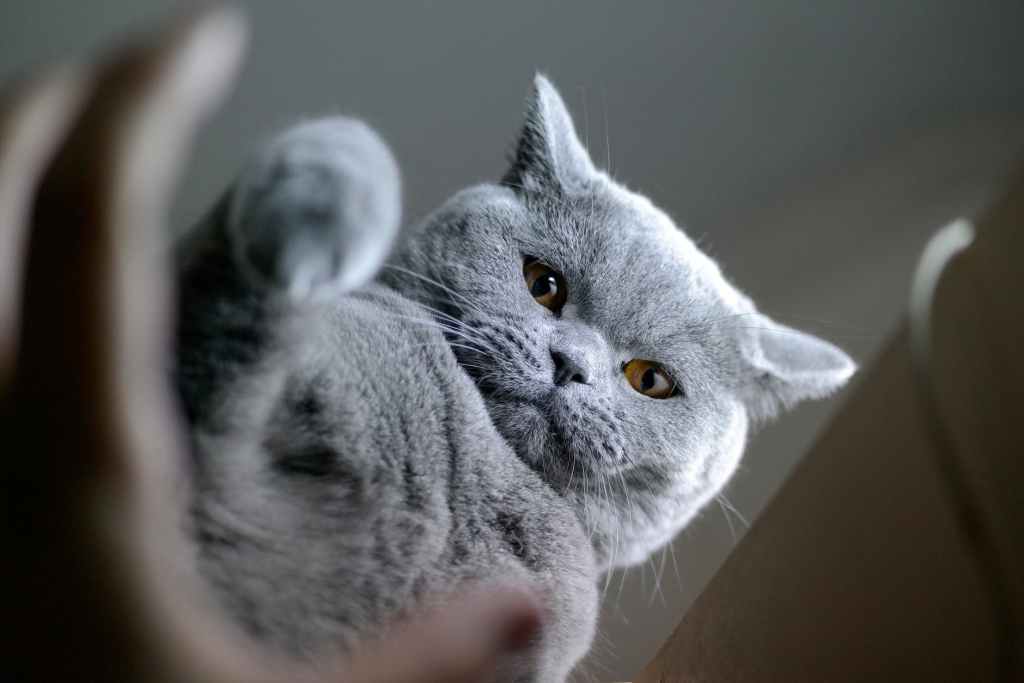
- Brachycephalic (flat faced) dogs
- and Exercise induced malignant hyperthermia
Cats
- Elderly cats or kittens
- Being overweight
- Pre-existing conditions, like kidney or heart disease, or cats with lung conditions
- and flat faced cats
Preventing Heat Stress before it’s an Emergency

- Either keep your pet indoors and out of the sun during the hottest and most humid part of the day.
- Or make sure they have access to cool, shady spots outside at all times.
- Do NOT leave your pet in cars or hot rooms, like the garage.
- Make sure your pet has access to plenty of water throughout the day, and add ice to keep it cool.
- Plan exercise at cooler times of the day, morning and evening.
- Groom your pet if it’s advised for their breed. And trim long hair, but never shave double coated breeds, like Shelties and Aussies, because it can have the opposite effect of cooling them off.
- Ask your vet if your pet would benefit from sunscreen.
- Bring extra water bottles on walks.
- Hot pavements can burn paws! If it’s too hot for you, it’s too hot for your pet to walk on.
- If you don’t have A/C, leave ceiling fans on, and get your pet cooling mats.
- Even with A/C on, if your pet stays inside, don’t set the temperature higher than 80°F.
- and Buy or make frozen treats for your pet; and dispense them on the super yucky days.
Keeping Your Pets Safe in the Heat
Flat-faced, obese, large breed, and exercise, heat, and humidity deficient dogs are more at risk for having trouble with the heat. Likewise, cats that are flat-faced, very old or very young, or with pre-existing conditions have more difficulty with the heat. While, it’s been suggested that some dogs can be properly acclimated to the heat and humidity, nothing indicates the same for cats. Though cats aren’t as susceptible to heat stroke as dogs are, neither should ever be locked in a hot room or vehicle.
Signs to watch out for include drooling, disorientation, vomiting, diarrhea, panting, racing heart, respiratory distress, and seizures. And if you suspect your pet is overheating, immediately contact your veterinarian. The sooner they get treated, the better the outcome. Furthermore, when it’s 80°F out with high humidity, if you leave your pet outside, make sure they have plenty of water and shade. And save physical exertion for mornings and evenings.
When I was ~ 8 and 9, we lived in Tennessee, and we had an outside dog and 2 outside cats. One summer, one of the cats died from heat stroke. Back then, obviously I didn’t know why or what caused heat stroke. It’s more common for a dog to get heat stroke, but here was one of our cats that died from it. The cat wasn’t one of the flat faced breeds. And it was around 2 years old, so not old or young. However, I have no idea if it had an underlying condition. Have any of your pets overheated or almost overheated? If so, how did you treat them?
Thank you for visiting. Please share, and if you don’t already follow, you can do so now. Also, if you live in the Oklahoma City Metroplex and need chicken, duck, or any other pet sitting needs, feel free to visit my contact page.
 Chicken Girl