
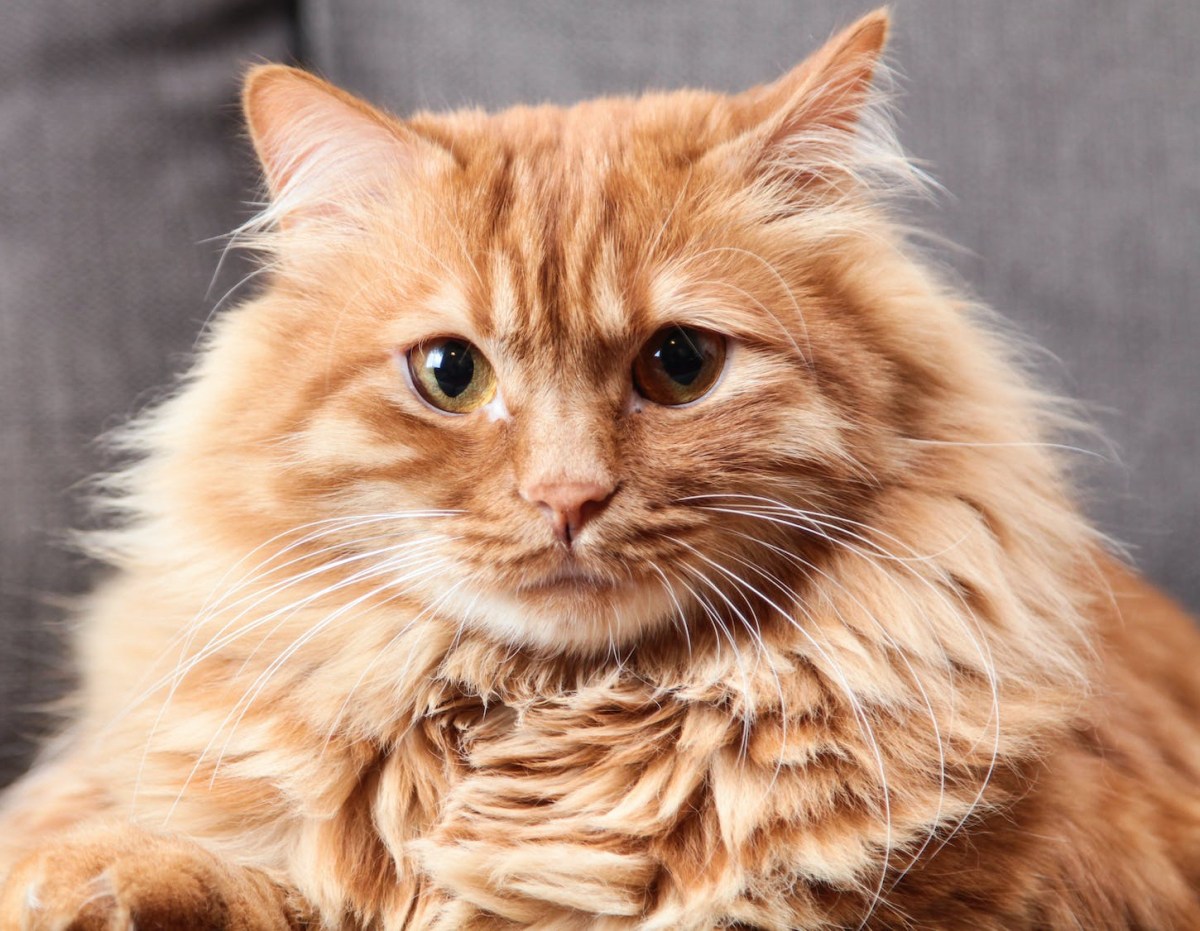
Was there ever a time when you were holding your cat and suddenly noticed fur everywhere? That’s happened to me with Itty a few times. Therefore, at those specific times, I wanted to know, why is my cat suddenly shedding so much? I had a guess to Itty’s shedding. But there can be many causes.
Shedding is a normal process for cats, just as molting is for chickens and snakes. Plus, your cat will always leave behind errant hairs. However, at times, it can seem to be too much fur. Or, as I pointed out before, it seems like it comes out of nowhere. So, what’s considered a normal amount of shedding? In addition, what’s causing all the shedding? And should you be worried? We’ll answer those questions. Then go over tips to help you with your shedding cat.
What’s Considered a Normal Amount of Shedding

We didn’t have cats till moving to Oklahoma, but we did have a dog. So I already knew about dogs shedding. However, when our last dog passed away, the fur was almost non-existent in the house. That is until we got a bunny. Then, not long after, we got Sophie, our Aussie. That’s not to say Itty won’t shed; she just doesn’t as much as Cake, who has a fluffy coat. And Pickles might not have as much fur, though she’s a kitten. Thus, she’s transitioning to her adult coat. Consequently, she seems to shed as much as Sophie.
Cats can shed twice annually. In the spring they shed their winter coat. And in the fall, they shed to replace their fur in order to get their winter coat. Although, if you have an indoor cat, like me, you might not notice the shedding as much all at once. On the other hand, if you have long-haired cats or cats who have a lot of fluff, they tend to shed more than short-haired breeds.
Why do Cats Shed

Similar to us shedding hair, cats primarily shed their fur to make room for new fur. It’s based on a cycle and daylight exposure. And many things can influence this cycle, including whether your cat is inside or out. Though, usually indoor cats will shed some throughout the year. Other reasons cats will shed their fur include
- allergies
If your cat is suffering with allergies, excessive or abnormal shedding is one of the signs.
- parasites
Fleas, ticks, and mites cause itchiness and inflammation, which then spurs your cat to scratch and scratch. And a lot of scratching will lead to shedding.
- ringworm
Rather than an actual worm, this is a fungal infection that affects the hair and hair follicles. In addition, one of the first symptoms can be a bald spot on your cat’s body.
- pregnancy
Both pregnancy and lactation can deprive cats of calcium and minerals necessary for their coat. And that can lead to shedding.
- metabolic disorders
Damage to the thyroid or hypothyroidism can bring about a decline in hair follicles. Plus, kidney failure leads to hair loss, while diabetes causes dandruff, flaking, and unkempt fur.
- poor diet
Lack of sufficient protein or inadequate food can cause shedding. If you’re a first time cat owner, ask your veterinarian what brand they recommend you feed your fur baby.
- age
When a kitten is reaching adolescence, ~ 6 to 12 months old, they start to shed their baby fur. Moreover, coat quality changes as animals and people age. Fur and hair get thinner. Thus, for cats, shedding is likely the culprit.
- and lastly stress
When cats experience a sudden fear response, like going to the veterinarian, quick shedding is a normal biological response. On the other hand, longterm or chronic stress can cause behavioral issues, such as over-grooming. And that leads to hair loss, such as bald spots.
As you can see, some of these causes of shedding are quite normal and nothing to be concerned about. However, some of them definitely merit a visit to the vet. Next, we’ll look at ways you can help your kitty when they’re shedding or to prevent it before it starts.
How to Help Your Shedding Cat

If the shedding is due to seasonal change (spring or fall) or their age, then try the following:
- Get the appropriate tools
Short-haired cats need a fine-toothed flea comb, soft brush, grooming mittens, and a shedding tool. Long and medium-haired cats need a wide-toothed flea comb, longer brushes, and a shedding tool.
- Use those tools regularly
Combing and brushing your cat several times per week and daily during seasonal changes will help in the long run. In fact, this is the #1 piece of advice anywhere. Also, this is best to start when cats are young. But, if you didn’t, it’s ok. Just offer positive reinforcement, and go slow. Also, definitely go slow when using the shedding tool. And don’t over-use!
- Get your kitty professionally groomed
Some brave souls opt to bathe their own cats when shedding is at its worst. After a warm bath with cat-safe shampoo, comb and brush your fur baby till they’re dry. You’ll be surprised by all the fur!
- Boost hydration
It’s not that your cat is to the point of dehydration. But cats are known to be picky when it comes to water and where it comes from. Thus, if you don’t change their water daily, have an automatic water dispenser, or a fountain, that could be contributing to their shedding.
- Improve mealtime
Adding wet food containing seafood will do so much for your cat’s coat. I personally can vouch for that. When Itty came to us she had a dull, dry coat. However, it wasn’t until I started adding wet food to her diet that her coat got bright, shiny, and silky. Now that she’s an adult, she also spends the majority of her waking time grooming herself. And, as I mentioned, she rarely ever sheds, unless she’s stressed.
However, if shedding isn’t due to seasonal change or age, or if your cat is pregnant or has any bald spots, call your veterinarian. Your vet is better equipped to give you advice on what’s going on with your kitty. Anything from fleas and stress to age-related disorders or allergies can also cause shedding.
To Summarize
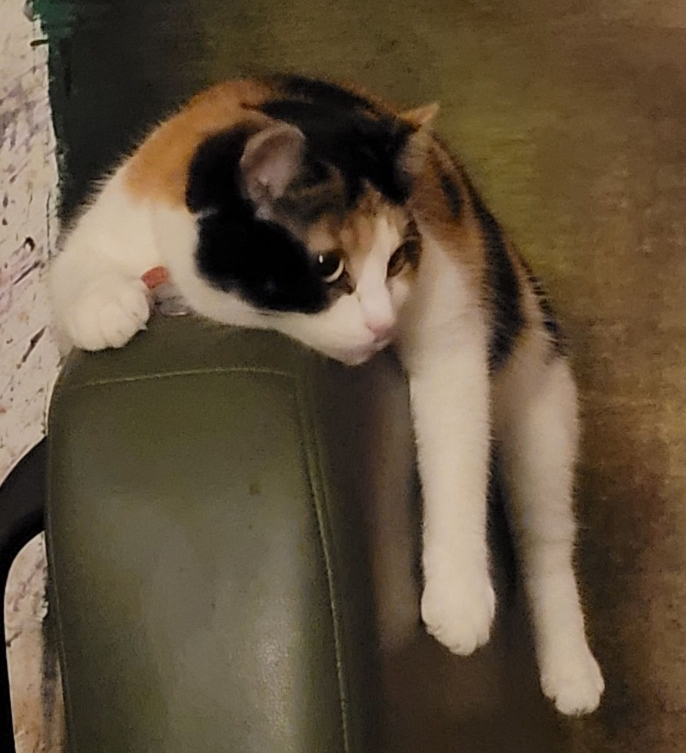
Shedding is normal for cats, just as it is for dogs. However, parasites, ringworm, allergies, old-age, stress, and disease can also affect cats and ultimately their coats. Any time your cat is shedding excessively and you’re unsure of the reason, or if they have bald spots, it’s best to let their vet check them out.
Other than seasonal change, do you know why your cat sheds? How do you handle it? As I said, Itty is our only cat that doesn’t shed a lot, unless she’s stressed. And as far as stress, she’s been doing much better. Thank you for stopping by. Please share, and if you don’t already do so, you can follow me now.
 Chicken Girl