

Recently I wrote an article about dog attacks while walking. And in it, and several posts, I’ve mentioned the word socialization. Additionally, we hear that term a lot regarding animals like cats, dogs, and even people. But just what is socialization for dogs? We’ll explore the answer to that question and why it’s important. Plus, I’ll explain how to socialize your dog, including how to recognize poor socialization.
What is Socialization for Dogs
According to Wikipedia, socialization is the process of training animals, so they can be kept in close relationship to people and other animals. Similarly, socialization for dogs is teaching them to like contact and be easygoing with other people, animals, places, and situations.
Benefits of Socialization for Dogs and Pet Parents

Socialization for dogs is equally as important for dogs as it is for people. But the reasons of significance aren’t necessarily the same. Below you’ll find the advantages to socializing your dog, such as
- fear and anxiety are greatly reduced
If your dog is well socialized, then they usually aren’t afraid of people, animals, situations and/or activities, making them a calmer and more confident dog.
- better physical and mental health
Good socialization is better for overall health. Also, with proper socialization, dogs aren’t as prone to issues like Cushing’s disease, depression, upset tummies, skin problems, and diabetes that occur from continual fear and worry. In addition, if stress and anxiety are managed, then dogs will live longer, healthier lives.
- traveling and grooming are easier
- non-aggressive to people and other pets/animals
- alleviates unacceptable behavior
When your dog is adequately socialized, they don’t use the bathroom in the house, chew on your clothes, walls, furniture, or baseboards. And they don’t bark non-stop. It’s almost like they’re a member of the household. I don’t know; maybe because we’re treating them like one.
- and playful, positive, lifelong relationship between pet-parent and man’s best friend
When and How to Socialize Your Dog

Experts say the best time to socialize a dog is when they’re 3 to 14 weeks old. But the socialization process doesn’t end at 14 weeks. It’s ongoing and lifelong. So that means, if you rescued a dog from a shelter, you can still socialize them. However, just keep in mind, they possibly have trauma, and it may take longer. Therefore, go slowly and be patient with them and yourself.
As I’ve pointed out elsewhere, we got Sophie from a couple nearly twice our age when she was 8 months old, way past the magical socialization period. And we’ve had to deal with her incessant barking, recent aggression, and chewing on clothes, etc. Though, it’s not a reflection on the previous owners. In some cases it can be, but not all the time.
Most situations where a dog or cat isn’t socialized, I believe it’s similar to this couple. They mean well and love their pet, but they’re busy and tired. Or they’re much older, so don’t socialize or go out as much themselves. Then again, they may not know they’re creating an issue for their pet and themselves, or any of a number of things.
That said, when adopting a puppy, ask for any pre and post-socialization plans. Then take the following steps.
- First, without delay, gently handle your young charge.
As soon as you have them carefully start handling your puppy. And don’t forget to include other members of your nuclear family. There’s always an opportunity to teach your little fur baby what’s acceptable and what’s not, in a safe manner.
- Further, utilize positive reinforcement.
Never scold or harm your pet if they don’t meet your expectations. They won’t understand why you’re yelling at them anyway. Plus, your negativity will further stress them out.
- In addition, steadily introduce your promising pooch to new and diverse people, animals, places, and experiences.
Begin small, and work your way up in difficulty. For example, one of your first public outings with your pup should be to the vet, if they haven’t had any vaccinations yet. Depending on where you live, this should be just the right experience too. Avoid public parks and dogs that haven’t had their shots until your pooch is caught up on vaccines. Also, don’t forget to bring a treat!
- But, don’t overdo it.
While you’re acquainting your fur baby with being a respectable member of your family, try not to overwhelm them. Moreover, be aware of any indications they’re afraid, anxious or stressed. If you see any clues your puppy is uncomfortable around other people or pets, back off and review the situation. Maybe revisit another time with more rewards. Although, don’t push your dog, if they’re clearly stressed out.
- Also, sign your pup up for a class.
Dog socialization classes can be a huge help during this formative period.
- And be dedicated.
Given that socialization is forever, don’t ever stop working on it. Like I said, there will always be an opportunity to teach your fur baby.
- Lastly, get help when needed.
In the event you’re having trouble training your pooch, or there are specific behavior problems, reach out to a certified dog trainer.
What About Adult Dogs

Socializing adult dogs looks very similar to socializing puppies. However, adult dogs may not be as eager with the process, depending upon the particular dog’s history. As such, if you have an adult dog that requires some socialization, try the steps below.
- First, go slow
Since you don’t want to distress your furry friend, take this step first. Just don’t rush the process.
- Next, use a reward system
Like positive reinforcement, a reward system depends upon treats, praise, playtime, etc. And you reward your dog for good behavior.
- Take your pooch for a walk
Walking is as good for socialization as it is for exercise. Although, if you get into a stressful encounter, just stop for the day. And go home. But don’t forget to bring the treats to reinforce the positive contacts for the day.
- Then acquaint your dog with an adult dog
Get together with a friend and their dog for a walk. Make sure there’s abundant space between the dogs. And if your dog stays calm, reward them. Moreover, when the walk is finished and both dogs appear calm, let them approach each other, leashes on. Additionally, reward the positive interactions. In this instance, you both might be finished socializing for the day. Or, if you both feel good about the other dog, you could go to a fenced-off area and attempt allowing both dogs to get to know each other. Start from a distance and on leash to off leash, reinforcing good behavior. If your dog had a good time, continue meeting up with this dog for regular visits.
- Time to meet another adult person
Some dogs do better with people than their own kind, and vice versa. Thus, if your dog has trouble with people skills, invite a friend to your house, sans any dogs. Ask your friend to ignore your dog, and if your fur baby is at ease, then give them a treat. Then allow your friend and dog to get more comfortable with each other, by allowing your friend to give your pooch a treat. Eventually invite more friends over to meet your dog, one at a time. And go through the same process, working your way up to a group.
- Introduce your dog to pups and kids
Don’t forget to be certain the puppies you introduce are fully vaccinated. Also, be sure everyone (puppy, your dog, and child) is in a good mood and peaceful. I strongly advise against presenting hyper puppies and very hyper children to your dog if you know your dog suffered trauma. Since both puppies and kids can be impulsive, definitely do this only one at a time. And manage each move, and don’t permit any touching or contact until everyone is very familiar with each other.
- Enroll your dog in an obedience class
With the aid of obedience classes, your pooch can go much further. Socialization prepares your dog for being & behaving like a dog with other pets and people. Though, obedience training offers help with basic commands. However, there are a number of other things that can be learned with obedience training.
- Consistency is key
On par with socializing puppies, if you quit working on it, both you and your dog will suffer the consequences. Just remember to continue to take your dog on outings. And reward positive interactions.
- and Finally, enlist professional assistance
If you have trouble with any of the steps, or you don’t feel equipped with something, consult an animal behaviorist.
Signs Your Dog Needs Socialization Training
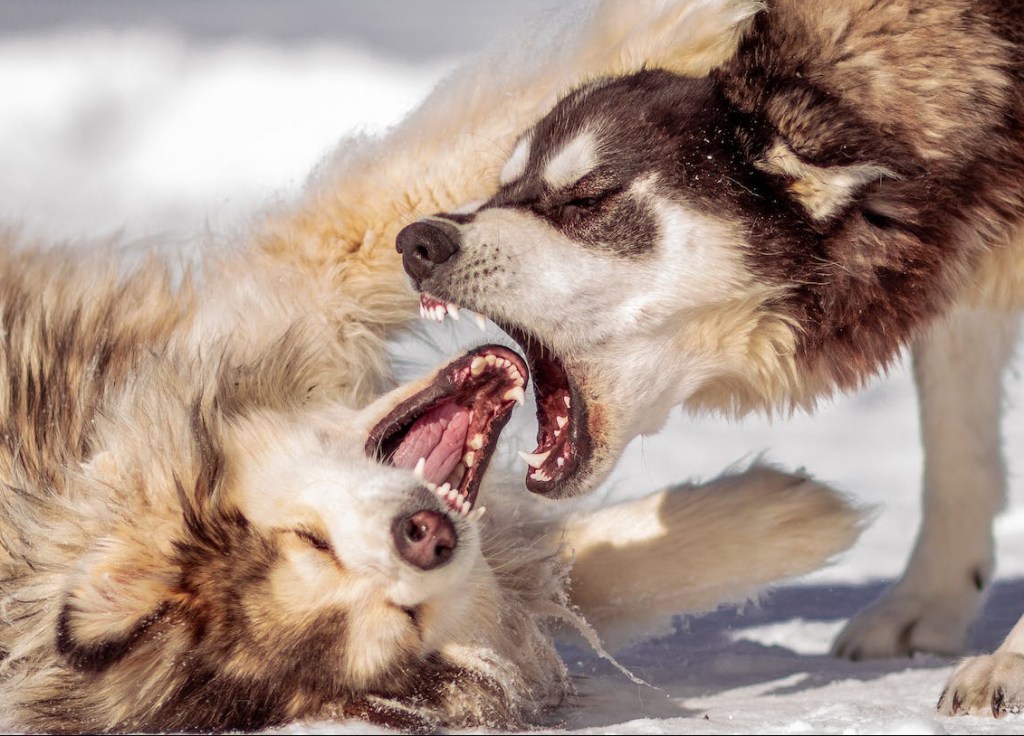
All puppies need socialization. So, if you adopt a puppy, begin training. And adult dogs still require consistency, no matter what training they had. But below you’ll find signs that indicate your dog needs socialization.
- Fear
One of the major consequences of not socializing your dog is fear. It can be a generalized fear of anything and everything new, like meeting someone for the first time. Furthermore, it can look like shyness or skittishness around others, difficulty being handled at the groomer, reactivity, and/or sound intolerance. Plus, it leads us to the next issue.
- Aggression
Fear and anxiety can cause aggression in dogs. In addition, raised hackles or growling are just 2 examples of aggression that could signal a dog lacks socialization.
- Very spirited around other people and pets
Hyper-excitability can look like your dog is happy and having a good time. However, in truth, your dog can be stressed. Moreover, a dog that acts overly excited can get out of control. And if you’re around other dogs, your dog could invade another dog’s space, and the situation could deteriorate quickly.
So, What is Socialization for Dogs

Dog socialization is training puppies and dogs how to confidently navigate their world. Even though the optimal time for this is 3 to 14 weeks of age, it’s never too late to start. And remember, training needs to be consistent, lifelong, and rewarding. Also, there are many benefits to dog socialization, including improved health and behavior. Moreover, the biggest signs a dog lacks socialization are fear and aggression.
In my opinion, I believe pet socialization can be achieved much easier with other socialized animals of the same species. For example, when we lived in Dallas, Paul had a Sheltie named Kirby when we first married. Soon we got another Sheltie we named Roxy, who was the runt of her litter. She was skittish and clearly lacked socialization. But Kirby was perfectly socialized. He was 8 years old when we got Roxy, and taught her how to be a dog. We had very little to do with her actual training. She was potty trained and trained to wipe her feet off at the door in a matter of a couple of months, if that.
What do you think? Is it easier to socialize pets when you have a well socialized pet of the same species already, or not? As always, thank you for reading my post. I look forward to your comments. Please share, and if you don’t already do so, you can follow me now.
 Chicken Girl