Categories
Chicks Hens Protecting Your Backyard Birds raising happy, healthy chickens Roosters

Pecking Order Behavior In Chickens

What is typical pecking order behavior in chickens? And how do you know if your birds have a successful social order? If you have a backyard flock or are even fairly new to this, then you most likely have seen this behavior. Where the birds will chest bump each other, flap their wings, puff themselves up in order to look bigger, and often times pull feathers out as they peck one or several birds.

If you’ve observed this in your birds, where they seemingly pick on each other for no cause, they aren’t necessarily being mean. Because they aren’t like us. They don’t understand between good and evil, right and wrong. But the chances are high that they are displaying what is called the pecking order.
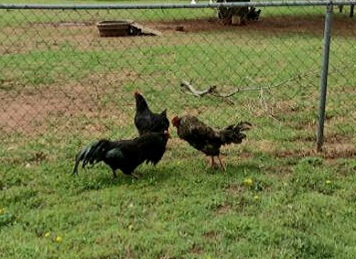
2 roosters fighting for dominance

SO WHAT IS THE PECKING ORDER IN CHICKENS?

The earliest use of pecking order referred to chickens displaying their supremacy over each other. It includes pecking and was used in the 1920s by a Norwegian zoologist to describe their behavior.

Pecking is just one aspect of it. However, it does certainly capture the essence of the phrase. Because, the birds in charge, or ahead in the hierarchy, will peck the ones lower down the totem pole to keep everyone in line.

The behavior isn’t just limited to pecking though. Or to adults. If you have an established flock, you might not see a lot of aggression. At least not any more. Because they’ve settled their class structure for the time being. But if you add new members, or get chicks, then you tend to see more activity that we would consider ‘mean‘ but are perfectly acceptable to chickens.

As I mentioned earlier, they can puff themselves out and chest thump each other. Typically this occurs with birds of similar rank and size. An adolescent rooster, who just got introduced to the flock, won’t necessarily challenge the established rooster for dominance of the flock. He doesn’t even have his spurs yet. No, he will wait submissively until he’s bigger and thinks he has a chance against the bigger roo.

The same goes for hens. The more accepted, older hens will put the younger, newer ones in their places quickly. And those hens will, likewise, work out the hierarchy between themselves. Depending upon the breeds you have can determine if they will ascend to top dog position; some birds aspire to rule, it seems, while nobody wants to be on the bottom.

dominant hen in social order
The hen eating is more dominant than the others waiting around.

WHY IS THE CHICKEN PECKING ORDER IMPORTANT?

The purpose of the pecking order for chickens is simply to keep order. If they didn’t have a class system, it would be chaotic in the backyard. So, if you only have one chicken, you aren’t going to have a pecking order. Or see much pecking order activity. Although, once you get more birds, they will quickly establish their social order. And normally it’s the most socially dominant hen in charge, unless you have a rooster.

If there is just one rooster, he’s in charge. And then the most socially dominant hens, working out their own class system between themselves. Though, if you have two roosters, it’s usually the most aggressive one who’s boss, unless one of them is young. And then the young rooster is somewhere in the mix; he can be just below the boss rooster or even under the oldest hens. We still only have two roosters, and they are still the ones in charge. But, after them, it’s the most dominant hen or hens.

When Cass, our first real rooster, died, and Megatron became the boss, he was very eager to do his duty. Although, our two boss hens, Fives and Echo, had a thing or two they wanted to teach him before they would allow him to take over.

They were never mean to him before; they never had a reason to prior to this. However, when he assumed a new position, and a very important one at that, I can well imagine that the two sisters had some very momentous things they wanted Megatron to understand. He was maybe only a year old, and they were old hands at this, raising chicks and wayward roosters. They were better suited to protect the flock than the last rooster, and they knew it. So they weren’t about to let some upstart waltz in their flock, acting like he knew what he was doing, when he didn’t.

It was actually quite interesting to watch how they interacted with him. I’m not kidding you, those two old hens tackled my 1 year old rooster. And at first, he fought back, but then, I think he began to understand that he was not the boss . . . yet. It was a demonstration in front of the whole flock. After a while their abuse ceased. And over the next few days the girls eased up on him, possibly giving him instructions on how to take care of his harem, before they too submitted themselves to him.

chickens in established pecking order
A harmonious flock where every member knows their place in the social order.

WHAT HAPPENS IN THE CHICKEN PECKING ORDER?

I’ve already mentioned that there will be pecking in a backyard flock. And for an established flock, it’s limited to mostly pecking. In a new or young flock, or one where new members are being added, you will see more serious attacks between members. Although, that isn’t all that it’s about. The pecking order determines when the birds eat, drink, lay eggs, dust bathe, and where they sleep. And in the case of roosters, when they can crow and mate. So the birds at the top of the hierarchy get first and best dibs, while those on the bottom get the leftovers.

If a chicken steps out of line, metaphorically, and eats before they’re supposed to, or is laying an egg when the boss hen wants to, then the boss hen, (or the hen who’s in a better position on the social ladder), will peck the hen who usurped her place and the hen with the lower social standing will get in trouble. I have seen hens drag other hens away from the feed dish or nesting box. They are that serious about their pecking order. And the hen who got pecked usually doesn’t retaliate even if she’s ten times bigger and could crush the other bird.

Currently we only have our rooster as the boss. And since Echo and Fives died, no other hens have risen to the challenge to take their places in guiding the flock. I shouldn’t be surprised, since most of our birds are docile. They’re content with their positions, so long as they’re not on the bottom. You can read about them here.

You know your backyard flock has a successful social order when the boss maintains the peace. Usually that position is reserved mostly for roosters, however a good hen can do this as well. Sometimes a hen or a rooster will step out of line and disturb the homeostasis for only a moment. In which case, the boss will soon take care of it.

If there are 2 roosters, and the younger one upsets that balance, he might end up challenging the boss rooster. That’s what happened in the picture below. Since Megatron still has his spurs and was much bigger, Baby Nay lost the fight. Normally Baby Nay would run from confrontations with his dad. But not that day. For whatever reason, he decided it was time to take the risk.

2 roosters establish pecking order

HOW TO TELL IF IT’S NORMAL PECKING ORDER BEHAVIOR INSTEAD BULLYING

How can you know if your birds are displaying normal social order activity? I mean, it sort of looks like they’re all bullies, right? I admit, for a long time it bothered me how my backyard flock treated each other. But especially how the adults would treat the younger birds.

When we have adolescent chickens, and Megatron gets around them, he makes a special point of pecking them. And it appears really hard. But that might be due to his larger beak.

It wasn’t until quite recently that I realized he’s most likely using his authority as the boss to teach and keep the youngsters in line. And not really being mean and wanting to eat his kids.

When you introduce new members to your existing flock, it will inevitably look like abuse. But especially if you do it too fast, only introduce one new member, or one of the chickens gets an injury or has an abnormality. Make no mistake, the chickens will abuse that bird. And it won’t be just one mean hen. In general, even your sweetest hens will join in the abuse. And you will have absolutely no doubts.

flock of hens on green field
Photo by Alexas Fotos on Pexels.com

WHAT TO DO IF A BIRD GETS TOO BULLIED

It does happen with the backyard flock; you will inevitably get a chicken who will be the bully. Or you will get a hen who will be the one who gets bullied. We have had both kinds of birds, and both can be frustrating. I want all of our birds to get along. However, that’s not how they are built. They are built to eat, drink, sleep, have chicks, and survive. If there’s a member of the flock who is weaker, they automatically pick on that one. Maybe they’re trying to beat the weakness out of that particular member, but I don’t really think so.

They certainly don’t have human emotions; our complex emotions like feeling sorry or sorrow for something that is weaker, hurt, or sick. They want it far from them. It could be instinctual, because they’re preventing the spread of disease. The time we had Kix, the Wyandotte mixed hen we incubated, (who had a leg that didn’t develop completely), the flock abused her. Though, she learned to hide from the rest of the birds. And eventually the abuse stopped, perhaps because they figured she knew her place.

The times when we’ve had a relentlessly abusive hen, we’ve separated her from the flock. Because the birds like to stay together. And they have their social order established, so if you separate them, totally away from each other, even for a day, sometimes they have to start all over. Which means the offending bird will stop behaving badly, at least for a time.

Another option, which we’ve tried, is Pinless Peepers or Blinders, by attaching them to the hen’s nostrils. They make it difficult for the disagreeable hen to see very much, so that she can’t abuse anymore. Pinless Peepers are also a good preventative for egg-eating and cannibalism. The hens don’t like them obviously, and they can be difficult to put on. Although, once they’re on, they help a ton.

For more information on the chicken pecking order, click here.

Categories
Hens raising happy, healthy chickens

What Are The Signs of a Broody Hen?

Perhaps you’ve seen a broody hen or had one in your yard. If you’re a new chicken owner or currently only have chicks, then this post will help explain the signs of a broody hen.

What does it mean if you have a few hens that stop laying eggs simultaneously? Does it mean they’re sick? Or are they all broody? Either is possible. But having multiple hens that aren’t laying eggs is pretty excessive. Unless they are sick, stressed, or molting. However, there are other reasons hens won’t lay eggs.

In another post I covered various illnesses and problems that, if afflicting the backyard flock, could cause hens to stop laying eggs. Although, in this article, I’m going to go over signs of a broody hen or hens.

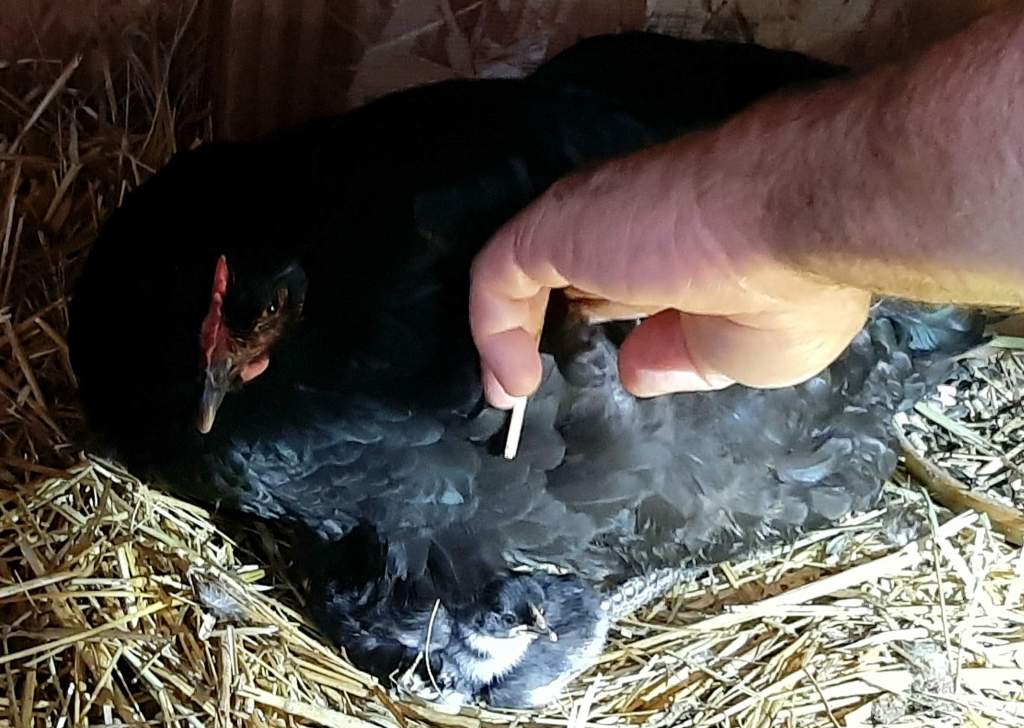
broody hen
Our most recent broody hen.

The Broody Hen

What is a broody hen? The dictionary describes ‘broody’ (as in this case) as disposed to sit on eggs to hatch them. This is a really great definition, because that is exactly what a broody hen does. She sits on eggs, usually none of which are her own, all in order to have babies.

Her metaphorical, biological clock is ticking. And that hen wants some chicks. So instinctually she no longer will lay any eggs herself. Instead she will lay on any and all eggs. Typically there are one or two favorite nesting boxes in the coop. And the broody hen will remain on the eggs faithfully, waiting until a chick will hatch.

Throughout the day or days, the other hens will lay their eggs, which will greatly upset this mother-to-be when she gets uprooted. However, nature calls, so it can’t be avoided. But it increases her chances of having more chicks. Because she will even steal other eggs from nearby nests if she can.

How do You Know if You have a Broody Hen

  • The first indication that you have a broody hen is she’s always on the eggs:

Morning, noon, and night. She doesn’t leave the coop, that’s rule number one. She will barely eat and drink, she’s that dedicated to her task of having some chicks.

  • The second sign of a broody hen is more of a guideline than a rule:

She’s nasty if you check on her. I mention that as more of a guideline, because some hens are just mean when they’re laying their eggs. It doesn’t necessarily indicate they’re broody.

  • Most broody hens will also make screeching noises and fluff themselves out to twice their size if you try to touch them or their eggs.

But again, I have hens that have never been broody display this behavior. However, if you have a hen fluffing herself out and staying on the eggs all day, chances are high that she’s broody.

black broody hen w/chicks

Other Things to Consider

Most hens get maternal in the spring or summer. Though, that doesn’t mean a hen can’t go broody at some other time. All of our hens have gone broody spring or summer, like clockwork. Also, when the hen is preparing her nest, she pulls out feathers from her chest. And if you put an egg in front of her, she will immediately take it and put it under her.

Some breeds are more prone to broodiness than others. Silkies and Cochins are two of the best egg-setter breeds around. Go here for a more detailed list. But since broody hens don’t produce as many eggs as non-broody hens, most hatcheries breed the broodiness out of their chickens, for the most part.

2 of our broody hens last year were incubated and raised by us, while 1 hen was hatched and raised by one of our broody hens from the year before; and only 1 broody hen was from a hatchery. This year we’ve had 2 hens go broody so far.

broody Easter Egger hen with chicks

What to do with a Broody Hen

If you have a rooster and want more chickens, then having a broody hen is the easiest way I know of to accomplish that. Hens are better suited, most of them anyway, for doing the work of incubating chicken eggs. They also make sure the chicks are taken care of properly, unless you want a lot of chicks.

It’s generally not a good idea to put a lot of eggs under a broody hen if they aren’t going to hatch the same day. Because, once the chicks start moving around, the mother will leave behind the eggs. And the rest of her brood will die. For the most part I have put only 2-3 eggs under each of my broody hens.

How to Care for a Broody Hen

If you have a broody hen and want the chicks, then put her in a place by herself, or at least closed off, from the rest of the flock. This is so that they can’t steal anyone’s eggs. In this way you will know her eggs from everyone else’s. Although, you will have to make special bathroom breaks for her and set aside food and fresh, clean water daily, especially for her in this spot.

A word of caution: If you completely remove your broody hen from the flock, it is possible you will break her broodiness. We have observed this from trial and error first-hand with several broody hens. They don’t like to leave the flock. And they would rather keep their place in the pecking order than have chicks.

We tried doing this twice, removing the broody hens. The first time we separated the hen from the flock, we ended up accidentally breaking her brood. It was sad, because the chicks were so close to being hatched.

Ameraucana hen with 2 chicks

The only hen we had who managed to go broody and raise chicks until they were old enough to be on their own was Davis, one of our Ameraucana hens. She wasn’t mean when we’d go check on her, and once her 2 chicks hatched, she even let us pick them up. She was my favorite hen.

But when Davis went broody, we decided to leave her in the coop after several attempts to move her, all unsuccessfully. She left her eggs when she needed food, water, and to use the bathroom. And we solved the problem of whose eggs were whose by dating hers with a Sharpie. No one crushed her eggs, and in three weeks, her chicks hatched.

My husband finally ended up making something to enclose the setting hens inside the coop, so that none of the other birds would disturb them. It took some experimentation, but we finally have something that works for our broody hens. However, I can honestly say that I was relieved when they stopped wanting to have babies last year, because it was a lot of work.

two broody hens w/chicks

Can You get Multiple Broody Hens

Now all of that is fine, however is it possible to have multiple broody hens? Absolutely, let me tell you! Since Davis, we have had several hens go broody, annually. All at the same time, many get baby fever. And one or two will go broody a second time shortly after raising their chicks. I couldn’t understand it. Why were they all going broody at the same time? And how could I stop it?

Well, I learned that sometimes being broody is contagious. Some hens will copy this behavior and yet, not really want chicks. And still others will end up going through the process and wind up new mommas. We’ve had hens that wanted babies before. But never like it’s been since Davis. I believe the increase in broody hens is likely due to it being bred into their genes. For example, Davis had been broody; maybe only once, but still. We incubated some of her eggs. Now they’re mixed in the gene pool.

How to Break Broodiness

There are several suggestions out there about how to break broodiness. Although the one proven and effective method that most people agree on is what is called the broody box. There are several ideas on how to make it. However it doesn’t need to be special. The main thing is to separate the hen from the rest of the flock. For instance, if you have a pet carrier or a pet crate, with adequate space, that will work. Again, separating the hen from the rest of the flock will fully motivate her to give up the idea of wanting to have chicks.

When we separated our broody hens from the flock, we just put them in a big Rubbermaid box. (This was at different times.) And then placed the box in the garage. They had straw for bedding, food, and water. In fact, we weren’t trying to break their broodiness. Though, it happened anyway. Because the birds have their pecking order established. And the hen who leaves doesn’t want to have to start all over again at the bottom.

I hope you enjoyed this post. If you have anything to say, don’t hesitate to leave a comment. Thank you!

Categories
Hens raising happy, healthy chickens Roosters

What Are The Best Dual Purpose Backyard Chickens?

There are more than 500 chicken breeds in the world. And I’m going to be absolutely honest, I am not familiar with all of them. Because I haven’t been everywhere around the globe. So I can’t tell you that I personally know what every bird out there is like. However I do know some birds in the United States. Also, I have purebred chickens and hybrids. And both have good and not quite as good qualities. Although, for this post, let’s discuss what are the best dual purpose backyard chickens?

What do I mean by dual purpose? A dual purpose chicken is one that is a good egg producer and large enough for meat. So it’s not necessarily bred for meat production, unlike broilers.

Dual purpose Black Easter Eggers and Ameraucanas

Easter Eggers: My First Choice for Best Dual Purpose Backyard Chicken

So why do I think Easter Eggers make great dual purpose backyard birds? First of all, they aren’t a breed that’s recognized by the American Poultry Association. And a lot of people lump any chicken that carries the blue gene into EEs. Even if it has a different colored egg other than blue. As long as its ancestors carried the blue gene, they are regarded as Easter Eggers.

However, I know my EEs are indeed EEs, because I bred them. So I know who their parents are. And they have at least one parent that is an Ameraucana, which is the rooster. You can read this article or this other one here for some interesting info regarding some snobbery in show chicken circles.

But Easter Eggers are my first choice for best dual purpose backyard bird, because:

  • They’re healthy

In 2016 we incubated Ameraucana eggs that were fertilized by our Cream Legbar. And the results were crossbred chickens, or Easter Eggers. None of the EEs we’ve bred have had health issues, other than the occasional issue of mites.

Ameraucana chick
One of our original chicks.
  • Live long

Hybrids generally don’t live as long as purebreds, however Easter Eggers can live up to 8 years! Except for the boys, the crossbreeds we hatched from our Cream Legbar are still alive. And that’s been over 6 years!

  • Resilient

They also do very well in the winters here in Oklahoma. Plus, the past couple of winters have been the worst since we’ve had chickens. The birds didn’t come out of the coop for a week each year, and they looked terrible. Thankfully we didn’t lose any of them. Though both roosters got a tiny bit of frostbite on their combs; it was just that cold.

  • Good, consistent layers

EEs are also very good egg layers. I have an equal amount of EEs who lay the same blue eggs as my Ameraucanas. And the other EEs lay brown, except one, who lays olive colored eggs. In addition, they all lay around 5 days a week. During their molt, of course egg production drops off. But as soon as January rolls around, they’re back at it.

  • Friendly

Easter Eggers are sociable chickens, with both people and other members of the flock. Sometimes how we raise them can influence their behavior, I’ve noticed. Also, whether or not they were incubated and hand-raised, or chicken-raised can influence them. If their only influence is chickens though, they still come around.

Dual purpose Ameraucana Cuckoo Maran mix
This is Baby Nay. His mother is a Cuckoo Maran, and his dad is Megatron.
  • Can be Sex Linked

Depending on the birds you have, and if you breed them, they can be sex linked. At least ours can be. Normally Sex Links are crossbred chickens whose color at hatching is distinguished by sex. However usually all of our chicks are black at hatching, because Megatron is all black. He has extremely strong genes, thus we have a lot of black chickens. Anyway, depending upon the egg the chick was in, I can tell whether the chick will be a girl or a boy.

If the egg is blue, I don’t bother trying to figure out their sex at hatch. We just have to wait and see. However, if the chick is in a Maran or Barred Rock egg, I’ll know whether the chick will be boy or girl. Because the boy will have a spot on its head at hatch. Otherwise he might be completely black or gray. But eventually he’ll get spots all over, like his mother.

bird animal farm grass
Photo by Brandie Robbins on Pexels.com

Silver Laced Wyandottes: My Second Choice for Best Dual Purpose Backyard Chicken

The second best dual purpose backyard chicken on my list is the Silver Laced Wyandotte. Silver Laced Wyandottes were developed around the end of the 19th century. And they were included into the American Standard of Perfection in 1883. Further, they were named for the native people, the Wyandot, of North America. Wyandottes are also a dual purpose bird, however they are bigger than Easter Eggers. So they would readily have more meat on them compared to Easter Eggers and Ameraucanas.

  • Great leaders

My number one reason for choosing the Wyandotte is that they make excellent leaders. In my experience and in my mother-in-law’s, we’ve both had Wyandottes who climbed the ladder and became boss chickens. Usually the more socially dominant chicken will be the leader. However they weren’t necessarily aggressive; they just instinctively knew what needed to be done and got it done, so to speak.

Our boss hen, Fives, would always run after the new roosters to get them away from the other hens. And she and her sister would raise the juvenile hens and roosters, teaching them their place. Further, she took better care of the flock than the rooster we had back then, before teaching Megatron his job.

  • They’re beautiful

Wyandottes come in several different colors, each more beautiful than the last: black, blue, buff, Columbian, golden laced, partridge, silver laced, and silver pencilled.

Dual purpose Black Ameraucana hen and rooster
Megatron and his hatchery mate, Shockwave, eating a banana.

I’ve mentioned that I think EEs and Wyandottes are two of the best dual purpose backyard chickens out there. My third and final choice for the best dual purpose backyard bird is the Ameraucana.

Ameraucanas: My Third Choice for Best Dual Purpose Backyard Chicken

Like Easter Eggers, they start off on the small side. Thus, if you want to raise them for meat, it takes time to get there. With roosters you don’t want to wait too long for them to get big, because they won’t taste great, the texture isn’t right, etc, after ~ 4 months. But you can still make a decent meal out of any extra roos. And you have more time with hens.

  • Long life

One of the reasons I picked Ameraucanas as one of the best dual purpose birds, is because of their long life. Of the 7 original chicks my daughters brought back from Texas, both of the Ameraucanas remain. The other 5 birds are dead. Although one of the Sex Link chicks died when it was still very young. Also, Megatron and his hatchery-mate are the next oldest Ameraucana chickens we have at ~ 5 years old.

  • They’re hardy

Additionally they do very well in the winters here in Oklahoma, like our Easter Eggers. Since summers can be hard on them, we have added lots of trees. And we continually add ice to their water and give them cold treats to help keep them cool.

  • Easy, friendly, and docile

If you get them when they’re only a day-old, or incubate the eggs yourself and handle them well and often when they’re young, they will treat you like a valuable member of the flock. I recommend keeping to 4 or 5 chicks at a time, in order to accomplish this though. More than this, you’re not able to invest the time and energy needed to be with them. It also helps to imprint on them.

Dual purpose red brown Ameraucana hens at back door
Our brat ‘Caunas at our back door, waiting for handouts.

In the spring of 2017 our girls returned to East Texas for more chicks. When they came back, we hand fed the chicks (above), spent hours with them, and invested ourselves in them. I can’t really tell you why, except they were so darn cute.

In the above pictures, the very top one is of Astrid. She is a beardless Ameraucana. And she lays bright blue eggs, and in every other way, resembles her relatives. But because she sports no beard, she would be considered ugly by breed standards. The picture just below hers is of Davis, and when she was little, she had the chubbiest cheeks ever. Davis’s favorite thing to do was eat. The bottom photo is all 4 of those chicks together.

We kept those girls inside the house with us (in a pen) until they were nearly grown to adulthood; they were the only ones we did that with. Whenever I go outside to feed them, they come running. They prefer to eat out of my hand, and I don’t mind.

  • They go broody

If you’d prefer not to have to incubate and raise chicks, then having a broody chicken makes an excellent option. Because most of the time, broody birds are fully capable of handling it.

Since having chickens, every single bird that we’ve had that’s gone broody, has either been an Ameraucana or an Easter Egger.

Dual purpose Ameraucana hen with 2 chicks
Davis with her two chicks.

Davis remains the only one of our hens that allowed us to visit her while she was broody. Without screeching, overly puffing herself up, or generally being disagreeable. When her chicks hatched, she even allowed us to see and touch them. It definitely pays off to spend that quality time with them when they’re young.

  • Hens are as beautiful as roosters

In most breeds only the rooster is fabulous. In fact, in nature the male bird has the best plumage, while the female is usually drab and plain. It’s very rare to see a female bird look fantastic, competing with the male for beauty and distinction. I’m not saying Ameraucana hens are the most beautiful hens out there; I’ve seen a lot of pretty hens that outclass even roosters. What I am saying is all of their traits, taken together, make them one of the all around best dual purpose chickens.

What about you? Do you have a favorite dual purpose breed, and if so, which one? Your comments are appreciated.

Categories
Chicks Hens raising happy, healthy chickens Roosters

Dos and Don’ts of Feeding Chickens

Since our backyard birds are omnivores, and love to eat just about anything, I’m going to cover the dos and don’ts of feeding chickens to keep them healthy. Furthermore, I’ll go over the different types of feed available. And I’ll list some things not to give your birds as well as some things that are OK in moderation.

Types of Feed

There are three main types of chicken feed, depending on their age. However, there are other types within those, which also depend on if you have show birds or meat birds, or a whole host of other options. But these are the main types base upon age.

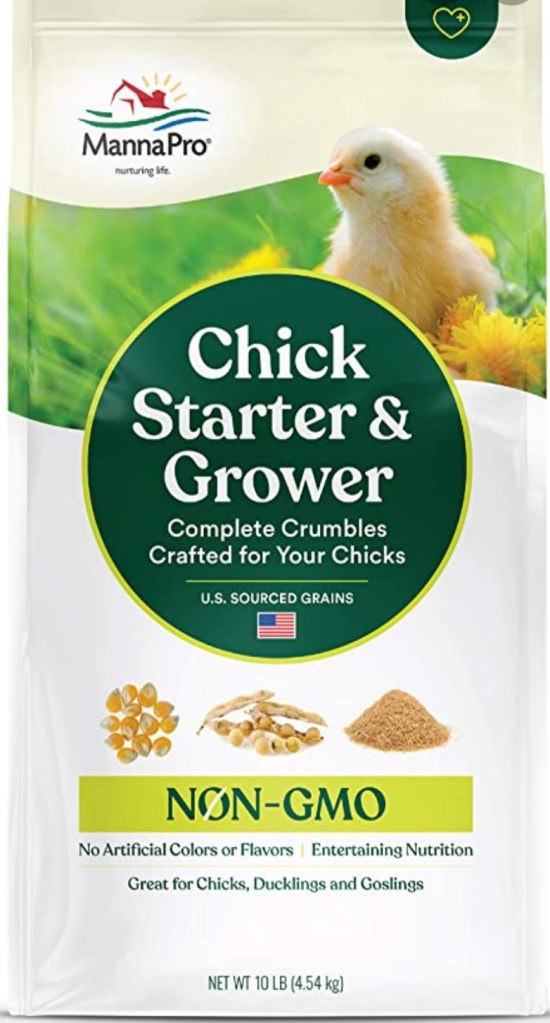
  • Chick Starter for healthy chicks
Chick Starter

In one of my other posts, I had already mentioned chick starter. You primarily only purchase this when you have baby chickens from 0-10 weeks old. It comes in medicated or non-medicated, organic or non-organic. And it has a protein level between 18% and 22%, because the chicks are growing. And they require more protein when they’re growing. There are also higher protein starter feeds. However, those are for meat birds like turkey, quail, and pheasant. Although, it can also be used for broilers to fatten them up.

  • Grower Feeds for healthy adolescent chickens
Chick Grower

Starting around 10 weeks of age, a grower feed can replace the chick starter. For backyard birds, you need a grower feed that will contain 16-18% protein that’s designed to sustain growth till the birds hit maturity. You can also find this in organic as well.

Layer Feeds for healthy chickens

Around 18 weeks of age, layer feed can be fed to your backyard flock or whenever the first egg is laid, whichever happens first. You want one that contains 16% protein and increased calcium for the shell development. Again, there are brands that provide organic layer feed.

Consistencies in Those Categories:

Within those three backyard flock feed categories, there are some other classifications based mainly on the texture and size of the feed.

  • Mash

Mash is an unprocessed form of chicken feed that is more often given to chicks, because it’s easier to digest. However, it can be given to chickens of any age.

  • Crumble
Crumble feed for chicks

Chick starter, grower feed, and layer feed can all be purchased in crumbles. As one can well imagine, it’s easier to eat. Though, as the birds mature, one downside is that when they scratch their feed, as they are accustomed to doing, it tends to get all over the place. And so, a lot of it gets wasted. I have also heard of people having issues finding layer feed in crumbles. If you have a backyard flock, or are interested in starting one, a big determination on what type of feed you continue to purchase for their laying needs will be their preferences. They will definitely let you know what they like or dislike.

  • Pellets
Layer pellets

Only grower feed and layer feed can be purchased in layer pellets.

The Don’ts of Feeding Your Backyard Birds: What to Avoid

Don’t offer more than 2 tbsp of treats per day to a hen’s ~ 1/2 cup nutritional requirements that she’s supposed to get from her feed. But additionally, avoid offering

  • treats first thing in the morning, if you offer any, before the birds have eaten their layer feed and foraged.
  • cracked corn or sunflower seeds as a substitution for feed; they are treats. With that being said let me add something. In the fall months when the chickens are molting, sunflower seeds are packed with protein, and protein is what they need during that time. So, for a short amount of time, it’s OK to give your flock sunflower seeds with their feed, but only for that short time. Cracked corn is not feed, and I nickname it ‘crack’, because the birds treat it like that. Oh, they love it, but it makes the eggs runny and loose when you crack the shells, because there’s hardly any protein in them.
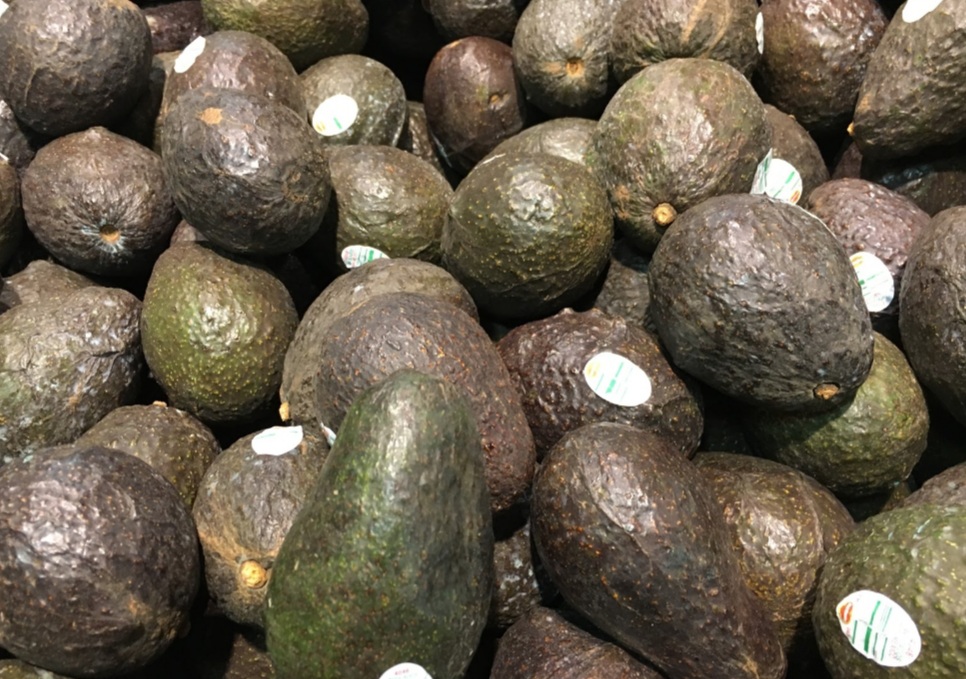
  • your chickens avocado pits and skins, because they are toxic.
  • under-cooked or dried beans to your backyard birds. Because they contain something that can prevent your birds from digesting anything they eat.
  • your backyard flock rhubarb. It might have a laxative effect on your birds. Also, if the rhubarb is damaged by severe cold, it can have a high concentration of a particular acid which can be deadly to backyard birds.
  • rotten and very salty foods to your birds, which can give them diarrhea and can also be toxic.
  • Processed foods should not be given to the flock.
  • Very greasy foods should be avoided, because they could be hard for them digest.
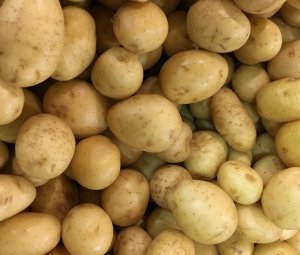
  • Raw potato peels, particularly if they are green from sun exposure, contain solanine, which is toxic.
  • And avoid coffee due to the caffeine and chocolate, because those might be toxic.

Snacks that are Safe for Your Backyard Birds: Give These Treats In Moderation

  • As I mentioned above, figure no more than 2 tbsp per day to 1/2 cup of layer feed. And sunflower seeds make an excellent snack in moderation.
  • Bread: Chickens love bread, at least mine do, and it doesn’t really matter the flavor.
  • Fruits: They can eat most fruits with the exception of rhubarb. Some of my flock’s fave’s are apples, strawberries, tomatoes, bananas, grapes, watermelon, pumpkin, cantaloupe, and blueberries, just to name a few.
  • Vegetables: Again, just like with fruits, most vegetables are fine to give your flock. When we’ve had our vegetable garden in past springs, our birds loved to sneak in to steal the bell peppers and kale. But they also love cabbage, corn, and sweet potatoes.
  • There are some that say you can’t give your birds citrus. However, not everyone agrees on that. There are also some who claim you can’t give your birds onions or garlic. But that is really only because it might flavor the eggs. The first spring that we had layer hens we planted a garden, and our hens got into the onions! They smelled like chicken onion burgers. It didn’t hurt them, however now that they are older they don’t eat onions, fresh or cooked. So their taste buds changed.
  • Cooked meat: Any leftovers you may have, remembering to keep it to snack-size.
  • Eggs: I know this might sound gross, but chickens love eggs. However, you don’t want to encourage cannibalism or to encourage them to eat their own eggs. But if I find a cracked egg, which will happen on occasion with 30-something birds, I scramble it up and give it them, rather than throwing it out.

We covered a lot, going over the different types of feed for chickens, including safe and unsafe snacks. If you have anything to add, please feel free. Or if you have questions, don’t hesitate to ask.

If you enjoyed this post, please like, share, and please don’t forget to follow!

Categories
Chicks Hens raising happy, healthy chickens

What Does Molting Mean for Chickens

The definition of molting, according to Free Dictionary is to shed part or all of a coat or outer covering. Such as feathers, cuticles, or skin, which is then replaced by new growth. In this case, chickens molting is a time where they lose their feathers. And there are a few reasons chickens can lose their feathers. But to know the answer why correctly, depends on where the feather loss occurs and the time of year. Is it affecting all the birds or just a few?

When I talk about my birds going through their molt, or losing their feathers to friends or family, I refer to it as ‘the ugly’. If you have chickens that have gone through molting, then you know what I mean.

Chickens Molting: Why do they Molt

I already mentioned how molting is simply where the bird will shed its feathers. It’s somewhat like a snake shedding its skin. However the reasons snakes and chickens molt are completely different.

chicken molting on grass
One of our black sex links going through the annual molt.

Chicks will molt roughly about 4 times before they reach adulthood, when their tail feathers come in and they’re ready to lay eggs. But then they won’t molt again until the following year. So why do the birds lose their feathers. And are there other symptoms?

When we first noticed our birds losing their feathers, at the time we didn’t know that’s what it was; we just thought something was wrong with them. Our boss hen, Fives, was sitting down a lot, resting. She just seemed so tired. The birds also started eating a lot more, and voraciously, like they were starving. And then they got ‘the ugly’, where their feathers started coming out. Though it wasn’t evenly distributed among the population. Some birds just looked ragged, while others were completely bare.

Juvenile Ameraucana Hens going through one of their molts
Juvenile Ameraucana hens.

I talked to my mother-in-law about it, who told me her birds were experiencing the same thing. She was the one who informed me what it was: Molting. Now I had a name to go with what I was seeing in my birds. I learned that, depending on the bird (or breed), they could molt twice a year, lose their feathers, and stop laying eggs for up to 12 weeks.

chicken molting on grass
Smiley, going through her molt.

When chickens molt, it’s a time for them to rest and recuperate from the work they’ve done all year round. That’s why our boss hen was sitting down much of the time. They lose their feathers only to grow in more and look absolutely fabulous when the new ones come in. It’s also a time for them to replenish their feathers, to prepare for winter. Typically our birds

  • start shedding their feathers the end of summer/beginning of fall, and it lasts about 3 months.
  • Egg production starts trickling down until all of the birds are in various stages of shedding their feathers.
  • And the youngest ones recover the fastest.
  • Further, by the time all the birds are molting, egg production is at a stand-still. Unless we have new hens.
  • And egg production doesn’t start back up until all have recovered.
chicken molting
Molting hen.

When the backyard flock goes through the molt, their dietary needs are different. Hens that are laying eggs need more calcium in their diet, because eggshells are primarily made out of calcium. However, when they molt, because their feathers consist mainly of protein, that is what hens need to recover and get back to laying eggs.

How to Help Your Chickens During Their Molt

Flock Raiser feed
High Protein Feed for Poultry.

At the first sign of your chickens molting, which will more than likely be feathers coming out around the end of summer, switch them to a high protein feed with 20% protein. You want to

  • keep the stress low
  • with clean, fresh water
  • proper air ventilation
  • and avoid adding new birds during this time

While chickens are losing their feathers, they can be sensitive, so avoid handling them.

Some backyard flock owners install lights in the coop to encourage egg laying during this time. That’s completely up to you, however, as a reminder, this is a time for the flock to rest and recover. When your flock starts producing eggs again, switch back to their layer feed by mixing it with the high protein feed to make sure there aren’t any digestive issues.

Molting isn’t only restricted to hens; roosters will also molt, though not as aggressively as the hens. They tend to lose tail feathers from what I’ve witnessed, again only to have them grow back in more beautiful and fuller than they were previously.

I hope this answered any questions you might have had. If you have any others I didn’t address, please feel free to ask.

Categories
Protecting Your Backyard Birds raising happy, healthy chickens

Stress in Chickens

Have you ever seen a stressed out chicken? Stress comes in many forms. To animals and humans alike. No one, it seems, is immune from stress. The first form of stress in chickens I’m going to cover will be risks of extreme temperature.

Risks of Extreme Temperatures

Extreme temperatures are something else, other than predators, that can hurt or kill members of our backyard flock. And this is, of course, dependent upon where you live and the breeds of chickens you have. I live in Oklahoma, and on occasion we’ve experienced triple digit summers. But at the same time, this is the coldest Winter we’ve had in a long time since we moved here (2010). I actually can’t remember how many times it’s snowed now this season But at the time that I’m writing this post, it’s 16 degrees outside. Chickens that do well in summers that are hot don’t do so great where it gets cold. Their ventilation system is in their wattles and combs. So the larger the combs and wattles are, it’s great in the summer months. However, it’s to their detriment if the conditions are brutally cold in the winter months.

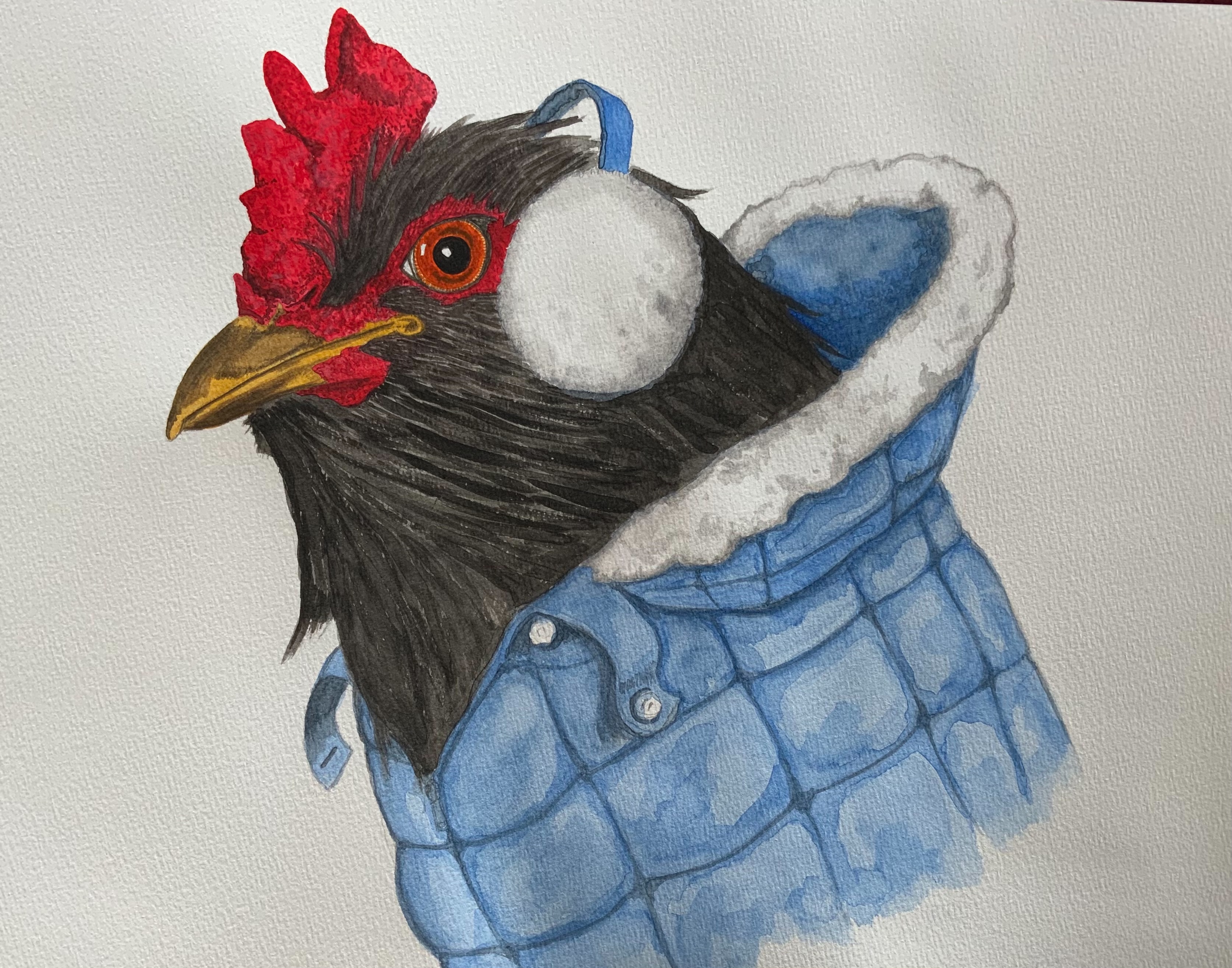
Cold Rooster in Watercolor Courtesy of Paul Smith

We have different breeds in our flock, have always had different breeds, so we have some with large wattles and combs. But most of our birds have small or very small wattles and combs. This means we have to be diligent all year round to make sure everyone is doing OK in regards to the weather. Since we’ve moved in our house, we’ve added more trees for shade in the summer months for the birds to keep cool beneath. I added a kiddie pool once, however they wouldn’t go near it. In 2020 I tried getting a misting system, but Lowe’s and Home Depot didn’t have what I needed. I’m not sure if that’s because of Covid19 problems or not.

Many people want to add heaters to their coops in winter to protect their flock, although that isn’t a great idea. Your birds can’t acclimatize to the cold if their coop is heated and then go outside in the cold; it can actually make them sick or possibly kill them. Having a heat source in the coop is also a fire risk. We’ve known of a few people whose chicken coops burned down this way.

Heat Exhaustion: Symptoms and How to Prevent it

The risks of extreme temperatures are heat exhaustion and death for the summer months and frostbite and death in the winter months; these are the worst possible things that can happen. Signs of heat stress in chickens to look out for are

  • panting
  • increased water intake
  • lethargy and weakness
  • reduced egg production
  • reduced food intake
  • diarrhea
  • and outstretched wings and legs

To prevent heat stress make sure there is

  • plenty of fresh, clean water daily
  • a lot of shade
  • ventilation in the coop
  • and provide frozen treats

In the summer I regularly freeze bananas. And on particularly hot days, I make my birds ‘ice cream’ by mixing the frozen bananas, that I slice into plain Greek yogurt with frozen blueberries. They absolutely love it. Chickens who suffer from cold stress will appear cold with ruffled feathers, huddled, and not moving around a lot.

Drawing of a Rooster with Frostbite Courtesy of Paul Smith

Frostbite

Depending on the conditions and the bird, cold stress can lead to frostbite. Birds with large combs and wattles are at more risk of getting frostbite. And it can range from mild to severe. Indications of frostbite are

  • blackening edges of comb and/or wattles
  • reddening of toes
  • blackened areas of claws
  • and swelling of comb, wattles, and/or toes

Preventing frostbite is the best option by winterizing the coop with insulation, keeping the bedding dry, and keeping proper ventilation. It’s important to examine your birds for evidence of frostbite if it’s been particularly cold.

Casanova, our first rooster, got frostbite in late 2017. He usually was very good at staying in the coop in inclement weather. Well, the first couple of days he remained inside like a smart roo. However the third day he left; I suppose he was lonely. When we went to lock them up, we saw that he was lethargic. We brought him to the garage and gave him water and put food in front of him, yet he wouldn’t eat. It wasn’t until the next day that we noticed he had frostbite on his leg. Unfortunately by the time we treated him it was too late, and infection is what most likely did him in.

I mention this because it’s been very cold, and we have two roosters now. Megatron is very suited to this weather, whereas Baby Nay isn’t as much. They don’t have a very good relationship, father and son. Baby Nay gets into trouble with his dad all the time, and he gets kicked out of the coop; when our below freezing weather started last week he was kicked out and was seen lying down in the snow. I was at work, but Paul rescued him, and put him in chicken jail for his safety after examining him for frostbite. And because of Megatron’s behavior, I didn’t let the birds out the following day. I fed and watered them but left them inside their coop.

They have all been sequestered in the coop and run for a week or more now. Normally they don’t like that, however they have all been huddling together, including the ducks, because they need the body heat. We’ve regularly added extra straw to the bedding for insulation as well, and each time Paul has gone outside to feed and water them, he checks them over for frostbite.

How to Treat Frostbite

To treat frostbite, the bird needs to be brought inside, and if the feet are affected, the feet should be placed in warm, not hot, water for about 20-25 minutes, slowly, to bring the tissue back up to temperature. Do NOT apply direct heat, and only soak the bird’s feet in warm water if you’re not going to immediately put it back outside, as this will only cause further damage. Don’t rub on the affected areas and don’t remove any tissue. However keep the area clean with chlorhexadine 2% solution spray 2-3 times a day until healed. Give the bird water and electrolytes with water.

Monitor for signs of infection: oozing, redness, swelling, etc. If you live somewhere with access to a poultry vet, call them, because this requires immediate attention depending on the location and size of frostbite. And they would be able to call in prescriptions and give you more guidance.

Causes of Chicken Stress Other than Extreme Temperatures

This next part is about stress in chickens not caused by the weather. There’s no medicine to treat this problem or vaccine to prevent it from happening. Though it can disrupt the lives of your birds just as easily as any body ravaging illness can.

Stressed out Chicken Courtesy of Paul Smith

What Does Chicken Stress Look Like?

If your birds aren’t laying eggs, and they’re normally happy to see you, but now are withdrawn, chances are you have a stressed out bird. In the event your birds don’t seem to be getting along, or there’s more pecking going on than normal; if they’re starting to look sick or have mites or other bugs, chances are high that your birds are stressed.

Usually the first sign that the flock is stressed or a bird is stressed is a decrease in egg production. After that, it’s a good idea to examine them and their coop for causes.

Adding Too Many Birds at Once

If you’ve ever added birds to an existing flock, you know that it takes time for everyone to learn their place in the pecking order. But sometimes the established birds can’t take any more additions. That’s it, they say, they’ve had it!

In a previous post, you can read here, I mentioned how in 2017 our flock was experiencing a lot of changes all at once: 5 adolescent chickens plus 4 adult chickens added to the flock, and a rooster who crowed all night long for several weeks. It was a lot for the flock to take on all at once. And it started presenting in their decreased egg laying. Because they were stressed out.

Abuse or Mishandling

Disease, parasites, malnutrition, predators, overcrowded conditions, abusive roosters or too many roosters, handling the chickens or being rough with them, especially when they’re molting, lack of clean water, poor ventilation in the coop, and extreme temperatures–any of these situations can stress the girls out and cause their egg production to drop. But some of these things can even cause disease.

Another time my hens stopped laying eggs was January 2019. It was just after their molt, (so they weren’t laying eggs already). And I noticed that the chickens stopped treating me like I was their god; I’m the one who gives them all good things in life and they usually flock to me. But they were actually afraid of me. Hence, it made me very suspicious. Even my rooster was afraid of me.

I soon found out that my youngest (she’s now 10) and her friends had been chasing the birds. And 2 of her friends threw some of them in the air. Thus the odd behavior. This wasn’t an isolated incident. They had been chasing my birds for some time, and gradually the flock stopped coming out to meet me for treats, which was a big clue something was wrong. They were stressed, so they didn’t lay eggs for 6 or more months extra and didn’t trust me for almost a year!

The brown eggs are Maran eggs.

Too Many or Unruly Roosters

If you have a rooster, be sure to have 8-10 hens for him at the very minimum. And do NOT get another rooster unless you have enough hens for the second rooster. 2 roosters will be entirely too much and the hens will be abused.

Two and a half years ago my daughters brought home 4 Cuckoo Maran chicks. I wanted that breed for a couple of reasons: I heard that they laid well in the winter months, and their eggs are a rich chocolate brown, which I thought would complement the blues of my Ameraucanas. One of those chicks developed into a rooster, and he had quite the urges. But Megatron is definitely not like his predecessor; he does not like to share. At all. He would chase Springer off his girls a hundred times a day. Eventually Springer was looking ragged; his tail feathers were not coming in like they should. This went on for weeks, months, what started to feel like forever. Why didn’t Megatron just finish Springer off? Clearly he was wearing both of them out, not to mention the girls.

Four Cuckoo Marans; Springer is the lighter one.

Springer’s behavior started to get worse with the hens, more violent, I suppose because he was desperate. No one wanted to be around him, not one of the hens. Everyone avoided him like the plague. One time he tried getting Soundwave, Megatron’s other hatchery-mate, as she was sneaking back under the fence. He trapped her there-she was pinned under the fence until one of us went out to rescue her from her attacker.

Springer was then labeled a violent sex offender, and he had to go. He was starting to cause unnecessary stress to the flock, and though Megatron had drawn blood on him, he was unable to put him down. We needed to do this humanely and quickly before any of the hens were killed or injured.

After Springer was gone there was complete peace in the backyard; it was like the whole flock could breathe a sigh of relief. If Megatron could speak words other than crow, he would’ve thanked us.

The causes of stress to a bird are not that different than stress to a person, although the effects can be divergent. Whenever you notice atypical behavior in your birds, it’s time to start doing some research.

Do you have any stories of chickens stressed? Have you ever noticed your flock stressed before? I would love to hear your stories and your solutions.

Categories
Protecting Your Backyard Birds raising happy, healthy chickens

Most Common Chicken Diseases

If you have a backyard flock, you might be one of the lucky ones whose birds haven’t experienced any chicken illnesses. Yet. I say yet, because just like people, chickens can and do get ill. In this post I’ll cover the most common chicken diseases. And I’ll go over preventative measures, and if contracted, how to treat the bird.

The Chicken Disease Fowl Pox

The first chicken illness is Fowl Pox. And it’s usually transmitted by biting mosquitoes or new birds who are carriers of the disease. There are also 2 forms of this disease: Wet pox and dry pox. Wet pox is deadlier than dry pox, because wet pox causes throat and respiratory spots that may develop into large growths. These growths may make it difficult to eat, drink, and breathe. With dry pox, there are white spots on the combs, feet, and waddles. It can look like your bird has been pecked mercilessly. At first, you might just think that’s what it is; that your birds were pecked. However, if you have more than a couple of birds like that, and their egg production is down, you just might have birds with fowl pox.

It was a couple of years ago that one of our Black Sex-Link hens died suddenly, out of the blue. Naturally that had us concerned. My husband did a semi-exam on her, but he’s not a vet. We couldn’t say for certain her cause of death. She did, however, have bumps in her mouth, which was strange. Previously we never noticed any odd behavior from her — it was so abrupt. So, we started examining the rest of our flock and discovered some white spots on the combs of a few of our birds.

We separated the 3 hens from the rest of the flock, not knowing at the time what the issue was. Maybe a day or two later, the separated hens started developing sores around their beaks. And in time we realized the hens with the white spots on their combs had fowl pox. Chicken pox for chickens, as I call it; it is not contagious to humans.

Initially we were advised to euthanize our flock. That’s the preferred method most people take with birds, because there aren’t a lot of poultry vets. And illnesses spread so quickly. Plus, if you look at the literature out there, everything says they’ll die. It’s very dismal, but we were very adamant against doing that.

Sketch of Chicken with Fowl Pox Courtesy of Hannah Smith

Perhaps your birds are your pets. Like us. Or maybe they are a small source of income. I’m willing to bet you get some joy out of your backyard flock. Some reward. It’s not easy putting an animal down. Especially if you aren’t sure it’s really necessary.

Treating Fowl Pox

The lesions of fowl pox heal in about 2 weeks, so they need to be separated from the others. Next,

  • Inspect the rest of your birds to look for any spots.
  • Or order the vaccine and administer it to the rest of your flock. Just in case.

In the event that you need the vaccine, you may wonder if the eggs are safe. With de-wormers you’re supposed to go 2 weeks each de-worming, collecting and disposing the eggs.

We kept our three hens separated for the requisite time period. We prayed for the rest of the flock. In the meanwhile, I ordered the vaccine for my remaining birds.

Once a bird has fowl pox, if they live, immunity is supposedly life-long. Further, it’s a slow-spreading disease, which is the main reason why I ordered a vaccine; I didn’t want to wait and see what happened to the rest of my birds. I know now that the Black Sex-link must’ve had the wet pox, while the other three had the dry pox. I’m thankful none of the other birds contracted the illness, because quarantine is a long time away from the flock. And I’m happy to report that the other 3 hens recovered.

The Chicken Illness Coccidiosis

Another common chicken disease is coccidiosis. It’s a parasitic illness caused by coccidian protozoa, primarily affecting birds when they are younger. This is generally why medicated feed is offered, at least here in Oklahoma. Adult chickens can also get coccidiosis. Although, they are more resistant due to earlier exposure to infection, according to Merck Manual. Signs of infection are

  • decreased growth rate
  • severe diarrhea
  • death
  • and if adults, decreased egg production

Treating Coccidiosis

I already mentioned medicated feed for chicks, but if you have an adult bird with coccidiosis, there’s Amprolium. It’s the same treatment in medicated chick starter, which blocks the parasite’s ability to uptake and multiply. However, if your bird has been vaccinated, don’t give them medicated feed, because both taken together will nullify the effects. Other measures to treat coccidiosis include

  • Keeping brooder and coop clean and dry
  • Making sure waterers are clean
  • And don’t overcrowd the coop
  • Also, don’t throw feed and treats on the ground
  • Practice good biosecurity
  • And if you have waterfowl with chickens, make sure the coop is clean and dry. And change the water often.
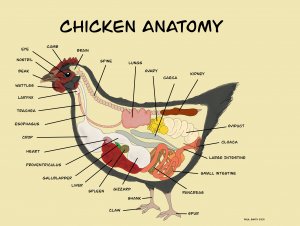
Anatomy of a Chicken on beige background
Anatomy of a Chicken Courtesy of Paul Smith

Egg Binding, a Common Chicken Ailment

Egg binding is another common issue that can affect hens. Symptoms may include

  • Loss of appetite
  • Disinterest in drinking
  • Decreased activity
  • Shaky wings
  • Walking like a penguin
  • Abdominal straining
  • Uncharacteristic sitting
  • Passing wet droppings or none at all
  • Droopy, depressed, or pale comb and wattles
  • And presence of an egg in the oviduct upon an examination.

Being egg-bound simply means a hen has an egg stuck inside of her that she cannot pass. Or the hen is having difficulty laying the egg. There are different reasons this happens:

  • Lack of calcium, which is what puts the shell on the egg and helps the hen’s muscles contract and push the egg out
  • Obesity- a chicken that is obese can have a difficult time laying an egg, because her muscles are weaker and can’t contract as strongly as they should
  • Infection- sometimes a chicken will have an infection in their reproductive tract. They may have no symptoms at all, but it can still cause all kinds of issues, including muscle weakness
  • Malformed eggs- eggs that are very big or misshaped can be problematic for the hen as well
  • Stress- stressors such as a new coop or flock can cause problems for a hen
  • Premature laying- sometimes a hen that starts laying eggs too soon might get egg-bound, because they are too young

Treating an Egg-Bound Hen

How do you treat an egg-bound hen?

  • First, make certain there’s an egg by inserting a gloved finger (coated w/Vaseline) into the suspected hen’s vent to a depth of 2 inches. If you can’t find an egg, there isn’t one.
  • However, if there is one, fill a tub with warm water, and add 1/2 cup of Epsom salt to every 1/2 gallon of water.
  • Then immerse the hen gently into the water till her abdomen and vent area are soaking. You must be careful, because you don’t want the egg to break; that would be another issue entirely.
  • And keep the hen in the tub for 20 minutes at least before removing her and drying her off.

Keep her separated from the other birds to hopefully encourage laying the egg; you can also lubricate her vent with Vaseline to help the egg slip out. If after her first bath she hasn’t laid the egg in a couple of hours, repeat the bath. In the event you still no have no success after 3 or 4 baths, you might need to contact your veterinarian. If you can feel the egg, you might be able to remove it in pieces, although it’s not generally recommended, because it can lead to injury and infection.

You can try to prevent egg binding by managing your flock’s diet, giving them the appropriate feed. A chicken feed with 16% protein should contain all that your flock needs, including calcium. However oyster shell should also be available. Controlling worms is another prevention method, as is making sure you have enough nesting boxes. Reduce stress by eliminating or minimizing changes in coops or flock mates. Decrease premature laying caused by added lights to the chicken coop, by monitoring light exposure until pullets reach maturity around 20 weeks.

There isn’t a whole lot to be done about large and misshapen eggs. Sometimes it’s just a one-time thing. Though, if it becomes habitual that the hen routinely lays large eggs, she needs to be monitored for vent prolapse, which will need to be treated quickly.

headshot of a Rhode Island Red hen on some straw
Rhode Island Red hen we thought had gapeworm

The Bird Parasite Gapeworm

Gapeworm is another problem your birds might come into contact with. It causes respiratory problems in chickens. But what is gapeworm? It’s a parasitic nematode that infects the tracheas of domestic and wild birds worldwide. If your chicken is infected with gapeworm, they will gape. Or they will stretch their necks out to adjust their crops and shake their heads. They also cough, all in an attempt to dislodge the parasites.

Treating Gapeworm

I have read where you could swab your birds throat to know if they have gapeworm. The worms will appear as thin red strings. If your bird is infected with gapeworm, they need a de-wormer like Ivermectin. Although, you can prevent gapeworm by keeping the environment clean and dust-free. You also need to till the soil in the run at the end of the growing season, which is supposed to reduce residual infection. And keep up with the worming schedule.

If your birds are stretching their necks, it doesn’t necessarily mean anything. Chickens will stretch their necks out to adjust their crops; I’ve seen my birds adjust theirs after they’ve been eating a lot of food. Are they coughing and gasping? Has their egg production decreased?

Sketch of a Chicken Mite Courtesy of Paul Smith

Mites, Lice, Ticks and Other Worms

Your birds might get infested with either mites, lice, or worms. Or other critters not specifically mentioned. Anything parasitic is bothersome to chickens and could even be deadly. And the treatments and preventions are different.

If your flock has a problem with mites or lice, generally

  • They won’t lay as many eggs
  • Their combs and wattles will be pale
  • And they can get anemic
  • Additionally, the problem can even cause feather loss, mostly on the back. That’s since the hen will over-preen and possibly pluck her own feathers just to get relief.

Mites and lice can be treated and prevented pretty much the same way, although ticks need a different method. Our birds have had mites, and the natural method is diatomaceous earth, which is supposed to be a cure-all for everything for poultry. But we haven’t had great success with it. I think the first time our chickens were free of mites was when we applied Ivermectin one spring. It is recommended to treat the birds topically for lice and mites. But for ticks, the recommendation is to treat their coop and surrounding area.

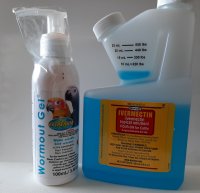
dewormers for chickens

De-wormers as a Treatment for Worms

There are mixed reviews for natural de-wormers out there. A lot of people recommend using apple cider vinegar and garlic. There are probably more natural ingredients than those that could be used. And I’ve used apple cider vinegar and garlic since having chickens. However, one spring our birds all got the yucky anyway (not gapeworm). We had to administer Ivermectin after I ordered Wormout gel from Australia. It was going to take several weeks to arrive, and I was impatient to treat my birds. With Ivermectin you just apply the treatment topically, while Wormout gel is added to their water. (Though I didn’t dose my chickens with the other when it arrived.)

I have read many reviews and spoken to fellow chicken owners who have tried the natural methods as well. Birds, just like any other animal, just like you and me, will still get ill no matter our efforts. Sometimes we have to take the stronger stuff. I continue to put ACV in their water once a month; (1 TBSP per 1 gallon each day for 1 week X once a month. Since we have ducks, I add Brewer’s yeast, which has the garlic in it. So I don’t have to add any extra.

Either Ivermectin applied topically (0.2 – 0.4 mg per kg topically at their shoulders where they can’t reach, and once more in 2 weeks,) or Wormout gel added to their water (2 pumps of the gel per 1 1/3 cup of water) are the best options if there is an infestation; remember you shouldn’t eat or sell any of the eggs from your flock till the treatment is ended. Ivermectin dosing is 2 times in one month, so you can’t eat the eggs for 2 weeks each dosage. And since Wormout gel dosage is just once in their water, you only go 2 weeks refraining from eating and selling the eggs. After that, start a monthly preventative of 1 TBSP ACV per 1 gallon of water daily for 1 week with garlic sprinkled in their food.

Mixed Backyard Flock at Backdoor of House
Our boss hen Fives, the Silver-Laced Wyandotte, close to the front.

Bird Flu, A Common Backyard Menace

Avian flu, or more commonly bird flu, is a chicken illness that is often heard of at least yearly. Symptoms include

  • A general decrease in roaming and activity
  • Cyanosis or blueness in the head area
  • They won’t eat as much
  • In addition, there will be excessive flock huddling and ruffled feathers
  • They might have fluid in their combs and wattles
  • Also, there will also be a decrease in egg production and coughing
  • And their legs may bleed underneath the skin; and they may die suddenly.

How to Treat Bird Flu

You might not completely prevent your birds from getting bird flu. However, there are things you can do to protect them. Don’t encourage wild birds from stopping by your yard by feeding them, and keep your feeders and waterers clean. Bird flu, just like other bird illnesses, can spread by wild birds.

  • Clean out the coop on a regular basis.
  • Have dedicated clothing and footwear you use when handling your birds.
  • Make sure not to wear this when anywhere else but around your own birds, especially when around other chickens. Bird flu can live on clothes that have been contaminated by an unhealthy flock for up to two months.
  • Pick up feed spillages to avoid attracting wild birds.
  • Also, don’t borrow or use equipment from other people who own chickens.
  • And clean your own equipment with which you used to transport your birds or clean out their coops.
  • Monitor your flock’s behavior, appearance, and appetite.

Avian flu is highly contagious and deadly to birds and humans. Although, there are vaccines for people. Failing that, if bird flu is still contracted, antivirals can be administered within 2 days. The only recommendations there are for birds who catch this disease are euthanizing the whole flock, appropriate disposal of the carcasses, and sanitizing the coop.

Sketch of Chickens with Marek's Disease Courtesy of Hannah Smith
This is a sketch of Marek’s Disease.

Marek’s Disease, Another Common Chicken Illness

Another illness in backyard birds is Marek’s disease. Symptoms of this are paralysis of legs, wings, and neck, loss of weight, grey iris or irregular pupil, and vision impairment. It is one of the most common illnesses in small flocks and not treatable once the clinical signs have started. However, it is preventable.

Marek’s is caused by a chicken herpes virus, but it won’t make people sick. Once an animal becomes infected, it will remain infected. Though, not all animals will become sick if infected. Birds become infected by inhaling virus-laden dander. And while the virus is easily killed in its pure form, the virus itself can live for years in the dander. That means that once the disease enters a coop, it can live for a very long time, years, even if the birds are all gone. The only way to prevent this disease is to vaccinate day-old chicks before they’re exposed to the virus.

Unfortunately not all hatcheries will vaccinate their chicks; the vaccine itself is tricky and has to be used within very specified conditions for it to be effective.

Black Ameraucana hen that died with vitamin deficiency
Our trio of Black Ameraucana’s. Shockwave is the one closest to the front.

Vitamin Deficiency

Vitamin deficiency is something to note here, because it can mimic Marek’s disease. A few years ago, we think Megatron, our boss rooster, injured one of his hatchery-mates. He decided he wanted some ‘lovin’, and he was not very coordinated when it came to mating when he first started out. Thus, he injured his hatchery-mate, Shockwave. We noticed she stopped using one of her wings. Eventually she stopped competing for food; I think because she was afraid of getting hurt further by the other birds. She’d hang back until there was less competition.

At the time we didn’t realize what was going on. We knew she was hurt, and we surmised it was due to Megs. But we didn’t realize she was waiting on food, because she was always there when food was being dished out. Over the course of a couple of weeks she started to get weaker, until she was no longer walking.

Sketch of Hen with Vitamin Deficiency Courtesy of Hannah Smith
This is a sketch of our hen Shockwave with vitamin deficiency, but I’ve seen many more photos of birds that look a lot worse.

We thought it was Marek’s due to the paralysis; Hannah, then 18 years old, was convinced. But I’d remind her that Shockwave was injured originally. Marek’s didn’t make sense or fit. Something was missing. So I continued researching the matter until I came across vitamin deficiencies that mimic Marek’s. I purchased Poly-Vi-Sol infant liquid multivitamin and immediately started administering it to Shockwave. Unfortunately it was too little too late; she died the following day.

I felt horrible, because I thought I knew what was going on in my flock, and yet, she died. I felt it was completely preventable. My point in sharing this story with you is that Newcastle Disease and Marek’s Disease mimic vitamin deficiency in the presentation of paralysis. Therefore, it’s vitally important to look at all of the signs. If we had acted sooner we could have saved our hen.

Newcastle disease

Newcastle Disease is another respiratory illness in chickens which causes breathing problems, discharge from nares (nostrils on a chicken). If your bird is infected with Newcastle disease, their eyes will look murky, egg laying will begin to wane, and wings can become paralyzed as well as their necks becoming twisted.

Sketch of Chickens with Newcastle Disease Courtesy of Hannah Smith

This disease is also carried by wild birds. And just like bird flu, it can remain on your clothing and be passed to your flock. Although most older birds will recover, younger birds are at an increased risk from dying from it. Even though there are vaccines available to prevent this disease, there is no treatment for it except antibiotics for secondary infections and supplements. Also, like bird flu, Newcastle disease can be spread to people, though it isn’t deadly. It produces either no symptoms at all, mild flu-like symptoms, or conjunctivitis or pink eye.

All of the sketches in the post courtesy of Hannah Smith.

Categories
Protecting Your Backyard Birds raising happy, healthy chickens

How To Protect Your Chickens From Predators

In this post, I’m going to go over how to protect your chickens from predators. But first, let’s go over the potential animals of prey.

Predators

If you live in the country, you’re likely to run into a lot of predators. Or rather, they’re more likely to run into you and your chickens, ducks, or rabbits, whatever you have in your pasture or backyard. We have had all three at one time or another.

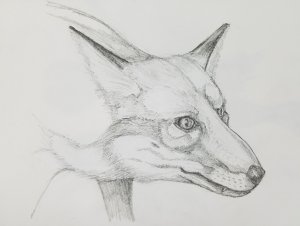
black and white sketch of Fox
Sketch of Fox Courtesy of Paul Smith

Foxes

I’ve seen a fox in our neighborhood once, however none have ever gotten our chickens thankfully. Though, I know they can be a menace; in East Texas where my mother-in-law lives on her 40 acres, foxes have routinely taken her chickens to feed their little ones.

Skunks, opossums, raccoons, and coyotes

Skunks, opossums, raccoons, and coyotes are also a threat. Once again we have been very blessed to live in the neighborhood we live in, which is in the country on only one acre in a neighborhood of 1 to 5 acre lots. We have a neighbor who lives a minute or two away (by car) on 5 acres, and they’ve had coyotes. I recall one time a raccoon came to our neighbor’s house next to us in the 7 years we’ve lived here. And he let us know about it, although it never even came into our yard.
tan and black dogs
Photo by Helena Lopes on Pexels.com

Dogs

There are also dogs, which is probably the biggest threat to our flock. Living where we do, dogs are basically allowed to run free. We even know who owns the dogs that run free. One or two of them even look like they’re starving, but there’s no animal control where we live. It’s really sad.

One of our friend’s and good neighbor’s dog attacked and killed one of our roosters (by digging under our fence where the broilers liked to relax) when we were first starting out. He felt so bad about it that he replaced the bird with another rooster. We have had other dogs get in our backyard; there’s a couple of black labs that know how to lift the latch on our gate and they gave our birds a fright a few years ago. However, the birds jumped the fence before anything else happened. We now put a lock on the gate.

2 children holding a dead snake by a raised garden bed

Snakes

Snakes are another predator, although they are more of a threat to eggs and chicks than adult chickens. In May 2017 we had a 4-ft long chicken snake in our yard. I noticed, from our picture window in our family room, our bunny jumping up in the distance. It looked like she was either getting stung by bees or getting bitten by a snake. I didn’t know for sure what was going on, so my daughter, Hannah, went outside to check the situation out.

In the meantime, all of the chickens were heading in the same direction, strangely concentrated on one thing. I soon followed my daughter. That’s when we knew it was a snake. At the time we still didn’t know what kind of snake it was. Hannah had it pinned to the ground, my husband was at work, and we were just concerned that there was a snake in the yard. Another neighbor came over and took care of the problem for us. It was then that we calmed down and were able to ascertain that it was a chicken snake.

In September 2019 one of our most favorite and least likely hens went broody, and the two eggs successfully hatched. The chicks were only a couple of days old, so Davis wasn’t leaving or prepared to leave the coop yet. Although, the next morning when I went to let the birds out, I saw Davis in the run. I was aware that the mother wouldn’t leave with her chicks for some time, but again this was new, so I wasn’t really sure what was going on.

Chicken Snake that killed a chick
Pinning the snake down.

My husband was outside, as well, and he asked me if I saw both chicks. I thought I had, but he didn’t. So he looked in the coop and saw a snake, which had gotten one of the new chicks. That’s why Davis and the other chick were out in the run. It was a chicken snake, smaller than the first one that got in our yard. We reasoned that it was able to slip in between the run door and frame-the space was just big enough. Our neighbor closest to the coop used to have a barn cat that was pretty good at keeping critters like that away, though Bobby passed away early 2019. Since that incident we installed more hardware cloth on the door so when it’s closed there’s no longer any space for snakes to sneak in.

Hawk in tree near chicken coop, looking for chickens
A hawk on a tree limb of my birds’ favorite tree.

Hawks

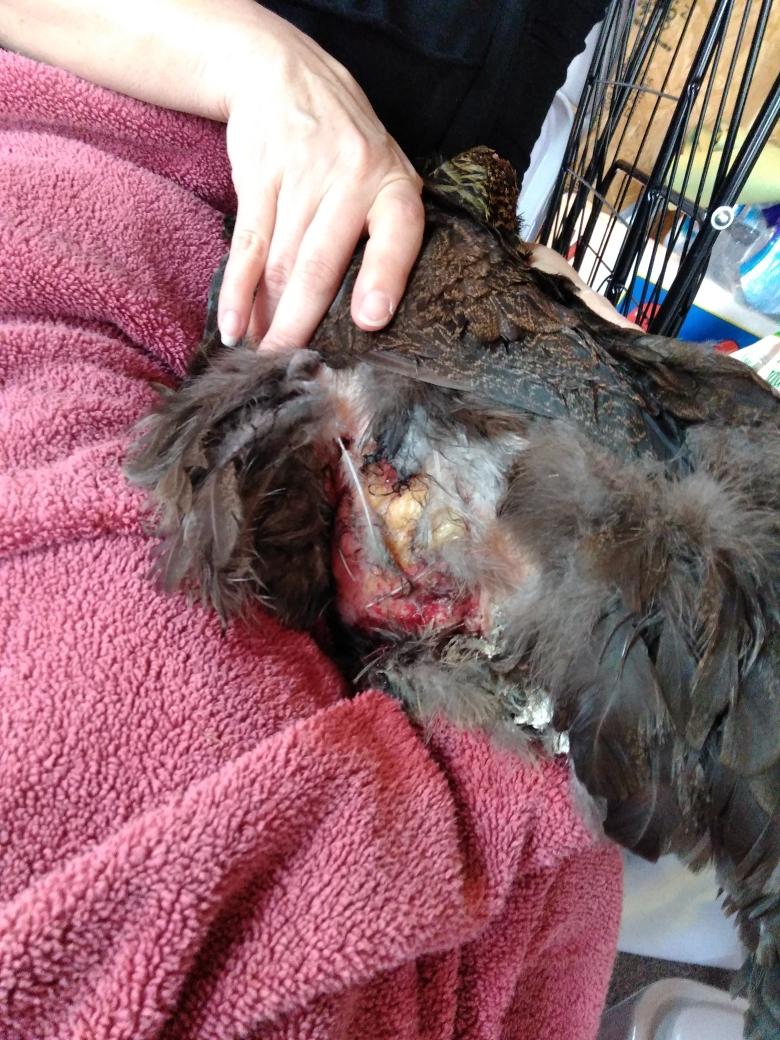
The following section contains imagery of graphic animal injury.

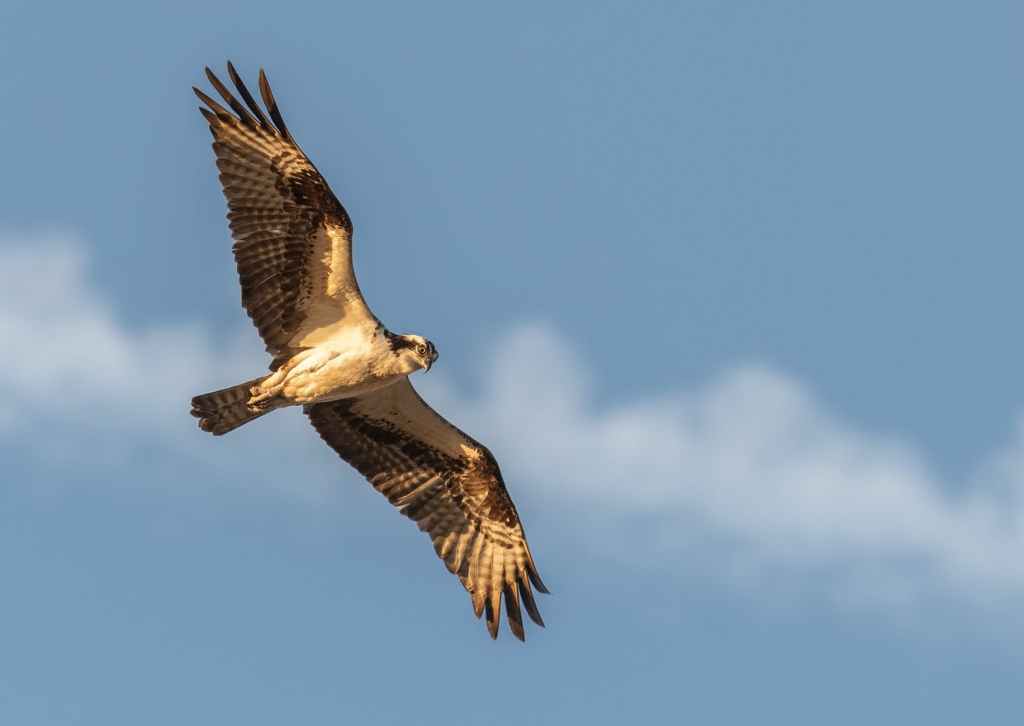
The other biggest predator threat that our birds face is from the air: Hawks. When we had our first real flock of chickens we had an Ameraucana we called Cody; she liked to forage by herself. This was back when Paul was building the big coop. Well, one day we went running errands, and when we got back Cody was gone. There weren’t any dog tracks-it had rained the day before, so the ground was still muddy. We looked everywhere, looking for tracks. Nothing. We think she got taken by a hawk, but we can never be entirely sure.

On April 20, 2018 Hannah went outside to collect eggs around midday. Strangely all of the chickens were in the run, so she suspected something was wrong. Especially when she saw all of the feathers in the yard. She went to the other side, the coop side, and looked inside and spotted Rex, Cody’s sister and tried to pick her up. That’s when she realized what happened, without knowing the exact details.

Chicken Injured by Hawk
Rex’s injury from the hawk attack.

Rex had been attacked, most of her tail feathers had been pulled out, and she only had a flap of skin left on her backside. We were left trying to figure out who or what the predator was. Was it a dog? The gates were all closed, and we didn’t think it could be a small dog squeezing through the fence. A cat? Possibly, but we couldn’t imagine it. We thought about a hawk, but hawks don’t let go of their prey, so we easily dismissed that.

We put Rex in a cage with water and food, put some medicine on her wound and then talked to my father-in-law who recommended we get an antibiotic. My oldest daughter’s father-in-law is also a veterinarian and he’s local, so we called him. The next day we picked up some antibiotics for our bird. Over the next 10 days, Rex ended up hating us for her treatment, however she was on the mend with the shot in her rear.

close-up shot of face of an Ameraucana hen

It wasn’t until a couple of days later when we learned the truth of what happened to our bird. Our neighbor across the street was just getting off of work when he saw the hawk dive to attack and pick up one of our hens. But then it unbelievably dropped Rex and flew away. That’s why our bird is still alive today. That and the antibiotics. Consequently she has a reputation and an attitude now. She’s the bird who lived.

Blue Andalusian Rooster behind coop
This is a close-up of hardware cloth with a rooster in the backgroud.

Protecting Your Flock from Predators

Now that we’ve gone over the list of predators, let’s discuss ways we can protect our flock from them.

A Good Coop Will Help Protect Your Chickens

So how do you protect your flock from predators? The first and foremost recommendation is to lock your birds up at night once it’s dark. I’ve read of friends who don’t lock up their birds, and sooner or later, predators will get them. With a little training, you can get them to go into the coop. Our birds seem to have an instinct to go in the coop now, so they let themselves in at night. Some, the ones on the lowest end of the totem pole, are the last to go to bed. But as soon as it’s dark, I go out to shut the run door. I bring a flashlight with me to make sure everyone’s in the coop, as I do a head count, double checking that the doors are secure before leaving.

Predator-proof Your Coop To Keep Your Birds Safe

The second most important suggestion is to make sure you have a predator-proof chicken coop and run, since most predators go out at night when the flock goes in. My husband put hardware cloth or wire mesh on the run, which is more sturdy and smaller in diameter than chicken wire. I wrote a post about the types of coops, you can read here.

three dogs outside in the grass

Get a Chicken-Friendly Dog

Invest in a guard dog for the flock-that’s just what my in-laws did. They were tired of the yearly assaults by foxes so they bought a Great Pyrenees mix. Lights and noises are also supposed to be deterrents, and because of the latter, guinea hens might make good alarms to predators due to the odd sounds they make.

When we had our Shetland Sheepdog, Moses, I truly believe his presence helped discourage aerial attacks. Now we have Sophie, and when she’s outside, I think she does the same. I also believe that if the birds tolerate the dog, and the dog warms to the flock and doesn’t hurt them, then utilize dogs for the benefit of everyone. They are possibly the most beneficial resource we have to dissuade predators from our property; we have only to train them properly.

Since Rex, our hen, got attacked by the hawk, any time our flock hears bird sounds, they run for the coop. They either can’t differentiate between a crow, a Mississippi kite, and a hawk, so they take cover just in case. Or they decide to take cover, because they’d rather be safe than sorry.

Over the years though, we have discovered that the crows and Mississippi kites have nests in the trees surrounding our property. And sometimes when a hawk has flown over screeching, a family of crows or kites will escort the raptor away to keep their own nests and young safe. We’ve witnessed it, although the hawks soon learn and adapt, and stop screeching in order to go undetected. The crows and kites can keep the raptors away, but we can’t depend upon them.

Invest in Shade Trees

The summer months are safer for our birds, because they’re warmer (or hotter, depending upon where you live), so they seek out shade. When we first moved into our house there were only two trees big enough in our backyard where the birds could sit and keep relatively cool. I soon learned they were far safer from predators under those trees in the summer than out walking around in the winter or autumn in full sunlight where they were exposed. In the Spring of 2016 we planted three fruit trees, and every year since, we’ve planted more, either fruit or ornamental.

What Not to Do

It is illegal in the United States to kill hawks or owls, even if they kill or attack our source of food or income. Raptors are protected, but we have to discourage them from coming to our yards. Roosters don’t always fight predators; a lot of people mistakenly think they do. Casanova, our first rooster, fought us over who was going to be the head roo. Megatron, my current rooster, fights actual roosters, to put them in their place (kinda like Casanova, only he was slightly confused). But the rooster is supposed to warn of danger; that’s the main way he protects the flock. There isn’t any way he can take on a dog, skunk, raccoon, or hawk; it would be futile unless the predator was smaller than him.

The best, proven options are a good coop and making sure the birds are inside at night. And during the day, if you have problems with predators, you may have to get a dog suited to chickens. It will deter the predator by always being a presence. You can click here to find out which dogs are best.

Categories
Hens Protecting Your Backyard Birds raising happy, healthy chickens Roosters

How to Introduce New Chickens to the Flock

If you’re a backyard chicken owner, then it’s likely that with the onset of every spring, you are familiar with the desire to purchase new chicks or chickens. This hobby can be very addictive. So this post is intended to help you know how to introduce new chickens to the flock. Because, otherwise, the new birds can upset the pecking order or bring diseases to your backyard birds.

quarantined chickens for introducing backyard birds

How to Introduce New Adult Chickens to The Existing Flock

When introducing adult chickens

  • Never introduce solo chickens to your flock.

Chickens can be mean. Even if you follow all of the recommendations for introducing new backyard birds, if you only present 1 chicken to your existing flock, that bird will inevitably be abused. It stands a better chance if you at least present it with one or 2 other birds. I don’t recommend adding more than that to a well established flock. This is because, more birds can greatly upset the pecking order, especially dependent upon the breeds you’re introducing. Which could cause stress in your existing hens, possibly making them stop laying eggs.

  • Don’t allow the new birds around your existing members until after you’ve quarantined the newest ones.

This way you can make sure the new birds are disease and parasite free. You don’t want to possibly give the rest of your flock something. Most people recommend keeping the new birds away from your established flock for a month. But I’ve also seen numbers ranging from no less than a week to 30 days. Also, while you are monitoring the new chickens, be sure to wash your hands when going from them to the existing flock.

  • Watch for pale combs and wattles, feather loss, lethargy, and scaly legs on the new members.

If you purchased the new birds from a reputable dealer, it generally isn’t necessary to isolate the birds for so long.

And then, once you’re satisfied that the new members are healthy, put them somewhere the rest of the flock can see them, and vice versa, preferably for a few days. If you can put the newbies in an enclosure, in the run, so the newbies and existing ones can observe each other, this is the ideal way for everyone to start getting to know each other without excessive violence. You want to do this for at least a couple of days. Because it helps to alleviate stress in the pecking order when the birds are finally let loose in the yard and coop.

  • Finally, add the newest members, at night, to the coop.

Chickens can’t see well in the dark, so this makes it the perfect time to sneak in the newbies. Then monitor behaviors in both the new birds and existing flock the next morning.

It would be unusual if you didn’t see members of your established flock peck the newbies. This is perfectly natural and acceptable. They are establishing the pecking order with the newest members. And depending on the breed(s) of chickens you have and then recently acquired, it may be limited to only pecking here and there.

However, there are more aggressive/dominant chicken breeds. And if the newest members happen to be one of those breeds, then you might see more than pecking. That’s because those hens will more than likely want to ascend to the top of the pecking order.

Wyandotte/Cream Legbar Hen

If one of the birds starts bullying, and you know which one it is, then remove that bird from the group. Put her somewhere like in a cage or a separate enclosure, away from the rest of the flock, with food and water. And after a couple of days, reunite her with the group. If her behavior hasn’t changed, purchase Pinless Peepers. They sort of act as blinders for the hen’s eyes, which will prevent her from bullying.

If the whole flock (or the majority) is bullying one hen, first you’ll need to check her over for injuries. You’ll more than likely have to separate the bullied hen from everyone since there’s too many doing the bullying in this case. And usually the bullying is due to an injury or a quirk the hen has, that the rest of the flock sees as a weakness. It will continue in this situation for as long as the hen lives.

juvenile chickens

How to Introduce New Chicks to the Flock

When introducing chicks to the flock

  • They should have their adult feathers. Sooner than that, they could get hypothermia.
  • Most people recommend that the chicks be adult size, (so no longer chicks) before putting them in the general population.

We followed this advise with the first, second, and third set of chicks we purchased and our first set of incubated chicks. However, as we got accustomed to raising chickens and our particular birds, we stopped waiting till the chicks were full size.

I don’t suggest this until you are very familiar with your flock and know their temperament. As I mentioned above, some chicken breeds tend to be more contentious than others. So, this will dictate how and when you introduce new chicks to your existing flock.

chicks
  • After their adult feathers are in, put the new chicks in a cage or an enclosure in the run. This serves the same purpose as when you’re introducing adult birds to the flock; so they can see each other.

With our second set of incubated chicks, we waited till they had their adult feathers and then brought the chicks out, in a pet cage. And then we put it in the run, so that they could see the adults, and the adults could see them. We only had 5 that time, so the cage was big enough for them. They also were protected from the adults (thus the cage), and they were protected from the elements and predators (thus the run). We did this for a few days before letting the chicks free.

We discovered that the adults didn’t pay any attention to the chicks. Because they didn’t deem them a threat to their food or position; they never attacked the chicks. It was only when the chicks got around the same size as the existing birds that the head pecking began. Also, those chicks were some of the smartest chicks we ever had. When it was time to be locked up at night, I would go out there and call them to me, to follow me, and they followed me to the coop to get locked up.

  • Finally, add the chicks to the coop, in the evening. And monitor the existing flock’s behavior the next morning.

Perhaps the most important thing to be careful of when adding chicks to your backyard is predators. You have to watch out for predators for your flock already, however there will be added ones for chicks. Cats, Mississippi Kites, and crows are just a few of the creatures that will not hesitate to attack chicks, but ignore the big girls. And that is merely due to the size difference.

And if you have a rooster, you can’t rely on him to protect the chicks. If he ignores them, he ignores them. Until they get to a certain age and size, they pretty much don’t exist.

introducing chicks to existing flock
Our Ameraucana Maran chicks.

Should You Add a Rooster or Not

Now what do you do when and if you want to add another rooster? I have read other blogs that are adamantly against it, proposing that it’s impossible. Stating and affirming that there will be bloodshed if it’s even attempted. However, I’m here to refute that, because anything is possible. Take most of my roosters, for example, who have not only been introduced but lived together without actual bloodshed.

No one can actually claim that it’s impossible for roosters to get along no matter the situation. And by the same token, I can’t guarantee that all roos will get along. Just, anything is possible. But a good rule to follow is to have 10-12 hens per rooster. And that’s not to be nice to the roos; it’s for the health and safety of the girls.

Since I brought it up, introducing a rooster to the flock is similar to bringing in a new hen:

  • Quarantine him for at least a week or more.
  • Next, have a physical barrier, like a cage, between the flock and the new roo, so they can see each other for a few days before they are thrust together.
  • Introduce the new rooster, in the evening, in the coop.
  • And the following morning, monitor everyone’s behavior.
Cream Legbar Ameracauna Cockerel
Cream Legbar, Ameracauna cockerel.

I’ve mentioned in a previous post here how our Cream Legbar roo was good with his girls relationally, but he was a coward; he’d bring danger to them while opposing us, his benefactors. So, my girls and I wanted to bring someone else in to teach him some manners. That was a joke.

introducing roosters to existing flock
Our Blue Andalusian rooster, Starscream.

We traded a couple of Black Sex-Links for a Blue Andalusian, adolescent rooster we named Starscream. We had a good number of hens, so the girls would be ok, we reasoned. And we wanted our short, scrawny rooster, Casanova, to have someone else to attack instead of us. But that didn’t quite work out the way we wanted it to; they became best buds.

We separated Starscream for the requisite amount of time, then we put him in an enclosure, so the adults could gawk and get accustomed to him. This was the only time Casanova showed true backbone as he made his rooster noises and did his rooster dances for this newcomer.

When we let Starscream out with the other birds, we thought for sure we would have just recompense on our enemy, Casanova; that the Blue Andalusian was going to solve our problems. Boy, were we wrong. Not only did he not solve our original problem, but he created another one.

That he was sexually mature was a fact, but going after the hens was not the issue; we expected that, and once again Casanova proved what a terrible rooster he was, letting this newcomer in and having his way. Yet I have a feeling it was more about self preservation than anything else. If they got into anything at that point, Casanova might win a fight, because of his spurs. And even though they were about the same height, the Blue Andalusian looked weightier than Cass. It would only be a matter of time, I was sure, before Starscream challenged him. We only had to wait, right?

Troubles with Too Many Roosters

We didn’t realize how bad things were with this new roo until one night my husband and I slept without our fan on. Starscream literally screamed (read crowed) all night long. He barely crowed at all during the day; it was like he was being respectful to Cass during the day, in front of him, while at night, he was telling everyone, especially the hens, “I’m the man, I’m the man, I’m the man!” I felt so bad for our neighbors, especially the ones who live closest to the coop.

I’m not exaggerating when I tell you that he crowed all night. All. Night. Long. It kept my husband and me up; I could only imagine the hens couldn’t sleep either. Maybe it was the name we gave him. We were asking for it, right?

We had Starscream for a month and a half to two months before we heard his ‘all-nighter’. That, coupled with the chicks we had brought in over the course of several months (4 introduced as almost adults due to their size, and 5 new adolescent chickens, including Starscream), started having an effect on our established hens and egg production, which I cover in another post. At that point something needed to be done, because he wasn’t serving a good purpose for my girls. I couldn’t continue to wait for him to challenge Casanova and possibly crow all hours of the night, stressing the hens out.

So, if you end up in a situation where your rooster or spare roo is stressing your hens out, you have a few options.

  • You need to cull him. This is the fastest method of solving the problem. Although, sometimes people have a difficult time with that option. It just depends on how serious the issue is. Are your hens actually getting hurt? Because spare roosters can do that too! Is egg production down?
  • Re-home him. This is the best solution. If you can find someone to take the roo off of your hands, everyone wins. Ask around and post something on Facebook; you might get lucky.
  • If you can’t find someone to take him, you can always Google for animal sanctuaries. Sometimes you have to pay a small fee for them to take in the animal. But, it’s worth it.

In Conclusion

Basically introducing roosters, chicks and adult chickens is very similar. You quarantine the adults to make sure they’re not sick. But with chicks, wait until they’re feathered out. And then satisfying the requirements, you place the newbies in an enclosure separate from the established flock, where they can see each other for a few days before combining them in the coop in the evening. Have you ever had any crazy chicken introduction stories? What about chickens bullying other chickens? Your comments are appreciated.

If you enjoyed this post, please like, share, and please don’t forget to follow.

Categories
raising happy, healthy chickens Roosters

What Is The Point Of A Rooster?

Have you ever experienced both the good and bad side of a rooster? You know, where one day he’ll attack you and the next day he does something amazing for his flock? When you get attacked by an 18 inch tall bird, you may ask yourself why you even have him there. So, what is the point of a rooster anyway?

In one of my posts I brought up how our first rooster would attack every member of my house any moment we walked outside. If you’ve experienced this, you understand it gets tiring real quick.

Many people may wonder why we didn’t just get rid of the rooster, and the answer to that is twofold: no one would take him, and he served a purpose. So that’s the focus of this post.

The Point of a Rooster

There are a few points to having a rooster, that bear getting attacked by him. And they include

To get more chickens

I get asked all the time if you have to have a rooster in order to get eggs. And the answer is a resounding no, because hens will produce eggs whether or not there’s a rooster. But if you want chicks, or more chickens, from your own flock, without purchasing them from a breeder or feed store, then yes, you need a rooster.

Incubating your own chicks can be an amazing experience, especially if you have children. Even if you don’t incubate, you might have a broody hen at some point. And you know all about your chickens, any illnesses they’ve had, their whole history. Whereas, with store bought chicks or adult birds, you know really nothing about them. However that’s not the only reason to have one.

4 incubated chicks

Communicate with and protect his harem of hens

Another key point in keeping the rooster around is the different sounds and calls he has. Roosters have particular sounds they make which can mean different things. From warnings about danger to letting his girls know about goodies he’s discovered, his calls are distinct. For example,

  • Food sounds

A rooster will make his very own clucking sound that signals to the hens that he’s found something especially nice. A good roo will often sacrifice eating so he can give treats to his girls but often with ulterior motives. Many times you can notice roosters mate with a hen after making his “Look, look, look” sound. The rooster entices the hen with treats before enjoying the fruit of his labor.

  • Noises about danger

A good roo will make an ‘oo oo’ sound which indicates danger. Unfortunately our first rooster wasn’t skilled at looking for actual danger; he was too busy thinking his humans were the sole source of peril.

Both roosters and hens will squawk when they are alarmed.

  • Responding to the hen song

Another familiar sound roosters make is the egg song. However it isn’t limited only to roosters; both hens and roosters participate. The egg song is when a hen lays an egg and then she sings a song about it. Or cackles and squawks for a long time. And in the middle of her singing, the rooster joins in the melody. Some claim that the hen is proud of her work, but not all agree.

Likewise, others think the birds may be trying to lead predators away from the eggs by drawing attention to themselves. I suppose, simply on an instinctual level, anything is possible, but I know my birds. I know that if a dog started running after my hen, she would run back to the coop, not away from it. Not out of a desire to get the dog to eat the eggs and spare her. I don’t think my birds think that deeply. No, I know they would be extremely scared, and they run to the coop when there’s danger.

Another possible explanation is that the hen is signaling that she’s done laying her egg; and trying to find out where everyone is, and thus the rooster answering back. A lot of times our rooster will run to the coop to get her.

mohawk haan crows close up
Photo by Pixabay on Pexels.com
  • His crow

What does the all too familiar cock-a-doodle-do mean? He could be announcing that he’s the boss, or he could be talking to distant roosters. Maybe the roosters are challenging each other or trying to establish the boundaries of their own kingdoms.

Teach the hens

Sometimes, not always, a rooster will get in a nesting box, because he’s showing the hens what to do. He’s teaching the hens where to lay eggs. Casanova, our first rooster, took his job very seriously, and he was the only roo we had that did that.

rooster in nesting box
Cass in a nesting box.

The older hens usually teach the younger ones how to look for food and where to lay eggs. However, roosters have also been known to do this as well.

Another Purpose in having a Rooster is

They maintain order in the flock

The rooster is at the top of the pecking order. No one, except you, outranks him. Most roosters will keep and maintain peace in their flock. If there are difficulties in flock members, he will settle it. So having that order makes it worth it to have a rooster.

I observed this about my roo one afternoon, as I was watching my birds. He was good with relationships. At least with his own kind. A couple of the older gals were dust bathing, and they have certain favorite spots for doing that. Well, Chopper, one of our Ameraucanas, saw a Black Sex-Link in the bathing hole. So she grabbed the hen by her comb, with her own beak, and commenced dragging her out of the dust. Less than 2 seconds later Chopper realized her mistake. She erroneously thought she was forcibly moving one of the younger Sex-Links. But she actually did that to Loki, our oldest Sex-Link, and probably higher on the totem pole than Chop.

Loki the chicken
Our Sex-Link Loki.

Loki was ready to clobber Chopper when she was on her feet, and Chop was right to be afraid. Because Loki was a lot heavier than she was. Chopper made a huge mistake, but Casanova stopped the girls from getting into anything. He was right there, this midget, smaller than Loki, except for his tail feathers. It was like he was talking to both of them, only I had no idea the exact words he was saying.

He would look from one to the other, bob his head up and down, make some noises. I know he was talking to them, calming them both down, and it worked.

He Maintains Order With His Dance Moves

Another thing you want to consider when keeping a rooster is they dance. There is the big showy dance where he’s putting himself on display for a mate, in hopes of luring one in. And then there’s the smaller two-step one where he just makes a couple of steps around the hen.

Girl holding rooster
Our youngest holding her arch-nemesis.

The second type of dance is for keeping his girls in line. And that’s more typically the kind of dancing I see from my roosters, current and past. The hen might have disagreed with him, rejected his offer of love, gone off on her own, or started to get in a fight with another hen. But, whatever it is, he will go get her and do his two-step little dance. Rarely does he have to bow up and show her who’s boss in such an aggressive display.

He Maintains Order by Getting a Wayward Hen

Speaking of hens going off on their own, good roosters will bring back a wayward hen. Or at least join her to make sure she’s protected.

Megatron, my Ameraucana, is a very good roo as he shepherds his hens well. He reminds me of the parable in the bible about the shepherd leaving the 99 sheep to retrieve the one lost lamb. He does that for his girls.

I have many more stories I can share about roosters and hens, but I’ll stop here for now. I would love to hear your comments.