Categories
Hens raising happy, healthy chickens Roosters

Types of Combs on Chickens

Backyard chickens are both fun and entertaining. But have you ever wondered about their combs? Like, what their purpose is? Well, the chicken comb is the fleshy bit on top of their heads. Additionally, some are big, while others are small. Interestingly enough, there are 9 recognized types of combs on chickens.

And the chicken comb serves a few purposes. For instance, the comb is an outward signal of chicken wellness. Thus, depending on the color, you’ll know the health of your flock. Also, since chickens don’t sweat, their combs and wattles act as a sort of ventilation system. That’s how they get cooled off. So, the bigger the combs, the better the birds fare in summer. Likewise, the smaller they are, the better they do in harsh winters.

The next function of the chicken comb is to help establish the pecking order. Typically birds with bigger combs are more dominant than ones with smaller combs. However, it also depends on the breed. We have one black Sex-link, one Wyandotte-mix, a Cream Legbar, a few Plymouth Rocks, Cuckoo Marans, and the rest are Ameraucanas. One of our Ameraucana hens is the most aggressive hen out of the bunch since the Wyandotte sisters left. But that’s atypical of the Ameraucana breed.

Black Ameraucana and Maran chickens roosting
4 juvenile roosters and a pullet make up this group. And you can easily differentiate the roosters from the hen by their tail feathers; but also their combs are darker and more pronounced as well.

Furthermore, the last role of the chicken comb is sexual attraction between roosters and hens. There are sites that claim this is the purpose of roosters’ combs in attracting hens; however, hens do not want to mate. Ever. Therefore, it’s been my experience, in watching roosters with chicks, while they’re maturing, the roos are just waiting for the chicks to develop. Maybe they’re waiting for some indication before mating with those birds. Who knows? The chicks change from this fluffy poofball into this creature that the rooster wants to mate with again and again and again.

Types of Combs on Chickens

Warm Climate Comb Types

Large, flamboyant combs are prominent in chickens that do well in warm temperatures. And there are only 3 types that feature for warm, or hot weather. Although, in freezing temperatures, they are more at-risk to frostbite. So, care should be taken in very cold weather with breeds that have the following kinds of combs.

Single red comb on Cream Legbar Rooster in chicken nesting box
Our first rooster, Cass, a Cream Legbar.
  • Single comb: This is generally the comb we picture when we think of chickens. Thus, it’s referred to as the classic comb. It’s bright red, stands upright, and has 5 or 6 points. Leghorns, Rhode Island Reds, and Ayam Cemani have the single comb, though the latter sports a black comb.
digital art of Buttercup comb type on Sicilian Buttercup chicken
Digital Art, Courtesy of Sarah Smith
  • Buttercup comb: The buttercup comb looks like a variation of the single comb. However, it looks like a cup-shaped crown with a circle of regular points. Further, there’s only one breed with this unique comb–the Sicilian Buttercup.
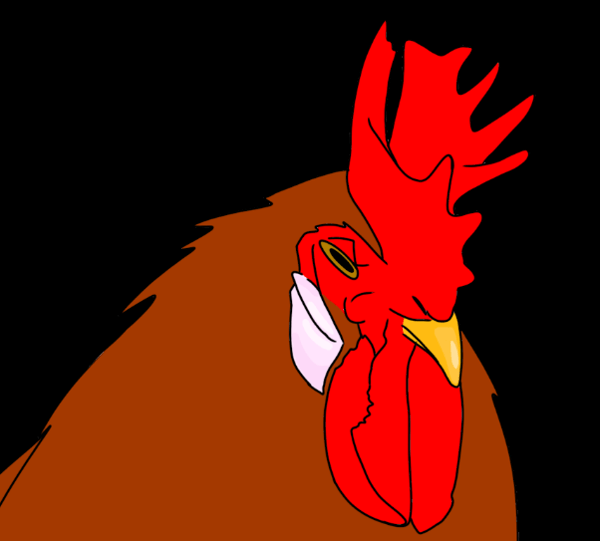
digital art of carnation comb on Empordanesa
Digital Art, Courtesy of Sarah Smith
  • Carnation comb: This comb is another rare comb that mimics the single comb at first. But it has extra points that stick out at right angles at the back of the comb, also giving it the appearance of a crown. In addition, the only 2 breeds with this type of comb are the Penedesenca and Empordanesa.

Types of Combs on Chickens

Cold Climate Comb Types

Smaller combs, that sit lower to the head, usually characterize cold hardy chickens. That’s because these types of combs conserve heat, rather than expelling it. Therefore, if you have any birds with the following types of combs, watch them in hot weather for signs of heat stress.

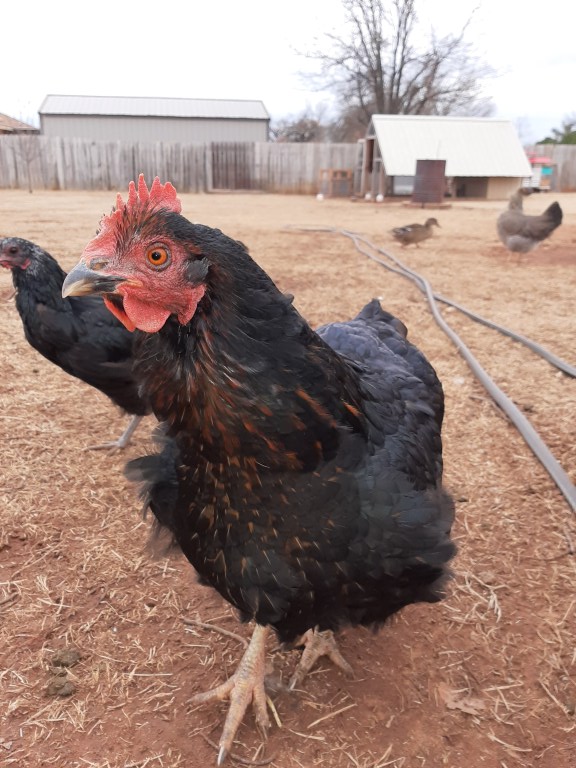
red pea comb on Black Ameraucana rooster in yard with mixed flock in background
  • Pea comb: This comb can be either small or medium in size, and presents as 3 rows of growths or ‘peas’ that extends in length from the beak. Additionally, the pea comb got its name from the little growths that favor peas. Breeds with pea combs are Araucana and Ameraucana, Brahma, Buckeye, and Sumatra.
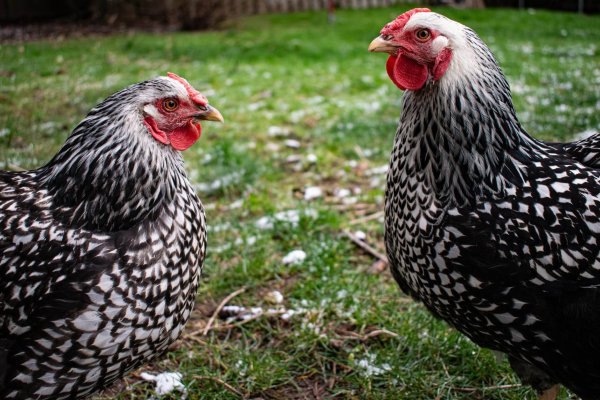
rose combs on 2 Wyandotte hens in a yard
Photo by Brandie Robbins on Pexels.com
  • Rose comb: Thick and level, the rose comb is layered in small, round growths. And dependent upon the breed, the comb can have a slender point at the back, extending over the back of the head. In addition, some breeds have rose combs that curve upwards, while others have combs that lay horizontal. Rosecomb Bantams, Wyandottes, Hamburgs, and Sebrights are the breeds with this type of comb.
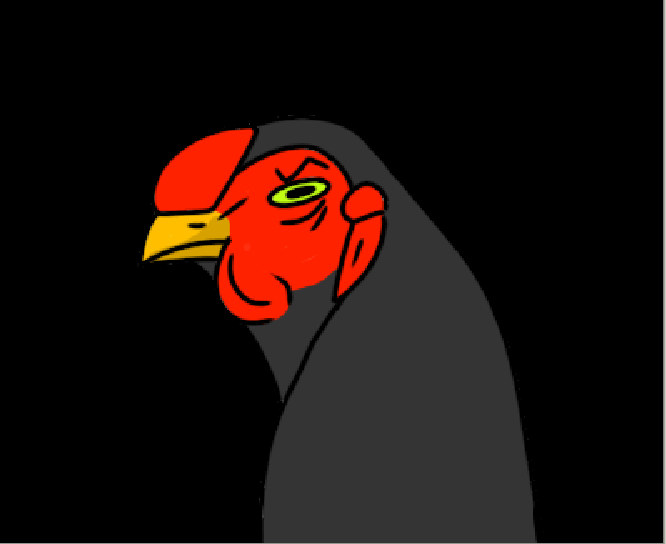
Digital Art of Strawberry comb on a black hen
Digital Art, Courtesy of Sarah Smith
  • Strawberry comb: Similar to the Pea comb and peas, this comb derived its name from its likeness to strawberries. Additionally, the texture is rough and bumpy. And on some chickens, the comb just barely folds over their beaks. Breeds with this kind of comb are the Malay and Yokohama.
digital art of V-shaped comb on Polish rooster
Digital Art, Courtesy of Sarah Smith
  • V-shaped comb: Due to the thick, obvious, horn-like points reaching left and right from the base of the beak, alternative names for this style include Devil’s Horn, ‘horn comb’, and ‘antler comb’. Crevecoeurs, Houdans, La Flèche, Polish, and Sultans all have the V-shaped comb.
digital art of walnut comb on Silkie rooster
Digital Art, Courtesy of Sarah Smith
  • Walnut comb: Yet another comb that got its name for having a likeness to the item it was named after, this time a walnut. In addition, the comb is usually red, flat, and bumpy. And you can most often see it on Silkie roosters; though the hens have them as well. However, due to their size, it can be more difficult to distinguish the type of comb.
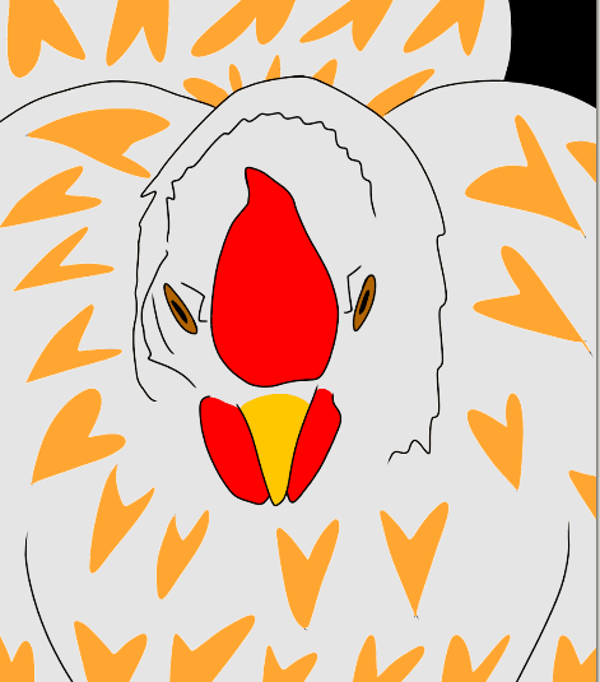
digital art of Cushion type comb on Wyandotte hen
Digital Art, Courtesy of Sarah Smith
  • Cushion comb: This last comb is small, compact, and also sits close to the head. And there are no spikes, points, or serrations on this one. Furthermore, the Chantecler dons this type of comb.

What the Chicken Comb Can Tell You

I already mentioned that, due to the color of your birds’ combs, you can determine the health of your flock. Generally a sexually mature chicken’s comb should be bright red, except for the Ayam Cemani, which is black. Sexually mature means ready to mate for the roos, and ready to lay eggs for the hens. In addition, rooster combs develop faster than hen combs.

The following is a list of things to look out for.

broiler chicken with dark red comb
This was Natalie, our last broiler.
  • Dark red to purplish combs can be a sign of a few different issues, like respiratory or breathing problems, heart issues, or stroke. The last broiler we had, named Natalie, was displaying this kind of comb a few days before she laid her final egg, and ultimately died. She lived to be a year old and was probably every bit of 15 lbs. If you see one of your chickens with this type of comb, consult a vet immediately.
pale pink comb on Ameraucana hen
This is our hen, Rex, after she was attacked by a hawk. She stopped laying eggs for a while.
  • Pale combs most often indicate when hens are going through molt and don’t necessarily mean anything is wrong. However, it’s always a great idea to examine your backyard flock for any kind of sickness, including parasites (internal and external), and dehydration. Both of which can cause pale pink combs. But birds with dehydration will be panting and unresponsive. Therefore, if you have a chicken that’s dehydrated, get it to a cool, dim place; and using a medicine dropper, if the bird is too weak, give it water with electrolytes. On the other hand, if your chickens have parasites, treat them topically with Ivermectin. Click here for further instructions.
black spot on hen's red single comb
This is our hen, Oddball, whose single comb was pecked.
  • Black spots on the comb could either be caused by fowl pox or pecking. And you can tell the difference mainly be looking at the bird’s feet and wattles, because the birds typically don’t get pecked on the latter body parts. Otherwise they look very similar. There is no treatment for fowl pox, except to keep the affected birds separated. Although, you can get a vaccine for your flock to protect them. That’s what I did after 3 of our chickens came down with it.
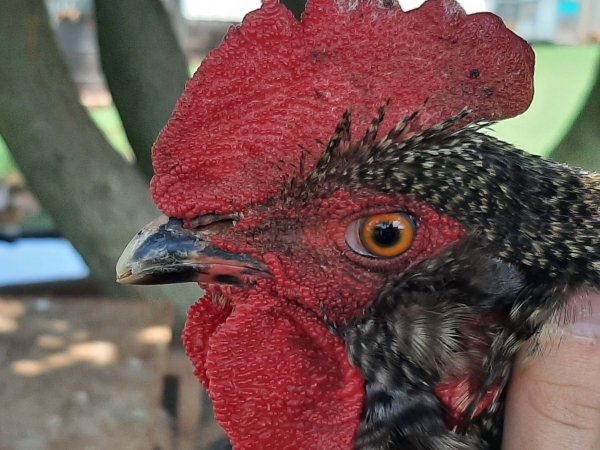
headshot of cuckoo Maran rooster
Baby Nay’s comb used to be a little bit bigger before he got frostbite on the tip of his comb during the blizzard we had in February 2021.
  • Black tips on the comb is caused by frostbite. And that part of the comb will most likely fall off. But at first the area will appear off-color. Some people apply petroleum jelly to their birds combs during harsh winters; but the best prevention is deep litter in the coop.

Punnett Squares on Comb Types

You may remember learning about dominant and recessive genes and Punnett squares from when you went to school. Well, I’m not going to give you a lesson in that today. But I am going to tell you that Walnut combs are produced by chickens that breed true for Pea combs that are crossed with chickens that breed true for Rose combs.

Additionally, some backyard chicken enthusiasts report that if you cross a dominant Rose comb with a dominant Pea comb, you can even get a Cushion or a Strawberry comb.

In Conclusion

If you show poultry, there are 9 recognized types of combs on chickens. But if your birds are your hobby, pets, supply you with eggs, or all of the above, and you breed them, you could come up with a unique comb on your birds.

Not to mention, the comb is one of the first places we recognize if something is wrong with our birds. Whether dark red, purple, spotted, or pale, the comb won’t lie. And it’s usually easy to see. We just have to pay attention.

Thanks for stopping by! If you enjoyed this post, please like, post a comment, share, and please don’t forget to follow!

Categories
Hens raising happy, healthy chickens Roosters

Best Chickens for Laying Eggs

If you’re thinking about starting a backyard flock, you need to answer some questions first. Is the primary purpose in order to get fresh eggs? Most people cite farm fresh eggs as the main reason for raising chickens. However there are also chickens for show. And some eggs are more esthetically pleasing than others. That’s how I’ve based most of my flock. But if, like most people, you want eggs, then it’s important to know the best chickens for laying eggs. Especially if you have limited space.

For the following list I’ve included backyard birds that lay between 200 and 300 eggs annually.

Leghorn

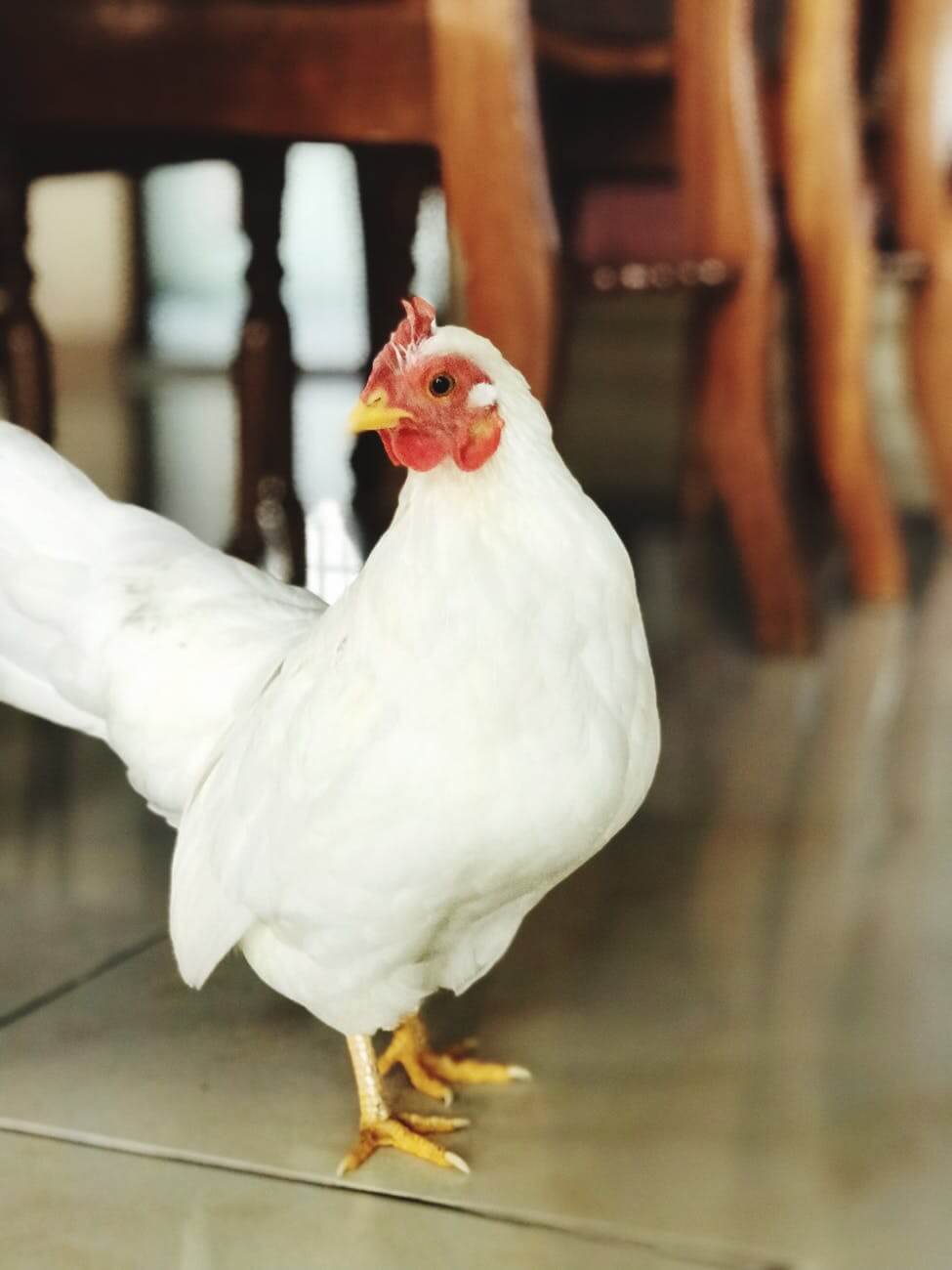
white Leghorn chicken under dining table
Photo by Catherine Sheila on Pexels.com

No “best chickens for eggs” list would be complete without including the Leghorn. And they

  • come in many varieties, but we mainly associate them with white chickens
  • are classified as dual purpose
  • lay medium to large white eggs
  • can lay ~280-300 eggs annually, beginning at 17-20 weeks old
  • are nervous and flighty
  • weigh anywhere from 4-8 lbs
  • also, if they have pea combs, they do better in cold weather than hot; however if they have single combs, they do better in hot weather rather than cold; (freezing, not just cold)
black sex link hen in a yard with coop in the distance
This is our atheist, Sunshine.

The Black Sex-link is a great bird for any backyard addition. Furthermore, they

  • are dual purpose birds
  • are hybrids created by crossing Barred Rock hens with Rhode Island Red roosters or New Hampshire Red roosters
  • lay large light brown eggs
  • are hardy in all weather; however roosters will be more vulnerable to frostbite in freezing weather with his comb and wattles
  • produce ~250 eggs annually, starting at 16-18 weeks old
  • are docile and have a friendly personality
  • weigh anywhere from 6 – 9 lbs
  • and the hens are mostly black with a little bit of brown on their chests and necks; roosters are larger, but appear more like Barred Rocks with hints of red in their feathers

Rhode Island Red

Rhode Island Red hen
Photo by Maxine Novick on Pexels.com

The Rhode Island Red is another bird that completes any “best chicken” list as well. They

  • are America’s most popular breed
  • are the most notable dual purpose bird
  • lay medium to large light brown eggs
  • weigh from 6.5 – 8.5 lbs; feathers on hens range from dark red/brown to light rust; roosters are bigger and will have darker plumage
  • produce 200 – 280 eggs annually, originating from 18 to 22 weeks
  • can be described by some as bossy; while some roosters can be aggressive
  • are on The Livestock Conservancy Watch list
  • and similar to Leghorns, if they have a rose comb, they do better in freezing weather than hot; but if they have a single comb, they fare better in the heat than freezing temperatures

Golden Comet

flock of Golden Comet hens on green field
Photo by Alexas Fotos on Pexels.com

Just like Black Sex-links, Golden Comets are hybrids, and they

  • also are dual purpose
  • lay large light brown eggs
  • weigh 4 lbs – 8 lbs
  • lay 250 -320 eggs yearly, beginning at 16-18 weeks old
  • have light, medium red brown feathers with some white; while roosters are sometimes totally white, or white with some light to dark red feathers splashed on them
  • are gentle and friendly birds
  • have a short lifespan: the cost of high production and maturing quickly cut this breed’s life compared to other breeds
  • and as with all single comb chickens, this backyard bird fares better in hotter temperatures; therefore, they’re more at risk for frostbite in freezing temps

Australorp

close up photo of black Australorp chicken
Photo by Berend de Kort on Pexels.com

This bird is very popular in Australia, where it hales from. Also, they

  • have blue, black, and white varieties, but black Australorp is the most popular color
  • are another dual purpose chicken
  • lay large light brown eggs
  • produce ~300 eggs annually, starting ~5 to 6 months old
  • are described as friendly and shy birds
  • are 6.5 – 8.5 lbs; hens and roosters are all black, but obviously, the roos are bigger with more flair
  • go broody
  • and due to their single combs, frostbite can be an issue; but they should tolerate summers

Sussex

brown and white Sussex rooster on concrete surface
Photo by Engin Akyurt on Pexels.com

This backyard bird is another good layer. Further, they

  • have speckled, red, and light varieties recognized by American Poultry Association, while light is the most popular; brown is also recognized in England. Some breeders have made 4 additional varieties.
  • lay medium to large tinted eggs
  • lay 200 – 250 eggs yearly, from around 20 weeks old
  • weigh 7 – 9 lbs; both the hen and rooster look similar: white bodies with black wing tips, black tail, and neck feathers have a black lacing around them. Again, roosters are bigger with longer, more flamboyant tails.
  • are dual purpose birds
  • are docile, and easy to handle
  • can go broody
  • also have a single comb, so care should be taken in freezing weather

Plymouth Rock

Plymouth Rock hen outside
This is either Dopey or Sakura.

The last dual purpose bird on the list is the Plymouth Rock, and they

  • lay light brown medium to large eggs
  • come in 7 varieties, but the most popular is barred
  • produce ~ 230 eggs annually, starting around 20 weeks
  • can go broody
  • are very calm, friendly and tolerant
  • weigh 7.5 – 9.5 lbs; and again both barred rock roosters and hens look similar, black and white patterning; however the roosters are bigger, and they appear lighter in color than the hens, more gray and white; and their tail feathers are bigger
  • also have a single comb, which is prone to frostbite

To Summarize

I’ve listed 7 backyard birds that lay between 200 and 300 eggs annually. In addition, they’re also classified as dual purpose. Therefore, if you’re interested in having your own flock of birds, you know which ones lay the most eggs. And if you have extra roosters, you could logistically use the meat for a casserole or a soup, etc.

Thanks for stopping by! If you enjoyed this post, please like, comment, share, and please don’t forget to follow!

Categories
Chicks Hens raising happy, healthy chickens Roosters

Reasons to get Chickens

Eggs are the number one reason people get into the backyard chicken-keeping business. And since 2020 more people got into it, though their reasons weren’t necessarily the same. However, there are many reasons to get chickens.

Eggs

multi-colored fresh eggs in nest
Fresh eggs straight from the nesting box.

Even so, eggs are a great reason to get chickens. And a good egg laying hen will produce ~ one egg per day. So if you want a dozen eggs a week, you need 3 or 4 hens. Which means, you don’t need a whole lot of space for only 3 or 4 backyard birds.

Healthier Living

roasted chicken on a white plate
Photo by Maksim Goncharenok on Pexels.com

Due to shelter-in-place restrictions and then supply shortages, many people started raising their own chickens. A lot of backyard birds are dual-purpose birds. That means you can have hens for eggs. And if you have extra roosters, they can make good meals. In addition, knowing where your food is, and what goes into it somehow makes it taste more amazing.

We’re pretty blessed living where we do; however I know that bare shelves prompted a lot of people to buy chickens. And having backyard birds allows people to be somewhat self-sufficient, by providing a fresh source of eggs and chicken.

Sustainable Living

chickens around a raised garden bed with coop in the distance
One of our first raised garden beds that our chickens loved to help eat from and fertilize.

Rather than supporting factory produced eggs and their big carbon footprint, when you raise your own eggs, there’s less manure. So you have less of a carbon footprint.

Also, the chicken manure can be used for fertilizer or composted. Therefore, the result is less carbon emissions. And the birds help you with gardening.

Pets

Black Ameraucana rooster with Pekin duck
My pet rooster, Megatron.

Another reason to get chickens is that they make great pets. And when they’re chicks, they come on the cheap side; no pun intended. Furthermore, they come in many different breeds, colors, and sizes. And you can name them, if you so choose. We’ve named all of ours–after Star Wars, Lord of the Rings, Marvel, Transformers, and anime characters.

Additionally, they all have personality. And they’re mostly easy to take care of: feed and water them, provide good, predator-proof shelter, and remember to clean their coop. Other than that, they do their chicken thing, providing you with food.

Chicken TV

Cream Legbar rooster asleep in person's hands over sketchbook outside
This was our Cream Legbar rooster; he’s asleep in this pic, but he looks like he’s reading.

Have I mentioned chicken TV? Keeping backyard chickens also provides free entertainment without the use of electricity. Just step outside, pull up a chair, and sit a spell. It’ll only take a moment before you see one of the members of your flock doing something adorable or hilarious.

And if you can, I highly recommend getting a rooster to complement any flock of hens, because that’s the best entertainment. You’ll get drama, suspense, romance, and comedy when you add a rooster.

Education

chick hatching from an egg
This was one of our first chicks hatching.

Having chickens is also educating. I can’t express to you how much I’ve learned just in the 7 or so years we’ve kept backyard birds. For most people, this might be considered useless. However, if you have children or grandchildren, it will be fascinating, especially when they see their first egg hatch. And they’ll learn to take care of animals.

Backyard Therapy

mixed flock of backyard chickens
This is one of my favorite things to do with them: just be out there with them.

The biggest benefit I personally receive, from taking care of chickens, is backyard therapy. And I’m not the only person to have experienced this. Other people, who either have kept chickens, or still keep birds, are familiar with this phenomena. I don’t know if it’s just the birds, or a combination of being outdoors, watching the birds, or what. But things that were troubling eventually fade away.

I don’t know that I would say the chickens are empathetic, and that’s the reason having them helps. It’s just that after I’m outside watching them for a while, I start to feel better.

To Conclude

I’ve listed 7 reasons to get chickens, but ultimately the decision is yours. Backyard chickens make amazing pets and are a great supply of food. But I’m sure that whatever the reason you decide to get chickens, you’ll enjoy them.

Thanks for stopping by! If you enjoyed this post, please like, post a comment, share, and don’t forget to follow!

Categories
All animals Hens non-fowl raising happy, healthy chickens recipes

What are Pasture Raised Eggs

It used to be you only had brown and white eggs to choose from. But now grocery stores offer cage-free, free-range, and even pasture raised eggs. Maybe you think they’re all the same? I mean, they all come from the same place, right? Well, I’m going to explain the differences, in particular, of pasture raised eggs and the others.

What are Caged Eggs

white chicken in cage
Photo by cottonbro on Pexels.com

Caged eggs come from hens that are basically housed in battery cages. This is the most common method for industrial egg production. So ~85% of US eggs are from caged hens. And that means the birds are stuck in cages for their egg-laying lives in roughly 67 square inches. Also, they’re fed a corn or soy diet.

In my own opinion, I understand why the industrial egg producer keeps their hens in this situation. Since they’re dual-purpose birds, when the hens are no longer laying eggs, (at the industrial level ~ 2-3 years old), they’ll slaughter them, package the meat, and sell to a specialty grocery store. Because a 3 year old hen, that’s gotten plenty of exercise, is a tough old bird in terms of food. So, the less space they have to move in, the better they’ll taste when those farmers cash in on those hens for the last time. Thus, it’s more economical for the farmer to keep their egg-producing hens confined this way.

However, some industrial egg producing farmers send the hens to a landfill or make them into pet food. I wouldn’t do any of those options, because my birds are like my pets. But I’m also not a commercial egg producer.

What are Cage-Free Eggs

As of March 2021, about 29% of eggs sold in US grocery stores were from cage-free hens. In addition, these hens have a little more space, than caged hens, with a little less than one-square foot each. Furthermore, they’re living in barns, and like their counterparts, they don’t have access to the outdoors. And they also have a diet consisting of corn or soy.

What are Free-Range Eggs

hen chickens through chain link fence
Photo by Will Kirk on Pexels.com

According to the National Chicken Council, (yes, apparently there’s a chicken council), less than 1% of chickens are considered free-range in the US. Additionally, these hens have more room than either caged and cage-free hens with 2 square feet each. And they have access to the outdoors. Although there’s not really a consistent standard on how long the birds get to be outdoors or what the space is like. Also, they too are fed a diet of corn or soy.

What are Pasture Raised Eggs

pasture raised chickens outside

Pasture raised eggs first got their start in 2007 by Matt O’Hayer from Texas. However they didn’t get any steam until cage-free and free-range had already gotten attention. With that being said, there’s not a standard for pasture raised eggs either. But, according to the USDA, pasture raised eggs are laid by hens with more access to the outdoors, and their diet is supplemented with bugs and wild plants.

Although, the best method to determine if the eggs you’re buying are pasture-raised is other labels, such as: Certified Humane Raised and Handled + Pasture Raised, or American Humane Certified and Pasture Raised. If your eggs have either of these labels, then the hens who laid the eggs have access to the outdoors, with 108 square feet per hen. And each hen eats a combination of a balanced feed and whatever they get from foraging: grass, worms, and insects. In addition, they can roam all day and return when it’s time for bed.

Which is More Expensive

dollar sign
Digital Art of a Dollar Sign, courtesy of Sarah Smith

As you can well imagine, the most expensive option is going to be the one that is the most humane for the birds. I already mentioned that the most economical way for the farmer was the battery caged method; and that’s because the farmers are sucking every last penny out of those chickens that they can get.

Which is the Healthiest

2 different chicken egg yolks in a white bowl

According to The Egg Nutrition Center, there’s little nutritional difference between all 4 types of eggs. Although, there have been studies showing differences in mineral content based on the type of housing a particular egg was laid in. And Mother Earth News has verified the superiority of true pasture raised eggs to traditional eggs sold in grocery stores several times.

Furthermore, I covered a post on egg facts not too long ago, confirming that hens with access to pastures, grass, and bugs lay richer eggs. And richer eggs just taste better.

What’s Better for the Birds

red and black rooster on green grass
Photo by Erik Karits on Pexels.com

Obviously allowing chickens all day access to the outdoors is the best policy for the chickens. It’s what they do in nature; it’s what they did before we captured and tamed them for our own use. They can communicate with each other, stretch, roost, forage, and just be birds when they’re truly in a pasture setting. But in the other 3 settings they don’t really get to be the way nature intended; they’re the way we intended, which isn’t the same thing at all.

What’s Better for the Environment

green grass field and river
Photo by Barnabas Davoti on Pexels.com

Since we’re considering every option, people and birds, I wanted to include the environment. Because any type of industrial food production has an impact on the environment, which then trickles down to us. However, the only thing I could find on that was based on feed. And that really applies to all of the egg-producing systems. Apparently any type of egg production leaves behind a pretty steep carbon footprint due to the embedded emissions in concentrate feed.

Therefore, if industrial chicken or egg farmers could find an alternative feed for their birds, that doesn’t produce as many greenhouse gases, then it would be better for the environment. Of course the feed should also consist of a balanced diet for the birds.

In Conclusion

There are 4 types of eggs to choose from at the grocery store. Since labels can be confusing, you need to know how to read them. Caged eggs make up the vast majority on grocery store shelves. While cage-free hens are in somewhat better living conditions, they still represent a small percentage. Even though free-range and pasture raised have access to the outdoors, there still isn’t a standard for commercial egg producers.

green leaves and organic word
Photo by Fuzzy Rescue on Pexels.com

However, if you’re interested in animal welfare, then look for those kinds of labels. But if you see labels for organic, that has nothing to do with the bird’s welfare; it just means the bird was fed a vegetarian diet, free from antibiotics and pesticides.

If you have neighbors with backyard birds, know they treat their birds well, and you have the means, buy some eggs from them. That way you’ll be supporting your very local community and get to enjoy the benefits of farm fresh eggs, which are true pasture raised eggs.

Thanks for stopping by! If you enjoyed this post, please like, post a comment, share, and please don’t forget to follow!
Categories
Hens raising happy, healthy chickens

What is the Bloom on an Egg

About 5 months ago I wrote a post on egg facts. And in it I mentioned that pasture-raised eggs can last months, as long as they haven’t been washed, because of the bloom. But what is the bloom on an egg? Well, back then I didn’t get into it.

The Bloom: Nature’s Armor

brown and blue abstract painting that depicts bacteria
Photo by CDC on Pexels.com

The bloom, or cuticle, is a protective layer that the hen’s body deposits on the outside of the egg just before she lays it. You might be curious to know that eggshells have around 8000 microscopic pores between the calcium carbonate crystals forming the shell. And the pores permit moisture, gas, and bacteria to pass between the inner and outer eggshell.

So nature has this defense against contamination, which is the bloom. And it prevents bacteria from transferring from the outside of the egg to the inside.

To Wash or Not?

chicken eggs placed in wicker basket on table
Photo by Nida on Pexels.com

However, if you wash eggs, or buy store eggs which are washed, this protective layer is removed. According to NPR, there was no standardized way to wash eggs 100 years ago, although many people naturally did so. Then people got sick; Europe and the U.S. couldn’t agree as to what to do. So in the 1970s the USDA developed a way to clean eggs, that all commercial producers here have to adopt.

But once eggs are washed, they have to be refrigerated, because then they are susceptible to bacteria. Maybe you’re aware that Europe doesn’t wash their eggs. Though their poultry are vaccinated against Salmonella, whereas the USDA doesn’t require our birds to be. Additionally Europe’s eggs aren’t refrigerated, due to the intact cuticle. Thus, both methods are working toward the same goal: preventing people from getting food-borne illness, specifically Salmonella.

Should you wash your eggs? Personally, we don’t until it’s time to cook or use the egg(s). However, that being said, we’ve had some eggs that looked disgusting. Like a duck that smashed an egg and got some other eggs sticky. Or the same duck just likes to make a mess out of laying her own eggs. In the first case, the only thing to do is clean the egg(s) with water. And in the second case, it just depends on how bad of shape the egg(s) are in whether we would need to clean them.

Guidelines Regarding Washing and Refrigerating Eggs

2 egg cartons, creamer, and other food items in refrigerator
  • If purchasing eggs from the store, always keep them refrigerated. They no longer have the bloom.
  • Though, if you buy your eggs from a farmer, ask if they washed the eggs. Due to the difficulty peeling fresh-from-the-hen eggs, you’ll definitely want to leave some eggs on the counter for 4-5 days before boiling if you want hardboiled eggs. That’s because fresh eggs are just too fresh. But if not, refrigerate them, because they’ll definitely last longer.
  • Commit to the course! If you refrigerate, don’t take them out and leave them on the counter, because they’ll start to sweat, making the bloom disintegrate, and bacteria can get in. Trust me! This happened to me. And all I can say is, yucky!!

This next part is for people like me, who have chickens and ducks, and need to know reasons for cleaning eggs. Because most of the time, you don’t need to wash them.

At this point, a lot of sites would refer you on how to clean the chicken coop. And perhaps that might help. But my husband faithfully cleans our coop monthly; and I mean, the big clean-up that most people save for twice a year. (I suppose he just wants something to do.)

Reasons for Dirty Eggs

We’ve had some really dirty eggs before. However, I can honestly say that it wasn’t due to the coop being messy. And we’ve never had over 30 birds. Even now, we only have 27 chickens and 4 ducks.

2 dirty brown eggs
Feathers, straw, and even chicken poo can sometimes get on the eggs.

But we have had some birds that would just make the biggest messes on their eggs. However that was most likely due to their diet. Also, it never lasted more than that one day, though it made an icky mess. So then all the eggs in that nest needed to be cleaned.

Since having chickens, and learning so much about them in 7 years, I can report that dirty eggs aren’t as common as they once were. Except regarding the ducks.

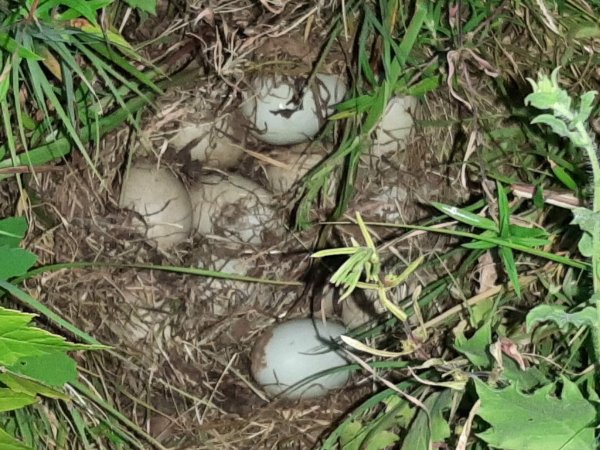
Ducks ALWAYS dirty their eggs. It’s in their nature, it’s what they do, and it serves a purpose. Though I don’t know what that is. And I’m not the only duck farmer who has observed this behavior. (Of course, there could be a genius duck guru who knows why ducks do what they do. Or God. But no one has informed me as of yet.) Anyway, we have this Pekin, Bakugo, who lays her eggs, dirties her eggs, and all of the other eggs in the nest.

several blue dirty duck eggs in a nest
This clutch of eggs actually belongs to our Mallard, Aizawa.

Other possible reasons for dirty eggs: sick birds, roosts too close to the nesting boxes, or nesting boxes without roofs. Also, the hens could be scratching out the hay, straw, or pine shavings from their nesting boxes. I like this suggestion from the-chicken-chick. She recommends extra padding in the nesting boxes with empty feed bags, or something similar. That way if the nesting material gets scratched out, the eggs will still be on a padded surface.

So then, if you get really dirty eggs, what’s the best way to clean them?

How to Clean Eggs or Get Clean Eggs

close up shot of a person washing an egg on running water
Photo by cottonbro on Pexels.com

Well, don’t get out the soap and water just yet, because you still want to try leaving the bloom intact. First, determine how often you’re gathering dirty eggs. If it’s once in a while like us, then proceed to the following steps.

But if you’re getting dirty eggs on a regular basis, you may need to change their diet, or inspect your flock for illness. Especially if the coop is in tip-top shape, with nesting boxes secure from roosting birds. And once you’ve sorted them out, do the following:

  • Collect eggs more often

If you’re collecting eggs multiple times a day, the chances that you’ll get nasty eggs that need to be cleaned decreases.

  • Add sand to floors of the run and coop

This is another recommendation from the-chicken-chick to avoid collecting dirty eggs. As a litter material, washed construction sand has many benefits dating back decades. But the main point here is the birds walk across it and, it sort of is like a scrubbing doormat, wiping off soiled feet before any hens get in the nests to lay eggs.

  • Dry washing

I typically use this method most often. And you can use your fingers, if it’s just dirt. Or a paper towel if it’s feces. Usually it comes off very easily, so long as you collect eggs frequently.

  • Sandpaper

If, however, you forgot to collect the eggs, you might find that the dirt or other has hardened onto the eggshell. So try sandpaper. But avoid coarse sandpaper, because it can easily strip the cuticle. McMurray Hatchery recommends .320 grit.

  • Water

When you’re ready to use the eggs, it’s recommended to wash them, making sure the dirt and feces are completely removed. And one of the best ways is with actual warm water, but never soak the eggs. And don’t use cold water, because that could actually cause bacteria to go below the surface of the eggshell, while warm water does the reverse; it draws it out of the shell.

These are the best ways to clean eggs while trying to leave their natural defense untouched. That’s because it’s without chemicals that can be leeched into the eggs themselves.

Thanks for stopping by! And if you enjoyed this post, please like, comment, share, and please don’t forget to follow!

Categories
ducks Hens other fowl raising happy, healthy chickens

Difference Between Chicken Eggs and Duck Eggs

Eggs are one of the healthiest foods on the planet. They’re fairly easy to obtain and inexpensive. And there are other eggs besides the common chicken egg. Quail, turkey, duck, and goose eggs can also be eaten. Cooking with duck eggs has been around for a while, especially in Asian markets. Perhaps you’ve seen them at specialty markets or on a restaurant menu. The following is the difference between chicken eggs and duck eggs.

Most Apparent Difference Between Chicken Eggs and Duck Eggs: Appearance

  • Size of the egg
4 different colored and sized eggs
The 2 eggs on the left side are duck eggs, while the 2 on the right are chicken eggs. Pekin ducks lay large creamy white eggs, and Mallards lay smaller greenish blue eggs. At least ours do.

The size of duck eggs can be 50-100% larger than the average chicken egg. However it also depends on the duck. Some ducks, like our Mallard, are smaller than your typical chicken. And so their eggs will tend to be smaller than the average chicken egg.

  • Color of the eggshell

Just like with chickens, the color of a duck eggshell depends on the breed, diet, environment, and genes. And eggshells can be pale gray, creamy white, green, black, or blue.

  • Size and color of egg yolk
3 egg yolks in 3 separate bowls
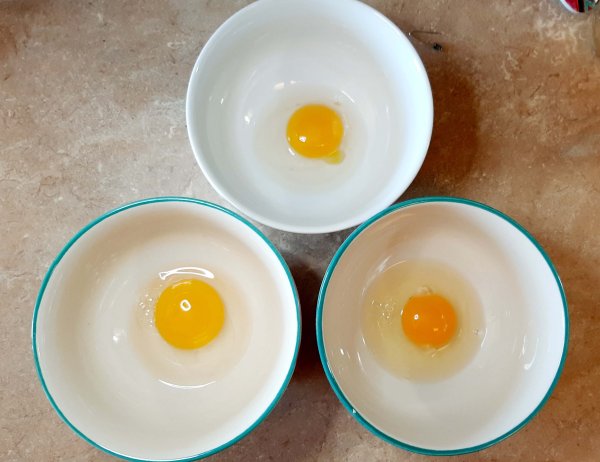
The dark orange on the bottom right is from a chicken. The egg in top center is from the Mallard, and the bottom left is from a Pekin. Notice how the chicken egg has more white than the duck eggs.

Duck egg yolks are also different in size and color. Chicken egg yolks can be yellow, yellow orange if the chicken is pasture-raised, while duck egg yolk can be a deeper shade of golden orange. In addition, the yolk tends to be bigger than chicken egg yolk.

Second Difference Between Chicken Eggs and Duck Eggs: Taste

  • Creamy taste

For the most part, chicken and duck eggs taste similar, but duck eggs are creamier.

  • Intense flavor

In addition to the creamy taste, people who eat duck eggs think their flavor is richer than chicken eggs.

Third Difference Between Chicken and Duck Eggs: Nutrition

  • More nutrients
letters spelling out nutrition on flowery background
Photo by Bluehouseskis on Pexels.com

Duck eggs have more fat, protein, and cholesterol than chicken eggs. Furthermore, they also contain more vitamins, particularly vitamin B12, which is important for red blood cell formation, DNA, and cell metabolism.

And according to Livestrong and Mayo Clinic, the cholesterol in eggs isn’t the same as bad cholesterol in our bodies. However, people with diabetes could be at risk for heart disease. (Though experts don’t know yet the connection between diabetes, eggs, and heart disease.)

Fourth Difference Between Chicken Eggs and Duck Eggs: Extra info

  • Availability
food display in the market
Photo by Meruyert Gonullu on Pexels.com

Chicken eggs are generally easier to obtain: at the grocery store, farmer’s markets, or from your neighbor, whereas duck eggs aren’t mainstream. Although they are gaining popularity with backyard bird enthusiasts.

  • Cost

Due to the fact that duck eggs can be difficult to find, that tends to drive up the price. However, chicken eggs, where I live, are about $2-3 a dozen at the store.

  • Allergies

Some people can be allergic to chicken eggs, but not to duck eggs. Or vice versa. And that’s because the proteins in both are similar but not exact. Therefore, if you have a known allergy to chicken eggs, it’s recommended to talk to your healthcare professional before trying duck eggs.

So, the next time you’re out grocery shopping, and assuming you don’t have an egg allergy, why not give duck eggs a try?

Thanks for stopping by! If you enjoyed this post, please like, share the post, comment, and don’t forget to follow!

Categories
All animals non-fowl Protecting Your Backyard Birds raising happy, healthy chickens

Best Dog Breeds for Chickens

If you have a backyard flock and have had trouble with the occasional predator, you might want to know the best dog breeds for chickens. There are some that will guard your flock, keeping away danger. And then there are breeds that don’t necessarily do much guarding, per se; they just get along with and won’t actively attack your birds. However, if the dog lives outside, it could be enough of a deterrent to predators.

Some of you know we got an Australian Shepherd puppy several months ago. And if you follow this blog, you’re also aware I have chickens and ducks. Additionally, if you know anything about Aussies, you’ll know they have a strong prey drive. Which doesn’t make them exactly ideal for chicken people.

Prey drive is what affects whether dogs will or won’t attack other animals, including chickens. So dogs with a strong or high prey drive have a hereditary desire to chase, hunt, and sometimes even kill other animals. However, dogs can be trained. Just because you get a dog that’s ‘good’ with chickens doesn’t mean it won’t need to be trained as well.

Best Dog Breeds for Chickens:

White Great Pyrenees dog on grass outside
Photo by Hannah Grapp on Pexels.com

The Great Pyrenees is a great dog, does well with families, but needs a firm hand in training. Also, it prefers cool climates, not making it suitable for the Southern U.S.

This next dog is also a good option, as it is calm and chill with other animals while also fearless when facing threats. However, the Pyrenean Mastiff requires firm training due to its stubbornness at times. And it prefers the great outdoors and doesn’t tolerate heat and humidity.

Kangal Shepherd dog outside in the snow
Photo by Jozef Fehér on Pexels.com

This next option I have for you is the Kangal Shepherd dog, which also needs broad spaces and a firm hand. It’s a loyal dog who will protect both the family and flock, but without clear boundaries, it can stray and attack others, including people and pets. Also, this was the only dog so far that I found that can tolerate the heat we get.

Finally, the Anatolian Shepherd is more business than cuddly fun, but it’s a fiercely loyal dog. Although training and early socialization are a definite must for this pooch. Again, this dog requires space and plenty of it outdoors. And did I mention training?

This list isn’t exhaustive; there are 4 other dog breeds usually included: the Komondor, Akbash, and Kuvasz. And all of the dog breeds are part of Livestock Guardian Dogs.

Some Caveats about Getting a Dog for the Chickens:

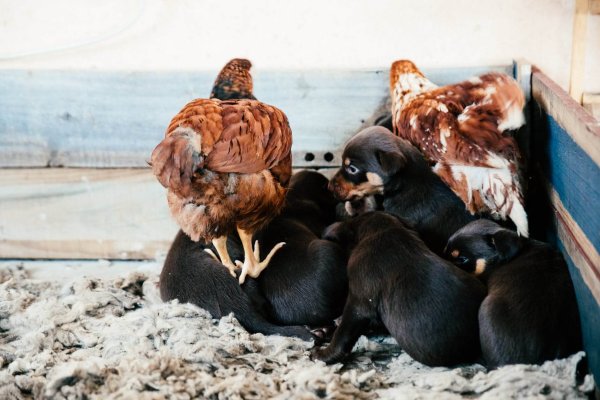
adorable puppies with hens on soft wool in farmyard
Photo by Rachel Claire on Pexels.com
  • Don’t just get a dog and expect it to know what it’s supposed to do.
  • Having a dog takes training, especially one destined to guard the chickens. Ideally, get a puppy and train it to be around your flock, and the flock to be around the puppy, so they are familiar with each other.
  • Bring your dog around as you feed, water, and take care of your backyard birds, because this will teach your dog that the birds are to be protected.
  • Additionally, introduce your flock and dog slowly, preferably with treats once everyone is calm, since most animals love a good treat. So that in time, as you continue to bring your dog around your backyard birds, and proceed to hand out treats for good behavior, they will associate good things with each other.

When we first got our birds, we had a Shetland Sheepdog who would try to herd the birds when they strayed from their yard. Thus, he listened to us to keep them safe. We had Moses for many years by this point, he was highly intelligent, and obedient.

However, when we first got Sophie, our Aussie, she killed one of our ducks; it looked like she was ‘playing’ with it in her energetic enthusiasm. Though, with diligence, we’ve trained her that the birds are not for touching, molesting, eating, playing, etc. Although it didn’t really take her long to pick up on what we wanted. And now she completely ignores them.

Except now I’m on phase two of bringing her into their yard so she can know they’re part of the family and to protect them.

Other Dog Breeds as Options

head shot of sable and white Shetland Sheepdog

Even though the Livestock Guardian Dogs are the best when it comes to guarding your chickens, with hard work and diligence, you can train other dog breeds to guard them too. Or at least to be a predator deterrent, like our dog Moses was. And how we’re working on Sophie currently.

Since most of the ‘chicken dogs’ have thicker coats and require cooler temperatures, that makes them unsuitable for the Southern half of the United States.

Although, herding dogs or shepherd dogs, if trained consistently, could at least deter predators, if not actively guard your chickens. Some breed examples include:

border collie in the countryside
Photo by Los Muertos Crew on Pexels.com
  • Shetland Sheepdog
  • Border Collie
  • Australian Shepherd
  • and Collie

Keeping chickens attracts predators, especially living on acreage. And you want to protect your birds, your investment, and the eggs they produce. I hope I gave you some ideas on what dog breeds work the best with backyard birds. But the most important thing to know and remember is to train your dog to think of your chickens as part of the pack.

Thanks for stopping by! If you enjoyed this, please like, comment, share it, and please don’t forget to follow!

Categories
raising happy, healthy chickens Roosters

Best Way to Cull a Rooster

One of my recent posts was on when to cull roosters. But now you might be wondering about the best way to cull a rooster. I’ve read of many ways, from wringing their heads off to shooting them. However, if your birds are your pets, you want something more humane. Or perhaps you just don’t like to see an animal suffer. I’ll cover both the best way to cull and process roosters.

Although this is the best method to cull a rooster, you will likely still feel remorse. Especially if this is your first time. My husband still feels bad every time a roo needs to go. But it can’t be helped, because the hens come first. However we’ve tried many ways to cull our chickens. And none of them were as humane as this one.

Supplies Needed to Cull and Process a Rooster

sharp fillet knife

Boning knives or fillet knives are great for killing and processing chickens due to their size and sturdiness.

  • Re-purposed milk jug or a metal cone

If you only cull birds once in a blue moon, then you can just use that milk jug you were about to toss out. But, if instead, you regularly process birds, then you might want something more permanent.

  • Paper towels
set of paper towels on wooden background
Photo by Vlada Karpovich on Pexels.com

You’ll need plenty of paper towels to clean up as you go. And to clean up afterwards.

  • Bleach spray

You have to disinfect your work area when you’re finished. So you can use Clorox Clean-up Disinfecting or make your own.

  • Work bench or table

Having a work bench or table to process the bird, after it’s properly culled, is a must.

  • Bucket to collect blood

Rather than letting the blood drain onto the ground, and possibly attract predators, the bucket will collect the blood. And you’ll dispose of it later.

  • 2 Stainless steel bowls to collect the meat

One bowl is for collecting the meat as you process the chicken, while the second bowl is for after you’ve cleaned/washed the meat.

  • Rope or straps to hang bird from tree branch

The rope or straps go around the bird’s legs to suspend him.

  • and a Rooster

You can’t actually process a rooster without the, ahem, rooster.

Instructions for Culling a Rooster

girl outside holding a white chicken
  • First, you choose your rooster.

After you have him, do your deed in a private spot where the other birds can’t see. However, they will likely still know when Joe or Frank don’t return.

  • Next, put your bird upside down, in the metal cone or milk jug.
  • Then tie the rope or straps around his feet and hang him from the tree.

The blood will rush to his head and make him calmer. Perhaps even a little tired.

  • And push back his neck feathers, finding the carotid artery by his pulse. Further, using a fillet or boning knife, gently slice a large enough slit to let the blood drain out.

Or you can cut his head off with pruning shears or an axe. Though, if you’re culling several birds, you will need either several sharp knives for the job, because they’ll soon go dull before you finish.

  • Keep the bird in the cone, because the blood will take 2-5 minutes to drain out. Also, it takes time for the nervous system to calm down, ~ 2-10 minutes.

Best Way to Process a Rooster

Now it’s time to process the meat. If you are so inclined to keep the skin on your chicken, you can visit this site for instructions. But we’ve never processed our birds that way. We’ve never taken the time to de-feather them just to keep the skin. It sounded like way too much work for only a couple of birds.

Rather we de-skinned them, and it was the easiest thing ever. Of course I say that like I had any part in it, other than cheering from the sidelines. Maybe, after all the butchering, Paul was just ready to be done with the whole thing. And so he decided to skin them. But maybe not. Perhaps it was his intention the whole time to skin them. I really don’t know, I never asked.

I did have some friends, who have backyard birds, and they culled some. They tried the boiling method, in order to de-feather them, so they could have skin on their chicken. And they promptly told me that they were never doing that again.

Instructions for Processing Roosters

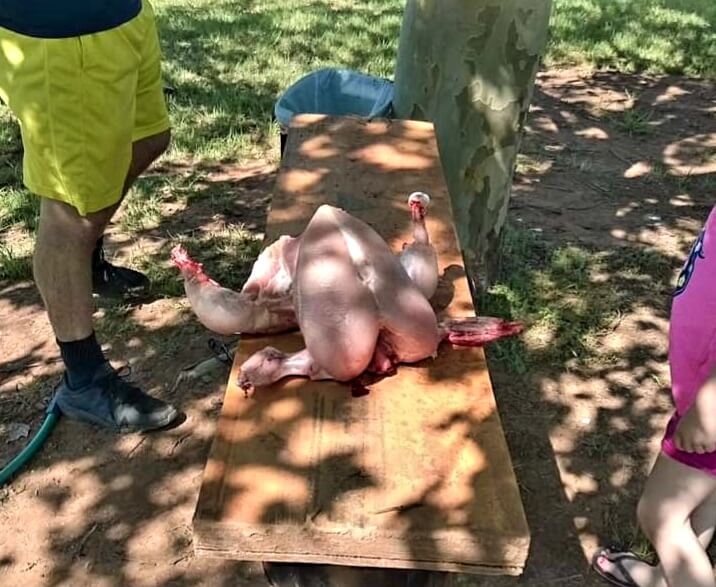
culling and processing a chicken
  • Leave the bird hanging from the tree

This is in order to process the bird. You don’t want to cut into the intestines or anus, contaminate your knife, and then the rest of the bird. Think of this as surgery.

  • Skin the legs and body

Using a sharp knife, start skinning from the legs. The skin will start to separate from the meat, but you will need to be careful around the rump, lower back, and where the wings attach to the abdomen.

  • Separate the parts

Sever the elbow joints, because there isn’t enough meat there anyway. Then cut through the neck. All that’s left is the meat and legs. Dispose of the neck, tail and oil gland, wing tips, and skin with feathers.

Remove the carcass from the tree and cut off the legs. Next, cut open the bottom cavity to pull out the intestines. Then wash the carcass in a bowl of fresh cold water.

If you like chicken giblets, keep the liver, heart, and gizzard.

  • Clean the bird

This is best done with running water. And be sure to cut away lungs, trachea, testes, and unwanted fat. Also, remove any remaining feathers around the legs and wings.

  • And cut up the bird

Depending on the bird, you might not get much meat except breasts. In which case, you just put the breast down on the cutting board and cut on both sides of the cartilage. Then you slide your fingers along the breast bone until it peels out.

So now you know how to cull and process a rooster. You don’t have to worry about freezing a whole bird, because it’s perfectly cut up, and will fit nicely into your freezer. And you don’t have to worry about all the feathers, or about how inhumane killing chickens can be. Although, you still might feel bad.

Categories
raising happy, healthy chickens Roosters

When to Cull Roosters

We are officially in fall, when typical chicken owners cull their flocks. But at our chicken haven we don’t slaughter our hens, because they are the egg producers. If you have chickens, like we do, maybe you incubate eggs occasionally. Or a hen will go broody and hatch a clutch of eggs, in which case you end up with some surplus roosters. On the other hand, you could be new to backyard chicken keeping and just want to know when to cull roosters.

girl outside holding white chicken

What does ‘culling‘ mean anyway? Well, for the purpose of this post, it means to slaughter or process an animal. However if you don’t want to do that, because it can be difficult emotionally, then you can try to find an animal sanctuary. But if you have a lot of roosters compared to your hens, then you absolutely are going to have to do something. Because, unless you keep them separated, the roosters will end up abusing the hens.

When to Cull Roosters

red leaf trees near the road
Photo by Pixabay on Pexels.com

So when is the best time to cull a rooster? Well, I already mentioned that most chicken caretakers prefer doing this task in the fall. And that’s because they don’t want to spend the money on feed, taking care of them. They know the birds are destined for cooking. With that being said, if you have a troublesome bird, you don’t have to wait until fall to cull it. And that includes bullies and/or sickly birds.

But what is the best age to process a rooster? If you plan on putting your bird in a meal, then the older the bird gets, the gamier and tougher it gets. But if you slaughter too soon, there will hardly be any meat on them. So what do you do? Many sites suggest waiting till they start crowing. However I don’t think that’s the best method. We’ve had roos who started crowing after they were only a month old. And we’ve had roos that only crowed when the last rooster died, and they were about a year old!

4 roosters and 1 hen roosting in a coop

The tried and true method of knowing when to cull roosters is by their age, not necessarily by crowing. We’ve generally culled our excess roosters when they were around 4 months old. But you can wait even until they’re 6 months old before processing them. The same is true for egg laying hens too. Hens will live anywhere from 6-8 years, but they don’t lay eggs that long. And so, some chicken people cull their hens when they stop laying.

All of our birds are dual purpose, which means they can be used for meat and eggs. Although roosters have no purpose except meat production, unless you fancy him to be the boss of the flock. If after a couple of years, your rooster hasn’t mended his ways and you need to process him, you won’t be able to use his meat. And that’s because it will be too tough. He’s an old bird. You could try though; just don’t get your hopes up.

Thanks for stopping by, and as always, don’t hesitate to leave a comment or ask a question!

Categories
Hens Protecting Your Backyard Birds raising happy, healthy chickens

Common Egg Shell Quality Problems

If you have chickens, it’s very likely that you’ve seen eggs with some egg shell quality problems. And that mostly affects big farms that sell to grocery chains, since people like uniformity. However, for backyard chicken owners, it’s not that big of a deal to have a weird egg, unless it’s caused by disease. So I’ll go over the most common egg shell quality problems, the causes, and how to rectify the issues.

This is the part where most people would go over egg development. But I am not going to do that, because, I figure, if you really wanted to know how an egg becomes this yummy, beautiful food we eat for breakfast (or other times of the day), then you can click here.

Common Factors Affecting Egg Shell Quality

There are at least 7 factors that influence the quality of egg shells and even eggs, including:

  • The hen’s age
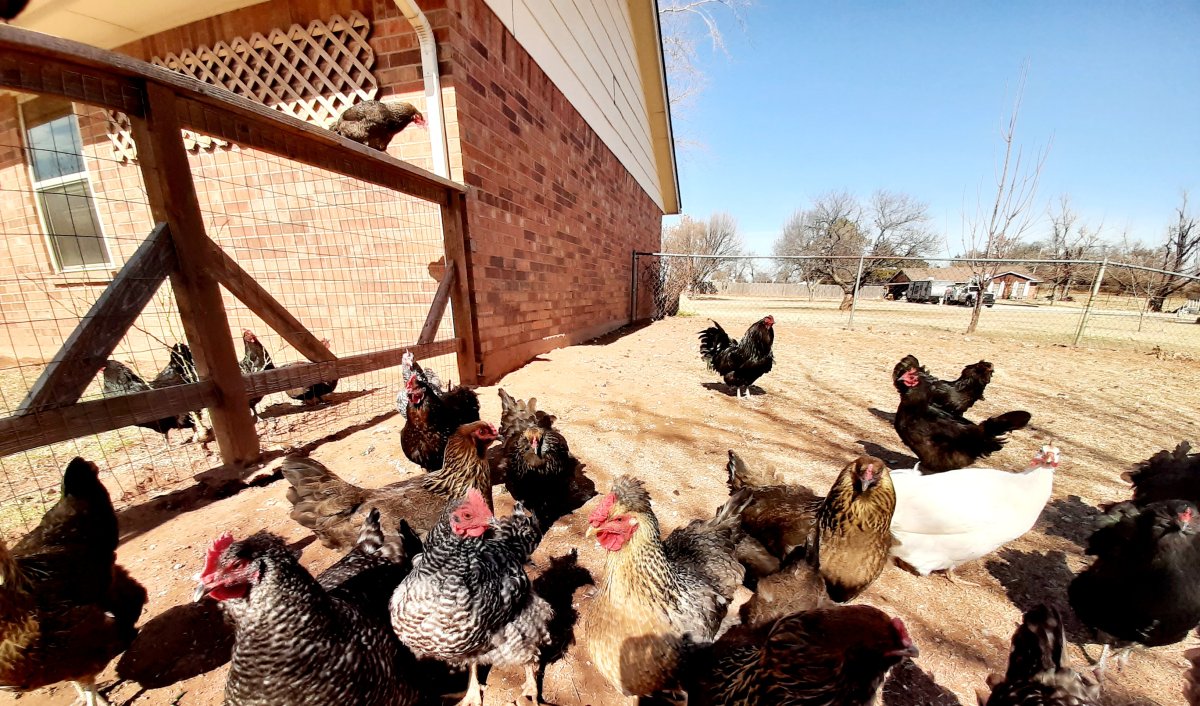
Mixed Backyard Flock at Backdoor of House

The quality of egg shells deteriorates with age as does the laying habits of the bird. She’ll start to lay eggs less frequently. And sometimes the older certain hens get, the bigger their eggs will get.

  • The hen’s breed
group of hen inside cage
Photo by Artem Beliaikin on Pexels.com

Commercial, hybrid-hens have been bred many decades to come up with the perfect egg shape. This isn’t the case with our typical backyard birds, so sometimes they might come out looking funky.

  • Nutrition of the laying hen
Layer feed for chickens

Getting the perfect egg requires a high grade diet.

  • Quality of the birds’ water

Saline water severely and adversely affects the quality of eggs and egg shells.

  • Management of and lighting schedule

If your chickens are used for egg production, then whether you use artificial light, and if you use it correctly, are of utmost importance with egg shell quality.

  • Health problems and disease
person in green crew neck t shirt holding white chicken
Photo by cottonbro on Pexels.com

Heat stress, vitamin deficiencies, and respiratory illnesses will all cause egg shell quality problems.

  • And stress

I mentioned in another post how stress, like over crowding, bullying, and predators can affect the laying habits of birds. I knew that it would cause chickens to stop laying, but I didn’t know that it would cause egg shell quality issues.

Common Egg Shell Quality Problems

  • Dirty egg shells
dirty brown egg with chicken feces on it

Raising chickens and/or ducks, you will on occasion get some dirty eggs, especially if a heavy girl accidentally breaks an egg. Then you get hay/straw all over it, which makes it a sticky, nasty mess on the rest of the eggs.

But if you are regularly getting dirty, soiled eggs, then it could mean there’s too much salt, electrolyte issues, and/or indigestible food causing wet droppings. (Or you could have a duck that constantly leaves a dirty mess, because that’s what they do.) Moving on.

If you’re regularly collecting dirty eggs, then collect them more often. And avoid foods that cause wet droppings. Also make sure your birds aren’t getting soft water (from a water softener), because it could be giving them too much salt.

  • Wrinkled egg shells
wrinkled, brown egg

Eggs that have wrinkles or thin creases on them are typically referred to as wrinkled eggs. Some other sites also refer to them as corrugated egg shells. And this can be caused by stress, including heat stress, a defective shell gland, poor diet, and infectious bronchitis.

So while perfectly safe to eat, if it’s a one time thing, it’s nothing to worry about. Your hen probably got spooked by a dog barking, or she got too hot. If it continues, check your coop out and make adjustments as needed, if there’s not enough ventilation or there’s over-crowding. However if any of your birds look ill, call a veterinarian.

  • Shell-less eggs

This is another issue that first time egg layers can face. But it can also be seen by other members of your flock. And other culprits can be stress, some vitamin and mineral deficiencies, too much salt, and illness.

The first thing you want to do is make sure your backyard birds are getting enough calcium by offering them free choice oyster shell. However if the problem persists, check for possible stress in your flock, and the salinity of their water. And don’t forget to look them over for respiratory problems. Though you may need to call the vet if all else seems good.

  • Soft-shelled eggs

Stress, dietary imbalances, and lack of calcium causes soft shelled eggs. Most of the time the stress is in the form of hen-pecking, but it could be a neighbor’s dog running into the hen house while the hen is laying. The birds can be fine, because you rescued them. However it’s still stressful. And it will show up in their eggs and shells.

So, as with the one above, make sure you’re giving your birds free choice oyster shell. And feed them high quality chicken feed, reserving treats as a treat only. Don’t make treats or table scraps their source of food.

  • Thin shelled eggs

As hens age, their shells get thinner. So it’s important to continue offering oyster shell. But another cause of thin shells is if you’re giving your hens a lot of treats, therefore make sure you’re giving them a more properly balanced prepared feed than you do treats. If you’re getting thin shelled eggs, lay off on the treats for a while until the eggs normalize.

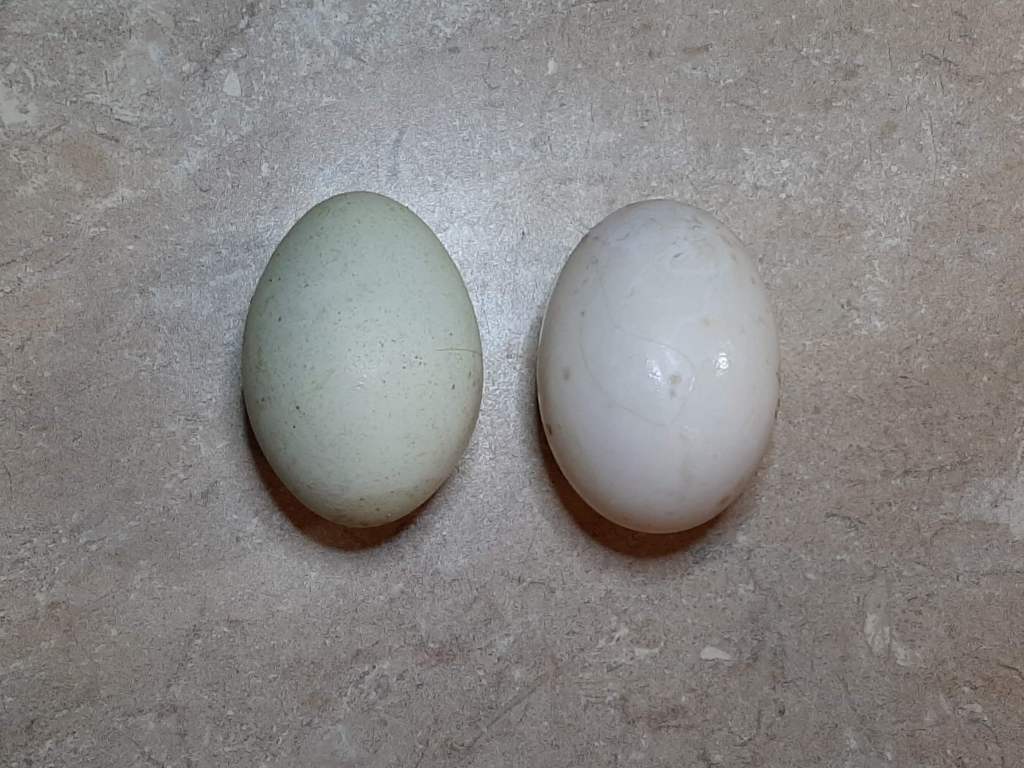
  • Misshapen eggs
one blue egg, one white egg
The egg on the left is from a chicken, while the one on the right is from our oldest Pekin duck. And Pekins lay very large eggs, so the chicken egg would be considered odd for its size. An older hen probably laid it.

These types of eggs are either too big, too small, too round, or too something else. Just fill it in with whatever you want. And usually this really only matters, for the most part, for large operations that sell to the public. Because, once again, people want uniformity, and if something looks off, they think something might be wrong.

The most common reason for misshapen eggs is that a pullet is just starting to lay eggs. We’ve had a couple of hens that have laid long eggs, and only for a short while. And they were all new pullets. But nothing was wrong with the eggs, except they didn’t look like everybody else’s. If I sold to the public, I’d have to throw them out.

However that’s not the only reason for misshapen eggs. Defective shell glands, stress in the henhouse, and a number of diseases. So if your birds have all been laying eggs for some time, and you run a poultry palace, then call a veterinarian to check for illnesses.

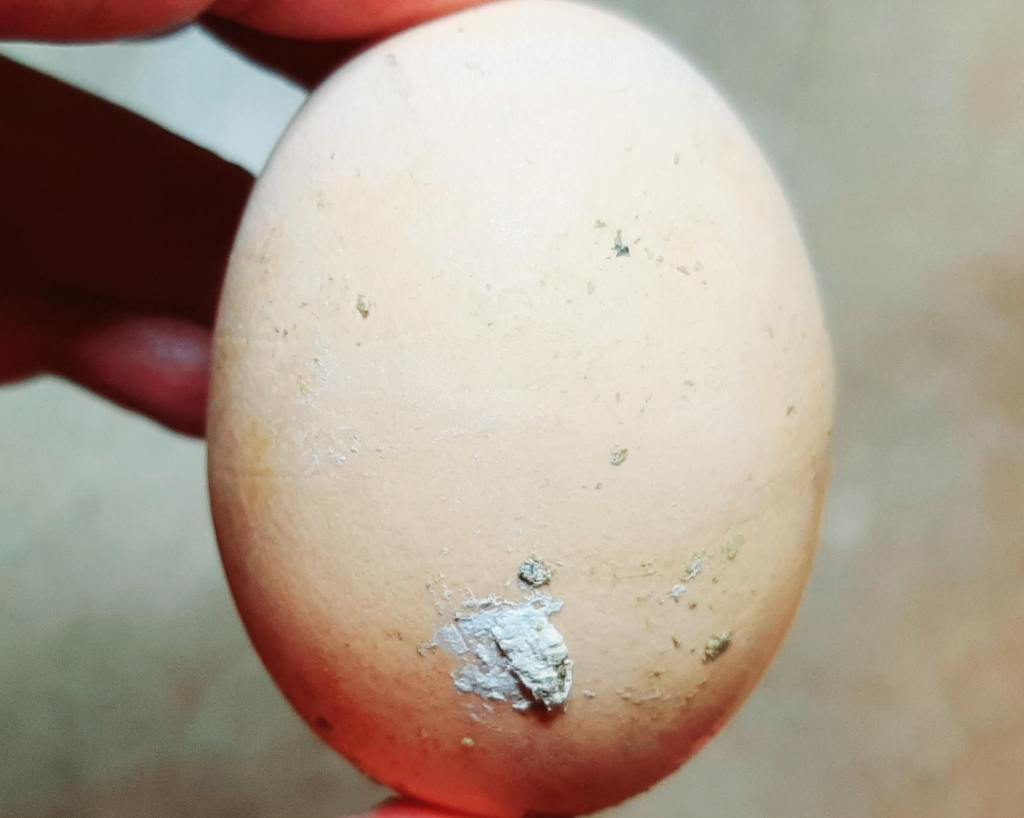
  • Calcium deposits or pimples
darker bumps, calcium deposits on a brown egg

An egg that’s rough with tiny bumps on it has calcium deposits. And the most common reason for it is excess calcium in the diet. Another possible cause is too much vitamin D3 and/or overactive shell gland.

If the calcium deposits are caused by nutritional imbalances, make sure you’re giving your birds high quality, properly prepared feed with free choice oyster shell.

  • Calcium deposits inside eggs

I wanted to include this, even though it’s not on the egg shell. But calcium deposits can show up even inside the egg. And you can mistake them for bugs, however they absolutely are not bugs. They’re tiny little beads though! And yes, they’re the same as calcium deposits that occur on egg shells, only these happen inside the egg shell.

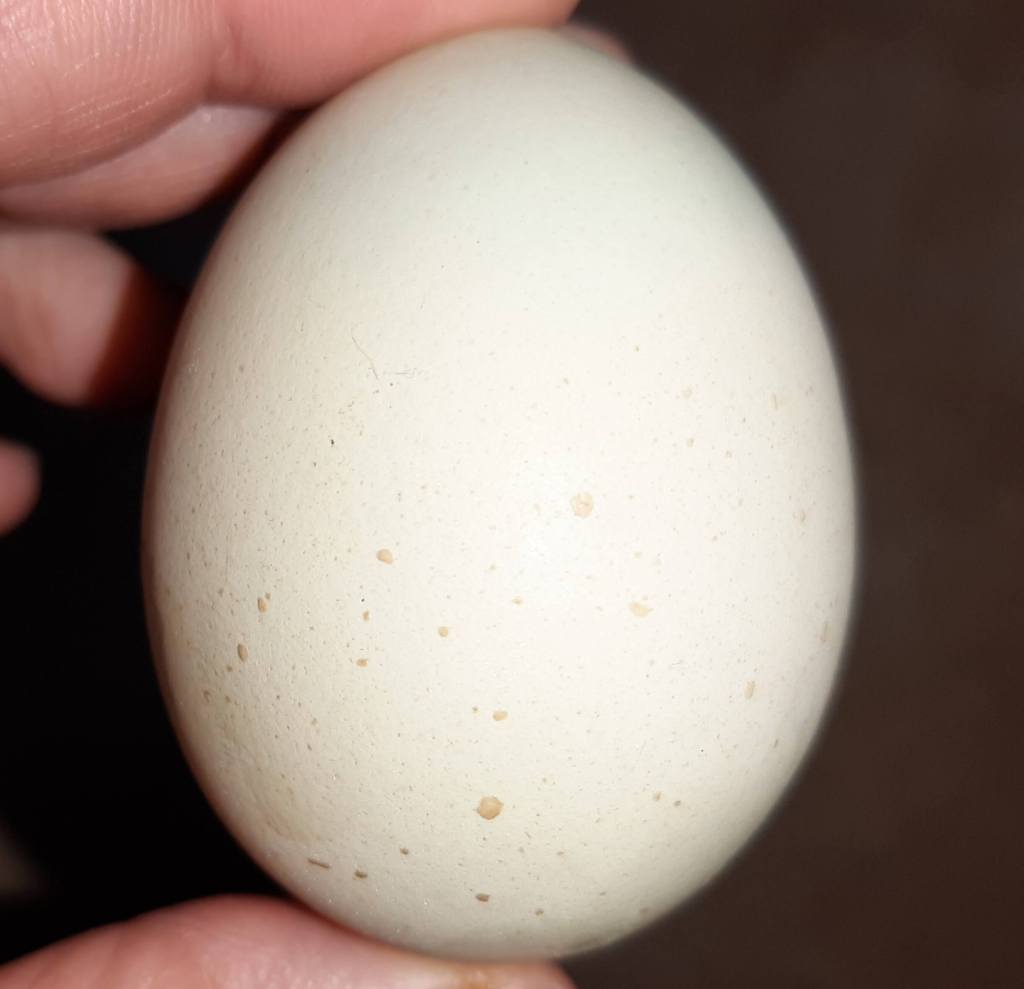
  • Speckled eggs
speckled egg

The spots on speckled eggs can be brown or white. And the most common reasons are too much calcium, disturbance during calcification, and/or a defective shell gland.

Although some hens might lay them once in a while, and they’re not necessarily an issue. Except if you were selling to grocery stores.

  • Fairy, fart, or rooster egg
large white egg and tiny dark brown egg
Again the white egg is from our duck while the egg on the right is from a new layer. This was just for size comparison.

This type of egg actually goes by quite a lot of names, but it isn’t any of those things in reality. In truth, the egg is tiny, laid by a first time egg-layer, thus the small size. And it’s nothing to worry about.

When to Call the Veterinarian for Egg Shell Quality Problems

Most of these common egg shell quality problems are due to stress or diet. If a hen is frightened or disturbed while she’s laying an egg, the passage through the oviduct can temporarily stop. This interruption causes a whole host of egg shell quality issues.

For larger operations, this is a bigger deal since odd shaped eggs won’t fit in the same carton. Plus it will be more likely to break in transport. But this isn’t a problem for backyard chicken owners. If your birds get a good diet of quality feed, fresh, clean water daily, oyster shell, and can safely free range, they might lay the accidental weird egg. However if you see consistent abnormalities with their eggs, then call a veterinarian to check for illnesses, especially if more than one bird’s eggs seem to be involved.

This list is certainly not exhaustive by any means. But I just listed the most common ones that I’ve personally seen in my flock or that I’m familiar with. If you’re interested in knowing about all the other issues with egg shell quality, then click here.

Thanks for stopping by! As always, please feel free to comment or ask a question!