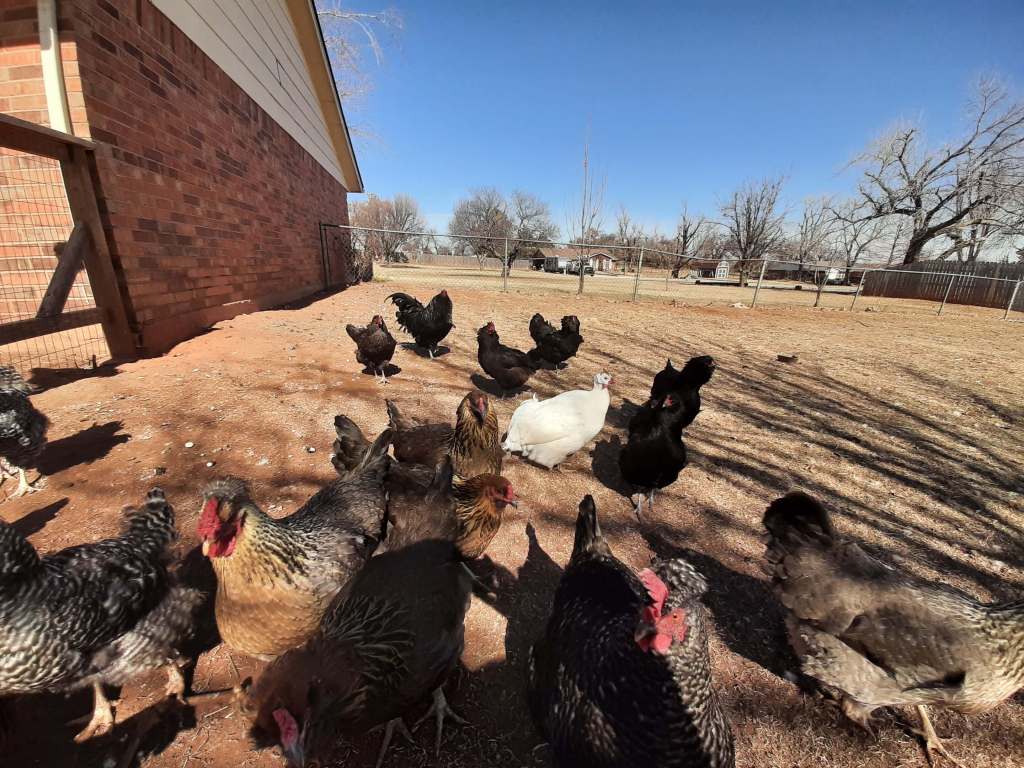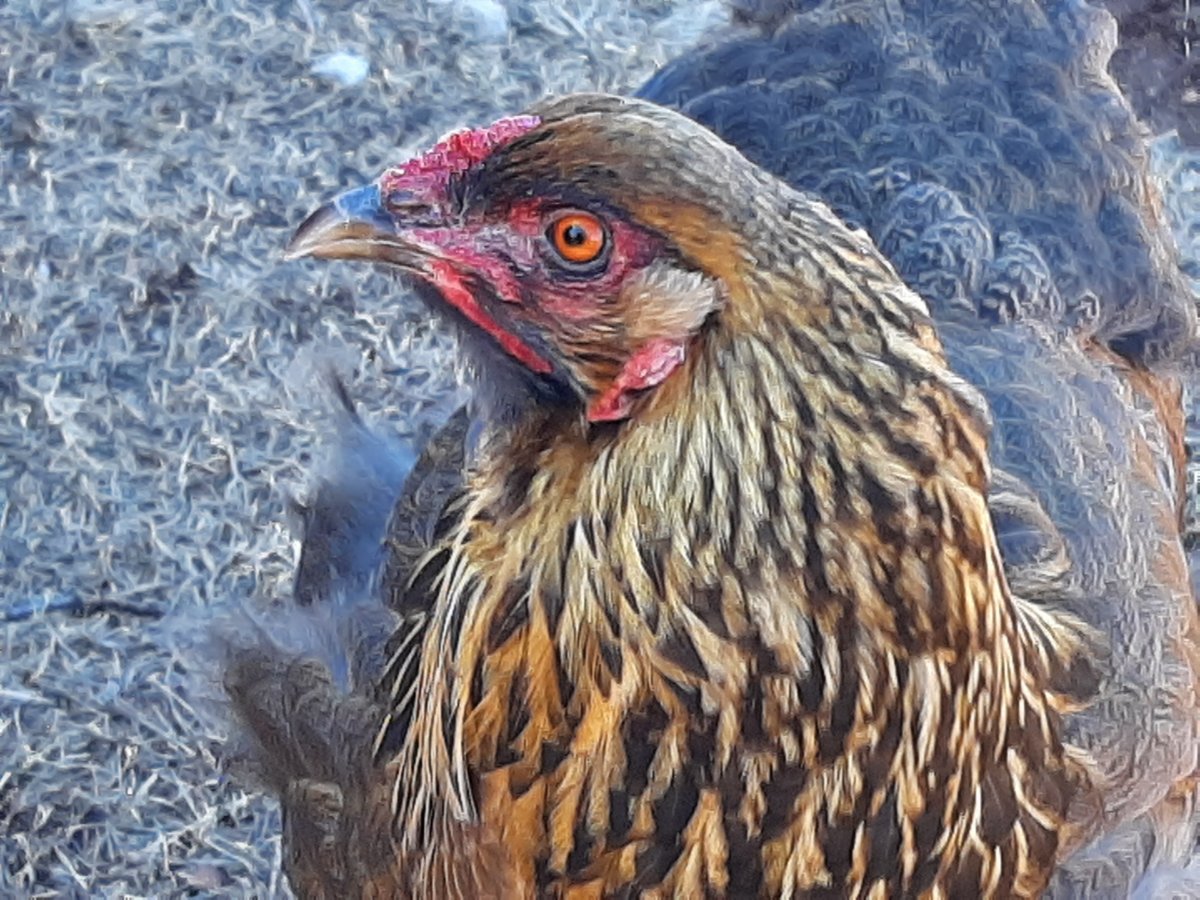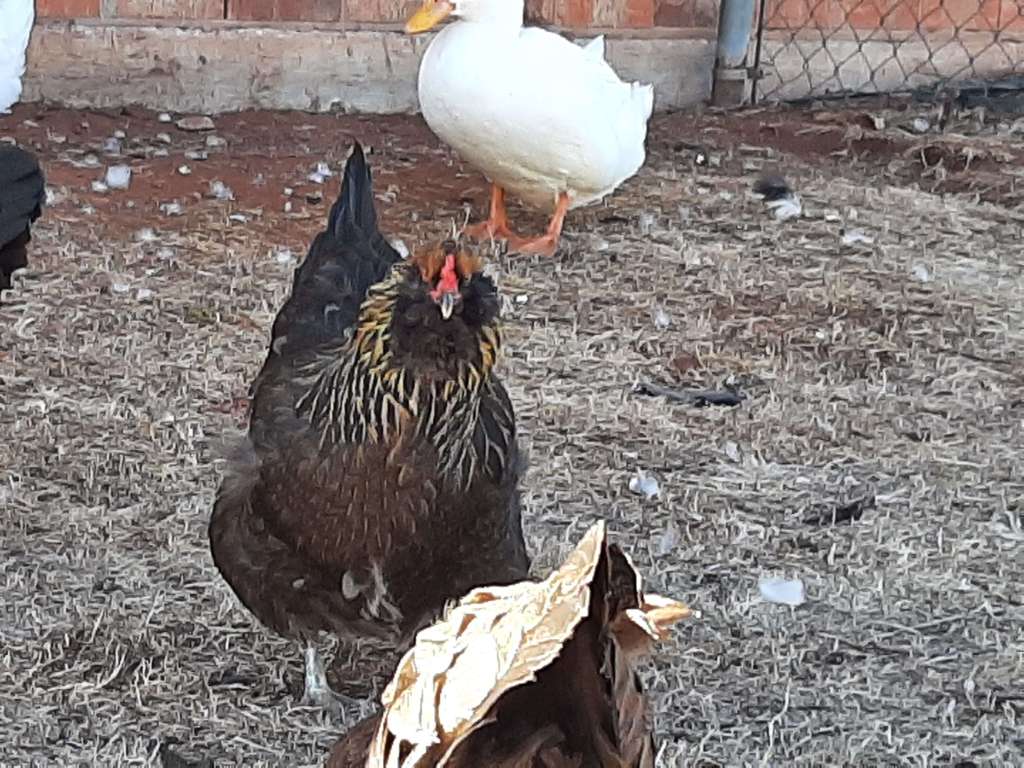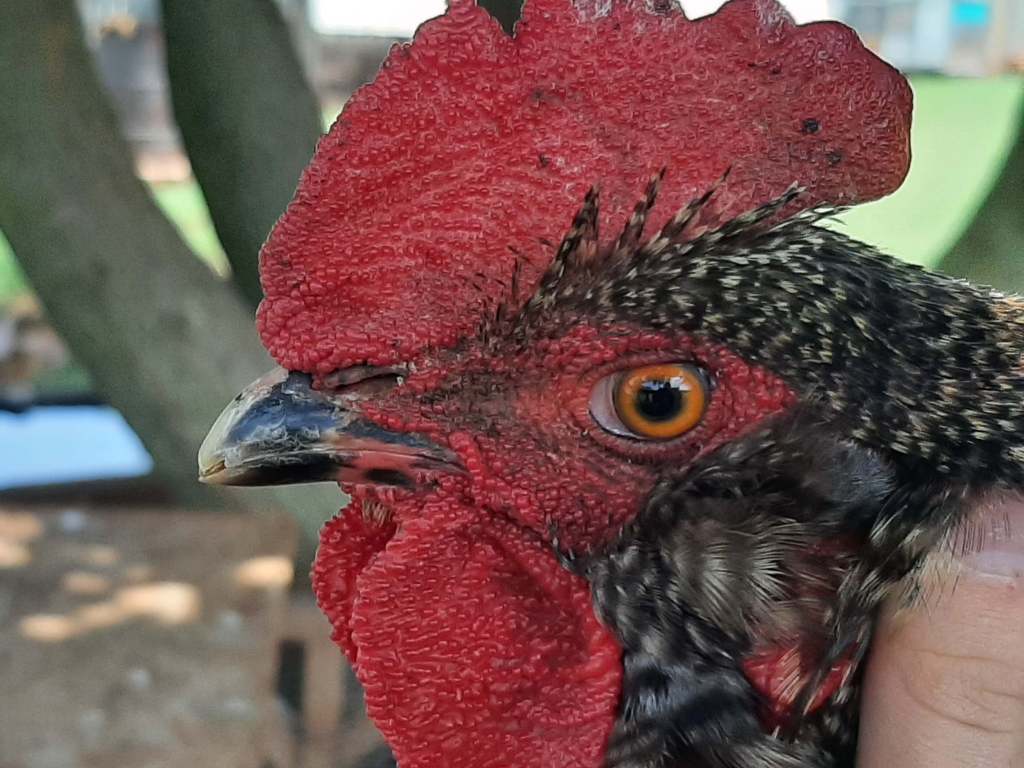
Categories
Chicks raising happy, healthy chickens

How to Incubate Chicken Eggs

It’s almost Spring:  The grass is getting greener, the weather is turning warmer.  And it’s time for growing things and new life, such as new chicks.  Generally speaking, you can incubate chicks any time.  But most chickens, including Jungle Fowl, breed and then rear their young in spring or summer.  So I’m going to go through, step-by-step, on how to incubate chicken eggs.

If you’re wanting to incubate chicken eggs, the first thing you need is an incubator.  Before even getting the eggs, you have to have somewhere to deposit them.  And there are different options for various budgets and sizes of flocks.  However, try to get one from a reputable dealer.

Incubators:  How to Incubate Chicken Eggs
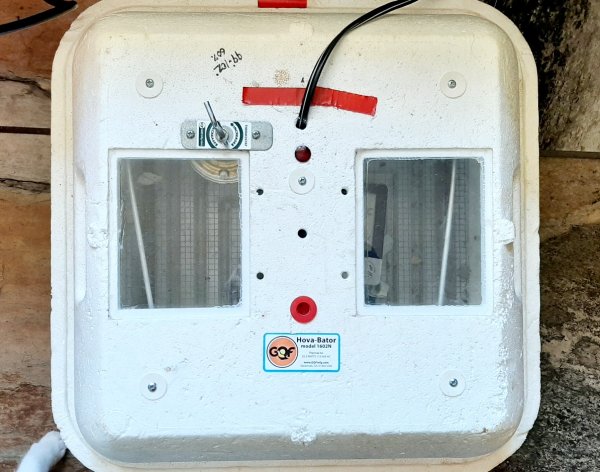
old Hovabator incubator for chickens

Incubating chicken eggs takes 21 days.  The less expensive incubators are made out of Styrofoam.  But some of them aren’t as stable at holding temperature as other kinds, especially if you keep it in a cooler room or one that’s drafty.  The first one we got 7 years ago was an inexpensive Hovabator.  It worked fine until this season.  So we bought a new, forced air incubator with an automatic turner and thermostat.

In addition, there are cabinet style incubators in case you want to hatch hundreds of chicks.  Or you can make your own if you enjoy working with your hands.

How Incubators Work

incubator displaying temperature and humidity with chicken eggs

Both temperature and humidity are important for chick development.  If the temperature is a little bit low, the chicks will take longer to develop.  But if it’s too low, they won’t make it to hatch.  Likewise, if the temperature is a little bit high, the chicks will develop faster.  However, if the temperature is either too high or just a little high but not enough for the chicks to develop fully, the chicks will end up dying.  Also, if there is too much fluctuation in the temperature, or lack of stability, this can cause the chicks to stop developing, and they will not hatch.

Further, for the first 18 days of incubation, the humidity needs to be around 45-55%.  But the last 3 days it needs to be raised to 60-65%.  If humidity is too low, the chicks will be too weak to hatch.  But if humidity is too high, it can similarly affect the chicks.  The chicks may not be able to easily move around their eggs or get enough air.  And can likewise die.

Temperature:  How to Incubate Chicken Eggs

thermometer in glass of ice water

Now before you start hatching chicks, you need to make sure the temperature is correct by calibrating it.  This is before you add the eggs.  However you need a separate thermometer in order to do this.  It’s recommended to have an aquarium thermometer with a probe on it.  Although, since Covid, it might be difficult to find. 

But if you find one, then fill a glass with ice.  Next, add tap water until it’s full; and stir.  Wait about 30 secs and then put your thermometer in the glass to check the temperature.  And if it reads 32°, it’s correct.  But if it’s off, then you’ll have to make mathematical adjustments.  Hopefully it won’t be off by much.  Therefore, the temperature for a forced air incubator with a fan needs to be 99-100°.  And for a still air incubator, the temperature needs to be 100-101°.

Humidity:  How to Incubate Chicken Eggs
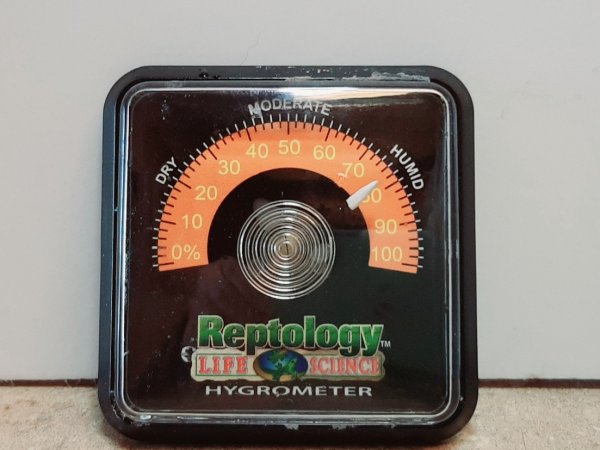
hygrometer

You also need to calibrate the hygrometer.  Again before adding any eggs.  You can get a hygrometer at any pet store.  Then put a teaspoon of salt in a bottle cap or a small cup.  Next, add a few drops of water to moisten it.  And enclose that inside a see-through, sealable container, like a ziplock bag, and let it sit for ~ 6 hours.  Then check the reading.  If it says 75% humidity, it’s correct; if not, you just calculate what the humidity is based on how much it’s off.

Adjusting Humidity

hole in Styrofoam incubator for adding water

Most incubators provide areas to add water.  However, keep in mind that if you have a manual thermometer and thermostat, when you add water for humidity, it will lower the temperature.  This happened with our first Hovabator.  So we would usually just add damp paper towels; the humidity and temperature would stay ideal that way.

Set Up Your Incubator:  How to Incubate Chicken Eggs

Now that we’ve covered some basics, it’s time to set up the incubator.  Then let it run ~ 24 hours before adding any eggs.  Whether it’s new or you’ve used it before, this time period will let you know if it’s running properly.  Don’t forget to add your calibrated thermometer and hygrometer to make sure the temperature is correct!

If you are using shipped eggs or refrigerated eggs, make sure they settle ~ 24 hours at room temperature before putting them in the incubator.  Adding cold eggs to a warm environment will crack them.  And the embryos will not develop. 

Also, if you have an incubator with an automatic turner, just be sure to put the eggs in the way the instructions advise.  This is intended to to keep the yolk and air sac intact, which will improve hatch-rate.  However, if you don’t have an automatic turner, you need to rotate the eggs at least three times daily; more, if you can.  Use a Sharpie pen to mark an ‘X’ on the eggs, or something similar, to help you know whether the eggs have been turned the proper number of times.

Candling the Eggs

person holding an egg with a light behind it, showing a fertilized egg; red blob with veins coming from it

After about a week you can candle your eggs and see whether they’re fertilized.  Other than when the eggs actually hatch, this is the most egg-citing part of incubating chicken eggs.  Although some eggshells are more difficult than others until later on.  Maran and ‘Cauna eggs can be very difficult to see anything after only a week.

To candle an egg, it’s best to use a small diameter, very bright flashlight.  Next, go to a dark room and place the egg over the light.  And if the egg is fertilized, you should see a red blob in the center with veins going out from it.  But if you have either a Maran, blue, or green egg, you likely won’t be able to tell at this stage. 

From this point on, you can candle the eggs weekly to check on development if you want.  As the embryo develops, you will notice it taking up more space in the egg.  And if you have one of those thicker or darker shells, you will definitely start seeing something.  By day 16, the embryo takes up a lot more of the egg, and is in hatching position.

However, candling can also show if development stops.  There can be different stages that development stops, or even more heartbreaking, they make it to hatch day, and fail to hatch.  I recommend giving it a few days, but before discarding them, do a float test.  Continue reading for instructions.

Lockdown

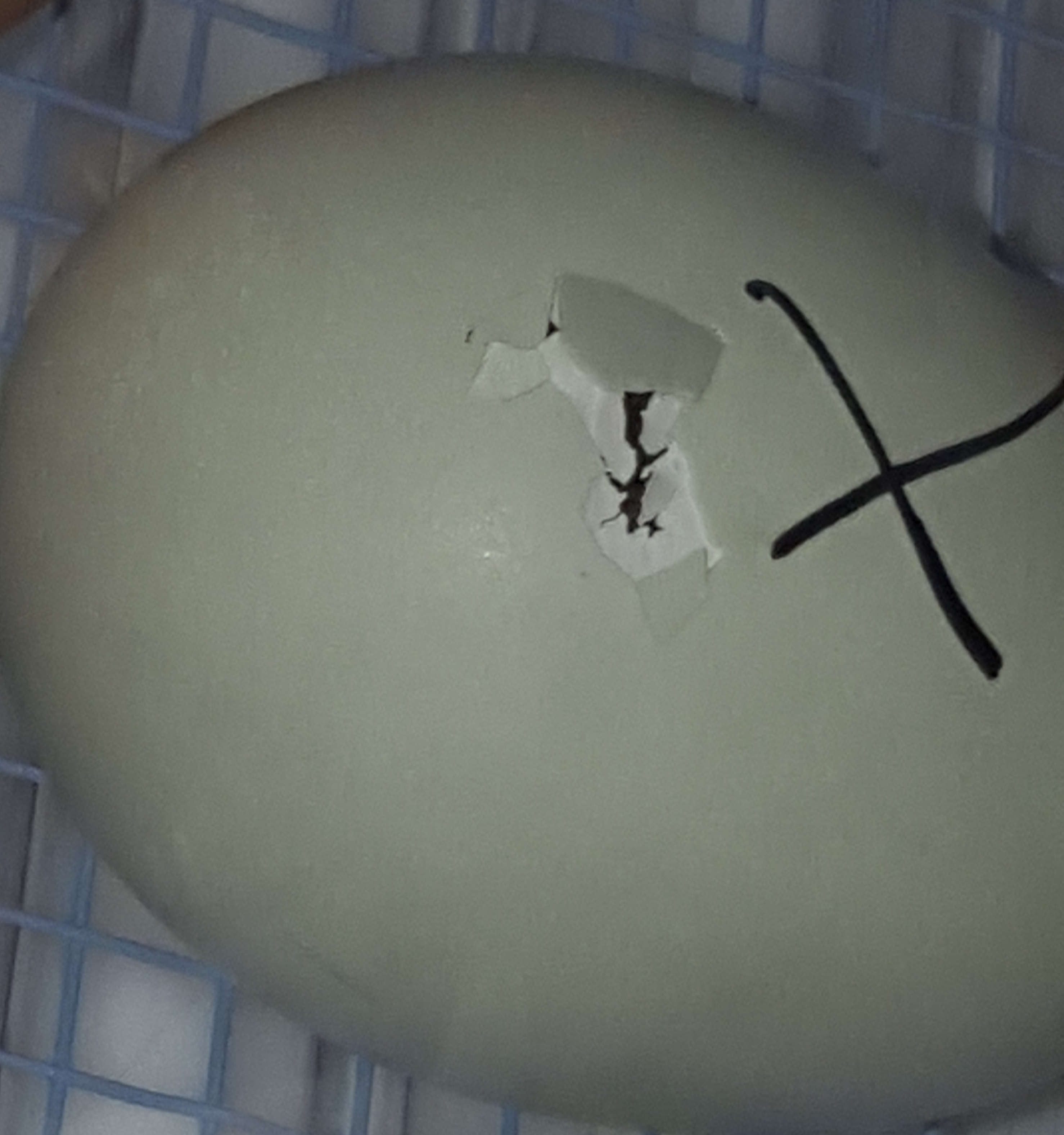
chicken egg with small chip out of it, pipped by chick inside
It’s pipped.

This typically refers to the last three days before hatch day.  Lockdown is when you want to increase the humidity.  And if you have an automatic turner, remove those.  If not, then stop rotating the eggs now.  Then position the eggs on their sides with the air cell at the top.  That’s where the chicks will pip.

You may have read or heard that you should never open the incubator at this point, that your chicks would be ‘shrink-wrapped’ and die.  No, you don’t want to open the incubator and leave it open for long periods of time.  Although, if you need to add water for humidity or to transfer a chick to the brooder, you shouldn’t have the incubator open for long.  And as long as you make sure the temperature and humidity get back up to where they need to be quickly, your chicks should be fine.

Then you just wait.  You might get some early hatchers or some late ones.  This happens if the temperature was off, but all in all, they should hatch pretty much within a day of each other.  They’ll start pipping.  And then they’ll unzip their shells, which means they work around the shells in a circle in order to get out.  And they can go ~ two days without food and water, because of the nutrients from their yolks.  You should wait until they’re completely fluffed out before moving them to the brooder.

Some Late or No Hatchers
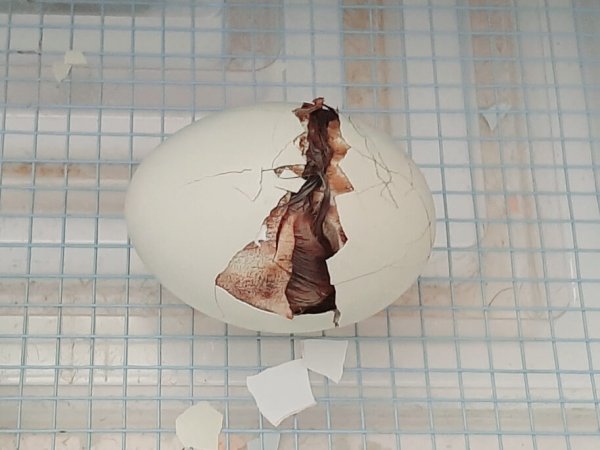
chicken egg unzipping, chick inside trying to get out
Unzipping the egg takes a lot of energy. Just be patient for your little chicks.

If you’ve got some late or no hatchers, I would give it extra time.  Like 5 extra days at least.  Then smell the eggs.  And if they pass the sniffer test, then do the float test.  It’s kinda similar to the one designed to test bad eggs.  However, in this test,

  • Make sure the water is 100° and still before adding the egg you want to test.
  • Next, be positive the egg you’re testing is past its due date and free of pips and cracks.  Otherwise, you can drown the chick.
  • Then add the egg, making sure the water settles before adding another late egg.
  • If the egg sinks, it’s a dud and never developed.
  • But if it’s a high floater, like a fishing bobber without weights, it could still be a dud, or the chick died.
  • However, if it’s a low floater, it developed to full-term.  Though, something happened, and the chick didn’t make it to hatch.
  • But if it’s a low floater and moving around a lot, the embryo is moving, and the egg is viable.  It’s just a late hatcher!

Should You or Shouldn’t You Assist in Hatching?

newly hatched chick in an incubator

There are tons of literature out there insisting you shouldn’t help a chick hatch.  However, there’s one article I read that succinctly points out why assisting a hatch is beneficial.  Although, at the end of the day, it’s for each person to decide for themselves.

And miracles happen everyday.  What one person says will be a tragedy, can actually become the boss of the yard.  You just never know.  For example, Baby Nay, our now re-homed Maran-Ameraucana mix rooster hatched 8 days early. 

A couple of years ago his egg got stepped on by either his mother or another broody hen outside; his ‘mother’ was kinda wacky and didn’t do the best job looking after her eggs. So my youngest brought his egg inside. She and my 19 year old thought he was pipping and unzipping and having trouble. But when Hannah helped out and saw him, she knew something was wrong and was scared. When they consulted with me, as I knew the dates, he was 8 days early. Thus they got him under the heat lamp, and then it was a waiting game. Waiting to see whether he would make it.

Well, I got him some electrolytes when I got home and watched while eventually, that first day he finally sat up. Then he cried a lot. So I kept him snuggled with me for 3 days, just in my arms. That’s probably why he knew his name and wasn’t afraid of people. But most of our birds are that way. That bird lived; in fact, he made it to challenge his dad, and almost killed Megatron if I hadn’t intervened.

So if you made it this far and have chicks, congratulations! And if you have any questions, please don’t hesitate to ask.

Thanks for stopping by! If you enjoyed this post, please like, post a comment, share, and please don’t forget to follow!
Categories
Chicks Hens raising happy, healthy chickens Roosters

Reasons to get Chickens

Eggs are the number one reason people get into the backyard chicken-keeping business. And since 2020 more people got into it, though their reasons weren’t necessarily the same. However, there are many reasons to get chickens.

Eggs

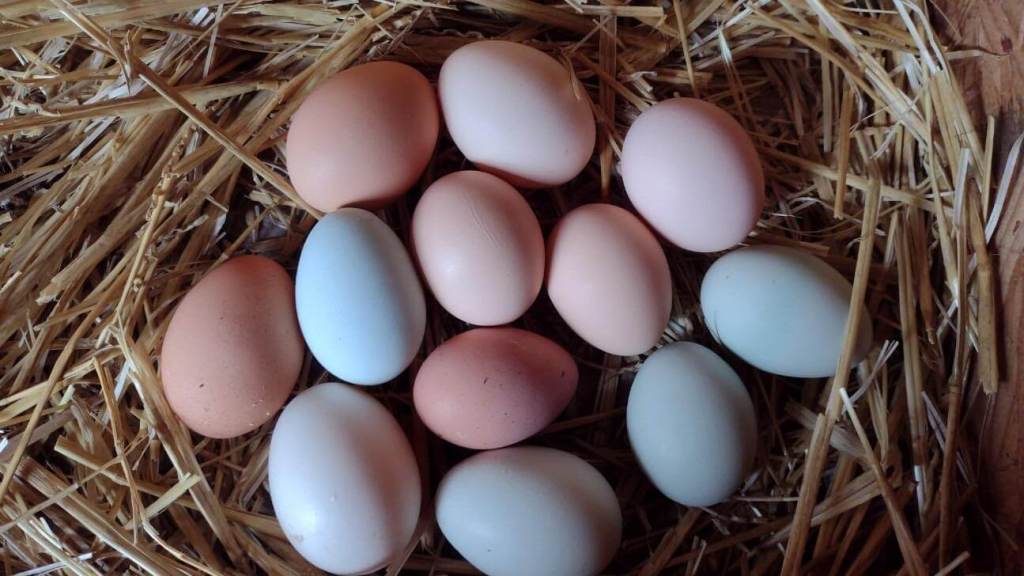
multi-colored fresh eggs in nest
Fresh eggs straight from the nesting box.

Even so, eggs are a great reason to get chickens. And a good egg laying hen will produce ~ one egg per day. So if you want a dozen eggs a week, you need 3 or 4 hens. Which means, you don’t need a whole lot of space for only 3 or 4 backyard birds.

Healthier Living

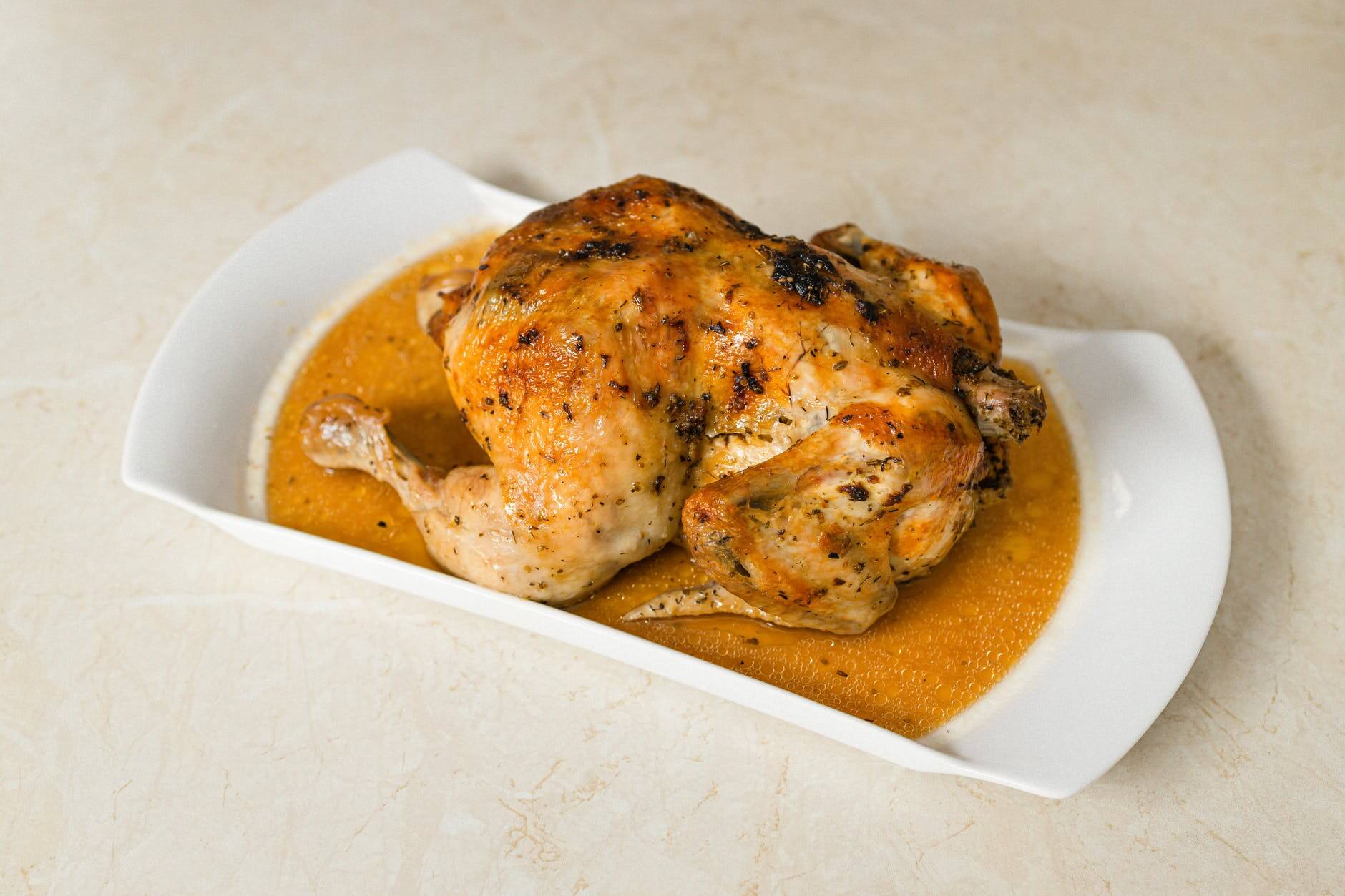
roasted chicken on a white plate
Photo by Maksim Goncharenok on Pexels.com

Due to shelter-in-place restrictions and then supply shortages, many people started raising their own chickens. A lot of backyard birds are dual-purpose birds. That means you can have hens for eggs. And if you have extra roosters, they can make good meals. In addition, knowing where your food is, and what goes into it somehow makes it taste more amazing.

We’re pretty blessed living where we do; however I know that bare shelves prompted a lot of people to buy chickens. And having backyard birds allows people to be somewhat self-sufficient, by providing a fresh source of eggs and chicken.

Sustainable Living

chickens around a raised garden bed with coop in the distance
One of our first raised garden beds that our chickens loved to help eat from and fertilize.

Rather than supporting factory produced eggs and their big carbon footprint, when you raise your own eggs, there’s less manure. So you have less of a carbon footprint.

Also, the chicken manure can be used for fertilizer or composted. Therefore, the result is less carbon emissions. And the birds help you with gardening.

Pets

Black Ameraucana rooster with Pekin duck
My pet rooster, Megatron.

Another reason to get chickens is that they make great pets. And when they’re chicks, they come on the cheap side; no pun intended. Furthermore, they come in many different breeds, colors, and sizes. And you can name them, if you so choose. We’ve named all of ours–after Star Wars, Lord of the Rings, Marvel, Transformers, and anime characters.

Additionally, they all have personality. And they’re mostly easy to take care of: feed and water them, provide good, predator-proof shelter, and remember to clean their coop. Other than that, they do their chicken thing, providing you with food.

Chicken TV

Cream Legbar rooster asleep in person's hands over sketchbook outside
This was our Cream Legbar rooster; he’s asleep in this pic, but he looks like he’s reading.

Have I mentioned chicken TV? Keeping backyard chickens also provides free entertainment without the use of electricity. Just step outside, pull up a chair, and sit a spell. It’ll only take a moment before you see one of the members of your flock doing something adorable or hilarious.

And if you can, I highly recommend getting a rooster to complement any flock of hens, because that’s the best entertainment. You’ll get drama, suspense, romance, and comedy when you add a rooster.

Education

chick hatching from an egg
This was one of our first chicks hatching.

Having chickens is also educating. I can’t express to you how much I’ve learned just in the 7 or so years we’ve kept backyard birds. For most people, this might be considered useless. However, if you have children or grandchildren, it will be fascinating, especially when they see their first egg hatch. And they’ll learn to take care of animals.

Backyard Therapy

mixed flock of backyard chickens
This is one of my favorite things to do with them: just be out there with them.

The biggest benefit I personally receive, from taking care of chickens, is backyard therapy. And I’m not the only person to have experienced this. Other people, who either have kept chickens, or still keep birds, are familiar with this phenomena. I don’t know if it’s just the birds, or a combination of being outdoors, watching the birds, or what. But things that were troubling eventually fade away.

I don’t know that I would say the chickens are empathetic, and that’s the reason having them helps. It’s just that after I’m outside watching them for a while, I start to feel better.

To Conclude

I’ve listed 7 reasons to get chickens, but ultimately the decision is yours. Backyard chickens make amazing pets and are a great supply of food. But I’m sure that whatever the reason you decide to get chickens, you’ll enjoy them.

Thanks for stopping by! If you enjoyed this post, please like, post a comment, share, and don’t forget to follow!

Categories
Chicks Hens raising happy, healthy chickens Roosters

What are Easter Egger Chickens

Perhaps you’re familiar with the term ‘Easter Egger’, if you have backyard birds. Or maybe not, if you don’t. No, they don’t lay Easter eggs, in case you’re wondering. However their eggs do resemble those we color for our kids. Which is how they got their name, after all. So, just what are Easter Egger chickens?

Well, in the U.S., really an Easter Egger chicken has come to be recognized as any chicken that has the colorful egg gene, oocyan. Although, traditionally an Easter Egger chicken was, and is, considered a hybrid. Meaning, it’s the result of crossing one breed of chicken with a blue egg-laying breed, like Ameraucana or Araucana chickens. Also, they don’t have a set standard like other breeds. Therefore, Easter Eggers are not recognized as a breed by the American Poultry Association.

History of Easter Egger Chickens

Ameraucana Chicken

Even though there are ~8 blue egg producing chickens around, there are only 2 chicken breeds that are currently accepted in the APA. And one of those is the Araucana. However the ear tuft gene can be lethal, causing few eggs to hatch. Additionally, those that hatch may die within a week. So, Ameraucanas were bred in response to the lethal tuft gene of Araucanas, by breeding Araucanas with other breeds of chickens. Sound a bit like Easter Eggers? It does to me too. Except the only thing that qualifies as a breed is whether the bird fits the standard. And there isn’t one for EEs.

Though there is a standard for Araucana and Ameraucana chickens. Usually the standard is based on color (of the bird), egg color, bird size, legs (whether they’re clean or feathery), the type of comb they have, and in the case of Araucanas, if they have ear tufts and are rumpless. And for the Ameraucana, if they have beards. However, if you have a chicken that matches one of these standards, someone might still claim you have an EE, simply because you got it from a hatchery, rather than a breeder.

So What are Easter Egger Chickens?

Now that we’ve covered what they are not, a breed, we’ll go over what they are. Since they are backyard birds resulting from a cross with a blue egg-laying breed, the hens can lay an assortment of colors. Green, olive, and blue are the most common egg colors that they lay. Although they can also lay pink, brown, and cream eggs. These birds have also been named ‘Rainbow Layers’, and no wonder! Although the hen won’t change what color egg she will lay from day to day. Which means, if she lays a blue egg, she will only ever lay a blue egg. But if you have a number of these birds, you will most likely have a number of different colored eggs.

collection of chicken eggs

Easter Eggers are also docile, which means they’re very laid back. Additionally, the hens are typically good layers, laying ~200-280 eggs per year. And when the hens are fully mature, the eggs will end up being large. Or extra large in some cases. Moreover Easter Eggers are dual purpose, indicating that the birds are also good for meat. Although they tend to run small. Hens might weigh ~4 lbs, while roosters tend to weigh ~5 lbs.

Also, since they have Araucana or Ameraucana in their backgrounds, they can take on some of their traits. Like ear tufts, beards, being rumpless, etc. And they come in a variety of colors. Plus, Easter Eggers don’t spend a whole lot of time being broody. Which is great, because they’ll be laying eggs instead.

Easter Egger rooster
This is our other rooster, Baby Nay. He has crooked beak, but it’s not as evident currently. He must’ve chipped it.

EEs are great for first time backyard bird keepers due to their happy disposition. And they’re a good choice for families with children because of this fact. Also, they aren’t prone to health issues. But they could get run-of-the-mill mites in their beards or tufts, if they have them. And Araucana chickens have a genetic deformity that causes their beaks to grow crooked. Additionally, the condition, scissor beak, can worsen over time, making it difficult for a bird to eat or drink on its own. Although many birds can also live long, healthy lives with the right kind of care. EEs could get this condition as well, though not as frequently.

Typically Easter Eggers do quite well in most environments. And they can cope with heat as long as they have shade and plenty of water. Furthermore, they usually do well in the winter too. And because of their comb size, they don’t ordinarily suffer from frostbite. Also, they do well foraging for themselves, which is a great way to supplement their diet. But they also put up with confinement in the coop well. Although they prefer to free range.

In Conclusion

Easter Eggers are a great all around dual purpose bird, even though they aren’t considered a breed. They’re easy to raise and are good with families. And they’re popular simply because they come in a variety of colors as well as their eggs. They’re sociable, curious, and tolerant. And they lay a lot of eggs. So they are productive and fun, making them a great complement to any flock.

Categories
Chicks Hens raising happy, healthy chickens Roosters

How to Sex Chickens

Today’s post is about how to sex chickens. Some of you might not have ever had to do that. Especially if you order from a reputable hatchery. But even then sometimes you might get a cockerel you didn’t order. Or you might order a straight run. Also, if you ever incubate your own eggs, or get a broody hen who hatches chicks, then knowing how to sex chickens is a great piece of wisdom to have.

So how do you sex chickens? And is it the same for chicks as it is for juvenile birds? Well, the answer to the second question is . . . kind of. It just depends on the bird. However I’ll get to that soon enough. But first, we’ll cover how to sex baby chickens or chicks.

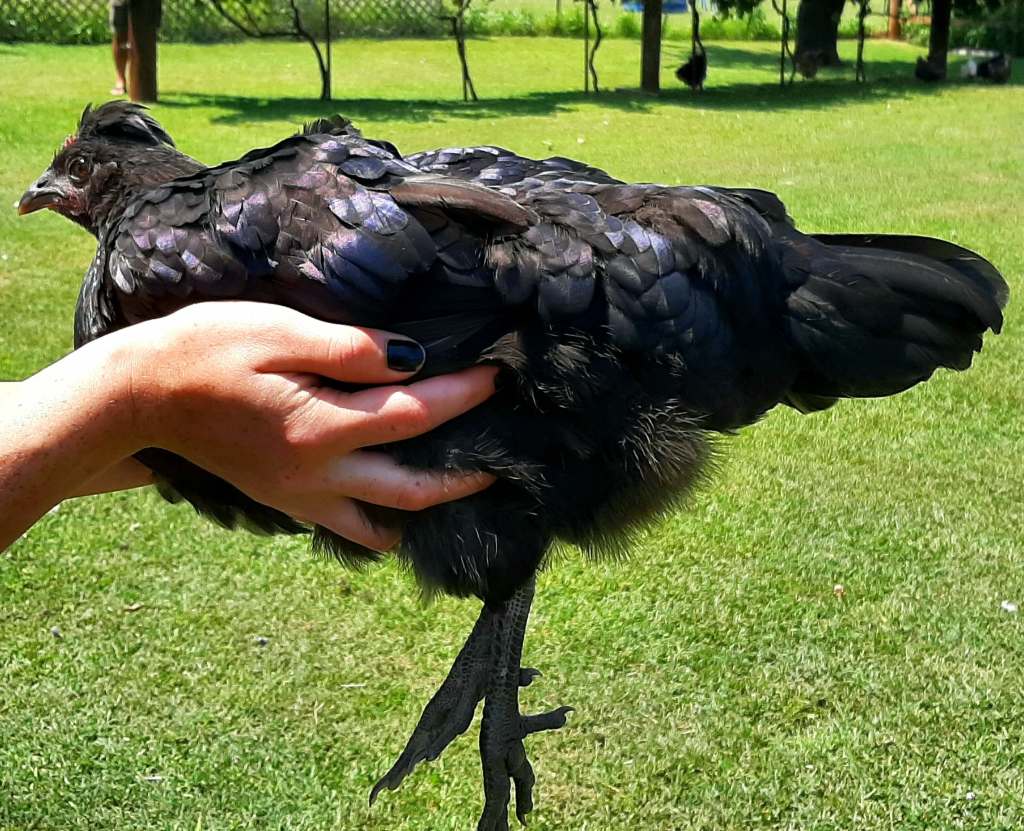
person holding day old Black Ameraucana chick
How to sex baby chickens

How to Sex Baby Chickens

So, with chickens, a cockerel is a male chicken. And he will become a rooster. Additionally, a pullet is a female chicken, who will be referred to as a hen when an adult. And now let’s discuss how you can determine if the chicks you ordered are in fact pullets. The first method is

  • Vent sexing

Vent sexing is manually examining the reproductive organs of poultry. It’s also the most precise way to determine gender of all domesticated birds. However it is NOT recommended for people unfamiliar and untrained in it. Vent sexing chicks can hurt the chick if done incorrectly. That said, we definitely do not attempt it at our property. Not to mention, it’s quite invasive to the chicks. Although if you’re getting chicks from a recognized hatchery, chances are good that they’re vent sexing.

  • Feather sexing
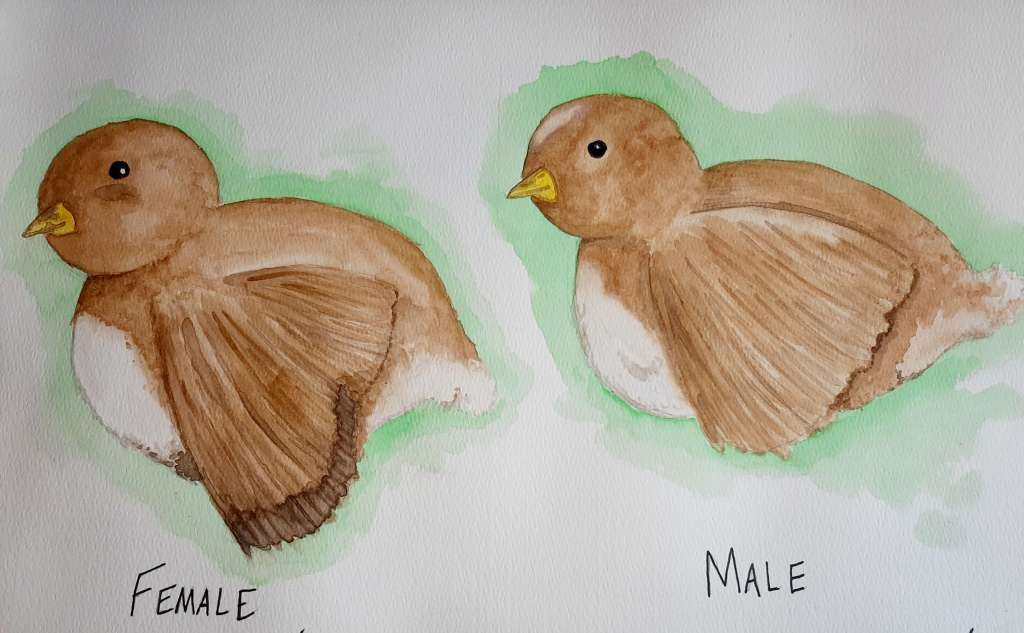
Sketch of 2 chicks with differences pointed out in their wing feathers on how to sex chickens

Feather sexing is a technique to identify the gender of a chick based on the rate of feather growth. However it’s a sex-linked trait, which means the chick’s father has to be bred to grow feathers fast. While the chick’s mother has to be bred to grow feathers slowly. Otherwise trying to feather sex a chick won’t work, because not all chickens can be sexed this way.

I’ve never tried to determine the gender of our chicks using this method. And usually it’s because I’m too caught up with all of the chicks to even think about it.

Another option using a bird’s feathers is by looking at their wings. A pullet will have different lengths while a rooster will have all one length. If you try this method, just remember to be careful with the day old chicks. Also, this practice isn’t foolproof like vent sexing.

  • Sex link chickens
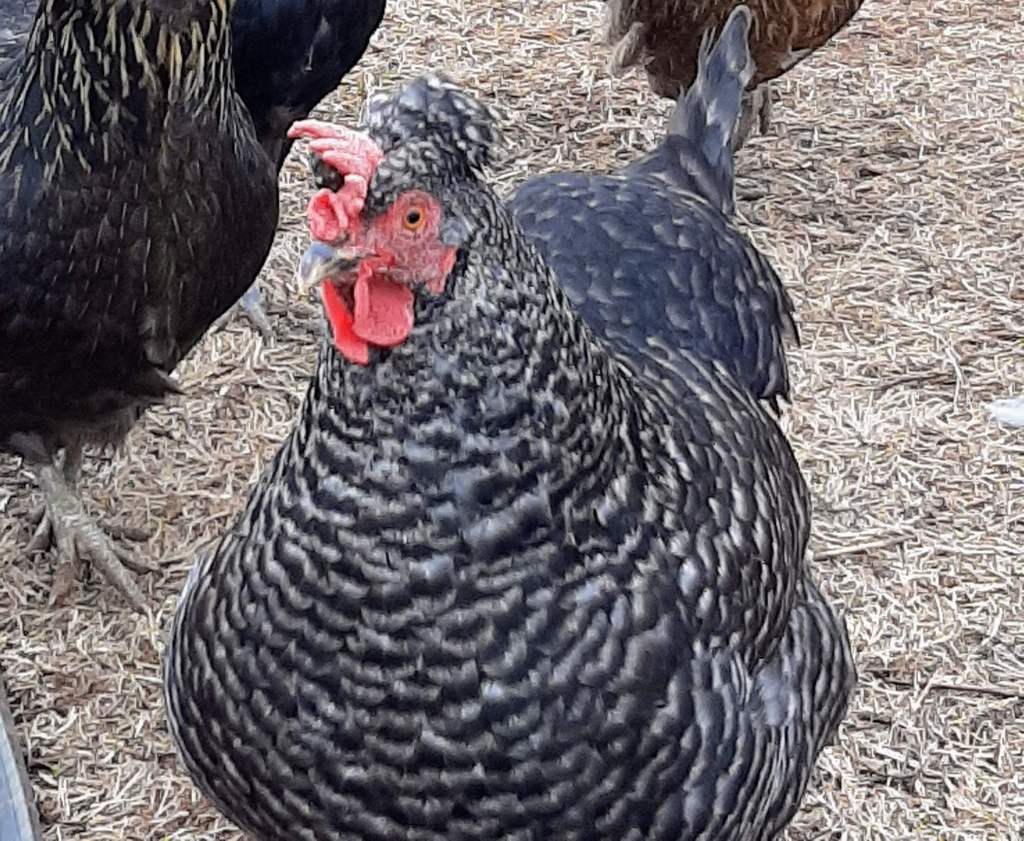
Black Sex Link hen in a yard
This is an example of a sex-link hen, a Black Sex link. However she’s an adult.

Sex link chickens are hybrids that show differences in the colors of their plumage. Or a spot will be present on one sex and not on another, between cockerels and pullets. Which makes sexing them a lot easier. Although you would have to order sex link birds in order for this to happen. But sometimes you can sex link your own birds, if you have a mixed flock, like I’ve done with some of mine.

How NOT to Sex Juvenile Chickens

In a moment we’re going to cover how to sex juvenile chickens. Because there are some differences. A juvenile backyard bird is considered a teenager anywhere from 4-17 weeks old. Whereas chickens from ~16-24 weeks of age are regarded as adults, because they hit sexual maturity, and hens can start laying eggs.

Some of the most common ways people predict chicken gender are also some of the most erroneous ways. And these aren’t limited to backyard chicken owners only. Additionally, they continue to use these flawed methods over and over again. They include determining sex by:

  • Large combs and wattles

The thinking is if the bird in question has a large comb and wattles, they must be a rooster. But I’m here to tell you that is simply wrong. Especially if you have a mixed flock. I have 2 hens that have massive combs that put my rooster to shame. So judging a bird by the size of its comb and wattles is totally unreliable.

  • Crowing

Roosters start crowing generally around 5 months of age. But some crow sooner, while others crow later. Some of the hybrids we’ve had crowed a lot sooner. However crowing alone isn’t the best indicator, since hens also can crow.

  • Size

When chickens are developing, people think that if there’s a bigger bird, it must be a cockerel. And this is a reasonable expectation if the lineages and ages of the birds are the same. When backyard chickens are mature (16-24 weeks), they will be bigger than females of the same breed.

If you have a mixed flock, then your chickens will come in a variety of sizes. So determining gender is more complicated, because you’re no longer comparing apples to apples.

  • Character
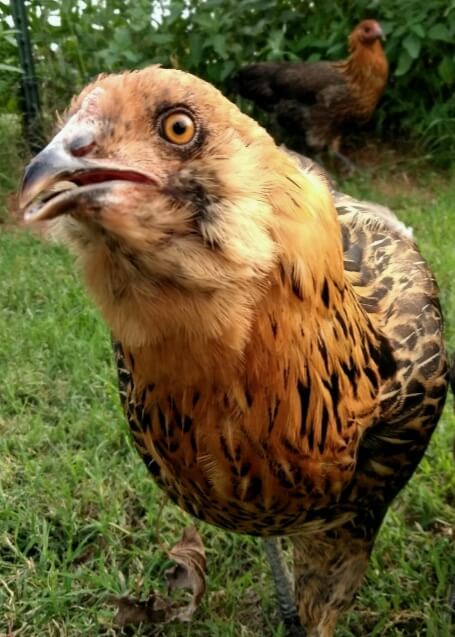
adolescent Ameraucana chicken
This is a picture of one of our most aggressive hens when she was younger.

It’s true, roosters can be aggressive, authoritative, and protective of what they consider ‘theirs.’ And a lot of times you can see them demonstrating this behavior as chicks. However it’s faulty to assume, that if you’re witnessing these mannerisms, that you have a cockerel.

Because hens that aspire to reach the top of the pecking order will also display these temperaments. Furthermore, you might notice this behavior with the chicks. There will be one chick that is more aggressive. It could be a cockerel. However it could also be a pullet.

Ok, so how do we sex chickens? Juvenile or otherwise?

The Best Way to Sex Chickens

The first method for determining the gender on your own backyard birds is

  • Be patient
plain white clock on white background
Photo by Ann Nekr on Pexels.com

First, give your birds some time. Unless you have birds that can be sex linked, just give it a few weeks till you can do some real investigating.

  • Then look at their feathers

You’re NOT determining gender by the rate of growth of feathers. You are looking at specific feathers. Around 8-12 weeks old, cockerels will start getting saddle feathers, which are close to their tail feathers. And they’re long, narrow, draping, and pointed. So, if you start seeing those, then you have a cockerel. And that is the absolute best way for backyard chicken owners to sex chickens.

The hackle and sickle feathers won’t come in till the roosters are fully adults. Which by then you will see the tell-tell rooster tail that curves up and down. There definitely won’t be any mistaking that.

And since the saddle feathers are the clearest distinction between hens and roos, and also start to fill out first, this is the preferential point of reference.

On some of my images I’ve mentioned how my hens have tail feathers that resemble sails. Not all hens from every breed will be like that. Hence not all of my hens have sail-shaped tails. But a lot of them do.

The more chickens and chicks you have, the more you will be able to recognize features of a cockerel and pullet. And gain more confidence along the way. I hope I’ve helped you figure out how to sex chickens. Now all you need to do is put it into practice.

Categories
Chicks Hens raising happy, healthy chickens

Hens Adopting Chicks

Today I’m going to talk about hens adopting chicks. But not just about broody hens, though that will be brought up too. I’ll also discuss when there’s a broody hen that hatched chicks and another hen decides to co-parent with that hen.

Will Broody Hens Adopt Chicks that are Not Their Own

The first question we’re going to try to answer is Will broody hens adopt chicks that are not their own? Technically speaking, none of the eggs a setting hen is on are really her own eggs. Not long ago I covered the topic of broody hens. But when the eggs hatch, the broody hen then becomes the new generation’s mother, in effect.

However, some people have tried fooling a broody hen by placing chicks from elsewhere under her. And they’ve succeeded in getting the hen to adopt the chicks. I can also verify that it works.

Broody hen with chick
This is Davis with her chick that survived the snake attack.

2019 was our first year we had success with broody-hen chicks hatching. But only a couple of days later a chicken snake got one of the chicks. And it devastated Davis, our broody hen. She was scared, and her remaining chick was lonely without its sibling.

So we went to the feed store and found one that looked the most like the chick we lost. We weren’t sure what Davis would do. We reasoned that it would be a 50/50 shot either way. She would love it or hate it.

We brought it straight out to her, in daylight, prepared to rescue it at any moment if she rejected it. Davis sniffed the store bought chick and walked away. She knew it wasn’t her baby. But at least she didn’t kill it. Her remaining chick, on the other hand, immediately gravitated toward the bigger, store bought chick. They became inseparable. And over time Davis started treating the imposter chick like her own.

It is best to make sure your hen is broody before attempting to fool her. And it’s recommended to introduce a chick or chicks to the broody hen at night in the coop. Although, we didn’t and it still turned out ok. However, the hen we tried to fool is one of the sweetest hens we have. I doubt I would try this during the day on a hen that doesn’t have as nice a disposition. Read this for more information on introducing chicks to a broody hen, if you’re interested.

2 hens, 1 broody, 1 non-broody with chicks
Davis with her adopted spotted chick, and the hen in front of her is the co-parent, Soundwave.

Will a Non Broody Hen Adopt Chicks?

So what about non-broody hens adopting chicks? Strictly speaking, no, they don’t. Though, some people believe that you can encourage a hen to go broody. But whether that’s true or not, I don’t know. My birds do not have problems going broody. In any case, the hen would no longer be non-broody if you made conditions favorable to broodiness. And the result was that she turned broody.

co-parenting hens w/chicks
Our newest broody hen, standing on the right, with Plo, the co-parent, and their chick is on top of Plo.

Co-parenting

What do I even mean by the word co-parenting? Well, the dictionary basically describes co-parenting as the sharing of parental responsibility. This is actually in reference to human children. However, it can certainly apply to chickens as well. Because, when there’s a co-parenting hen, that is exactly what she does. She helps the hen, who did the work of incubating and hatching the eggs, raise and take care of the chicks.

But I bring up co-parenting in a blog about hens adopting chicks, since that is essentially what the co-parent is doing. The co-parenting hen adopts the chicks as her own. She did not labor for them, and yet she treats them as her own.

The first time I saw this behavior, it was in Soundwave, Megatron’s hatchery-mate. When she first came to us, she was the tiniest hen we had. Although, she was one of the meanest hens and took every opportunity she could to abuse the hen on the bottom of the pecking order. So, naturally I was surprised when this mean hen started displaying maternal instincts.

At first I thought, maybe she’s going to kill the chicks that Davis hatched. However, over the course of a few days, she’d cuddle with Davis and allow the chicks to sleep with her. And soon Soundwave was spending her days with Davis and the chicks, trying to teach the babies how to forage for food.

I’d never heard of chickens doing this before: Assisting broody hens raise chicks. My mother-in-law, who’s had chickens for at least twice as long as me, has never had a hen co-parent. She never heard of it either until I brought it up to her 2 years ago.

hen w/ chick and 1 adopted chick
Davis and her two chicks. Her adopted chick is on the right.

Since our first experience with co-parenting hens, we’ve witnessed it happen two more times. And one hen is a repeat co-parent. She helped raise a chick last year. And this year she assisted one of our Easter Eggers with a clutch of 3 chicks.

Plo, the hen who’s co-parented twice, actually starts out broody first, before she co-parents. And throughout her co-parenting, she acts broody, though she isn’t mean like the hen who did all of the work. But when Soundwave co-parented, she never acted broody at all. She was just slowly drawn toward the chicks and Davis, until she was helping Davis out.

There isn’t a lot of information out there about this phenomenon. But I think it’s amazing that these birds, which normally aren’t close like this, would raise chicks together.

If you have backyard birds, have you ever witnessed this behavior yourself? I would love to hear your stories!

Categories
Chicks Hens Protecting Your Backyard Birds raising happy, healthy chickens Roosters

Pecking Order Behavior In Chickens

What is typical pecking order behavior in chickens? And how do you know if your birds have a successful social order? If you have a backyard flock or are even fairly new to this, then you most likely have seen this behavior. Where the birds will chest bump each other, flap their wings, puff themselves up in order to look bigger, and often times pull feathers out as they peck one or several birds.

If you’ve observed this in your birds, where they seemingly pick on each other for no cause, they aren’t necessarily being mean. Because they aren’t like us. They don’t understand between good and evil, right and wrong. But the chances are high that they are displaying what is called the pecking order.

2 roosters fighting for dominance

SO WHAT IS THE PECKING ORDER IN CHICKENS?

The earliest use of pecking order referred to chickens displaying their supremacy over each other. It includes pecking and was used in the 1920s by a Norwegian zoologist to describe their behavior.

Pecking is just one aspect of it. However, it does certainly capture the essence of the phrase. Because, the birds in charge, or ahead in the hierarchy, will peck the ones lower down the totem pole to keep everyone in line.

The behavior isn’t just limited to pecking though. Or to adults. If you have an established flock, you might not see a lot of aggression. At least not any more. Because they’ve settled their class structure for the time being. But if you add new members, or get chicks, then you tend to see more activity that we would consider ‘mean‘ but are perfectly acceptable to chickens.

As I mentioned earlier, they can puff themselves out and chest thump each other. Typically this occurs with birds of similar rank and size. An adolescent rooster, who just got introduced to the flock, won’t necessarily challenge the established rooster for dominance of the flock. He doesn’t even have his spurs yet. No, he will wait submissively until he’s bigger and thinks he has a chance against the bigger roo.

The same goes for hens. The more accepted, older hens will put the younger, newer ones in their places quickly. And those hens will, likewise, work out the hierarchy between themselves. Depending upon the breeds you have can determine if they will ascend to top dog position; some birds aspire to rule, it seems, while nobody wants to be on the bottom.

dominant hen in social order
The hen eating is more dominant than the others waiting around.

WHY IS THE CHICKEN PECKING ORDER IMPORTANT?

The purpose of the pecking order for chickens is simply to keep order. If they didn’t have a class system, it would be chaotic in the backyard. So, if you only have one chicken, you aren’t going to have a pecking order. Or see much pecking order activity. Although, once you get more birds, they will quickly establish their social order. And normally it’s the most socially dominant hen in charge, unless you have a rooster.

If there is just one rooster, he’s in charge. And then the most socially dominant hens, working out their own class system between themselves. Though, if you have two roosters, it’s usually the most aggressive one who’s boss, unless one of them is young. And then the young rooster is somewhere in the mix; he can be just below the boss rooster or even under the oldest hens. We still only have two roosters, and they are still the ones in charge. But, after them, it’s the most dominant hen or hens.

When Cass, our first real rooster, died, and Megatron became the boss, he was very eager to do his duty. Although, our two boss hens, Fives and Echo, had a thing or two they wanted to teach him before they would allow him to take over.

They were never mean to him before; they never had a reason to prior to this. However, when he assumed a new position, and a very important one at that, I can well imagine that the two sisters had some very momentous things they wanted Megatron to understand. He was maybe only a year old, and they were old hands at this, raising chicks and wayward roosters. They were better suited to protect the flock than the last rooster, and they knew it. So they weren’t about to let some upstart waltz in their flock, acting like he knew what he was doing, when he didn’t.

It was actually quite interesting to watch how they interacted with him. I’m not kidding you, those two old hens tackled my 1 year old rooster. And at first, he fought back, but then, I think he began to understand that he was not the boss . . . yet. It was a demonstration in front of the whole flock. After a while their abuse ceased. And over the next few days the girls eased up on him, possibly giving him instructions on how to take care of his harem, before they too submitted themselves to him.

chickens in established pecking order
A harmonious flock where every member knows their place in the social order.

WHAT HAPPENS IN THE CHICKEN PECKING ORDER?

I’ve already mentioned that there will be pecking in a backyard flock. And for an established flock, it’s limited to mostly pecking. In a new or young flock, or one where new members are being added, you will see more serious attacks between members. Although, that isn’t all that it’s about. The pecking order determines when the birds eat, drink, lay eggs, dust bathe, and where they sleep. And in the case of roosters, when they can crow and mate. So the birds at the top of the hierarchy get first and best dibs, while those on the bottom get the leftovers.

If a chicken steps out of line, metaphorically, and eats before they’re supposed to, or is laying an egg when the boss hen wants to, then the boss hen, (or the hen who’s in a better position on the social ladder), will peck the hen who usurped her place and the hen with the lower social standing will get in trouble. I have seen hens drag other hens away from the feed dish or nesting box. They are that serious about their pecking order. And the hen who got pecked usually doesn’t retaliate even if she’s ten times bigger and could crush the other bird.

Currently we only have our rooster as the boss. And since Echo and Fives died, no other hens have risen to the challenge to take their places in guiding the flock. I shouldn’t be surprised, since most of our birds are docile. They’re content with their positions, so long as they’re not on the bottom. You can read about them here.

You know your backyard flock has a successful social order when the boss maintains the peace. Usually that position is reserved mostly for roosters, however a good hen can do this as well. Sometimes a hen or a rooster will step out of line and disturb the homeostasis for only a moment. In which case, the boss will soon take care of it.

If there are 2 roosters, and the younger one upsets that balance, he might end up challenging the boss rooster. That’s what happened in the picture below. Since Megatron still has his spurs and was much bigger, Baby Nay lost the fight. Normally Baby Nay would run from confrontations with his dad. But not that day. For whatever reason, he decided it was time to take the risk.

2 roosters establish pecking order

HOW TO TELL IF IT’S NORMAL PECKING ORDER BEHAVIOR INSTEAD BULLYING

How can you know if your birds are displaying normal social order activity? I mean, it sort of looks like they’re all bullies, right? I admit, for a long time it bothered me how my backyard flock treated each other. But especially how the adults would treat the younger birds.

When we have adolescent chickens, and Megatron gets around them, he makes a special point of pecking them. And it appears really hard. But that might be due to his larger beak.

It wasn’t until quite recently that I realized he’s most likely using his authority as the boss to teach and keep the youngsters in line. And not really being mean and wanting to eat his kids.

When you introduce new members to your existing flock, it will inevitably look like abuse. But especially if you do it too fast, only introduce one new member, or one of the chickens gets an injury or has an abnormality. Make no mistake, the chickens will abuse that bird. And it won’t be just one mean hen. In general, even your sweetest hens will join in the abuse. And you will have absolutely no doubts.

flock of hens on green field
Photo by Alexas Fotos on Pexels.com

WHAT TO DO IF A BIRD GETS TOO BULLIED

It does happen with the backyard flock; you will inevitably get a chicken who will be the bully. Or you will get a hen who will be the one who gets bullied. We have had both kinds of birds, and both can be frustrating. I want all of our birds to get along. However, that’s not how they are built. They are built to eat, drink, sleep, have chicks, and survive. If there’s a member of the flock who is weaker, they automatically pick on that one. Maybe they’re trying to beat the weakness out of that particular member, but I don’t really think so.

They certainly don’t have human emotions; our complex emotions like feeling sorry or sorrow for something that is weaker, hurt, or sick. They want it far from them. It could be instinctual, because they’re preventing the spread of disease. The time we had Kix, the Wyandotte mixed hen we incubated, (who had a leg that didn’t develop completely), the flock abused her. Though, she learned to hide from the rest of the birds. And eventually the abuse stopped, perhaps because they figured she knew her place.

The times when we’ve had a relentlessly abusive hen, we’ve separated her from the flock. Because the birds like to stay together. And they have their social order established, so if you separate them, totally away from each other, even for a day, sometimes they have to start all over. Which means the offending bird will stop behaving badly, at least for a time.

Another option, which we’ve tried, is Pinless Peepers or Blinders, by attaching them to the hen’s nostrils. They make it difficult for the disagreeable hen to see very much, so that she can’t abuse anymore. Pinless Peepers are also a good preventative for egg-eating and cannibalism. The hens don’t like them obviously, and they can be difficult to put on. Although, once they’re on, they help a ton.

For more information on the chicken pecking order, click here.

Categories
Chicks Hens raising happy, healthy chickens Roosters

Dos and Don’ts of Feeding Chickens

Since our backyard birds are omnivores, and love to eat just about anything, I’m going to cover the dos and don’ts of feeding chickens to keep them healthy. Furthermore, I’ll go over the different types of feed available. And I’ll list some things not to give your birds as well as some things that are OK in moderation.

Types of Feed

There are three main types of chicken feed, depending on their age. However, there are other types within those, which also depend on if you have show birds or meat birds, or a whole host of other options. But these are the main types base upon age.

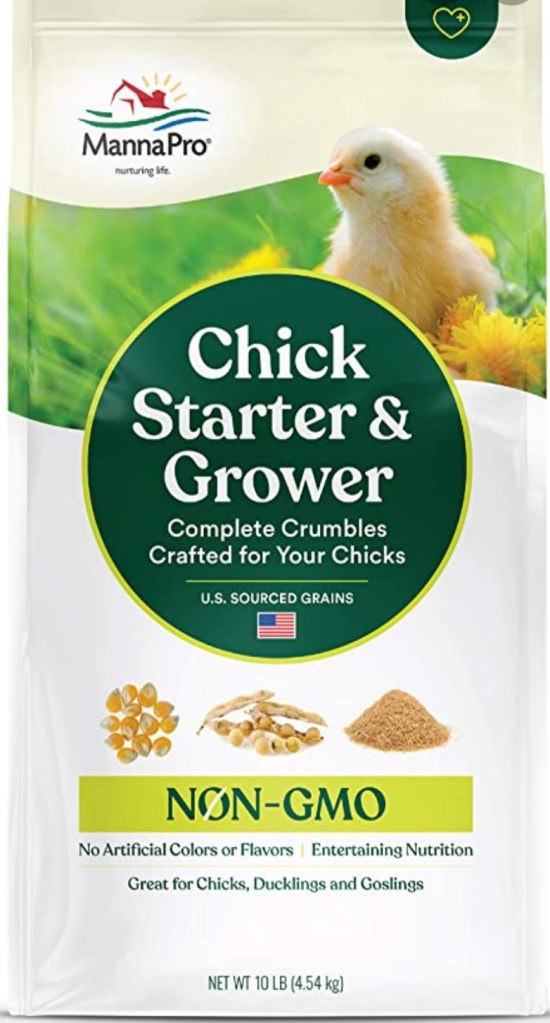
  • Chick Starter for healthy chicks
Chick Starter

In one of my other posts, I had already mentioned chick starter. You primarily only purchase this when you have baby chickens from 0-10 weeks old. It comes in medicated or non-medicated, organic or non-organic. And it has a protein level between 18% and 22%, because the chicks are growing. And they require more protein when they’re growing. There are also higher protein starter feeds. However, those are for meat birds like turkey, quail, and pheasant. Although, it can also be used for broilers to fatten them up.

  • Grower Feeds for healthy adolescent chickens
Chick Grower

Starting around 10 weeks of age, a grower feed can replace the chick starter. For backyard birds, you need a grower feed that will contain 16-18% protein that’s designed to sustain growth till the birds hit maturity. You can also find this in organic as well.

Layer Feeds for healthy chickens

Around 18 weeks of age, layer feed can be fed to your backyard flock or whenever the first egg is laid, whichever happens first. You want one that contains 16% protein and increased calcium for the shell development. Again, there are brands that provide organic layer feed.

Consistencies in Those Categories:

Within those three backyard flock feed categories, there are some other classifications based mainly on the texture and size of the feed.

  • Mash

Mash is an unprocessed form of chicken feed that is more often given to chicks, because it’s easier to digest. However, it can be given to chickens of any age.

  • Crumble
Crumble feed for chicks

Chick starter, grower feed, and layer feed can all be purchased in crumbles. As one can well imagine, it’s easier to eat. Though, as the birds mature, one downside is that when they scratch their feed, as they are accustomed to doing, it tends to get all over the place. And so, a lot of it gets wasted. I have also heard of people having issues finding layer feed in crumbles. If you have a backyard flock, or are interested in starting one, a big determination on what type of feed you continue to purchase for their laying needs will be their preferences. They will definitely let you know what they like or dislike.

  • Pellets
Layer pellets

Only grower feed and layer feed can be purchased in layer pellets.

The Don’ts of Feeding Your Backyard Birds: What to Avoid

Don’t offer more than 2 tbsp of treats per day to a hen’s ~ 1/2 cup nutritional requirements that she’s supposed to get from her feed. But additionally, avoid offering

  • treats first thing in the morning, if you offer any, before the birds have eaten their layer feed and foraged.
  • cracked corn or sunflower seeds as a substitution for feed; they are treats. With that being said let me add something. In the fall months when the chickens are molting, sunflower seeds are packed with protein, and protein is what they need during that time. So, for a short amount of time, it’s OK to give your flock sunflower seeds with their feed, but only for that short time. Cracked corn is not feed, and I nickname it ‘crack’, because the birds treat it like that. Oh, they love it, but it makes the eggs runny and loose when you crack the shells, because there’s hardly any protein in them.
  • your chickens avocado pits and skins, because they are toxic.
  • under-cooked or dried beans to your backyard birds. Because they contain something that can prevent your birds from digesting anything they eat.
  • your backyard flock rhubarb. It might have a laxative effect on your birds. Also, if the rhubarb is damaged by severe cold, it can have a high concentration of a particular acid which can be deadly to backyard birds.
  • rotten and very salty foods to your birds, which can give them diarrhea and can also be toxic.
  • Processed foods should not be given to the flock.
  • Very greasy foods should be avoided, because they could be hard for them digest.
  • Raw potato peels, particularly if they are green from sun exposure, contain solanine, which is toxic.
  • And avoid coffee due to the caffeine and chocolate, because those might be toxic.

Snacks that are Safe for Your Backyard Birds: Give These Treats In Moderation

  • As I mentioned above, figure no more than 2 tbsp per day to 1/2 cup of layer feed. And sunflower seeds make an excellent snack in moderation.
  • Bread: Chickens love bread, at least mine do, and it doesn’t really matter the flavor.
  • Fruits: They can eat most fruits with the exception of rhubarb. Some of my flock’s fave’s are apples, strawberries, tomatoes, bananas, grapes, watermelon, pumpkin, cantaloupe, and blueberries, just to name a few.
  • Vegetables: Again, just like with fruits, most vegetables are fine to give your flock. When we’ve had our vegetable garden in past springs, our birds loved to sneak in to steal the bell peppers and kale. But they also love cabbage, corn, and sweet potatoes.
  • There are some that say you can’t give your birds citrus. However, not everyone agrees on that. There are also some who claim you can’t give your birds onions or garlic. But that is really only because it might flavor the eggs. The first spring that we had layer hens we planted a garden, and our hens got into the onions! They smelled like chicken onion burgers. It didn’t hurt them, however now that they are older they don’t eat onions, fresh or cooked. So their taste buds changed.
  • Cooked meat: Any leftovers you may have, remembering to keep it to snack-size.
  • Eggs: I know this might sound gross, but chickens love eggs. However, you don’t want to encourage cannibalism or to encourage them to eat their own eggs. But if I find a cracked egg, which will happen on occasion with 30-something birds, I scramble it up and give it them, rather than throwing it out.

We covered a lot, going over the different types of feed for chickens, including safe and unsafe snacks. If you have anything to add, please feel free. Or if you have questions, don’t hesitate to ask.

If you enjoyed this post, please like, share, and please don’t forget to follow!
Categories
Chicks Hens raising happy, healthy chickens

What Does Molting Mean for Chickens

The definition of molting, according to Free Dictionary is to shed part or all of a coat or outer covering. Such as feathers, cuticles, or skin, which is then replaced by new growth. In this case, chickens molting is a time where they lose their feathers. And there are a few reasons chickens can lose their feathers. But to know the answer why correctly, depends on where the feather loss occurs and the time of year. Is it affecting all the birds or just a few?

When I talk about my birds going through their molt, or losing their feathers to friends or family, I refer to it as ‘the ugly’. If you have chickens that have gone through molting, then you know what I mean.

Chickens Molting: Why do they Molt

I already mentioned how molting is simply where the bird will shed its feathers. It’s somewhat like a snake shedding its skin. However the reasons snakes and chickens molt are completely different.

chicken molting on grass
One of our black sex links going through the annual molt.

Chicks will molt roughly about 4 times before they reach adulthood, when their tail feathers come in and they’re ready to lay eggs. But then they won’t molt again until the following year. So why do the birds lose their feathers. And are there other symptoms?

When we first noticed our birds losing their feathers, at the time we didn’t know that’s what it was; we just thought something was wrong with them. Our boss hen, Fives, was sitting down a lot, resting. She just seemed so tired. The birds also started eating a lot more, and voraciously, like they were starving. And then they got ‘the ugly’, where their feathers started coming out. Though it wasn’t evenly distributed among the population. Some birds just looked ragged, while others were completely bare.

Juvenile Ameraucana Hens going through one of their molts
Juvenile Ameraucana hens.

I talked to my mother-in-law about it, who told me her birds were experiencing the same thing. She was the one who informed me what it was: Molting. Now I had a name to go with what I was seeing in my birds. I learned that, depending on the bird (or breed), they could molt twice a year, lose their feathers, and stop laying eggs for up to 12 weeks.

chicken molting on grass
Smiley, going through her molt.

When chickens molt, it’s a time for them to rest and recuperate from the work they’ve done all year round. That’s why our boss hen was sitting down much of the time. They lose their feathers only to grow in more and look absolutely fabulous when the new ones come in. It’s also a time for them to replenish their feathers, to prepare for winter. Typically our birds

  • start shedding their feathers the end of summer/beginning of fall, and it lasts about 3 months.
  • Egg production starts trickling down until all of the birds are in various stages of shedding their feathers.
  • And the youngest ones recover the fastest.
  • Further, by the time all the birds are molting, egg production is at a stand-still. Unless we have new hens.
  • And egg production doesn’t start back up until all have recovered.
chicken molting
Molting hen.

When the backyard flock goes through the molt, their dietary needs are different. Hens that are laying eggs need more calcium in their diet, because eggshells are primarily made out of calcium. However, when they molt, because their feathers consist mainly of protein, that is what hens need to recover and get back to laying eggs.

How to Help Your Chickens During Their Molt

Flock Raiser feed
High Protein Feed for Poultry.

At the first sign of your chickens molting, which will more than likely be feathers coming out around the end of summer, switch them to a high protein feed with 20% protein. You want to

  • keep the stress low
  • with clean, fresh water
  • proper air ventilation
  • and avoid adding new birds during this time

While chickens are losing their feathers, they can be sensitive, so avoid handling them.

Some backyard flock owners install lights in the coop to encourage egg laying during this time. That’s completely up to you, however, as a reminder, this is a time for the flock to rest and recover. When your flock starts producing eggs again, switch back to their layer feed by mixing it with the high protein feed to make sure there aren’t any digestive issues.

Molting isn’t only restricted to hens; roosters will also molt, though not as aggressively as the hens. They tend to lose tail feathers from what I’ve witnessed, again only to have them grow back in more beautiful and fuller than they were previously.

I hope this answered any questions you might have had. If you have any others I didn’t address, please feel free to ask.

Categories
Chicks Hens raising happy, healthy chickens Roosters

New Chicks

While my daughters were in East Texas visiting grandparents, they decided to get some chicks. These new chicks ended up being quite different than our first batch of birds. Additionally, the girls decided on a mixed flock: Ameraucana, Silver-Laced Wyandotte, and Black Sex Link.

When the birds were brought home, we kept them inside with a heat lamp for a few weeks. Then we brought them outside to their new home. This was the first coop my husband made out of upcycled wood, telephone poles, new nails, shingles, and a coat of paint. And originally it was for Casanova and Natalie to call home.

person's hand holding a black and white chick outside in the grass
One of our Black Sex-Link chicks.

It didn’t take long for our girls to name those little chicks. However they didn’t keep their original names. Because, as they got older and got some personality, their names had to fit.

We had two Silver-Laced Wyandottes, which were the oldest chicks in the bunch. They also became the dynamic duo leaders of our little fledgling flock. In addition, we had three brown-red Ameraucana chicks, and two Black Sex Links, bringing our flock to nine members.

Top down view of a mixed flock of chickens eating grass
From left to right, Echo, Casanova, Natalie, Loki, Fives, and Chopper.

Soon we and the birds got into a routine. For the 9 of them, they had a nice green backyard and plenty of space. And we worked on getting more trees. They would serve as shade for the summer months, and hopefully add to everyone’s diet.

It wasn’t until that Winter, when the birds were locked in their coop, due to a heavy snow, that we got our first eggs from them. It had taken around 6 months for the first eggs, and we were so excited.

Deciding to Add More Chicks

The following spring we decided to increase our flock. But, being uncertain about how and when hens go broody, we bought an incubator and started collecting eggs. At the time I felt like we went overboard. I think we had around 20 eggs to incubate on the likelihood that at least half would be cockerels. And if so, we wouldn’t keep them, as I explain why in another post.

newly hatched chick in an incubator surrounded by blue and brown eggs with Sharpie marks on them
Our first home-grown chick and the remaining eggs.

We ordered a simple, inexpensive incubator for our eggs. Thus, we were responsible for turning the eggs. Although it had a mechanism to adjust the temperature, there was no way to know what the temperature was. Therefore, I ordered a digital thermometer with a humidity gauge on it. But there are many different kinds of incubators out there, depending on how much you’re willing to spend and what your needs are.

It takes 21 days for a fertilized chicken egg to fully develop and hatch. Consequently, we dated all of our eggs from the day we took them from the nesting boxes. And because we had such a small flock, my daughter, Hannah, and I knew which chicken laid which egg. I can’t say that about all of our chickens today.

hand enclosing lit up egg from behind with veining inside
Candling one of our hen’s eggs.

After a week, we candled the eggs. That’s where you take a bright light, like a flashlight, up to the egg in a dark room. It’s to see whether the egg is fertilized after it’s been incubated for a few days. It’s called ‘candling’ because candles were originally used. Though how they could see anything is beyond me. We now have Cuckoo Marans, and we still have ‘Caunas. Both have thick eggshells, making it difficult to see if the egg is indeed fertilized.

egg with a crack and x marked on it
Our first pipped egg.

When the first chick was ready to hatch, it pipped, or started pecking the shell with its beak tooth. That’s a horn-like projection on the end of its beak, that falls off a day or two after hatching. Next, the chick unzipped the shell with his beak tooth, around the circumference from where he started his pip.

person's hand holding a newly hatched chick over some pine shavings
Only One Canoli.

Chicks that Hatched

13 chicks hatched within a day and a half. And we lost only 2, besides the eggs that were never fertilized. One egg never hatched, while 1 chick died either from stargazing, which is a thiamine deficiency. Or it had wry neck, which is also a vitamin deficiency. The other option is it could be genetic. Either way the chick only lived 1 week no matter our efforts.

I vividly recall being mesmerized by this batch of chicks, really invested in almost everything they did. Perhaps that’s because it was a completely new experience for me. I soaked up everything I learned about them and chickens in general.

two newly hatched chicks in a narrow box with pine shavings
Two newly hatched chicks.

We took eggs from each hen, fertilized by our Cream Legbar. But mostly we stuck with the Ameraucanas. Even though we only took 2 eggs from our Sex Link, one of those chicks was one we lost. Though we still have the other one that we named Oddball. She resembles a Barred Rock, however she has her dad’s huge comb.

We got a couple of pullets from the Wyandotte hens as well. One was the second chick to hatch out of the clutch. And she is healthy, and still today tends to be a bossy hen like her mom. However, the other one hatched with one foot/claw not fully formed. We surmised that it was a genetic issue. And since we don’t have chicken vets where we live, that wasn’t an option to see one.

If you’re a pet lover like us, then you understand why we didn’t put Kix down. She could get around, and she adapted easily. Further, the other chickens didn’t bother her once they established their pecking order. Not to mention, she had a special place in our youngest daughter’s heart. So we kept her, and she lived 2 years.

Then, after her good foot got infected, we knew it was futile to give her antibiotics. Because she lived outside, and her foot would only get reinfected. Letting Kix go was one of the most difficult and saddest decisions we had to make. But we knew it was better for her.

grey colored deformed chick
Kix, our Cream Legbar/Wyandotte mix.

The reason the one Sex-Link hybrid didn’t live is simply part of the risk. I’ve read instances where many chicks were hatched from a similar pairing, Cream Legbar and Black Sex-Link, with one or two losses. It’s a risk that there will be genetic issues, though I didn’t really understand that going in. Since then I haven’t incubated any more Sex Link eggs.

mixed flock of chicks in a small coop with pine shavings and a green plastic feeder
The first thirteen chicks we hatched.

Unruly Cockerels

Only One Cannoli was our first chick to hatch, and he was a cockerel like 7 of his brothers. Although, he was the only one who bonded with us the way he did, most likely because he was the first-hatched. So when he cheeped and peeped, we came immediately. And by the time the others were hatched, they had each other. Only One Cannoli only had us for the first few hours of life.

juvenile Cream Legbar cockerel perched on a girls shoulder outside
Only One Cannoli with my second daughter. He liked to perch wherever.

We kept the cockerels for 3 months before they totally got unruly. But then we had to slaughter them, because the hens come first. We tried to find homes for them, however where we live, no one wants roosters. They weren’t broilers, so they weren’t fat. Though I was still able to make a few dishes with the meat we got from them. I made roasted chicken, which didn’t hide the gamey taste. However King Ranch Chicken (or Cannoli in this case) and chicken soup tasted good.

Since our first batch of home-grown chicks, we’ve incubated several more times. While I try to go with more manageable numbers, my husband thinks more is better. Also, we purchased more Sex Links, but locally and only once more. And I’ve bought more ‘Caunas, which I’ve driven from 2 to 6 hours to get the ones I wanted, because they are my personal favorite. And last but not least, some of our hens go broody. Yet we still only give the moms-to-be 2 to 3 eggs each.

I would love to hear from you if you have any comments or any stories about your own adventures with chicks.