Providing helpful information regarding our feathered, feline, and canine friends while also sharing fun stories. And locally we provide pet sitting services.
Rather than using heavy cream for linguini Alfredo, my mom used to make it with milk. She didn’t like the sauce being too thick. Thus, I grew up with this preference for a thinner sauce as well. Alternatively, now that I’m an adult, generally I use half-n-half when cooking white sauces. To me, it’s the best of both worlds. Although, the following shrimp and linguini recipe can’t technically be called linguini Alfredo, since I’ve made entirely too many adjustments to it.
While my mom adds scallops and shrimp to her recipe, I only add shrimp. Besides shrimp, seasonings, and cream, for a long time I never tried adding anything else to my recipe. But, eventually, I started to change things up, like tossing in fresh tomatoes. Then I tried spinach. However, kale would work just as well. With the recipe below, I added canned mushrooms and some cooking wine. And my family loved it. Therefore, after many such alterations, this is an entirely new recipe for us.
Additionally, most of the time, I cut up the shrimp. However, you don’t have to. Mixing 3 kids and seafood always prompted them to compete for the most amount of shrimp between them. And count how many each had, to be sure they received a fair amount. Consequently, I had to improvise. Even though my oldest no longer lives at home, for some reason, I kept the habit of cutting up the shrimp. Please enjoy the recipe.
4 sprigs each fresh oregano and basil (I used purple basil), chopped
1 (4oz) can sliced mushrooms
6 oz spinach, fresh or frozen (I used frozen, but heated according to package instructions)
and 1 lb linguini
Shrimp and linguini recipe instructions
First, melt butter in a medium saucepan over medium heat. Add garlic and shrimp, and cook until shrimp is cooked through. With Argentine shrimp, it starts out more translucent, like most shrimp, and as it cooks, it will get opaque.
Next, add the following 2 ingredients at the same time, but in 2 separate measuring cups; stir.
Then add the next 6 ingredients, stirring occasionally. Adjust temperature to medium low.
Cook linguini according to package instructions.
So the shrimp doesn’t over-cook, remove sauce from heat. Then when linguini is finished cooking, drain noodles. Put the noodles back in the pot you cooked them in and pour sauce over pasta. Mix well.
Finally, serve and eat immediately.
Do you prefer a thicker sauce to a thin one with linguini? And do you make your own sauce? Moreover, do you get creative with your sauces?
Thank you for visiting my blog. Please share, and if you don’t follow me already, you can do so now. Also, for my followers who are local to the OKC metroplex, if you have plans to go out of town and need a chicken, duck, or other pet sitter, look no further. I know how it is to be homebound, because you can’t find anyone trustworthy enough, or just plain can’t find anyone who can watch ALL of your pets. If that describes you, go to my about page for more information. Or just go to my contact page to reach me.
Photo by hazan aku00f6z u0131u015fu0131k on Pexels.com
Was there ever a time when you were holding your cat and suddenly noticed fur everywhere? That’s happened to me with Itty a few times. Therefore, at those specific times, I wanted to know, why is my cat suddenly shedding so much? I had a guess to Itty’s shedding. But there can be many causes.
Shedding is a normal process for cats, just as molting is for chickens and snakes. Plus, your cat will always leave behind errant hairs. However, at times, it can seem to be too much fur. Or, as I pointed out before, it seems like it comes out of nowhere. So, what’s considered a normal amount of shedding? In addition, what’s causing all the shedding? And should you be worried? We’ll answer those questions. Then go over tips to help you with your shedding cat.
What’s Considered a Normal Amount of Shedding
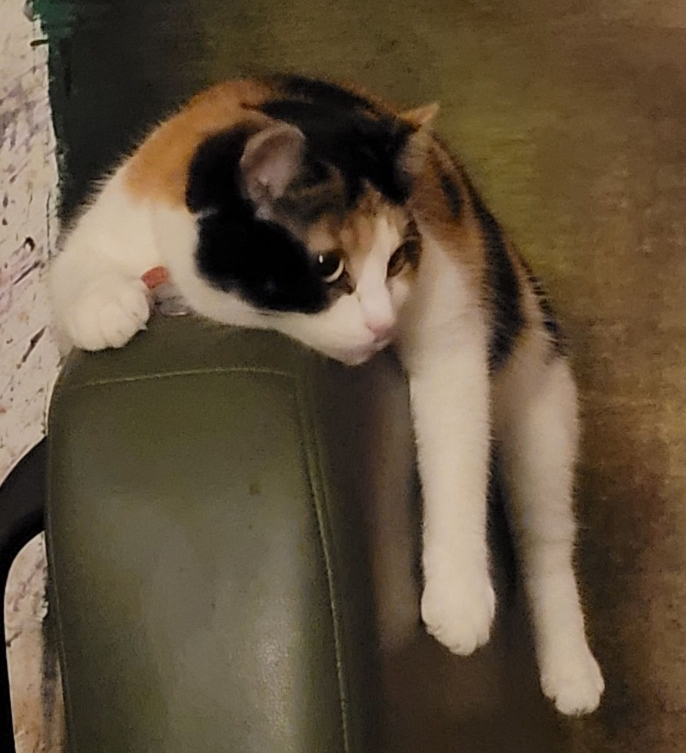
Cake is a free spirit.
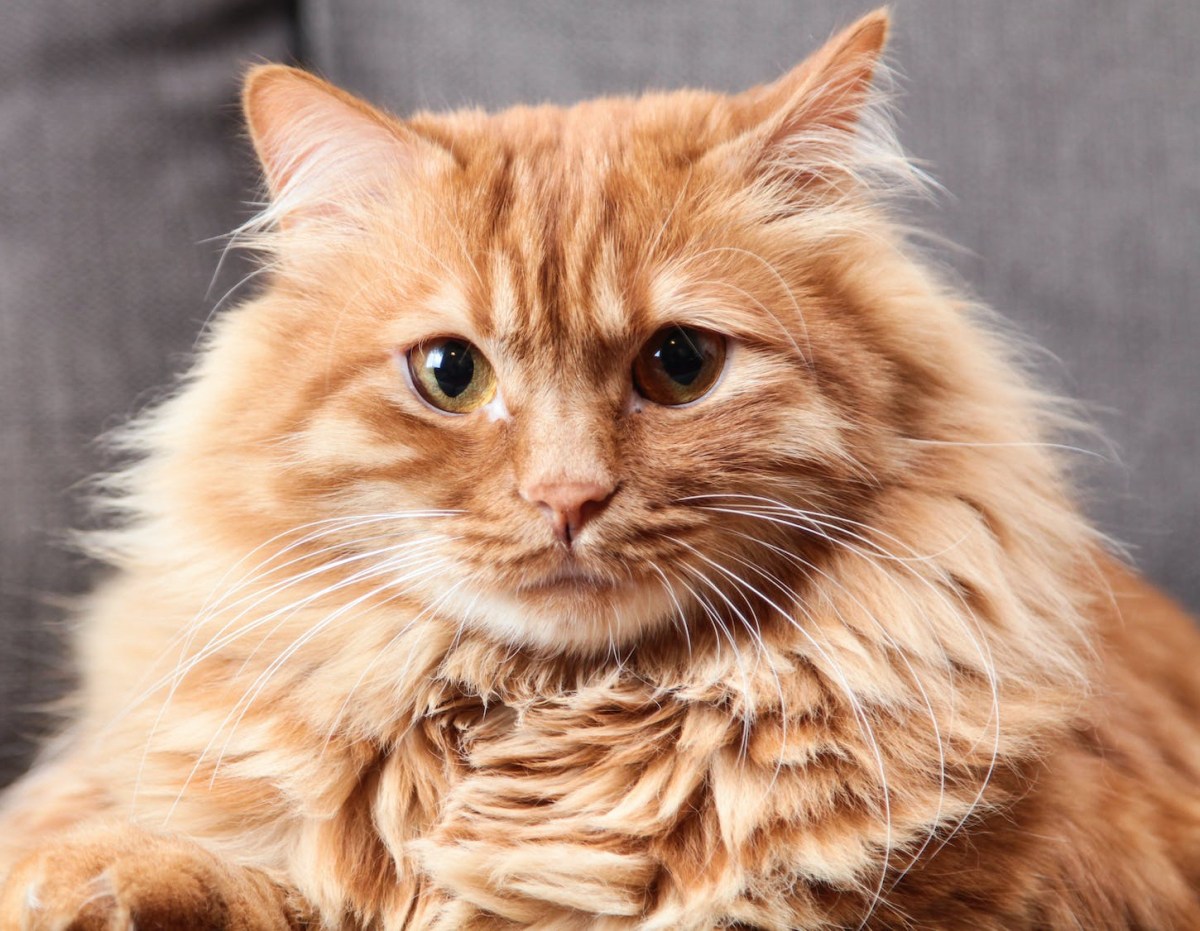
We didn’t have cats till moving to Oklahoma, but we did have a dog. So I already knew about dogs shedding. However, when our last dog passed away, the fur was almost non-existent in the house. That is until we got a bunny. Then, not long after, we got Sophie, our Aussie. That’s not to say Itty won’t shed; she just doesn’t as much as Cake, who has a fluffy coat. And Pickles might not have as much fur, though she’s a kitten. Thus, she’s transitioning to her adult coat. Consequently, she seems to shed as much as Sophie.
Cats can shed twice annually. In the spring they shed their winter coat. And in the fall, they shed to replace their fur in order to get their winter coat. Although, if you have an indoor cat, like me, you might not notice the shedding as much all at once. On the other hand, if you have long-haired cats or cats who have a lot of fluff, they tend to shed more than short-haired breeds.
Why do Cats Shed
Pickles when she was a little younger.
Similar to us shedding hair, cats primarily shed their fur to make room for new fur. It’s based on a cycle and daylight exposure. And many things can influence this cycle, including whether your cat is inside or out. Though, usually indoor cats will shed some throughout the year. Other reasons cats will shed their fur include
allergies
If your cat is suffering with allergies, excessive or abnormal shedding is one of the signs.
parasites
Fleas, ticks, and mites cause itchiness and inflammation, which then spurs your cat to scratch and scratch. And a lot of scratching will lead to shedding.
ringworm
Rather than an actual worm, this is a fungal infection that affects the hair and hair follicles. In addition, one of the first symptoms can be a bald spot on your cat’s body.
pregnancy
Both pregnancy and lactation can deprive cats of calcium and minerals necessary for their coat. And that can lead to shedding.
metabolic disorders
Damage to the thyroid or hypothyroidism can bring about a decline in hair follicles. Plus, kidney failure leads to hair loss, while diabetes causes dandruff, flaking, and unkempt fur.
poor diet
Lack of sufficient protein or inadequate food can cause shedding. If you’re a first time cat owner, ask your veterinarian what brand they recommend you feed your fur baby.
age
When a kitten is reaching adolescence, ~ 6 to 12 months old, they start to shed their baby fur. Moreover, coat quality changes as animals and people age. Fur and hair get thinner. Thus, for cats, shedding is likely the culprit.
and lastly stress
When cats experience a sudden fear response, like going to the veterinarian, quick shedding is a normal biological response. On the other hand, longterm or chronic stress can cause behavioral issues, such as over-grooming. And that leads to hair loss, such as bald spots.
As you can see, some of these causes of shedding are quite normal and nothing to be concerned about. However, some of them definitely merit a visit to the vet. Next, we’ll look at ways you can help your kitty when they’re shedding or to prevent it before it starts.
If the shedding is due to seasonal change (spring or fall) or their age, then try the following:
Get the appropriate tools
Short-haired cats need a fine-toothed flea comb, soft brush, grooming mittens, and a shedding tool. Long and medium-haired cats need a wide-toothed flea comb, longer brushes, and a shedding tool.
Use those tools regularly
Combing and brushing your cat several times per week and daily during seasonal changes will help in the long run. In fact, this is the #1 piece of advice anywhere. Also, this is best to start when cats are young. But, if you didn’t, it’s ok. Just offer positive reinforcement, and go slow. Also, definitely go slow when using the shedding tool. And don’t over-use!
Get your kitty professionally groomed
Some brave souls opt to bathe their own cats when shedding is at its worst. After a warm bath with cat-safe shampoo, comb and brush your fur baby till they’re dry. You’ll be surprised by all the fur!
Boost hydration
It’s not that your cat is to the point of dehydration. But cats are known to be picky when it comes to water and where it comes from. Thus, if you don’t change their water daily, have an automatic water dispenser, or a fountain, that could be contributing to their shedding.
Improve mealtime
Adding wet food containing seafood will do so much for your cat’s coat. I personally can vouch for that. When Itty came to us she had a dull, dry coat. However, it wasn’t until I started adding wet food to her diet that her coat got bright, shiny, and silky. Now that she’s an adult, she also spends the majority of her waking time grooming herself. And, as I mentioned, she rarely ever sheds, unless she’s stressed.
However, if shedding isn’t due to seasonal change or age, or if your cat is pregnant or has any bald spots, call your veterinarian. Your vet is better equipped to give you advice on what’s going on with your kitty. Anything from fleas and stress to age-related disorders or allergies can also cause shedding.
To Summarize
This is Itty.
Shedding is normal for cats, just as it is for dogs. However, parasites, ringworm, allergies, old-age, stress, and disease can also affect cats and ultimately their coats. Any time your cat is shedding excessively and you’re unsure of the reason, or if they have bald spots, it’s best to let their vet check them out.
Other than seasonal change, do you know why your cat sheds? How do you handle it? As I said, Itty is our only cat that doesn’t shed a lot, unless she’s stressed. And as far as stress, she’s been doing much better. Thank you for stopping by. Please share, and if you don’t already do so, you can follow me now.
There are two ways you can make this easy flank steak stir fry. Obviously the easiest way would be using only one pan. However, when I made this, it was still triple digits out. So, I didn’t want the house to get unbearable if I used the stove. Thus, I used our NuWave infrared oven to cook the steak, which is similar to an air fryer. That way my house wouldn’t get too hot. Then, when it was done, I heated the vegetables for a few minutes before adding the steak to the pan. Consequently, my stove was on for only ~ 5 minutes.
But, weather permitting, you want to save dishes, or your air fryer isn’t big enough for your steak, just cook it (steak) in ~ 2 tbsp of oil in a wok. And the rest of the steps are the same. Otherwise, just follow the recipe below.
Ingredients for Flank Steak Stir Fry
2 lb flank steak
32 oz package of stir fry vegetables (from refrigerated section of grocery store)
4 oz bottled teriyaki sauce (I used PF Chang’s Teriyaki sauce)
1 – 2 tbsp cooking oil
1/2 tsp salt
and 4 c cooked rice or noodles
Instructions for Stir Fry
First, spray nonstick cooking spray on grill pan.
Next, season meat evenly on both sides with salt.
Then cut steak in ~ 1 inch slices against the grain; and again, cut those slices into 1 x 3 inch slices.
Further, cook according to your air fryer’s instructions based on how well you want your meat done. For instance, for NuWave infrared oven, I cooked our steak 4 minutes per side for medium rare.
At halfway mark, flip steak over and cook additional time.
Next, add 1 – 2 tbsp oil in a wok or pan large enough for meat and vegetables. Heat to medium high.
Then add stir fry vegetables and cook ~ 4 minutes, tossing gently with tongs.
Incorporate meat and 4 oz of teriyaki sauce, and toss with tongs.
Finally, serve with cooked rice or noodles.
We love Asian food at our home. It’s healthy and full of flavor. Even though I enjoy authentic recipes, I appreciate the ease and convenience of modern cooking. Do you have a favorite Asian recipe?
Thank you for stopping by. Please share, and if you don’t follow me already, you can do so now.
When people consider animal intelligence, they probably imagine a dog, a chimpanzee, or a dolphin, but not usually cats. Cats are typically portrayed as uninterested, lazy, and snobby creatures. In medieval times they were even depicted as being associated with the devil. However they weren’t necessarily considered pea-brained. Though, who really knows, right? On the other hand, for fellow cat parents, you know something different. Your cat isn’t a dog, a chimp, or a dolphin, and certainly not demonic. Even if your cat is cunning, they’re still smart in your book. Join me as I attempt to answer the question, “How smart are domestic cats?”
Let’s look at the question for a minute. Who or what are we weighing cats against? Dogs? Humans? Stray cats or wild cats? It would be great to say definitively that domestic cats are smarter than dogs. Regardless, it’s just not that simple. Cats haven’t been studied as extensively as certain other species. At first, scientists spent all their time researching mice, rats, and pigeons. But then in the 1990s, dog cognition started to be studied. Some scientists attempted to study cats at the same time, though without much success. So it wasn’t until the past decade that any significant headway into feline research came about.
Before we can answer how smart cats are, it’s important to understand how intelligence is measured. Equally as relevant is how one defines cat intelligence. You’ll likely find different definitions. But basically they all amount to the same thing: Cat intelligence is a series of events that guide behavior, such as sensing, perceiving, recalling, and reasoning. Moreover, human intelligence can be measured by IQ tests, such as the Wechsler Adult Intelligence Scale, whereas most animal cognition tests involve
gauging an animal’s problem solving potential
An animal’s problem solving ability would be whether they can work with groups, use tools, etc.
measuring the size of an animal’s brain and complexity
Encephalization quotient (EQ) predicts cognition via comparing one animal’s brain to an animal of similar size.
evaluating the animal’s sense of self awareness
This type of test is called a mirror test. For instance, a spot or mark, like a red dot, is placed on the animal’s forehead. If the animal recognizes its own reflection, by touching its face, then the animal passes the test.
studying an animal’s self control and capability to act on new info
The self control or pointing test instructs an animal to anticipate food in a specific place. Then the location changes and the human points to a new spot. Domestic animals, like dogs, excel at these tests. And human babies pass these tests around age 1 year.
When writing this post, it became obvious that analyzing animal intelligence is ongoing and not simple to answer. As a result of being measured by human standards, those very studies are questioned by some people.
Comparing Cats to Humans
Digital Art, Courtesy of Sarah Smith
Believe it or not, cats have similarities to humans. If you’re a cat parent, you already sense this. And I’m not talking about character traits here. But seriously, humans and cats share 90% of the same DNA. With that in mind, the human brain contains ~86 billion neurons while a cat’s brain has ~ 1.2 billion. Also, the surface area of a cat’s cerebral cortex is 83 cm2️⃣ compared to 2400 cm2️⃣ in humans. And their cerebral cortices contain ~250 million nerve cells in contrast to our 16 billion. Since cats are smaller, it makes sense, right, because their brains are smaller than ours? However, intelligence isn’t all about brain size. In reality, it’s about number, size, and complexity of nerve cells.
Not only are cats 90% genetically similar to us, their smaller brains are also nearly90% identical to our own. A cat’s brain has a cerebrum, cerebellum, brainstem, 2 cerebral cortices, and surface folding, just like ours. Moreover, like a human brain, a cat’s is divided into areas. And each has a unique job to carry out. Plus, like ours, a cat’s brain is created to have good memory, both short-term and long-term. Though, a cat’s brain takes up only ~ 0.9% of their body mass in comparison to ~ 2% in the average human.
Traits of a Socially Smart Domestic Cat
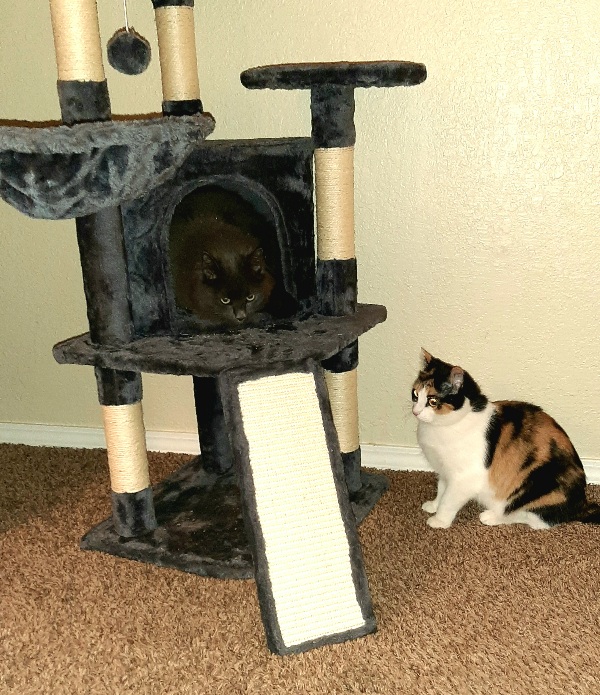
Just a month ago before Itty and Pickles made friends.
Recently social intelligence has been the most common subgroup to be studied. Additionally, there are some basic features socially smart cats possess, including
Simply put, associative learning for animals is the process by which an animal connects (or associates) stimuli with certain behavior. For example, my cat, Itty, knows that if she scratches my mattress (the stimulus) every night, I’ll wake up to feed her (the behavior). She memorized her particular action produced my reaction of rewards. (And now I’m stuck waking up in the middle of the night each night.)
social referencing
Social referencing tests whether a cat will pick up on their owner’s emotional cues regarding certain things. Not long ago I wrote a post on Itty being stressed. However, now I believe she was reflecting what I was feeling about my new work schedule. Moreover, I think I contributed to her anxiety with Pickles, our new cat. And she doesn’t like being around certain people based on how I think she feels around them.
secure attachment style
Cats, like dogs and humans, have attachment styles. While humans have 4 attachment styles, cats only have 2, and dogs 3. Additionally, a cat will have either a secure or insecure attachment style. And a secure attachment style is associated with emotional intelligence. Plus, research has found that cats are more securely attached to their people than not.
staying responsive to human cues
These type of tests can involve pointing, following an owner’s gaze, and responding to their owner’s voice as well.
There are many examples of people who’ve trained their cats. Every cat has their own personality. While one may be a piece of cake to train, another might not be as easy.
Should We Compare Cat IQ
This was a few years ago, and they both wanted to be in the room with us.
When studying for this post, several websites claimed that many animal behaviorists thought cats had the same intelligence as a 2 year old human child. However, every single website failed to mention which study or animal behaviorist did the research substantiating those claims. On the contrary, the few verifiable sites and scientists who’ve actually studied cats never mentioned human ages. And very few compared cat intelligence to any other animal. In addition, it’s important not to compare a cat’s intelligence to that of really any other species, given that a cat is still a cat, rather than a dog, a human, or any other animal. Cats excel at hunting while dogs work great with groups. We all have our different strengths, what we were essentially built for. Thus, when evaluating a domestic cat’s intelligence, it should only be analyzed against another domestic cat.
At our house we have 3 different domestic cats: a 4 month old tuxedo kitten, an adult calico cat, and an adult Russian Blue cat. And they all have distinct levels of brainpower and energy. However, the cats with more energy appear smarter, at first glance, than the one with less energy. If we go by some of the tests found on the internet, the less energetic cat would hardly pass any of them. Though I’m hesitant to say the more relaxed cat is deficient in the brains category. She just might not care enough about that particular thing at any given moment. Or perhaps she’s not sufficiently motivated to give a crap.
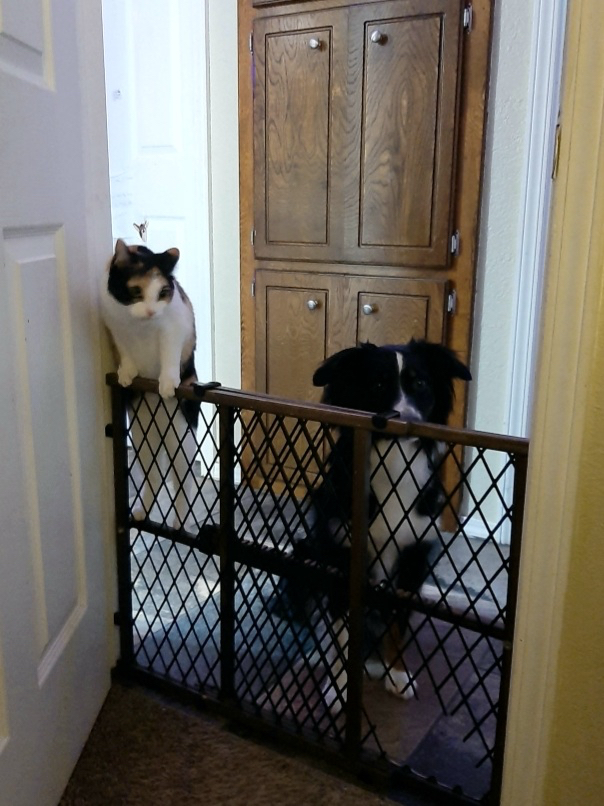
Then take Sophie, our Aussie, who not only is known for her mega energy needs, but is also highly intelligent. Not every family or person out there is like us, I’m aware. Most people are in the great divide: dog people or cat people. Instead we have the benefit of observing several species of animals on our property. And I can tell you that both Sophie and Itty have my morning routine down to a T. While one of them is up my butt, barking to hurry me, the other one is quietly watching and anxiously waiting to see when I’ll be ready to take them outside. Both of them know just before I take them out, I put my shoes on, make my tea, and then I put my sunglasses on. Even though Itty and Sophie are completely different creatures, they share the same expectant look in their eyes.
How Smart are Domestic Cats: Through the Eyes of History
Photo by Miguel u00c1. Padriu00f1u00e1n on Pexels.com
If you Google how smart are domestic cats, your browser will inevitably display a contrast between dog and cat intelligence. Plus, ways dogs have joined humans in the workforce throughout history are usually listed as well. Conversely, the same cannot be said for felines. Alternatively, you just need to go about your search in a different manner. Despite people in the Middle Ages having both bad and very wrong associations about cats, the rest of history casts a favorable light on these cute furballs. Besides being excellent mousers, other jobs cats have held include
pest control for snakes, rats, mice, etc, and companions in Egypt thousands of years ago. And when cats died, their owners mummified their cats and dressed them in jewels to signify the owners’ status.
mascots and companions to Roman soldiers in 5th century BCE.
custodians of precious books and manuscripts in Buddhist temples starting around the mid 6th century CE. Then cats began to symbolize good luck and fortune dating back to the 17th century with the creation of Maneki-neko, “beckoning cat”.
war heroes, such as Crimean Tom during the Crimean War (1854). Plus, 500,000 cats were deployed during WWI (1914-1918). Also, Simon throughout the Chinese Civil War (1949).
and lastly therapists. Actually, it’s cat therapy, like pet therapy. So, whether for first responders, soldiers overseas, or patients, cats have proven to comfort those in need.
But How to Test Cat Smarts
Digital art, courtesy of Sarah Smith
If you have one or more cats, and you’re interested in assessing their brainpower, there are some simple tests you can try. However, you may have observed some giftedness in your pets before now. Some of the studies that Vitale and others have done with cats, I’ve observed with Itty. I’ve already mentioned Itty taking cues from my emotions (social referencing), memory, associative learning, pointing and following my gaze. But Itty also has distinct meows for different things she wants. And she makes sure I follow her to help her out with whatever she needs, like going outside or getting past the dog unmolested, which, to me, indicates problem solving. Although, I had no idea any of those things categorically had to do with smarts until researching cat intelligence.
I won’t include any cat intelligence tests on this post, because I feel there are too many factors involved. And the intelligence tests that I’ve seen aren’t really able to capture how intelligent one cat is. For instance, anything that has to do with toys, Itty isn’t interested in. Ever since she was spayed, her energy levels plummeted. So playtime isn’t her thing anymore. Also, she looks like she can’t imagine the toy being prey. She’ll look from the toy to the string up to the wand to my arm and hand. But, if we go outside, she’s a different cat. She’ll chase birds and bugs to her heart’s content. However I will post a link to a test. Don’t worry if your cat doesn’t do so well, especially if you’ve observed your cat being super brainy. Just remember, cats are really quite smart. It’s just tough to test them.
How Smart are Domestic Cats
Cake playing a board game.
The intelligence of domestic cats has been compared to dogs and human children countless times. But since intelligence for each species is unique, it isn’t something that really should be compared cross-species. Every species excels at something peculiar to them. Also, cats haven’t been studied as much, because they haven’t been bred for as long as dogs. That means they’ve retained their wild nature. Moreover, there are tests you can use to measure your pet’s intelligence. Though, observing their behavior is much easier, if you have the time. But no matter how their intelligence rates, remember to love your pets.
Do you have a super smart cat? How do you know they’re brainy? I’d love to hear your stories. Thank you for stopping by! Please like, share, and if you don’t already follow, please do so now.
Any time we hatch a new chick, duckling, or keet, or maybe get a new cat, fur and feathers get ruffled. No matter the steps and how long we take to introduce a new pet, some type of aggression ensues. And at times it feels like it won’t end. Further, the aggression that occurs at my home is typically intraspecies, which is the same species ganging up on each other. Though, I know others have interspecies aggression. So, I wanted to explore bullying in the animal kingdom.
According to Oxford dictionary, one definition of bully is a person who uses their strength or power to frighten or hurt weaker people. But the legal system doesn’t consider non-human animals as legal persons. Thus, according to the law, backyard birds, dogs, cats, etc are not people. Therefore, our pets can’t be regarded as bullies from these parameters, even though their behavior screams bullying to us.
Nevertheless, if you Google pet bullying, you’ll doubtless find endless examples of exactly this, no matter what the law may say. As a result, it’s apparently quite common among pet parents and animal behaviorists alike to see bullying activity. What is it exactly about these behaviors that look like bullying? Is it normal, and does it serve a purpose. How can we help inter and intraspecies relationships? And do we humans behave the same way?
Why Animals Bully Each Other
A couple of years ago I wrote an article on the chicken pecking order. Even if the term was originally in reference to chickens, most, if not all, animals observe some sort of dominance hierarchy. In biology, dominance hierarchy is basically a ranking system in animal groups. Some animals are more dominant, like the alpha, whereas others are more submissive. Consequently, dominance is one of the major reasons animals bully each other. The dominant animal is effectively trying to reinforce their class system or hierarchy.
For instance, if you follow me on Facebook or Instagram, you might know we have a new kitten named Pickles. Initially my cat, Itty, did NOT like Pickles. At all. And I know why. Pickles is ~ 4 months old, eats Itty’s food, goes into Itty’s room, chases Itty, gets on Itty’s bed, and sits on Itty’s chair. Basically Pickles does NOT respect the hierarchy.
On the other hand, when Itty first came to live with us at 5 weeks old, Cake and Meow Meow, our then resident cats, laid the law down for her. And Itty respected them and the law. Even though Meow is no longer with us, Itty still respects Cake, because she knows her place. However, at the same time, Itty knows she herself is a princess. Pickles is a bottom feeder and should be licking Itty’s paws. But Pickles doesn’t seem to know her kitty place. It appears she doesn’t care about hierarchy; she just does what she does. Moreover, she’s certainly not submissive, and it was annoying the hell out of my cat. So, on various occasions I’d hear noises that sounded like cats killing each other. Thankfully they weren’t actually killing each other. Although, it was Itty, cursing Pickles in meows and caterwauling.
Besides dominance, other reasons animals bully each other include
mating
Several examples of bullying-type behavior exist in the animal kingdom concerning females during mating. For example, male on female bullying during mating. Or it can happen with any other members of the same species just because it’s mating season. Ducks are a prime example of this. Our first drake killed a female due to his crazy hormones during mating season.
boredom
Some animals appear to pick on other animals if they’re stuck together for a bit of time. Think chickens cooped up during inclement weather for days upon days with nothing to occupy them. Alternatively, picture any smart, high energy dog with nothing to do, locked in a small room (or house) with a small, scared pet. An animal in either or both of these situations will pick on or bully another when they have nothing to do, or any way to expend their energy.
illness/injury
Chickens mercilessly abuse sick and injured birds. But there could be cases where an ill, injured, or hurting animal lashes out at other animals. For instance, dogs have been known to attack sick or hurt dogs. And they can also attack if they are sick or injured themselves.
resourceguarding
I’ve mentioned resource guarding before. And generally, bullying in regards to this could be for space, food, water, breeding, etc. An animal is just claiming all of the above as their own, thus, picking on anyone who transgresses.
inadequate early socialization
A lack of early socialization, at least for dogs and cats, can easily turn playtime into a fight.
space/territory
Many animals will attack and pick on other animals, including members of the same species, if there isn’t enough space for everyone.
and stress
Our pets are sensitive to us and their environments. And all of them seem to love routines. (Kinda like us.) Therefore, any changes to their routines can lead to aggression. Be it change in feed, living arrangements, friends, family, schedules, and/or adding or subtracting any other pets all have an effect on them. Not to mention possible life or death situations they may face themselves.
What Does Bullying Look Like in the Animal Kingdom
Now I’ll go through some of the pets I have, and find out what picking on each other might look like in dogs, cats, and chickens.
Signs of Dog Bullying
Being overly pushy with other dogsor with the cats. For example, a bullying dog pushes other dogs out of the way. Or, like at our house, your dog might push the cats or other pets out of the way when they want attention instead of letting anyone else have any.
Doesn’t follow commands once very excited
Playing rough or harassing non-consenting dogs and/or cats
Disrespecting boundaries of other dogs, people, and/or cats
Growling, nipping, biting, and pinning playmates to the ground
Steals food, treats, and/or toys
Ignores signals from other dogs and/or cats
Pesters dogs and/or cats who don’t want to play
“All in your face”
Puts paws on head or shoulders of other dogs most often
and Engages in mounting behavior
Symptoms Your Dog is Bullied
Tucking tail between their legs
Yawning or licking their lips
Hiding or avoiding other dogs
Rolling over in submissive manner
Barking while backing away from another dog
Urinating in inappropriate places/indoors
Your dog is always being chased by another dog but never the one doing the chasing
Always getting mounted
and Getting food, water, and toys stolen
Cat Bullying Signs
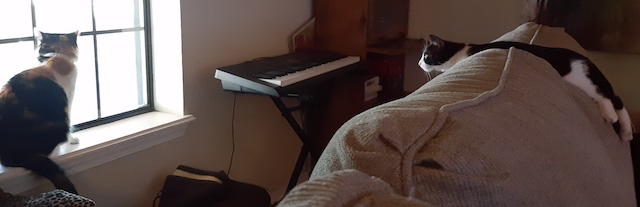
Pickles is on the right, just staring at Itty while she looks out the window.
Either passive or overt
Denies access to resources: food and water, litter box, toys, and owners
Blocks access to the best sun spots
Body language of bully: Never backing away, staring, stalking, and emitting low growl when other cat gets close
Lowers head while raising hind end as it approaches other cat
and Pinning the victim to the ground
By contrast, the bullied cat may spend most of the time hiding or away from the family. They also avoid eye contact with their bully and surrender resources to them. In addition, they might crouch in ambush, but then run off when their bully shows up. Furthermore, they’ll have a puffed out tail, flat ears, and hiss as well, especially if their bully gets too close. This is also how a cat reacts to their dog bully.
Chicken Bullying Evidence
This is a picture of Ratchet, a Salmon Faverolle we had around 4 years ago.
Chickens missing feathers
Other chickens pecking at the bullied chicken, removing feathers, and keeping that one from food
Scared chickensor scared ducks
Rooster mounting behaviortoward other species
and Injured chickens
With cats and dogs you might not be sure if they’re playing or being a bully. However, you’ll know in your gut whether or not they’re playing based on the reaction of the other pet. If your cat or dog is bullying, the victim will hide, act scared, or simply not want to be around your bullying pet. But, if it’s simply play, then everyone will enjoy the experience. And they’ll hang out and cuddle together. Trust me, you’ll just know. In addition, according to this article from Care.com, if one cat starts the aggressive act more, and there’s growling and hissing, then in all probability it’s fighting. Basically it’s similar to one dog always doing the chasing while the other is being chased.
On the other hand, chickens are different. No chicken enjoys being pecked or having aggressive acts directed at them. Those birds will either just walk away. Or, if they’re a victim of actual bullying, they will hide. Chickens peck each other, particularly those higher up in the hierarchy, though it doesn’t necessarily mean they’re bullying. They’re just reenforcing their pecking order. And sometimes they’re constantly reenforcing it. Take, for example, the 4 different generations of roosters we have: we have the boss, Megatron, Ravage, the 2nd oldest, Mystogan, his younger brother, and now we have a juvenile roo. Megs runs a tight ship keeping all of those boys in their places. In similar manner, Ravage keeps Mystogan in his place while Mystogan pecks at and runs after the juvenile. And the juvenile roo harries all the other babies. It looks like bullying, but it isn’t really. Since none of the antagonists continue to harass the others, it’s just normal chicken pecking and enforcing of their hierarchy.
Now you may be scratching your head on theroostermounting behavior one. That’s what Ravage did when we had over 10 roos in our flock at one time. He mounted Squirt, the drake. At first I was wondering if he was actually trying to mate with the drake. But then I figured he didn’t have his spurs yet. So he had to be exerting some sort of dominance out of frustration for space issues and females. Well, after we slaughtered the extra roos, Ravage calmed down. Although, the drake still gives Ravage a wide berth. And the roo now has started mounting Bakugo, our Pekin. Though, I’m not sure if he’s trying to mate her due to stupidity, or if he’s still acting out of dominance.
Stopping a Bully Dog at Home
If, after getting this far, you realize, like me, that your dog could be a bully, don’t worry, because there are solutions. Trust me, I know what you’re thinking. At first, you didn’t want to admit your dog might be mean and pick on anyone else. But then, the more you thought about it, the more you just couldn’t ignore the signs. Although, the first thing to do for your bullying dog is to spay or neuter them if they’re still intact, which Sophie most definitely is. (Her surgery is scheduled for September.) Aside from fixing your dog, you can
put the bully in time-out
With a negative marker before bullying gets too far, your dog will eventually make the connection between what they’re doing and why they’re in time-out. For instance, when you want your dog to do something else, use a word or sound, like the word no.
be picky about who your bully plays with
Choose dogs to hang out with your dog that can handle and actually enjoy your dog and their pushy behavior.
intervene as necessary
Using positive interrupters before any bullying occurs, this will replace time-outs when your dog is learning better behavior. A positive marker would be something like the word yes.
find a trainer with a really good, patient teaching dog
This type of dog can put up with your dog and effectively communicate with them.
teach impulse control in the house
For example, if you’re paying attention to one pet in your house, and your bully pushes in between, ignore the bully and move away. Don’t reinforce bullying behaviors with attention. Rather train your bully dog to sit and wait his turn. And do the same with treats. But reward your non-bully pet with treats first, assuming they’re not a resource guarder.
and make sure exercise and mental stimulation demands are met
I truly think that’s what’s going on with Sophie. She requires so much due to her breed, that she gets bored at times, especially if it’s been rainy or extremely hot that we forego our outside fun. But if she does get exercised, she really does do better with the cats.
Curbing the Cat Bully
Just as with dogs, the first and best way to put an end to the bullying cat is to spay and neuter the offender, if they’re still intact. However, if they’re already fixed, try the following:
Don’t assume cats will work it out
They won’t, because they’re not people. Cats will continue to fight if they perceive a threat to their resources. But don’t get in the middle of their fight either. You don’t want to get hurt. Rather, the best option is to make a loud noise to distract them.
Also, don’t separate the resources
Instead of separating all of the resources, see where the cats prefer to congregate. Then make sure there are plenty of resources for all of them. That way the bully has a choice and won’t feel threatened.
Make playtime the same time everyday
Because cats are so schedule-oriented, keep playtime on a schedule as well.
Play at least 15 minutes with each cat per day
Further, cats get bored easily, so be sure to cycle through the toys. And the more you can play with each cat, the better.
Get pheromone diffusers for every room the cats spend together in
I asked our vet about the issue the cats were having, and he recommended the diffusers.
If there’s still bullying, see the veterinarian
Your cat might have a health issue that the vet can rule out. Or they can refer you to a pet behaviorist to help out.
Re-introduce cats that need to be separate
If cats are at-risk of hurting each other, separating for short-term is a good idea. Flying fur, bloodshed, or urine are all signs a cat’s in danger. And if it’s occurring every time the cats see each other, they need to be separated. And then re-introduce them as if they never met. Jackson Galaxy recommends re-introducing fighting cats with food. You can find the article here.
Ending Chicken Bullying
This box serves as a time-out and broody box, depending on the situation.
Unlike cats and dogs, chickens don’t get spayed or neutered. Though, you can
make sure your chickens have enough space
Inside the coop, each chicken needs approximately 4 sq ft, while they need around 10 sq ft each in the run. But that’s assuming they stay cooped up all the time. If they get to go out, they can have 5-10 sq ft each in the run.
have the proper ratio of hens to roos
If you have roosters, be sure to have at least 10 hens per rooster. Otherwise, as I’ve pointed out elsewhere, the roosters will tear up the hens’ backs.
provide enough feed and water stations
I can’t tell you how many feed and watering areas I have. It seems like each bird wants her own, the prima donnas.
and if bullying continues, separate the bully for a couple of days
Since their pecking order is all important to them, you want to separate the bully from the flock for a few days. Once the bully is back with the group, sometimes they have to re-establish the pecking order. Thus, it’s better for the bullied hen or roo.
In order to have a comparison with the previous sections, the last animal I’m going to cover is the human child. Therefore, some signs a child is bullied include
bruises, cuts, and scratches
torn clothes
missing property
poor eating or sleeping
bed wetting
complaints of headaches or stomachaches
changes in the child’s mood: sad, anxious, upset, unhappy, or angry
spending time alone or doesn’t want to go out or to school
having trouble with schoolwork
and/or withdrawn
As you can see from the bullied human indicators, they reflect a combination of all of the bullied animal signs. However, reasons people bully aren’t exactly the same as animal bullying. According to a study by Ditch the Label, people are more likely to bully if they’ve suffered stress and trauma. To me that sounded like cats and chickens. If they perceive their resources are threatened, they’ll fight and generally have conflict. Additionally, according to the same study, 66% were male.
Compared to my pet household, which are mostly female, it doesn’t track. But, in the wild animal kingdom, bullying is more male dominant. Further, I didn’t include guineas in this post, which are true bullies in the yard. Every single male guinea is a bully for no reason that I can fathom, irrespective of species. Plus, it can’t have anything to do with the pecking order, given that chickens, ducks, and guineas aren’t the same species. And they don’t interact with each other, except when the male guinea attacks the other species.
In Summary
Maybe bullying serves a purpose in the animal kingdom, particularly in the wild. Nevertheless, living as we do with our pets, often in close proximity, we can’t afford to just let them be. Since allowing them to figure it out would be risking them injury. Regardless of our personal feelings toward animals, that would be costly at the very best, and inhumane at the worst. Consequently, it’s in everyone’s best interest to find out quickly why a pet is getting picked on and remedy it.
I’m happy to report that Itty and Pickles never had any bloodshed with their differences. They would both take turns chasing each other. Though there would be growling, screaming, and hissing. Itty would puff up so big to warn Pickles, who just ignored her signals. Moreover, they would both smack each other. However, their claws were evidently sheathed, since no one got injured. Regardless, currently they’re having less noisy days than before. They still chase each other, but it resembles play now more than ever. We got pheromone diffusers, gave equal attention to both of them, and rewarded play time.
Do you have any experiences where one pet bullies another one? How did you handle it?
Thanks for stopping by! Please share, and if you don’t follow me already, you can do so now.
I think we were living in Oklahoma when the term zoomies gained popularity. Though, according to Dictionary.com, the word was in use in the early 2000s. That was when I was first married, and we had two different dogs at the time. But it’s likely my family wasn’t using it then. It was only after we got Sophie and Itty that zoomies became a regular household word for us. So, today I’ll explain what it is exactly. And we’ll look at why dogs get the zoomies.
First, What are Zoomies
Zoomies is a slang term for a sudden burst of hyperactivity by a dog, cat, or other animal, such as rapidly running back and forth . . .
Technically speaking, your dog’s behavior is frenetic random activity periods, or FRAPs for short. And FRAPs are a completely natural release of bottled up energy. Plus, they typically only last for a few minutes.
Signs of Dog Zoomies
FRAPs are normal and usually indicate one heck of an excited and happy dog. Moreover, you can easily spot the differences between the zoomies and anything but the zoomies. The following signs suggest your dog definitely is FRAPping.
Repetitive behavior like running around in circles
Taking laps around the yard
Or circling around inside the house
Vigorously shaking a toy
Chasing tails
They can be contagious
And your dogcan’t seem to hear you when you give them commands
Why Dogs Get the Zoomies
As I’ve mentioned, zoomies are a common and natural way for dogs to let out some built up energy. Additionally, it can relieve stress. Although, some other reasons dogs get the zoomies include
age
Puppies and younger dogs are more likely to have FRAPs than older dogs. Though, FRAPs can occur at any age. Also, puppies have more energy to burn, while older dogs’ zoomies won’t be as intense or last as long.
breed
Hyper-energy breeds like Aussies may get the zoomies more often than other breeds, since they’re specifically bred to work. Therefore, if you have one of those high energy breeds that aren’t getting a enough work, then your dog just might get more zoomies. That could be the reason we never witnessed this phenomenon in any of our dogs before Sophie.
When do Zoomies Occur
Since zoomies, or FRAPs, are a way for pups to release suppressed energy, they can happen
first thing in the morning
or in the evening, if your fur baby has been restricted to a crate or hasn’t been walked
just before bedtime
after a grooming or bathing session
following a meal
during training
subsequent to a veterinarian visit
or when your pooch is excited, like when they see you, or they’re playing, eating, or even training
How to Keep Dog Zoomies Safe
When your pooch is in the zoomies zone, they’re in their own world. And it’s like they can’t hear you. Or they choose not to, because they’re finally expending all that energy. That said, if you have a high-energy breed, the safest way for them to zoom is in a fenced yard. Then they can zoom to their (and your) heart’s delight without any worries. However, you can also keep them confined to a room, until the FRAPs pass, where they won’t get hurt.
Even though FRAP is normal, constant zoomies is not. According to the AKC, it could mean a behavior issue. Moreover, if you have one of the high energy breeds, your dog may be trying to tell you something. You’ll recall we have an almost 3 year old Aussie we relieved from a much older couple. We know she demands activity. So, I try to play with her twice a day, throwing tennis balls for her to catch. Plus, my husband and daughter play with her too. Though, she still FRAPs a few times a week.
Takeaway
When they help your fur baby release pent-up energy, the zoomies are perfectly normal and harmless. And how often your pooch gets them relates to breed and age. But, if your pup is having the zoomies around the clock, they may need more mental and physical stimulation. Get your pup puzzle feeders and include more playtime. However, keep a log about your dog’s zoomies, what they’re like, when they have them, and how often, etc. And as always, if you’re concerned about your pet, contact your veterinarian.
How often does your dog get the zoomies? And what precipitates the release of energy?
Thank you for visiting my blog. Please feel free to share. And if you don’t follow me already, please do so now.
Baked salmon with miso is a very simple yet delicious recipe that I found in a local health store magazine over 10 years ago. The recipe calls for baking it in the oven, but you can also cook it in an air fryer. Just adjust the temperature to 400° and cook for 10 minutes.
Baked Salmon with Miso Ingredients:
2.5 lbs wild salmon in 4-6 oz portions
2 tbsp each dijon mustard, stone ground mustard, and lemon juice
1/4 c each honey and brown rice miso
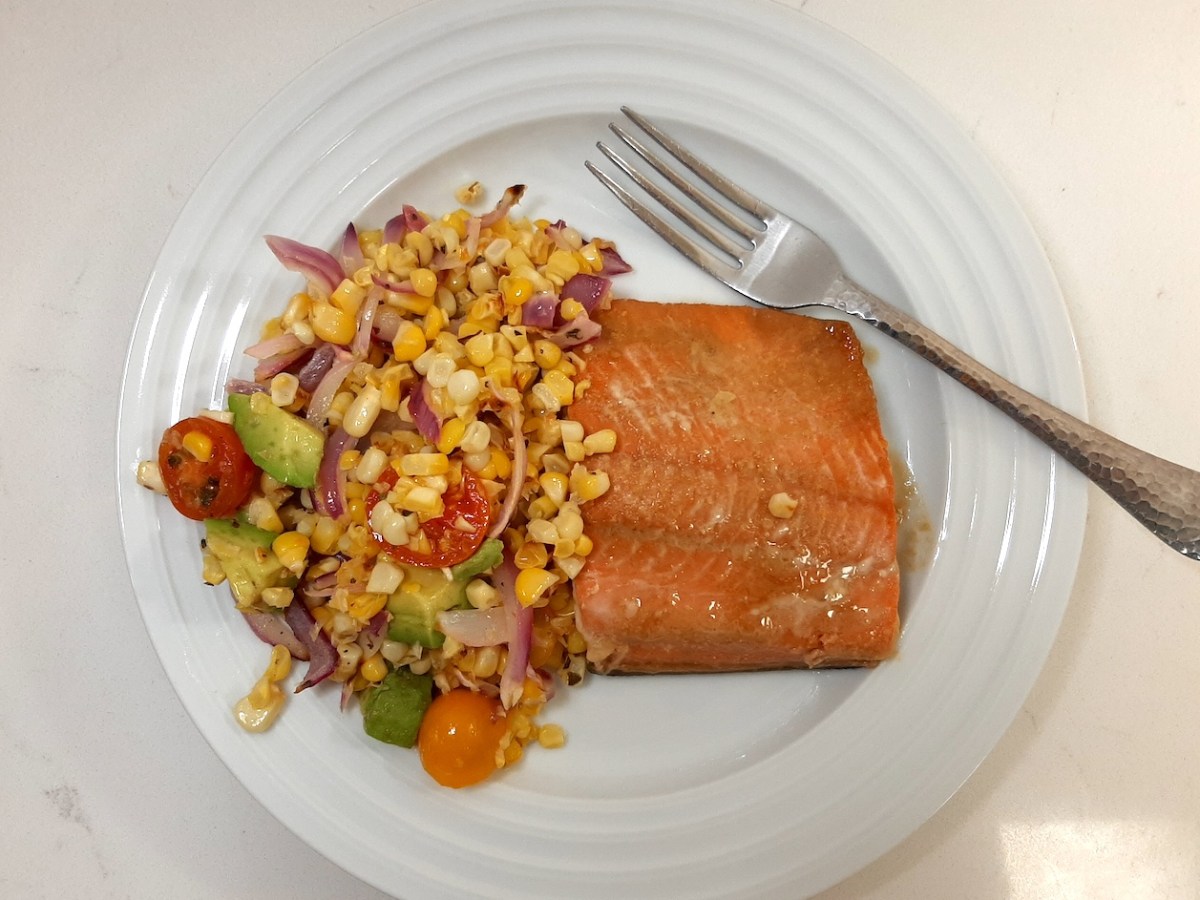
An instant read thermometer inserted into the thickest part of the salmon should read 145°. However, if you don’t have a thermometer, the fish should be flaky, and opaque pink like in the pictures below. The first photo is prior to baking while the second is after the fish is cooked.
Instructions for Baked Salmon with Miso:
Preheat oven to 450°.
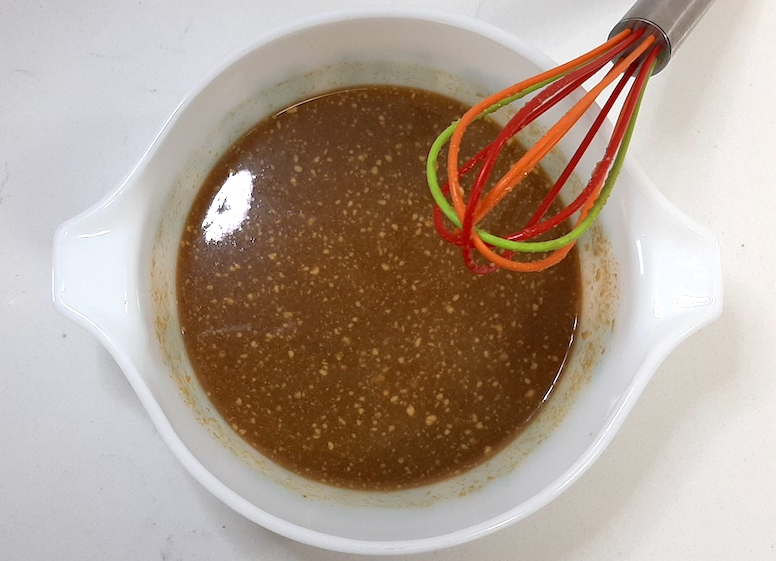
Next, combine remaining ingredients and whisk till smooth. Then place salmon in a baking dish and coat till smooth with sauce.
And bake salmon skin-side down for 15-20 minutes uncovered until cooked through and flaky. Glaze should be golden brown on top.
Alternatively, you can get a 1 lb salmon fillet, if you’re serving less people. And then cut the rest of the ingredients in half.
How do you cook salmon? And how do you prepare it? Please let me know if you made this. Thanks for stopping by. Please share, and if you don’t already follow me, you can do so now.
Over the past decade, ducks have gained popularity from the farm to the backyard. Some of them can compete with chickens for egg laying, while others are as good as guineas at pest control. Further, a few even make great pets. Given there are over 100 plus species of ducks, you might have wondered what are the friendliest ducks. Therefore, I’ve narrowed down a list of the 5 friendliest ducks around.
Ducks are classified into 3 groups, dabbling, diving, and perching, due to their distinguishing behaviors. But then, the American Poultry Association (APA) recognizes 17 duck breeds. Moreover, they further categorize ducks into classes: heavy, medium, lightweight, and bantam.
Generally, heavyweight ducks make better meat ducks. However, some can be dual purpose for both meat and eggs. And according to the APA, all duck breeds can be used for exhibition, which brings me to the bantam duck. These are small duck breeds that are primarily kept as pets or for exhibition. Medium and lightweight breeds can be a mixture of exhibition ducks, egg or meat production, or dual purpose. Or they can include all of the above. Continue reading for the friendliest ducks.
Friendliest Ducks
Call duck
The Call duck is thought to have originated in The Netherlands. And they were first used as decoys to lure wild ducks into traps. However, that practice is now banned. The females are very noisy, not unlike most female ducks. But, being bantams, they don’t get bigger than 2 lbs! Since they come in many varieties, they also look similar to regular ducks. So, usually they are kept as show ducks or pets. Also, they have the sweetest disposition, thus, they’re good with kids. Though, they tend to go broody. And if you’re not careful, they can fly away. Also, you’ve heard of cat cafes. But have you heard of Call duck cafes? They’re evidently all the rage in China.
The Cayuga is an American breed of domestic duck that was the primary duck meat for the US until 1840. Even though people typically keep them for ornament, Cayuga lay ~100-150 eggs annually. And they can be considered a dual purpose duck, since they’re a medium to heavyweight breed. Also, their eggs start out dark to black, but by the end of the laying season, they are lighter. Additionally, this breed will go broody. But they are considered calm and friendly. And if they’re handled well when ducklings, they can be tamed.
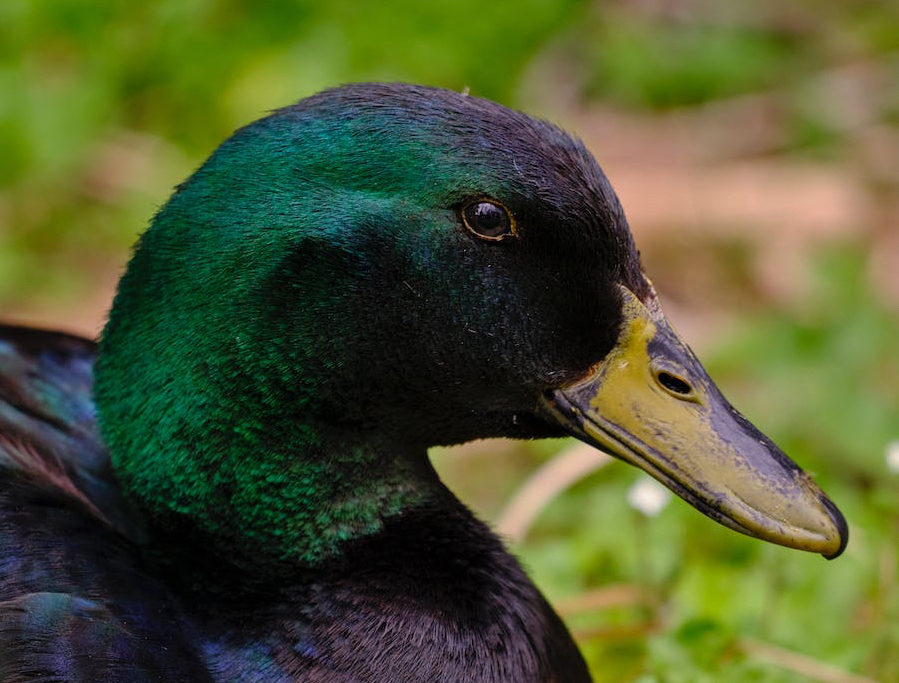
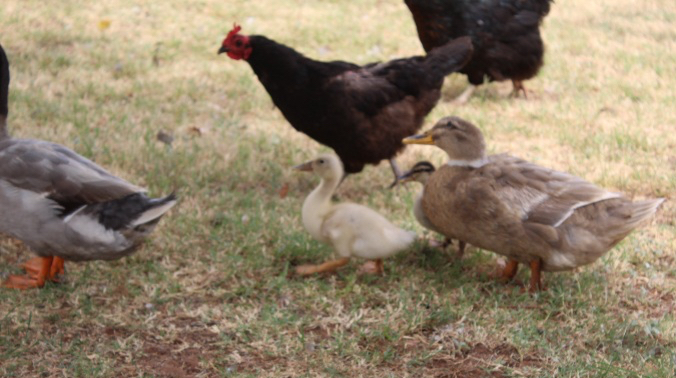
With the exception of the Muscovy, most domestic ducks descended from the Mallard. Hence, some people refer to the Mallard as the mother of all ducks. Since this duck breeds so prolifically with many domestic ducks, the mallard is considered invasive. As such, there are more than 80 Mallard varieties. In addition, Mallard ducks are medium weight ducks that lay about 140-150 eggs yearly. And they definitely can go broody. They’re great foragers, and tend to do more of that than eating feed. Plus, they will fly if they decide to. Therefore, if a Mallard duck hatches ducklings, they might just take their young and go, like ours did. Also, they might not be the biggest duck out there, however, they sure can be bossy. When our full Mallard duck, Aizawa, was around, she was definitely the matriarch of the ducks. Though, now her son, Squirt, a Pekin/Mallard mix is the drake of the bunch.
Pekin
This is our most senior duck, Bakugo. And she’s also the friendliest so far.
The Pekin is an American domestic breed that replaced the Cayuga for meat production in the 19th century. Additionally, they’re a heavyweight breed for dual purpose. Plus, some people just like Pekins for pets. They lay about 150 eggs annually. And they don’t tend to go broody. Pekins are good at foraging too. Plus, if you have leftover greens, or something you’re tossing from your garden, Pekins are the ducks for the job. They love greens, and they’ll work hard at whatever you give them. Moreover, they usually have a sweet, calm, and easygoing disposition. Bakugo, our Pekin, gets along with all the other birds in our backyard.
Welsh Harlequin
This domestic duck breed was developed in Wales by Leslie Bonnet from 2 lighter colored Khaki Campbells in the mid 20th century. Despite being a lightweight breed, they’re still considered dual purpose. Also, if you can keep them from going broody, they can produce ~ 200 eggs yearly. In addition, this breed is noted for being exceptionally calm, and a good breed for children learning about ducks. And they get attached to their humans as well. While most ducks are very noisy, the Welsh Harlequin is basically a quiet breed. Though these ducks obviously will quack when they lay eggs. And they’re louder than Muscovies. But according to several sources, most birds are.
There are many more ducks that could be included on this list, like the Khaki Campbell, Rouen, and Indian Runner. Because, just like chickens, they have their own personalities. And like chicken TV, ducks are fun to watch too.
To Summarize
Regardless of whether you’re a newbie, hobbyist, or veteran duck parent, and no matter which breed you pick, ducks are a great option to add to your backyard. Given there are so many choices out there, you’re bound to find one perfect for your home.
And ducks are easy to raise, so long as you provide fresh food, clean water to drink and bathe in, and plenty of greens. But don’t forget, they love to forage for bugs. Further, if you already have chickens, not to worry, because chickens and ducks usually get along just fine.
If you have ducks, which kind do you have? And do you have a favorite breed?
Once again, thanks for taking the time to read this post. Please share. And if you don’t follow me already, you can do so now.
My mother-in-law shared this easy coconut poke cake recipe with me several years ago. And since it was so simple, it’s stuck with me. There are different ways you can prepare this. But I don’t enjoy super sweet treats, so this one is toned down. Though, you can change it if you prefer. The coconut milk is on the baking aisle, and it’s unsweetened. Furthermore, I used less coconut milk than in the past, because my coconut cakes would be soggier than I liked. Also, on my cake, I used half unsweetened coconut flakes and half sweetened. Thus, it was just right for my house. Please enjoy this recipe.
Ingredients for Coconut Poke Cake
1 package of Duncan Hines white cake mix
3 egg whites
1 c water
1/3 c vegetable oil
11.1 oz of coconut milk
1 – 1 1/2 c of whipping cream
3 tsp of Truvia
and 1 to 2 cups of shredded coconut
Instructions for Easy Coconut Poke Cake
Preheat oven to 350°, and grease bottom and sides of 13×9 inch pan with non-stick cooking spray.
Blend cake mix, egg whites, water, and oil in a medium size bowl at low speed for ~ 30 seconds. Then beat for 2 minutes at medium speed.
Next, pour into greased pan and bake on center rack for 25 minutes, or until toothpick inserted in the middle comes out clean.
With a wooden skewer, poke holes on top of the cake to within an inch of the edge.
Then pour the coconut milk evenly over the top of the cake.
Allow cake to cool completely. (In my house it took a little over an hour.)
With an electric mixer, beat the whipping cream until thick; add the Truvia and mix.
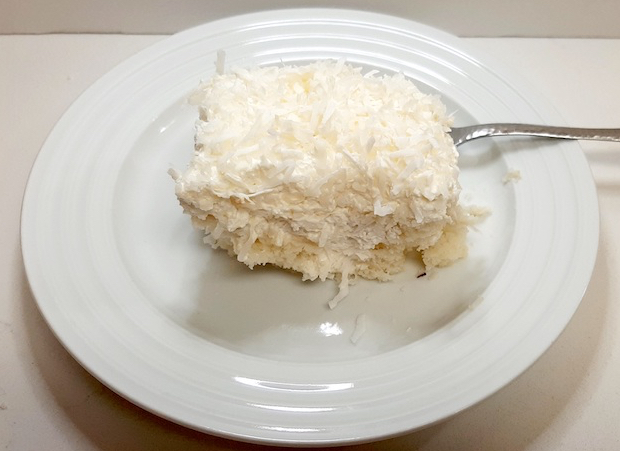
Then frost the cake evenly with the whipping cream, and top with the shredded coconut.
Refrigerate until ready to serve.
If you made this, what did you think? Do you have a favorite poke cake recipe you want to share? I would love to hear.
Thank you for taking the time to visit. Please share, and if you don’t already follow, you can do so now.






















 Chicken Girl