Categories
ducks other fowl

How to Process Pekin Ducks

Recently I shared when to cull roosters and Pekin ducks. And I also covered how to process roosters. So now you may be wondering how to process Pekin ducks. In the last post about ducks, I mentioned that in our backyard, it’s similar to processing chickens, which basically means we don’t keep the skin on.
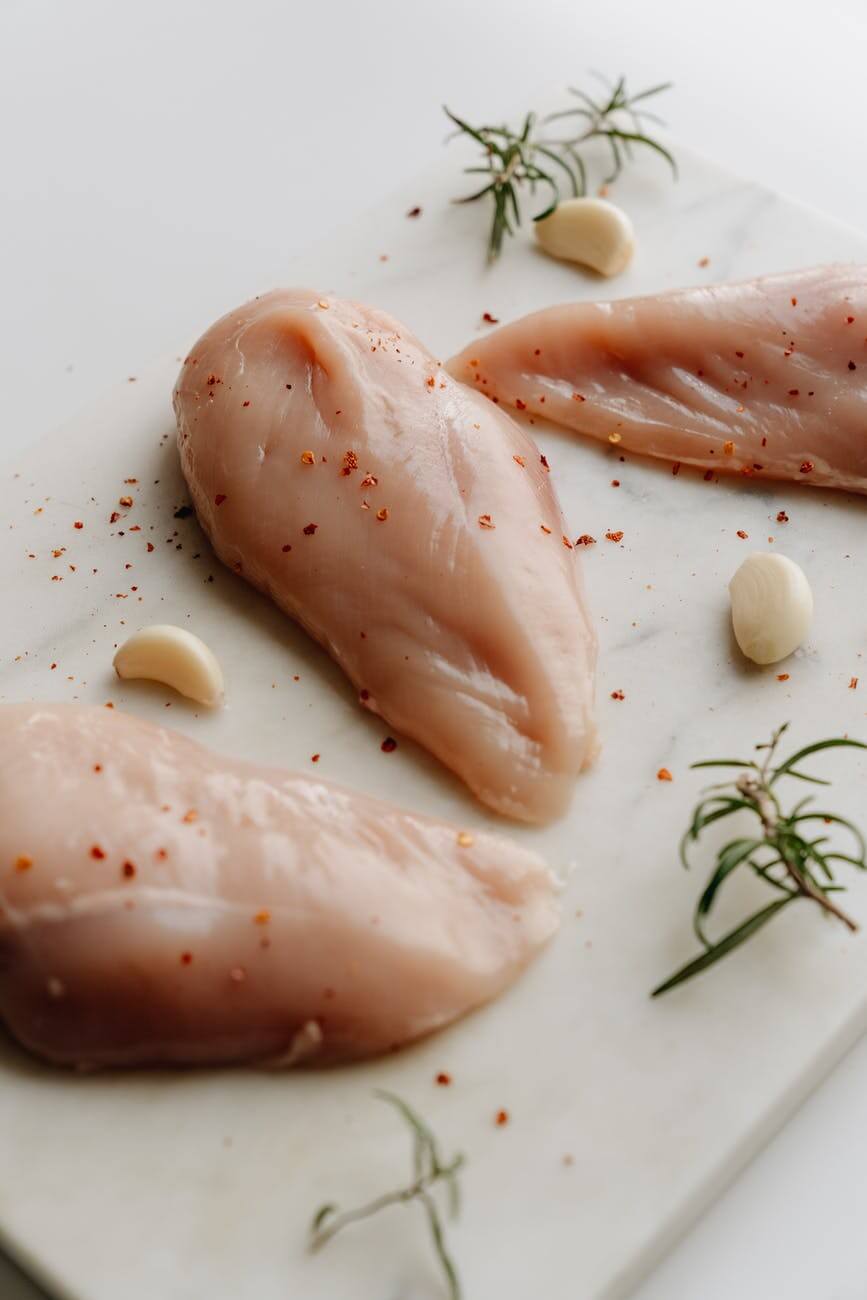
raw chicken breasts on white ceramic plate
Photo by alleksana on Pexels.com

We don’t bother de-feathering either our chickens or our ducks, because it’s a lot harder than just skinning them. Yes, the skin does taste great. But when I buy chicken from the grocery store, I usually just buy it skinless anyway, so this isn’t any different. Except we’re doing the work.

Supplies to process Pekin ducks

box of disposable nitrile gloves
  • A folding table or work table
  • Disposable gloves- you’ll go through plenty
  • Sharp knife
  • Duck size kill cone
  • 5 gallon bucket
  • Metal bowl
  • Bleach spray or Clorox Clean-up and paper towels

If possible, remove the feed from the duck you’ve selected ~12-18 hours before you plan on processing it. However you can still allow it to have water.

Instructions to process Pekin ducks

sycamore tree with outbuilding and houses in distance
  • Hang the duck upside down in the kill cone

Hanging it upside down, with the blood rushing to its head, ironically calms it down. Also, our kill cone is attached to the designated ‘killing’ tree, one that’s out of view of our backyard animals.

Because our chickens fit nicely into the kill cone, they don’t necessarily need to be tied to the tree. Although the duck is bigger, so securely attach the duck’s legs with twine, rope, or wire. We used rope.

  • Cull the duck

Some people shoot their ducks, break their necks, use a hatchet, etc. But it’s important that you have everything you need before starting, because, once again, ducks are bigger and tougher than chickens.

After you’ve done the deed, let the blood drain out for a few minutes, knowing that the body will convulse, but it truly is dead. And when the duck has stopped moving, take it out of the cone and cut off the head, assuming you didn’t use a hatchet to do the deed.

hatchet in a block of wood outside
Photo by Matthew DeVries on Pexels.com
  • Wearing gloves, lay the duck on your work table

Periodically change your gloves as they get soiled and covered in duck juices.

  • Pluck the feathers off of the breasts and legs, giving you access to the skin
  • Once the feathers are off, starting at the breast bone, with your sharp knife, fillet breasts off of bones until you get to the drumsticks
  • Then slice around the hip, exposing the pelvic joint; and cut through the pelvic joint, which will detach the drumsticks from the carcass
  • Also, there isn’t enough meat on the wings; they’re scrawny, so leave them alone
  • Next, cut bottom part of the legs off
  • And finally, cut the legs off at the hip joint

Finishing up
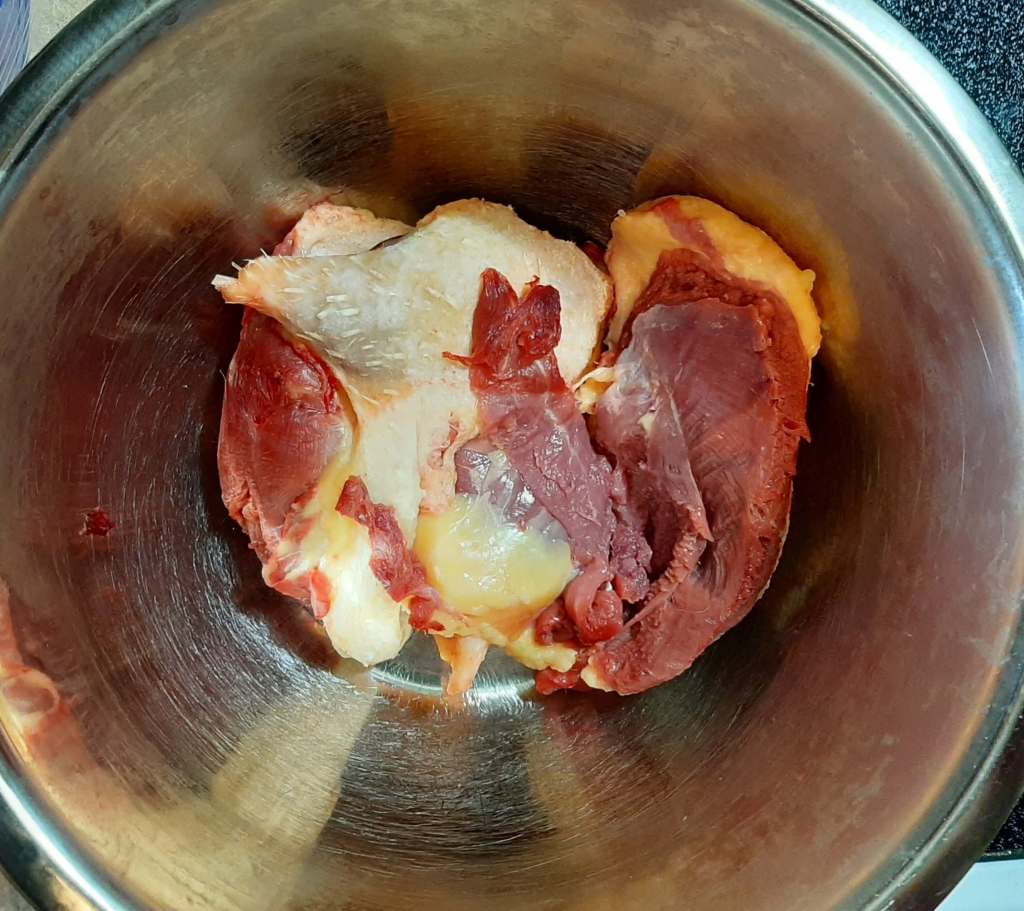
raw duck in metal bowl
  • Put everything you’re not keeping into the 5 gallon bucket to bury when you’re finished
  • Then rinse the meat off with a hose before putting it in the metal bowl
  • And with clean gloves on, bring the bowl to your kitchen and package the meat

This doesn’t have to be elaborate freezer packaging; you can just wrap it in plastic wrap for now

  • Then refrigerate or chill the meat

Chilling the duck meat for ~24 hours will help the muscles relax and tenderize; after 24 hours, you can decide on whether you’ll cook it or freeze it

  • Next, return outside to clean up

Bring the knife inside; lay it in the sink and spray with a bleach spray. And once you’re back outside, rinse all of the blood off of the work table, and then thoroughly spray it with your bleach spray. Leave it like that for ~ 10 mins before rinsing.

Detach the kill cone and bring it inside to run it under hot water. After 10 mins, rinse the bleach spray from your table and clean the knife as directed by the manufacturer. Clean the cone with dish soap and hot water.

So that’s how you process Pekin ducks. But if you prefer trying to keep the duck whole, rather than in pieces, then try this site. And here are some alternative instructions in the event you want to keep the skin.

Thanks for stopping by! And if you enjoyed this post, please like it, post a comment, and share it.

Categories
ducks other fowl

When to Process Pekin Ducks

Not long ago, I posted a recipe for marinated duck. You probably guessed that the duck came from our backyard. And if so, you would be correct, because we have Pekin, mallard, and hybrid ducks. But I never covered when to process Pekin ducks. Or even how to cull them. However I get to that in another post.

a planner over a white table
Photo by PNW Production on Pexels.com

Processing Pekin ducks is different than chickens, because it isn’t based on the seasons. When I discussed culling roosters, we found out chicken people typically cull and process their birds in the fall. But again, that isn’t the case with ducks.

Pekin ducks on the grass
Photo by Vlado Krstevski on Pexels.com

Due to their large amount of feathers, waterfowl are generally slaughtered at 3 different times during their life cycle. And this is because it’s easier to pluck their plumage when there are no immature or pin feathers. So this is around 7, 12 1/2, or 18 weeks for ducks. Unless there are extenuating circumstances.

Best Times to Process Ducks

Pekin ducks put on weight faster than chickens, so you don’t have to worry about meat. But if you’re planning on plucking the feathers, then the best time to cull them is when there are no pin feathers. Again, that’s when the ducks are 7, 12.5, or 18 weeks old.

Small Flock of Ducks

However I mentioned that there are other conditions that could come up, prompting a desire for marinated duck. For example, at some point, you might have an excess of drakes compared to ducks. Or you could have an abusive drake, who needs to go. Which is what happened with us in both cases.

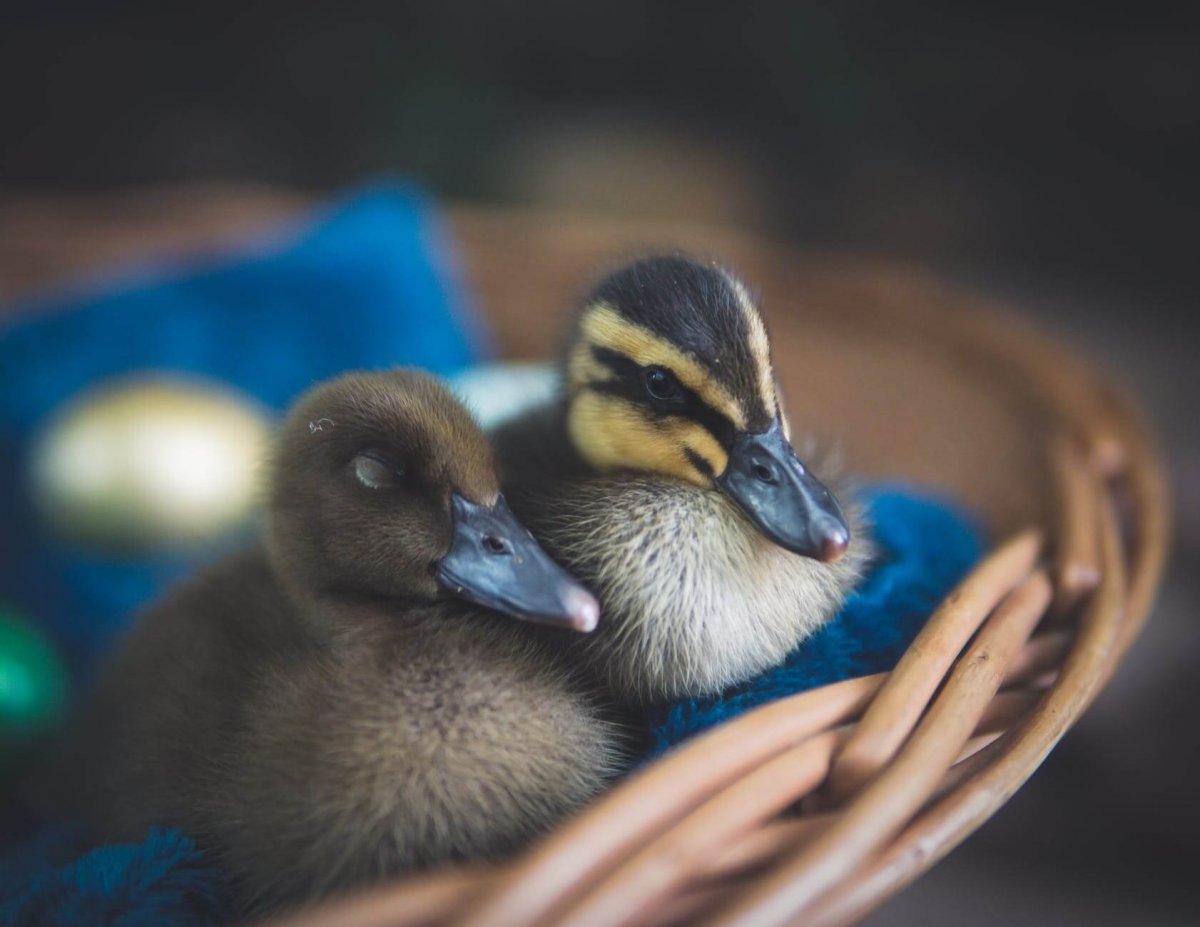
Two Pekin ducklings and 1 Mallard duckling

Two Pekins and a mallard made up our original ducks that we bought from Atwood’s, during the lockdown, last year in May. Though, after my husband incubated some eggs, we ended up with a surplus of drakes. 2 more to be exact. Kirishima was the most senior drake. But he was also the most aggressive. And we thought that, after mating season, he would calm down, however that didn’t happen.

When to Process Pekin Ducks

You can cull a duck at any time you want or whenever circumstances demand it. Furthermore, duck meat can be eaten at any age (of the bird), but, as expected, it’s more tender the younger the bird is. And just as with processing roosters, we don’t de-feather. Rather we just skin the birds, which is the easiest method. However then you mainly get the breasts. So if you prefer a whole bird that also looks nice, skinning your duck won’t be an option.

Thanks for stopping by! If you enjoyed this post, please comment and share it!

Categories
ducks other fowl

Duck Mating Season

The breeding rites of birds usually involve complex dances and mating calls. Not to mention, multi-colored feather shows during which prospective, brilliantly feathered males strive to charm females. And duck mating season is no different. But that’s where the mating season similarities end with ducks and other birds. Below I list out 5 facts about duck mating season.

Five Facts About Duck Mating Season

  • Form seasonal bonds
Mallard-Pekin Hybrid Duck Mating season in kiddie pool

Similar to other animals, waterfowl form pair bonds to produce offspring. Though, within waterfowl, those kinds of pair bonds differ. Which means some waterfowl mate for life, like geese, while others form different bonds each year.

Ducks practice what’s called seasonal monogamy. It means they have to form new bonds each season. And almost 50% of all waterfowl species observes this kind of monogamy. However our drakes are polygamous. They don’t stick with one duck the entire mating season; they take all they can get. If any of the ducks are monogamous, it’s the females. They’re all faithful to the drakes they’ve chosen.

2021 year calendar
Photo by EKATERINA BOLOVTSOVA on Pexels.com

Typically domestic duck mating season lasts from spring to fall. However it can depend on where you live, climate, and breed of duck. For example, where I live in Oklahoma, the mating season for Pekin ducks is long. Spring to Fall.

But that doesn’t mean ducks mate exclusively during mating season, and not at other times. So far what I’ve witnessed is that the drakes, or males, act crazy with hormones. They too have testosterone, which is raging during this season. And our oldest drake Kirishima is full of angst.

Drakes, or males, attract the females, but it’s the females who get to choose their mates. It’s a very matriarchal society.

  • Females can hinder forced breeding
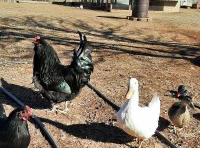
Pekin Duck, Mallard duck, and Black Ameraucana rooster in a yard.
This is our white Pekin with her favorite drake, aka the boss rooster.

Despite the fact that most birds do NOT have phalluses, drakes actually do. And so research done ~2007 showed that females developed corresponding complex genitalia to make forced mating difficult. If not impossible.

This is important, because it signifies not only that the female doesn’t like the drake, or his strategy, but she doesn’t want any of his offspring.

We personally witnessed this behavior with our white female Pekin when we incubated eggs this past spring. She doesn’t like her own kind for a mate. Because she has the hots for the boss rooster. But that doesn’t mean Kirishima didn’t forcibly mate with her. So when it was time to candle the eggs, hers were all duds. Which means he didn’t get to fertilize any of them.

Mixed flock of ducks
2 of those ducks are gone now; 1 female was killed by our senior drake, and 1 of the new drakes was killed by a dog.

During duck mating season, drakes can and will be aggressive to female ducks, people, and ducklings. If you don’t have the proper ratio of ducks to drakes, the females can even be killed.

And this is because hormones in drakes are extremely high. Drakes have nothing but mating on their minds during mating season. Thus they can’t think straight.

Our senior drake, Kirishima, is currently separated from the rest of the population. And this is because after doing everything required to introduce new ducks, he still wanted to kill the newest ducks. But it’s only because he’s overly hot and bothered. However my husband let him out a few weeks ago, and he killed a female by forced mating. The other drakes only recently started to mate, (after he was locked up again.) Though it was just the threat of their presence that caused his erratic behavior.

In Conclusion

If you have ducks and witnessed this behavior, but didn’t know what it meant, then I hope I’ve helped you out. Duck mating season is long. And even though females can choose their mates and prevent fertilization (if mating is forced), the drakes can still be very aggressive, chiefly due to testosterone levels at this time.

Thanks for stopping by and please leave a comment or ask a question!

Categories
ducks other fowl

How to Introduce New Ducks

Maybe you have some ducks and are thinking about getting more. You might be asking yourself whether it’s anything like introducing new chickens. Then this post will help you know how to introduce new ducks to an existing flock.

And the best part of familiarizing your new ducks with the established ones is that ducks, for the most part, are not as adamant in their pecking order as chickens are. It would even appear as if ducks didn’t have one. Unless you’re watching closely.

older duckling in pond

How to introduce new ducks to each other

So, how do you introduce new ducks? What’s the best way, with minimal stress on both the new ducks and established ducks?

  • First of all, the best time of year to introduce new ducks is in the fall. Their mating season, however, happens to be when most people want to introduce new ducks: spring and summer. That is also when hatcheries sell ducklings.

The reason mating season isn’t a great time to bring in new ducks and ducklings is because the drake, or male duck, tends to be more aggressive during this time. Female ducks can also get more assertive, but it isn’t to the same degree as males.

  • Wait to introduce new ducks until the ducklings are at least 7 weeks old. And as with chickens, don’t only introduce one at a time. Also, if you have a drake, I recommend waiting until the ducklings are bigger in order to protect themselves.

With that being said, not all drakes will be murderous. However, it does happen. Though, sometimes it just depends on the breed of duck you have. But, if you just have an all female duck population, or only introduce female ducks, this is the best situation.

  • Most people introduce new ducks on public ground, away from the coop. This is so territorial behavior won’t occur. Or at least will be less likely.

Watch for aggressive behavior. Or signs that your birds are getting stressed. Either are unmistakable. If you have a bird that’s being aggressive or one that’s getting stressed, don’t get discouraged. It might take a few ‘re-introductions’ until everyone is on the same page and ok with the new set-up. You definitely don’t want to rush things.

With our first set adult ducks and then ducklings, we had tried to re-introduce our ducks and ducklings several times. But then we waited for mating season to end, because Kirishima was so out of control. However he never stopped being that way. In the end, we chose the majority over the one.

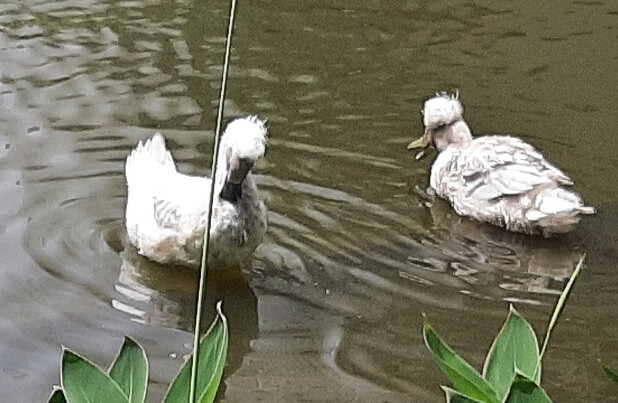
2 crested ducks in a pond

Sharing a home

After you’ve successfully introduced the new ducks to your existing flock, it’s time to bring the newbies to their new home. You can do this one of two ways. Either let them join the established members in the coop, just as it is. Or you can make a partition in the coop, or run, where they’ll be separated for a few days. Just make sure it’s predator proof and resistant to the elements.

Ducks prefer sleeping outside, in the big wide open, next to a body of water. Even if no one is picking on them. After all, it is their natural habitat. However, if you take care of waterfowl, make sure they go into the coop at night. Because there are predators who will eat them as well as chickens.

Integration

A few nights in a row should be all it takes to get everyone used to each other. After that, let all your ducks out to free range together. But preferably when you’ll be available to watch their interactions. If after about 15 minutes, and all looks as it should, and everyone is doing good, then let them be.

Mixed flock of ducks

Do you notice any feathers?

The only thing people seem to be concerned about is whether or not there is feather loss. Or feather pulling. And if so, they attribute it to bullying. Though, if you observe your ducks, you’ll know whether you have a bully.

I already mentioned that, during mating season, female ducks can be more ‘assertive’. They won’t let the newer ducks around the watering hole, or the wet ground, where everyone else wants to dig for bugs. But the main thing is, that female duck has her eyes set on the drake she prefers.

We have 2 established female ducks. And when we introduced our new ducks and adolescent ducklings to the group, Aizawa, the female Mallard, didn’t care one bit. She still doesn’t. But Bakugo was the one keeping the new ducks away from her water, her bugs, and I suppose, her drake. Aka, the rooster.

Mallard duckling and mixed flock of chicks outside

This year we have 3 new ducklings, and two of them favor Aizawa, the Mallard. But the third ones still seems to be developing; I wonder if it’s a drake. And so far there have been absolutely no issues. Squirt could care less about the ducklings, and therefore Bakugo could care less. So it made me wonder, are the ducks influenced by the drake’s reaction? Thus far I haven’t been able to discover anything on the subject. However it certainly is an interesting question.

crested duck in a pond

A word about drakes

Drakes can be aggressive both to females and ducklings. So if you have any, as with chickens and roosters, you need to have a proper ratio of 3 or 4 ducks to every drake. Because, if you don’t, it will cause drakes to be even more violent.

Some will even attack and kill their own young. You might not have any issues once you’ve introduced the new ducks to your established flock. But if you do, and you have a drake who is murderous or infanticidal, you’ll have to make a decision of whether you’ll re-home him or let nature take its course.

Quarantine adult birds

If instead you have adult ducks to introduce to your established flock, the main thing you’ll want to add to this list is to quarantine the newcomers first. And that’s to make sure the new ducks are free from diseases and parasites. Quarantine can last anywhere from 7 days to a month. Though, the longer it is, the more time you’ll have to fully know what’s going on with the birds you’ll be introducing.

I hope this helps answer any questions you might have regarding introducing ducks to an existing flock.

Categories
ducks other fowl

Why Does My Female Duck Bob its Head

If you’re new to ducks, you may not have seen females or males bobbing their heads yet. Or maybe you have witnessed them bobbing their heads but don’t know what it is. I can help explain this behavior, because I also have ducks and have seen them doing this. We’ve had our ducks for a couple of years now, and one female duck bobs her head all the time.

For two years now I’ve noticed my Pekin bobbing her head at my boss rooster. This isn’t an isolated event either. Bakugo used to chase Megatron relentlessly, the whole time bobbing her white head. I have some ideas that might sound a little crazy or farfetched. However, like I said, I witnessed her behavior for 2 years now. I personally think she wants to be a chicken. I told you, crazy. She’s evidently confused, because usually in these events the roles are reversed. Drakes and roosters are more forward, not hens and ducks.

Why Ducks Bob Their Heads

Now what do I mean by that statement? For those of you who have had ducks for a while, you probably already know what I’m getting at. For everyone else, when a duck bobs its head, it is just what it sounds like. It moves its head up and down, sometimes several times in succession.

But what does it mean when a duck bobs its head? What are ducks trying to express, or are they even trying to speak? I don’t think only humans are possible of higher skills like communication. We have our animals, and I can watch them for any length of time and witness them speaking to each other. I may not always know what they’re saying. They may not always speak out loud or in a language I can understand. However, I know they’re talking or expressing themselves by the many various sounds they make and even by their movements.

We didn’t have our original three ducks very long, when I pondered this. And I never saw Aizawa, our female Mallard, or Kirishima, our late drake or male Pekin, bob their heads. At anyone. So that left Bakugo, right? She’s our female Pekin.

When I first noticed this behavior, I thought the ducks were attacking or harassing my rooster, Megatron. And I was indignant. How could they act that way? Now I said the others didn’t display these actions, and that was true. Although, they did follow Bakugo around as she chased Megatron, bobbing her head the whole time.

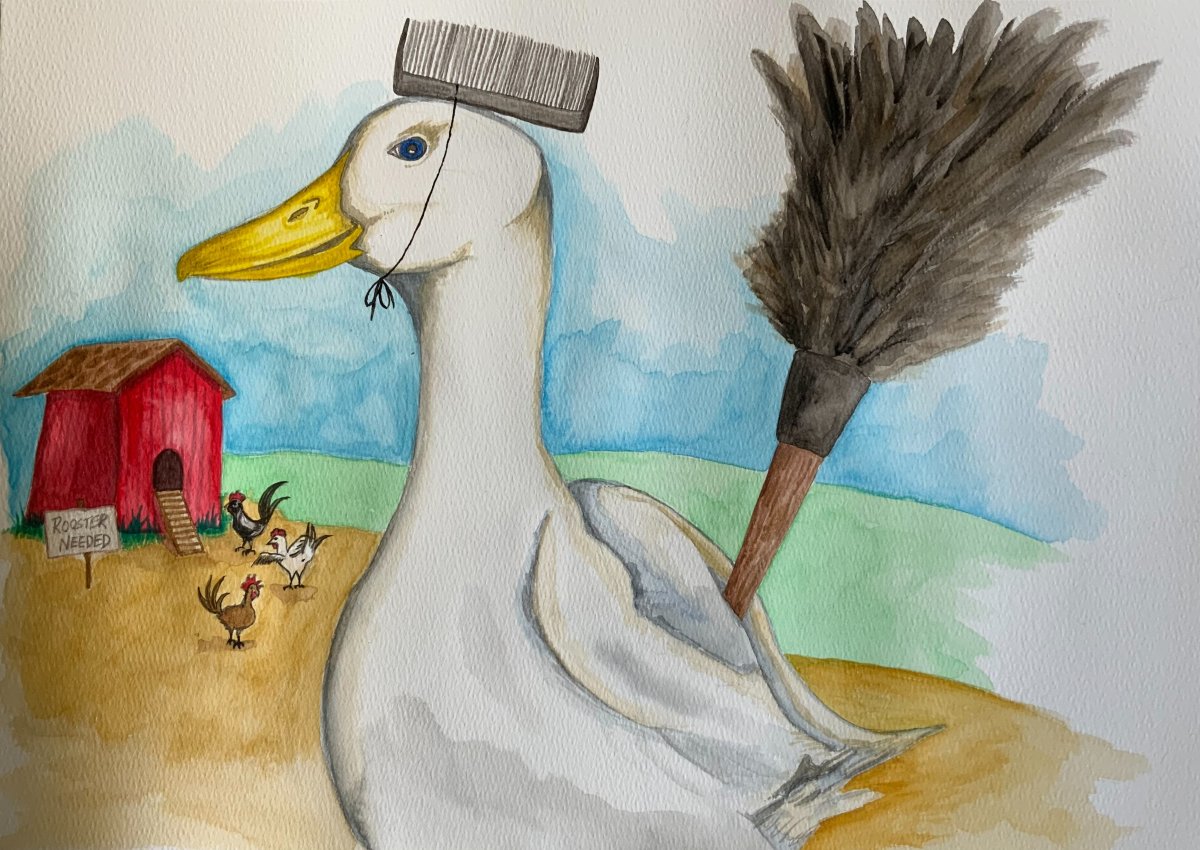
Watercolor of White Pekin Duck Flirting with Rooster, Courtesy of Paul Smith
This is a watercolor of Bakugo loving on Megatron, courtesy of my husband.

Ducks Flirt

I learned that when ducks bob their heads, they’re usually flirting. In waterfowl mating, it’s the female who chooses the drake with the best plumage. Ordinarily, if Bakugo was a normal duck, she would have chosen her natural match, Kirishima, the drake. However, that’s not what went on. She set her eyes on the rooster and gave him every indication that she liked him. My rooster wasn’t aware of what any of that meant though; he just knew those odd birds were following him and making him quite uneasy. Every time I saw him I told him he was the cat’s meow, but he didn’t think I was funny.

When a female duck bobs its head, it could also mean she is broody. Though, I don’t for one second believe this is the case, because Megatron always gives Bakugo a wide berth. She seeks him out, and it has made the drake angry! There have been a couple of times where she’s followed Megatron, head-bobbing, while the drake gets in his face, quacking at him. Like it’s all the roo’s fault this is happening.

There was a short time we thought Kirishima didn’t like Bakugo. We thought she was a lonesome spinster, trying to find love elsewhere. Although that was blown away when we saw both ducks mating. Also on other occasions I saw Bakugo spurn the drake; he wasn’t the best drake out there apparently.

Female Pekin flirting, bobbing head, at rooster in Yard
Megatron with Bakugo next to him. You can’t tell just by the photo, however she was bobbing her head at him.

Here is some more information on the subject of flirting and ducks bobbing their heads. I hope you don’t have a confused chicken or duck. Though, like I said, it’s more common for roosters and drakes to not be very picky about mating. It is, however, unusual for female birds to be confused in this manner, from what I gather. Click here to find out more about duck courtship behavior.

My daughter denies that the duck is flirting with the rooster. She thinks Bakugo wants to be the leader. The boss of the yard based on her behavior toward the other chickens. It’s typical bird behavior with pecking, yelling, and telling them to get out of the way so she can eat. She might want to be the boss, but in my opinion, as Megatron’s First Lady. And then they would be a power couple.

So you may be asking, what does this have to do with a duck wanting to be a chicken? Or with ducks bobbing their heads? Well, everything, because Bakugo knows what she wants. And it appears she’s realized Megatron won’t change his mind about inter-species relationships, so she decided to adopt chicken ways. As she continues to flirt with him.

Initially it was in being the first duck to approach us and actually get snacks from our hands. She crossed a major hurdle when she did that. It was one she knew she had to tackle, because the chickens have been doing it since time immemorial.

She passed another barrier when she started laying eggs in the coop like the other birds. She even managed to convince Aizawa, our Mallard, to do the same. Typically ducks will lay eggs in hidden spots near water.

Bakugo also really gets excited when Megatron makes special noises, like when he’s especially angry or frustrated at our other rooster. I saw her run to him immediately one such time, bobbing her head after him. Of course he instantly calmed down.

Pekin Duck, Mallard duck, and Black Ameraucana rooster in a yard.
Megatron with Bakugo and Aizawa.

If you have ducks and they bob their heads, most likely they are bobbing their heads at each other. Also, it is a positive sign that they like each other. There’s nothing to be concerned about. If they bob their heads at you, that means they like you. Although, if you have ducks that bob their heads at the other feathered fowl, then they are interested in a bird not of their species. They could also be confused like my duck. Will Megatron ever see the beauty that is in Bakugo while she flirts with him, bobbing her head? I doubt it, and it isn’t for her lack of trying. It’s hilarious to watch though, and I wonder, will she ever tire of chasing the dashing black rooster, as she bobs her head?