Categories
All animals non-fowl

False Pregnancy in Female Dogs

I use affiliate links to support my content at no extra cost to you.

Has your dog been exhibiting maternal or nesting behaviors? Perhaps getting aggressive over clothes they’ve claimed? Or are they babying a particular toy more than the others? Even if your dog hasn’t been bred, false pregnancy in female dogs is a fairly common condition. Whereas some dogs have no symptoms of false pregnancy, others may have more than a few.

brown and white dog resting on pet bed on a wood floor
Photo by Andrew Neel on Pexels.com

First, What is False Pregnancy in Female Dogs

False, phantom, and pseudopregnancy all indicate a process where female dogs present behavioral and physical signs of pregnancy without actually being pregnant. Plus, it can affect any breed or age of female dog.

When Does False Pregnancy Occur in Dogs

Signs of pseudopregnancy in dogs typically begin 6 to 8 weeks after their heat cycle. Some dogs only have symptoms for a few weeks, but in others, symptoms could last longer. Additionally, some dogs experience pseudopregnancy repeatedly.

What Causes False Pregnancy in Female Dogs

  • Pseudopregnancy in dogs is due to both progesterone and prolactin. 

A rapid decline in progesterone raises prolactin, which is responsible for many of the behaviors associated with false pregnancy.

  • Spaying a dog during the time when progesterone levels are high following the heat cycle is another cause of false pregnancy.

Signs of pseudopregnancy may develop 3 to 4 days after spay due to the sudden drop in progesterone.

  • Treatment with progestins unrelated to false pregnancy can cause pseudopregnancy.

Progestins can be used from skin to behavior issues. But, primarily, it’s used to control the reproductive cycle. And one of the side effects include increased secretion of prolactin.

  • and Health issues

Hypothyroidism and/or liver dysfunction can also cause increased levels of prolactin.

brown dog sleeping on an area rug near a light blue upholstered chair
Photo by Josh Hild on Pexels.com

Signs of False Pregnancy in Female Dogs

Generally, the signs of a false pregnancy are similar to a real one or even postpartum behavior. While some symptoms are more apparent, others are not. But some of the signs include

  • swollen mammary glands

One of the first clinical signs of pseudopregnancy are swollen or enlarged mammary glands. Females going into their heat cycle can also get swollen mammary glands. However, if they’re still enlarged weeks after the cycle, then it’s possible phantom pregnancy is to blame.

  • lactation

It’s also likely for the enlarged glands to secrete milk, especially if the dog self-nurses or licks their abdomen a lot.

  • weight gain

Some people think the weight dogs gain is fluid retention. Though, after we had Sophie spayed, the vet informed us that she had the largest uterus she’d ever removed. In addition, she asked us how many pups Sophie had. But, Sophie never had any. Based on this, it could be possible that the uterus is preparing for puppies.

  • nesting

Dogs going through a false pregnancy will make a “nest,” either under a bed or similar, that will be a safe place for their puppies.

  • maternal activity

Motherly behavior and nesting are the 2 most common behavioral signs presented in false pregnancies. With maternal activity, your dog may adopt clothes, shoes, or a plush toy as their “baby.” And heaven help you if you try to take them away.

  • aggression

The “mother” dog gets anxious and distressed if people look at her “baby” or try to touch her “baby.” She may even attack if she feels they’re threatened. This can look a lot like resource guarding.

  • appetite loss

During pseudopregnancy, it’s not unusual for dogs to lose their appetites.

  • vomiting

Some dogs experiencing false pregnancy might be nauseated and throw up.

  • and decreased activity

Lastly, false pregnancy can make your dog tired.

several different tan dogs standing outside and behind a chain-link enclosure
Photo by Mia X on Pexels.com

Is False Pregnancy Dangerous

Most false pregnancies are normal and will resolve on their own. On the other hand, some can be extreme and fail to remedy on their own. Furthermore, if the symptoms aren’t because of a heat cycle, it’s best to have a veterinarian’s opinion, since a health issue could be to blame. Moreover, according to this article, about 33% of dogs with pseudopregnancy symptoms are surrendered, especially if they’re recurring. 

False vs Real Pregnancy

Signs of pseudopregnancy are similar to late-term real pregnancy in dogs. So, vets confirm a real pregnancy with a pregnancy test, that measures hormone levels, or with ultrasound. And they palpate the dog’s abdomen.

How to Treat a False Pregnancy

  • At home you can distract your dog with plenty of exercise and play time. 
  • Remove the item they’ve claimed as their “baby.”
  • Don’t stimulate the mammary glands; and if your dog is licking that area, get an Elizabethan collar to prevent that.

For more troublesome or prolonged symptoms, see your vet. It could be a medical issue. Moreover, there are medications available that alleviate some of the symptoms, like cabergoline that inhibits prolactin. And to prevent future false pregnancies, the best option is to spay your dog. However, you want to wait to spay until the fake pregnancy is over.

person in dark clothes using a stethoscope on a tan Labrador retriever dog, while another person in a blue shirt helps hold the dog
Photo by Mikhail Nilov on Pexels.com

In Summary

False pregnancy in female dogs is a natural condition that occurs mainly due to a rise in prolactin. Most signs involve mothering and nesting behaviors. But it’s not unusual to see enlarged mammary glands either. While most cases will resolve on their own, some might require a visit to the vet. And the best thing you can do for your dog is to distract her by playing with her, letting her get exercise, removing her “baby,” and not stimulating her mammary glands. But, sometimes dogs will need help with medication. And the best option to permanently prevent any future occurrences of false pregnancy is to have your dog spayed.

Sophie only had 2 heat cycles. After her very first one, she developed enlarged mammary glands that stayed swollen till a couple of weeks or so ago. She also lost a little weight and interest in playing. And over time, she adopted a hoodie of my husband’s. It became her “baby.” Before she adopted any “babies,” we thought she was having a false pregnancy. But after some more time, her behavior seemed to improve. And then she claimed the hoodie. So much time had passed, that to me it looked like resource guarding. She would growl like she was ready to kill anyone who got too close. Eventually she started nesting under my middle daughter’s bed. If anyone even looked at her, she’d growl threateningly. We would take the “baby” away, only for her to steal a different one. 

Recently she got spayed. And that’s when we heard about how big her uterus was. Unfortunately, she still had the nesting behavior and “baby” issue going on. According to what I’ve read, a dog that’s pseudopregnant at spay will still be pseudopregnant after spay. So it would be natural to assume that Sophie’s been in false pregnancy for months, and even was spayed during it. Since her spay, we took away her “baby.” However, she hasn’t tried to take any more “babies,” and she’s no longer nesting. Consequently, she’s a much better behaved dog than she was before. Therefore, was she pseudopregnant? Or was she just attached to the hoodie and acting like a mother?

Have you ever witnessed pseudopregnancy in a dog? Did you know what was going on? If you had a dog that ever experienced a false pregnancy, how did the situation resolve?

Thank you for reading this. Please like, share, and if you don’t already follow me, you can do so now.

https://chickcozy.com/kristinasmith
Categories
dogs non-fowl

Why is My Dog Shedding So Bad in the Winter

I use affiliate links to support my content at no extra cost to you.

It’s that time of year again. The time when dust bunnies, made up of more fur than dust, gather everywhere, including on you. But we’ve just had some arctic weather and ice, at least where I live. So, you ask yourself, “Why is my dog shedding so bad in the winter? I thought they’d need their coat in this.” Even though it seems contradictory occurring in the middle of below freezing temperatures, it’s in fact typical for double-coated dogs. However, this kind of shedding is called “blowing their coat“. When you pet your dog and your hand comes away with a pile of fur, your dog just might be blowing their coat.

Most dogs shed, even hypoallergenic ones to some degree. Although, how often and how much they shed differs by breed and coat type. Moreover, shedding is usually normal. Though, there are times when it can indicate something else is going on with your dog.

Reasons Why Dogs Shed So Bad in the Winter

tan mixed breed dog with dog shirt and dog shoes on standing inside on a wood floor

Seasonal Changes

Again, the number one reason dogs shed during winter is because it’s perfectly normal. And most dogs shed year round. Excluding completely hairless dogs, most dogs lose a few strands at a time all year long. Fur grows in cycles: new growth to resting stage to dormancy before it falls out. This shedding is merely the process where the fur falls out to be replaced by new fur.

Whereas fur normally sheds over the course of time, seasonal changes speed up the process for many breeds with double-coats. Dogs like Aussies, Siberian huskies, and labradors with double-coats have a longer, water-resistant top-coat and a shorter, thicker undercoat for warmth. Temperature and daylight changes cause double-coated dogs to blow their coats in preparation for the upcoming season.

Dogs shedding bad in winter, or seasonal periods of heavy shedding, occur only twice a year. Usually they start in fall and spring, which is why dogs might shed crazy in winter. They’re losing their summer coat to grow in the new winter one. And depending on your dog’s breed, this particular reason for shedding lasts from 2 to 4 weeks each season.

Dry, Itchy Skin

Not only does winter affect your fur baby’s shedding cycle, but sometimes dogs may not drink as much water during winter. However, during both summer and winter, keeping your dog hydrated is extremely important for their health, including their skin and to prevent shedding. In addition, if it’s freezing and windy out, the weather can affect your dog’s skin regardless of whether they’re drinking plenty of water or not.

Another source of dry, itchy skin is food allergies or intolerance, which is a typical cause of shedding. Furthermore, it can also cause skin infections. Not only will the fur fall out, sometimes there can be areas of complete hair loss.

There are some ways to address your dog’s shedding if it’s due to dry, itchy skin. First, if you have a small, single-coat dog, limit their exposure outside. Or make sure to bundle them up prior to letting them out. And once they cue you to be let back in, promptly let them back inside. Also, using a humidifier in your home will help manage the dry air inside your house. Although, if you’ve modified your dog’s food and notice actual areas of fur or hair loss or skin abnormalities, call your veterinarian.

Inadequate Diet

Apart from seasonal changes, another source of intense shedding in dogs include a deficient diet. Veterinarians have long known that nutrition has an effect on the health of your dog’s skin and coat, for good or bad. Dog hair or fur is roughly 95% protein. In addition, natural hair growth and skin keratinization in dogs result in a need for protein. 

While cheap dog foods might meet minimum quality requirements, they may not have enough protein or nutrients for your dog. Therefore, pick higher quality dog foods that satisfy nutritional requirements established by the Association of American Feed Control Officials (AAFCO). AAFCO is a non-profit that sets standards for the quality and safety of animal and pet food. Additionally, many states implement AAFCO models. Or they use them in regulating feed and pet food. Plus, if your dog is eating food under the AAFCO model, they won’t need supplements, unless directed by your veterinarian. 

Infrequent Grooming

For most dogs, regardless of breed, routine grooming is necessary year round. Though, for double-coated breeds, when their winter coat comes in, it’s even more of a priority. While long-haired dogs need regular grooming to prevent their fur from matting, short-haired dogs usually only require weekly brushing.

According to Wow Grooming, Rake-style brushes remove dirt and loose fur from a dog’s coat, and are better for double-coated breeds. And slicker brushes should be used on medium to long-haired dogs and on double-coated dogs to loosen the undercoat and ease out matts. Since a dog’s double coat helps regulate their temperature, don’t ever shave a double coated dog. It doesn’t resolve the issue of shedding. And it does more harm than good.

Health Problems

Whereas it’s certainly typical for double-coated dogs to shed in winter, sometimes the change in seasons isn’t the cause of excessive shedding. Food allergies, as I mentioned earlier, anxiety, and even certain medical conditions could cause your dog to shed more than usual.

If your dog is shedding excessively during which they also present other signs like hair loss, itchy skin, skin sores or infections, and weight and/or behavior changes, take them to the veterinarian. These symptoms could indicate an underlying illness.

In Conclusion

golden retriever standing on snow
Photo by Tomas Anunziata on Pexels.com

Provided your pooch is healthy, well fed and well watered, some additional shedding during winter isn’t a big deal. Though, you may not agree as you find yourself vacuuming more just to keep up with all the fur. Further, you can’t completely stop your dog from shedding. But regular brushing with the right tools will help clear out the dead fur before it falls out. And if you notice your dog with skin conditions, weight loss, or behavior changes in addition to excessive shedding, talk to your vet.

Do you have a double- or single-coated dog? And are you finding yourself picking up clumps of fur like me? How do you manage seasonal shedding?

Thank you for reading this. Please like, share, and if you don’t already follow me, you can do so now.

https://chickcozy.com/kristinasmith
Categories
dogs non-fowl

How Cold is Too Cold to Leave Your Dog Outside

I use affiliate links to support my content at no extra cost to you.

Likely you know the dangers presented by leaving your pets out in the summer heat. However, did you know that winter weather produces severe risks to your pet’s health as well? Not long ago I wrote a post on chickens and cold weather. So today we’ll look at how cold is too cold to leave your dog outside. And I’ll offer tips to protect your pooch when they’re out in the cold.

Granted, some dog breeds delight and may even appear to do better in cold temperatures. Nevertheless, cold tolerant dog breeds can suffer consequences if exposed to freezing or below freezing temperatures for too long. Plus, other dogs don’t like the cold. And, as I said above, it can be hazardous.

A typical response to the question of how cold is too cold to leave your dog out is, “If it’s too cold for you, then it’s too cold for your dog“. Although, I disagree with that statement. For instance, today is sunny, windy, and in the 50s where I live. It looks like a beautiful day. Regardless, I was cold outside because of the wind, which is 20 mph currently. And based on the logic of the typical response, I shouldn’t let my dog outside. Despite that, I took her out, and she played hard, like she does. And when she was done, she sat panting under a tree with her ball. My point with this response is our own cold tolerance is different than our pet’s. Below you’ll see factors that affect your dog’s cold tolerance. Then after that are signs your dog is having a difficult time managing the cold.

How Cold is Too Cold to Leave Your Dog Outside

mountainside view covered in snow and fog
Photo by Pixabay on Pexels.com

Just like with chickens, there’s not really a number to put out there that you can go by. Further, cold tolerance is determined by your dog’s size, coat, health, age, and breed. Usually healthy large adult breed dogs with a double coat have better cold tolerance than puppies or older dogs, smaller breeds, dogs with a single coat, and dogs with pre-existing health issues.

Dogs Bred for the Cold

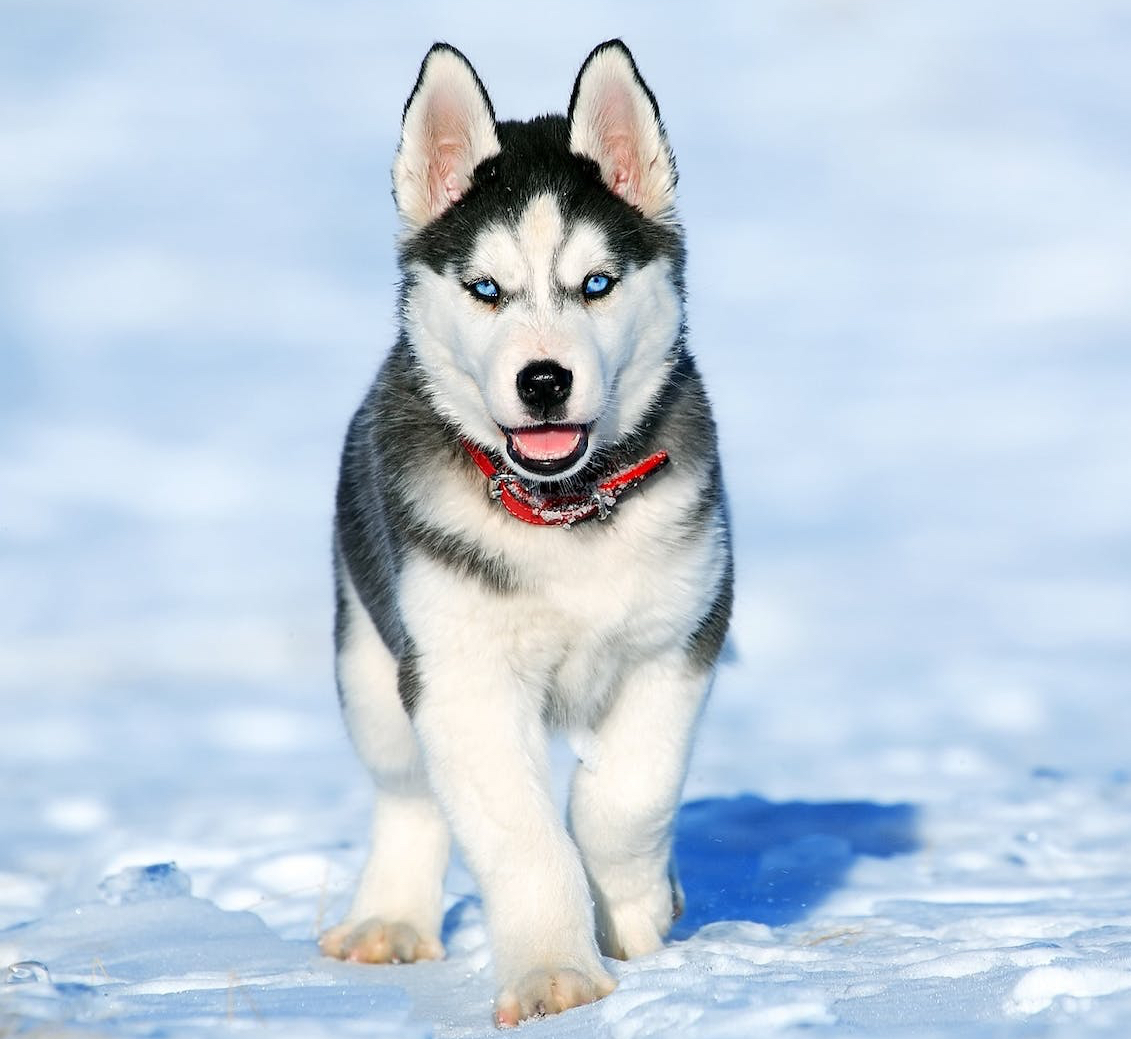
white and black Siberian Husky walking on the snow during daylight
Photo by Pixabay on Pexels.com

Some dog breeds can negotiate considerably colder weather better than people, such as

  • Alaskan Malamute
  • American Eskimo dog
  • Burmese Mountain dog
  • Great Pyrenees
  • Siberian Husky
  • Saint Bernard
  • Samoyed
  • and Tibetan Mastiff

These dogs have thick double coats that are also water-resistant. Since they were bred for the arctic, they prefer being in the cold. But they still need a wind and waterproof shelter with plenty of water from a freeze-proof water bowl if they’re outside for an extended period of time. And even these breeds can suffer the effects of freezing or below freezing weather, especially from prolonged exposure. If your dog isn’t enjoying their outside time, bring them in.

Dogs that can Endure the Cold Up to a Point

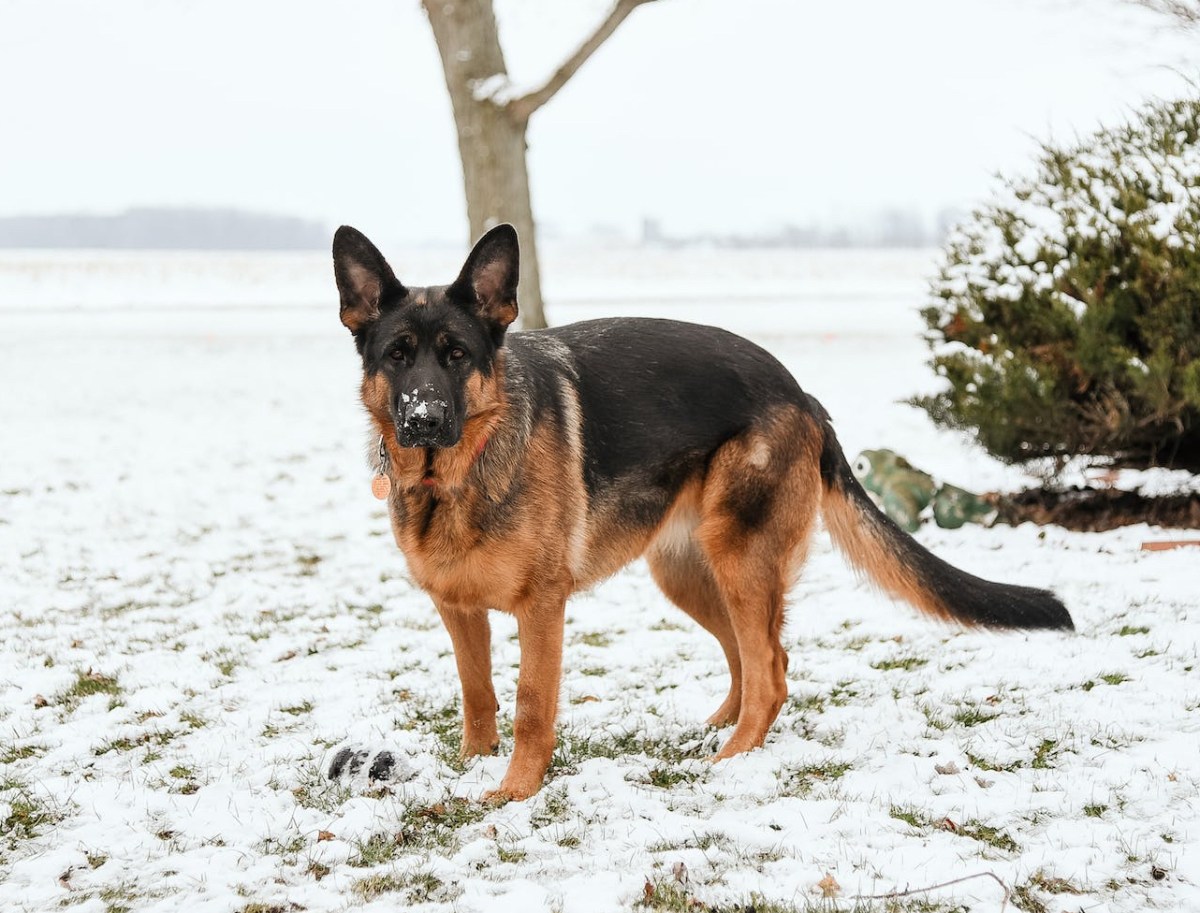
face shot of a black and white dog with snow on its head
Photo by Alotrobo on Pexels.com

Other double-coated dogs like labradors, border collies, and Aussies, love to play in winter weather too. But so do medium and large warm weather breeds. Although, they can’t necessarily tolerate staying outside for as long as the arctic breeds. Therefore, as long as they’re playing or running, they should be fine. All of our dogs have been double-coated dogs. And they preferred winter to summer. That’s when they came alive and seemed to have more energy to play.

Be sure to monitor your dog while they’re outside. If they’re a single coat dog and just relieving themselves, don’t leave them outside for more than 10-15 minutes without a dog coat. And if they show any symptoms of frostbite or hypothermia, bring them in immediately.

Dogs that Can’t Weather the Cold

a white poodle wearing an orange coat standing on the snow
Photo by Erik Mclean on Pexels.com

Small breeds, such as poodles, chihuahuas, dachshunds, and Italian greyhounds are definitely not as cold tolerant as larger breeds. First, they don’t have an undercoat to help insulate them. Moreover, if snow or ice is on the ground, smaller dogs will feel the cold faster than larger dogs. In addition, smaller dogs don’t have water-resistant coats like a double coat offers. And lastly, smaller dogs have less insulating body fat.

Again, puppies, older dogs, thin dogs and ones with health issues are more sensitive to the cold regardless of breed. And they can become ill with frostbite and hypothermia in no time at all.

Signs Your Dog Doesn’t Like the Cold

black and white short coated dog standing still in the snow
Photo by eberhard grossgasteiger on Pexels.com

Even if your dog enjoys playing in the snow or cold weather, they might give you signals when enough is enough, like

  • shivering
  • barking or whining at you
  • scratching at the door, indicating a clear desire to be inside
  • walking funny
  • standing still, lifting paws off the ground
  • tail tucking or hunched posture
  • hiding or running away
  • and/or unexpectedly anxious behavior

If your dog starts displaying any of the above behaviors, it’s time to get them inside. 

Signs of Hypothermia and Frostbite in Dogs

black and white terrier dog wearing a crochet red scarf in the snow
Photo by Benjamin Lehman on Pexels.com

A dog that either gets too cold or has prolonged exposure to cold temperatures could get hypothermia or frostbite. Hypothermia happens when a dog’s body temperature drops below normal. Signs your dog may have hypothermia include

  • being very cold but no longer shivering
  • sluggish and disoriented
  • shallow breathing
  • nose, ears, paws, and tail look pale
  • and internal body temperature is below 98°F

If your dog starts showing signs of hypothermia, wrap them in blankets or towels that are warm, NOT hot, from the dryer. And bring them to a warm room. Also, give them WARM fluids to drink. DON’T put your dog in a bath. That would be more harmful than beneficial.

With frostbite your dog’s nose, tail, ears, and paws are the most vulnerable. Symptoms include

  • skin that first appears pale or bluish white; then later is red and puffy
  • red or gray tinged skin on ears, tail or nose
  • skin that looks brittle or shriveled and stays cold to touch
  • pain in ears, tail, paws, or nose when touched
  • and ice crystals in or around the nose

It can be challenging identifying frostbite’s effect on your dog and may even take days to appear. Thus, make sure to inspect your dog’s paw pads and other extremities if they’ve been out in the cold. If you suspect your dog has frostbite, cover the affected area with a warm dry towel or blanket. And call your vet for advice.

How to Protect Your Dog During Winter

woman in a brown jacket walking her Corgi dog with a leash in the snow
Photo by cottonbro studio on Pexels.com

The following are tips on how to keep your fur baby safe while being out in cold and severe winter weather.

Check Extremities

After coming inside, don’t forget to inspect your dog’s extremities for any signs of discoloration. And trim the fur between the toes, so ice won’t accumulate.

Wipe Down

Whether your dog roams or you take them on walks, they could pick up de-icing products, antifreeze, or other toxic chemicals on their paws, legs, or belly. So, after getting home, thoroughly wash or wipe down your dog’s legs, feet, and belly to minimize any poison risk to your dog. Additionally, if you use de-icers, think about using pet-safe ones on your property to protect your pets.

Protect from Poison

Because a small amount of antifreeze can be fatal if ingested, quickly clean any spills. Further, put containers out of your dog’s reach. And since they can make your dog sick, make sure de-icers are stored and where they’ve been used can’t be accessed by your dog.

Skip the Car

You know cars in summer are a danger to pets. But leaving your dog in a cold car is a threat as well. Cars can become like a refrigerator quickly. So, limit car travel to only necessary trips. And don’t leave your dog unattended. Puppies, older, thin and sick dogs are more at-risk to the cold, and should not be left in a cold car.

Monitor Feed Intake

Maintain your dog at a healthy weight during winter. Some pet parents think a little additional padding offers their fur baby extra protection from the cold. However, the health cons outweigh any perceived benefits. Though, outdoor dogs need more calories in winter in order to produce enough energy and body heat to stay warm. For that reason, talk to your vet about your dog’s nutritional requirements for winter.

ID and Microchip

Considering more dogs are lost in winter than any other time, keep your dog’s collar on with current ID and contact info. Also, don’t forget to microchip your fur baby. Furthermore, when going on walks, use a leash to prevent getting separated. Plus, if you have a frozen pond or lake nearby, keep your dog on a leash. And steer clear of the frozen water. It may not support you or your dog. Additionally, if one or both of you break through, it would be dangerous.

Supply Shelter

If for some reason you can’t bring your dog inside during cold weather, provide a cozy, insulated shelter from the wind. The floor should be off the ground. And you want the shelter to be big enough for your pooch to move around in, but not so big they lose body heat. Bedding should be thick and dry and changed regularly to maintain a warm and dry environment. Avoid space heaters and heat lamps due to the risk of fires and burns. And always make sure your dog has access to plenty of fresh, unfrozen water.

Provide Clothes

Consider putting a sweater or dog coat on your fur baby if they have a single coat or appear to dislike the cold. Also, have a few to rotate out, so you always have a dry one to put on your dog the next time they go out. In addition, you can try booties to protect your dog’s feet and paws. But be sure they fit correctly.

To Summarize

3 medium sized dogs in the snow
Photo by Dmitry Egorov on Pexels.com

We can’t answer the question of how cold is too cold to leave your dog outside numerically or even based on our own comfort or discomfort. On the other hand, we can by looking at your dog’s cold tolerance. Your dog’s age, coat, health, size, and breed are the basis for answering the question. Puppies and elderly dogs, ill, thin, and single coat dogs should all be handled with care in the winter. But no dog, even cold tolerant breeds, should be left all day or night outside in below freezing temperatures, especially without wind proof shelter and unfrozen water. And if your dog is just standing around and starts shivering or whining, take them inside before they start developing hypothermia or frostbite.

Do you have a cold tolerant dog? How do you manage the winters with your fur baby where you live? 

Thank you for stopping by. Please like, share, and if you haven’t already done so, you can follow me now.

https://chickcozy.com/kristinasmith
Categories
All animals cats dogs non-fowl

How to Celebrate New Year’s Eve with Pets

Even though we’re near the end of the year, the holidays aren’t quite over yet. We still have one more day to celebrate. Therefore, before getting out the firecrackers or toasting Champagne, here are tips on how to celebrate New Year’s Eve with pets.

Pet parents, especially those with multiple pets, may choose to celebrate New Year’s Eve with their fur babies, like we typically do. In which case, I’ve outlined NYE ideas for both cats and dogs.

calico cat lying in between mango colored sheets and multi-colored bedspread
Itty hiding in the covers of my bed.

How to Celebrate New Year’s Eve with Pets

Invite Your Pet’s BFF

Since NYE is a big and loud celebration that can make your pet anxious, just stick to your closest buds that your pet knows well. Plus, having a small party minimizes anxiety for pets and people alike. Additionally, you’ll get to spend quality time with your fur baby and keep an eye on them.

Take a Nap With Your Fur Baby

In order to prep for the long night, consider taking a cozy nap during the day with your pet. That way you’ll both be refreshed for your evening.

Serve Holiday Treats

Keep people food away from pets, especially

  • alcohol
  • chocolate
  • salty snacks
  • meaty bones
  • onions
  • high fat and rich foods like cheese
  • processed meats like sausage and deli meats
  • and fried foods

Moreover, provide a garbage can for people with disposables that your pets can’t get into. In addition, either make your own homemade pet treats or buy some. However, don’t allow your friends to pass out the people food to your pet. And don’t forget to provide plenty of water for your fur baby.

Play With Your Pet

Due to the likelihood of loud noise with parties and fireworks, including during daytime hours, spend plenty of time entertaining your pet. Some ideas include puzzle toys, interactive toys, teasers and wands, balls, chew toys and tunnels. So, whether you have a dog, a cat, or both, there are plenty of items to choose from.

Avoid noisemakers

Both cats and dogs have more sensitive hearing than our own. Plus, NYE is the holiday most pets are reported lost, 2nd only to the 4th of July in the US. If you have the time before the event, you can try desensitizing your pet to loud noises. You can find animal desensitization digital recordings on YouTube to play for your pet to aid in being less reactive to loud noises. Further, during the event you can play pet-specific music to help calm your fur baby down.

Spruce up the House With Pet Friendly Decor

When decorating for your pet-friendly NYE party, recall that things that look fun to cats and dogs could be a hazard to them. Therefore, avoid decorating with

  • streamers
  • tinsel
  • garland
  • string lights
  • candles
  • toxic holiday plants
  • and confetti

Rather, use safer decor, like banners, LED strip lights, artificial plants, and flameless candles. And you can still pull off a holiday style.

Pass Out Party Favors

Both people and pets like party favors. Fill bags with treats, catnip, and pet toys.

Make a Safe Space

Even with all the preparations to have a fun time, your pet or their bestie still might get scared with all the noise. So in the event you see any indication of anxiety, be sure to provide a safe space for your fur baby, like a bedroom. Whether you put a crate in it or not, it’s just a spot for them to feel safe. Also, cats like to go under beds when they’re scared. Or, in my cat’s case, they might hide under the covers. Thus, access under a bed in important. But you can also place a pet bed, blankets, and toys in the room as well.

Other Reminders

Don’t forget to have your pet collared and ID’d with contact information in case they run out while your door is open.

brown and white pit bull lying on a wood floor in front of a blurred Christmas tree
Photo by Lorena Esparza on Pexels.com

In Summary

If you have furballs at home, you can have a great New Year’s Eve with them and your closest friends. Additionally, you can make it intimate and fun with all of the details featured above. But at the same time avoid all of the anxiety for your pet that comes with traditional NYE events. In the likelihood that you have both a cat and a dog, but they don’t get along, then I recommend keeping them separate so as to not distress one or the other. You know your own pets best.

Thank you for reading this. Let me know how your New Year’s went. And I hope all of you have a safe and happy New Year. Please like, share, and if you don’t already follow me, you can do so now.

Categories
cats non-fowl

Cats and Curiosity

I use affiliate links to support my content at no extra cost to you.

Most animals are curious to one degree or another. Although some animals, like dolphins and apes, are exceptionally curious. Of course you’ve likely witnessed your cat or dog being snoopy at times as well. Besides cats and curiosity go hand in hand. But why are they so nosy?

Well, for one, their senses of smell, hearing, and touch are superior to our own. Not only that, cats also see better than we do in the dark. So, that’s four out of five senses that outperform ours. All of this encourages cats to explore. They smell and scent (through their mouths) the floor, grass, chairs, and everything. And they prefer heights to ground level. Therefore, just expect them to climb. Plus, they can fit into tight spaces. However, other than their better senses, why are cats so curious?

a small gray cat in a tree outside
Photo by Artem Makarov on Pexels.com

Reasons Cats are Curious

Instinct

Besides their senses, a major reason your cat is so nosy is due to instinct, inherited from their wild ancestors. In fact, wild cats today are just as curious. And curiosity helps wild cats for survival, not only to hunt, but also to watch out for predators.

Consequently, when your cat sits on the counter or a chest of drawers, you witness their inherited hunting reflexes. Cats prefer heights for protection and hunting.

Intelligence

In a previous post, I mentioned that a cat’s brain is 90% genetically similar to our brains. And according to the Institute of Electrical and Electronic Engineers, curiosity and intelligence are closely connected among higher animal species. Further, in order for a cat to be able to open a door, they have to have intelligence, which demonstrates problem solving and curiosity.

Age

Young cats, aka kittens, usually have more curiosity and energy than adult cats, since everything is brand new. Cats don’t necessarily lose their curiosity. It’s just that they could grow to be more wary as they age.

Attention

Just like with children, cats can get into things to get your attention. It may not start that way intentionally. However, it could develop into a fun activity for your cat.

black and white tuxedo cat standing in front of a front loading washer as it's open to see what's going on

Can Curiosity Kill a Cat

The old proverb originally said, “care or worry will kill a cat.” Although, both nature and science teach us that curiosity is good for humans. Therefore, it’s logical that it’s also beneficial for all animals, including cats. Be that as it may, your cat’s curiosity could still get them into trouble if steps haven’t been taken.

For instance, household cleaners, bleach, and disinfectants are obvious dangers your cat’s curiosity could get them into. However, the trash could contain small bones that are tempting to a small predator. And they can fracture and perforate the digestive tract or get caught in your cat’s stomach. Don’t forget chocolate is toxic to cats as are many plants. Medications, prescription or OTC, creams, lotions, sunscreen, and etc are all bad for your cat. Whatever chemicals you keep in your garage are harmful as well. Moreover, if you let your cat go outside, there are feral cats, dogs, and other predators to think of.

To keep your fur baby safe, make sure your cat can’t get into any cabinets that contain poisonous chemicals or medications. And keep a lid on the trash or empty it frequently. Further, if you let your cat out, don’t let them out unsupervised, in the event they’re like my cat. She’s kinda slow when it comes to climbing due to her weight and unused muscles. She can climb, just not as fast as the other two resident cats.

calico cat standing on top of a distressed wooden pole with the sky in the background
Itty climbed a telephone pole.

Cats and Curiosity

Since this past May, Itty has been getting me up at different hours of the night by scritching and scratching my side of the bed with her claws. (It’s no longer for food.) Because I’m no longer working outside of the house, I entertain her wishes. At first it was just once a night. Then it moved up to twice a night. Now I’m up at all hours. She has me follow her around, checking out the perimeter of the house, like a night guardsman or something. I guess she’s making sure everything is ok. But sometimes I think she’s hunting.

And then she’ll have me take her outside when it’s dark. That’s definitely to hunt. Her curiosity is certainly hitting full peak. She’s started going over to the chicken side, so I have to chaperone her. I don’t want her getting loose to the front, and then getting killed by a dog. She goes through everything, and I mean everything of those chickens’. If they had a lingerie drawer, she would be going through that. Highly nose cat.

Do you have a curious cat? How do you allow them to safely engage their curiosity? Thanks for reading my blog! Please like and share, and if you don’t do so already, you can follow me now.

https://chickcozy.com/kristinasmith
Categories
cats non-fowl

Different Cat Personalities Based on Color

I use affiliate links to support my content at no extra cost to you.

A couple weeks ago, my daughter Hannah told me that she heard calico cats tend to have spicy personalities. Not all, mind you. Apparently, there’s a spicy scale. So, that got me thinking whether there were different cat personalities based on color. Like coat color.

Human personality tests have been studied since at least the late 18th century. And according to the BBC, there are around 2500 personality tests in the US alone. Plus, there are even some personality tests for pets. However, our pets can’t answer for themselves. So, it isn’t quite the same. I guess the given personality would depend on the person answering for the pet, wouldn’t it? More on that later. First, let’s take a look at some of these stereotypes. And then see what science has to say.

How Many Cat Coat Colors are There

black short haired kitten lying on a bed
Photo by Lisa Fotios on Pexels.com

Even though there are ~ 73 recognized cat breeds internationally, with a variety of patterns and colors, there are actually only 2 base coat colors: black and orange. Naturally I was skeptical when I too found that out. Therefore, I examined my two indoor cats and discovered that Pickles has black skin under her pelt, while Itty is orange. So, according to Nature’s Advantage, all the different coat colors result from genes that basically dilute the OC colors. Further, as reported by Hawthorne Hills Veterinary Hospital, cat coat colors are connected to their sex chromosomes.

White cats tend to be the exception. There are albino white cats that have a disorder preventing their bodies from producing pigment. Thus, these cats can literally be any color combo or pattern. But, due to this disorder, nothing gets printed. Then there are non-albino white cats. These cats have white fur due to masking genes, that I won’t get into right now. However, the main way to tell the 2 types apart is that true albinos will have pink eyes and pink skin. Also, if a white cat has any type of spot on them, no matter how minuscule, even if on a toe bean, then they’re simply a white cat.

Now that you have an idea about coat colors, we’ll move onto stereotypical personalities.

What are the Different Cat Personalities Based on Color

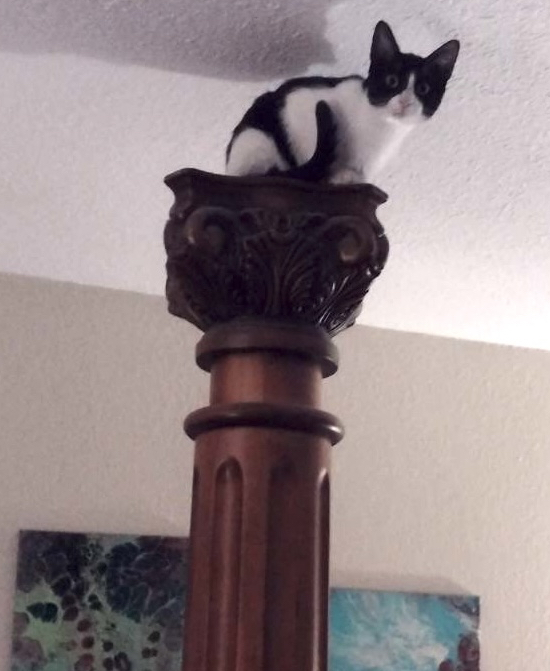
black and white cat standing on a wooden bedpost near the ceiling
Pickles being silly.

Black cats

  • historically associated with witches and evil
  • but otherwise regarded as lucky worldwide
  • and friendly per owners

When I was ~18/19 years old I had a black male cat named Mr Kitty. And he was a very good boy. The only thing I could say negatively is that he had genetic urinary issues since he was ~ 2 or 3 years old. I don’t know about having any good luck because of him. But I didn’t have any bad luck.

Orange cats

  • thought to be more affectionate and riskier
  • easy going and gentle temperament
  • some stereotypes I’ve seen indicate that orange cats are crazy, like they do crazy things. Maybe the risky behavior?

Ok, I never had an orange cat. However, Mr Kitty had a sister named Cinnamon, who, just by her name, you can tell she was a ginger. And she lived in the same house with us. As a result, I was pretty familiar with her and her personality. She definitely was easy going and affectionate to her family.

On the other hand, I’ve seen videos of crazy orange cats. I don’t know if those are male cats or what. Consequently, maybe it’s just a case by case basis. And we shouldn’t take stereotypes so seriously.

Grey cats

  • said to be calm
  • shy
  • and soft-spoken

Cake is our grey furred cat. Although she tends to be calm, she isn’t shy at all.

White cats

  • aloof
  • shy
  • and lazy

I can’t say anything about white cats, because I have no personal experience with them.

Tabby cats

  • playful
  • and outgoing

When I was a young mother, we had a male tabby. He was a rescue, and I don’t know how old he was when we got him. Even though he wasn’t playful, he was outgoing, at least to me.

Tuxedo cats

  • friendly
  • playful
  • and very affectionate

We currently have a tuxedo kitten, and she certainly fits the description well.

Tortoiseshell cats

  • supposed to be divas
  • and can get cattitude with owners

The only tortoiseshell cat I’m familiar with is Meow Meow. She was a middle-aged cat when we took her in. Hence, I’m not sure if that did or didn’t have anything to do with her attitude or lack thereof. She was a happy and loving cat; she even let us pet her belly.

It makes me sad to think that her original family let her go because they couldn’t handle a little bit of cattitude. Clearly some people aren’t meant to be cat people.

Calico cats

  • considered to be divas like torties
  • also, said to be more intolerant compared to other cat colors

I don’t know what people are talking about. Itty is a princess; I’ve told her since she began living with us. Of course she’s going to act the part. And I don’t think there’s anything wrong with her attitude. She doesn’t treat me bad or anything. In fact, she loves me. And maybe only me. But I’m fine with that.

What Does Science Say

person using white iPad, looking at graphs
Photo by Mikael Blomkvist on Pexels.com

Due to these stereotypical personalities, science stepped in to find out whether they were true. Because, just like human stereotypes, pet and animal stereotypes are harmful. Since potential owners have weird ideas about them, it prevents black cats from getting adopted. Therefore, how did science figure out if the stereotypes were true or not? Well, by asking cat owners, of course.

One study looked at cat surveys only from Mexico, while 2 others were from the University of California, Berkeley and the University of California, Davis, respectively. Further, the first 2 studies were relatively small samples; less than 211 in each. But the third sample involved almost 1300 surveys.

According to the first study, gray cats had the highest scores for timidity, independence, and intolerance. Orange cats were found to be more trainable, friendly, and calm, whereas tabbies were bolder and more active. Tricolor cats, like calicos, were more stubborn. And bicolor cats, such as tortoiseshell and tuxedo cats, were more tolerant.

Since the second study was reexamined by the University of California, Davis at a later date and by more participants, that’s the one we’ll concentrate on. In that study, the respondents were asked to rate their cats’ level of aggression at home, while being handled, and at the vet.

In those 3 backgrounds, the most aggressive cats were mostly female gray and white, black and white, orange, and calico cats. Also, gray and white cats were most aggressive during vet visits. And black and white cats were most likely to react negatively when handled, whereas calico cats were more likely to become discontented. Moreover, black, white, gray, and tabby cats had the lowest level of aggression.

Is Your Cat’s Personality Based on Coat Color

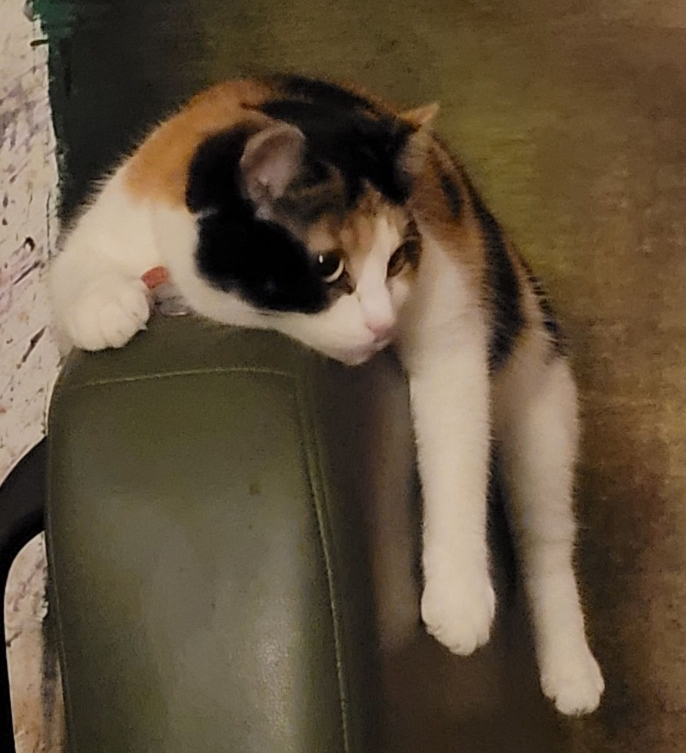
calico cat hanging on the back of a green leather chair
Itty’s hanging on the back of the chair, chillin’.

Remember when I hypothesized above that cat personalities would depend on which person was taking the test for the cat? Everyone in my house thinks my cat Itty is a bit of a prima donna, except me, of course. I readily admit, however, that she detests being handled. And, as such, I respect her boundaries, whereas no one else does. Thus, they feel her wrath on occasion. But I don’t. That doesn’t mean I don’t pet her; I certainly do. Although, as soon as I sense her irritation, I back off, while the rest of my family persists with the petting and picking her up, etc.

Therefore, if I were to take a cat personality test for Itty, she would not fit the standard profile. Though, if anyone else in my house took a cat personality test for her, they would answer based on how she treats them, and how they don’t respect her. And voila, you have a cat coat personality stereotype. I hope that makes sense.

As a result, it’s my opinion that it’s entirely how we view our cats that affects their personality. Consequently, if you know your cats very well, their likes and dislikes, you probably are very familiar with their personalities, regardless of any stereotypes. Kittens act like infants, while cats who’ve been hurt may act like a hurting human.

What do you think? Do you notice any cat coat color stereotypes in your cat or cats? Have you ever heard of these coat color stereotypes before? I hope they don’t discourage you from ever adopting a certain color cat in the future. Thank you for stopping by! Please like, share, and if you don’t already do so, you can follow me now.

https://chickcozy.com/kristinasmith
Categories
dogs non-fowl

The Ultimate Guide to Dog Grooming

I use affiliate links to support my content at no extra cost to you.

When it comes to our furry companions, keeping them well-groomed is not just about appearances; it’s about their health and happiness. Welcome to the ultimate guide to dog grooming, where we’ll delve deep into the art and science of pampering your pooch. From bath time to brushing, we’ve got you covered.

Getting Started: Understanding Your Dog’s Coat

smiling woman wearing black shirt and torn jeans on the ground petting multiple different dogs around her
Photo by Blue Bird on Pexels.com

Before we dive into the nitty-gritty of dog grooming, it’s essential to understand that not all dogs are the same. Different breeds have different coat types, and each requires a tailored grooming approach. Whether your furry friend sports a short, smooth coat or long, luxurious fur, knowing their specific needs is crucial.

1. Short Coats: Sleek and Low Maintenance

Dogs with short coats, like Dachshunds or Beagles, are relatively low-maintenance in the grooming department. A weekly brush to remove loose hair and an occasional bath are usually sufficient. This coat type is perfect for those who want a clean, fuss-free companion.

2. Medium Coats: Striking a Balance

Breeds like Bulldogs and Labradors have medium-length coats that require a bit more attention. Regular brushing helps keep their fur in good condition, and a monthly bath keeps them smelling fresh.

3. Long Coats: The Fluffiest of Them All

Long-coated breeds, such as the Maltese or Shih Tzu, are the epitome of elegance. However, they demand a higher level of care. Daily brushing is essential to prevent matting, and regular trims are a must to keep their fur manageable.

Bath Time: The Right Way to Cleanse

brown and white border collie dog standing inside a white porcelain bathtub
Photo by Elina Volkova on Pexels.com

Bathing your dog is a crucial aspect of grooming, but it’s not as simple as filling up the tub and tossing them in. Here are some tips to ensure a successful bath time:

1. Gather Your Supplies

Before you start, make sure you have everything you need within arm’s reach. This includes dog-friendly shampoo, a towel, a brush, and treats for positive reinforcement.

2. Brush Before Bathing

Brushing your dog before the bath helps remove tangles and mats, making the bathing process more effective.

3. Use Lukewarm Water

Ensure the water temperature is comfortable for your pup, neither too hot nor too cold. Wet their fur thoroughly, avoiding their eyes and ears.

4. Shampoo Sparingly

Use a dog-specific shampoo, and lather it up gently. Be cautious around the face and ears, as dogs are sensitive in these areas.

5. Rinse Thoroughly

Rinse until the water runs clear, ensuring no shampoo residue remains. Incomplete rinsing can lead to skin irritation.

6. Dry and Reward

Use a towel to gently dry your dog. And if they tolerate it, you can finish with a low-heat blow dryer. Don’t forget to reward them for their patience and good behavior!

Brushing: More Than Skin Deep

person brushing a big white dog on a wooden floor
Photo by Yaroslav Shuraev on Pexels.com

Brushing isn’t just about making your dog look dapper; it’s a vital part of their overall well-being. Here’s why:

1. Removing Loose Hair

Regular brushing helps reduce shedding by removing loose fur, which is especially helpful for allergy sufferers.

2. Distributing Natural Oils

Brushing distributes your dog’s natural oils, promoting a healthy coat and skin.

3. Bonding Time

Brushing can be a bonding experience between you and your pet. It’s a moment of connection and relaxation for both of you.

4. Early Detection

While brushing, you can spot any lumps, bumps, or skin issues that may require veterinary attention.

Trimming and Styling: The Art of the Shears

small brown dog getting its fur cut by a person with scissors in their hands
Photo by Gustavo Fring on Pexels.com

Depending on your dog’s breed, regular trimming might be necessary to keep them comfortable and healthy. While some breeds require professional grooming, you can tackle basic trims at home with the right tools and techniques.

1. Nail Care

Trimming your dog’s nails is crucial to prevent overgrowth and discomfort. If you’re unsure how to do this safely, consult your veterinarian or a professional groomer.

2. Ear Maintenance

Check your dog’s ears regularly for signs of infection. And gently clean them as needed with a veterinarian-recommended solution.

3. Professional Grooming

For breeds with complex grooming needs, seeking the services of a professional groomer is a wise choice. They have the expertise and equipment to ensure your dog looks their best.

Maintaining Dental Hygiene: Don’t Forget the Pearly Whites

small hairy dog getting teeth cleaned with a small toothbrush
Photo by Gustavo Fring on Pexels.com

Just like us, dogs need dental care too. Neglecting oral hygiene can lead to dental disease, which can impact your dog’s overall health. Here’s how to keep those teeth in top shape:

1. Brushing Teeth

Yes, you can brush your dog’s teeth! Use a dog-specific toothbrush and toothpaste, and make it a part of your weekly routine.

2. Dental Chews and Toys

Provide dental chews and toys that promote teeth cleaning and gum health. They’re a tasty way to maintain oral hygiene.

3. Regular Vet Check-ups

Regular veterinary check-ups should include a dental examination. Your vet can advise on any necessary dental procedures.

Final Thoughts: A Happy, Healthy Dog

In this ultimate guide to dog grooming, we’ve covered the essentials of keeping your canine companion clean and healthy. Remember, grooming isn’t just about aesthetics; it’s about your dog’s well-being and comfort. Tailor your grooming routine to your dog’s specific needs, and you’ll have a happy, healthy pup by your side for years to come.

Now, go ahead and put this knowledge to use. Treat your furry friend to a spa day they’ll wag their tails about!

Author BioEmma Anderson from Shernbao USA has been involved with dog grooming for the past 15 years and now wants to share her experience and knowledge with others.
https://chickcozy.com/kristinasmith
Categories
cats non-fowl

Why Do Cats Have a Tail

I use affiliate links to support my content at no extra cost to you.

Watching cats be themselves can be relaxing, comical, and educational for pet parents. And though cats don’t appear as expressive as dogs, since their facial features don’t change much, in truth they really are. You just have to know what to look for. As with dogs, you can learn a lot about what’s going on with a cat just by observing their tail. Therefore, today we’ll look at why cats have a tail.

Reasons Why Cats Have a Tail

black and white tuxedo cat balancing on a galvanized fishing tank while putting its paw in the water
Pickles is fishing!

Yes, you probably realized already that one of the reasons cats have tails is for communication. One tail movement does not satisfy for all communication or for all cats. Thus, cats communicate with each other and us about how they feel.

But that isn’t the sole reason or even the main reason cats have tails. Tails act as a counterbalance for landing. And for cats, tails increase their agility. Plus, their tails help them jump, climb, and hunt.

Cats also use their tails as a sign for affection or irritation. Though, I suppose that would be a form of communication as well. When cats are feeling affectionate, they wrap their tails around their humans or other pets. But if they’re irritated, sometimes they use their tails to swat at their humans or other pets.

What about cats without tails? Or short-tailed cats?

Different Lengths of Tails

The length of a typical domestic cat tail is about 12 inches long. However, there are some cat breeds that are rumpy, stubby or stumpy. And those words are somewhat similar. While stubby and stumpy mean a cat with a stub for a tail, rumpy means tail-less.

Cats with the Shortest Tails

gray and white cat on a blue barrel
This is our neighbor’s cat, a Japanese bobtail. But you can’t see the tail, because the picture cut it off.

So, What is Your Cat’s Tail Saying

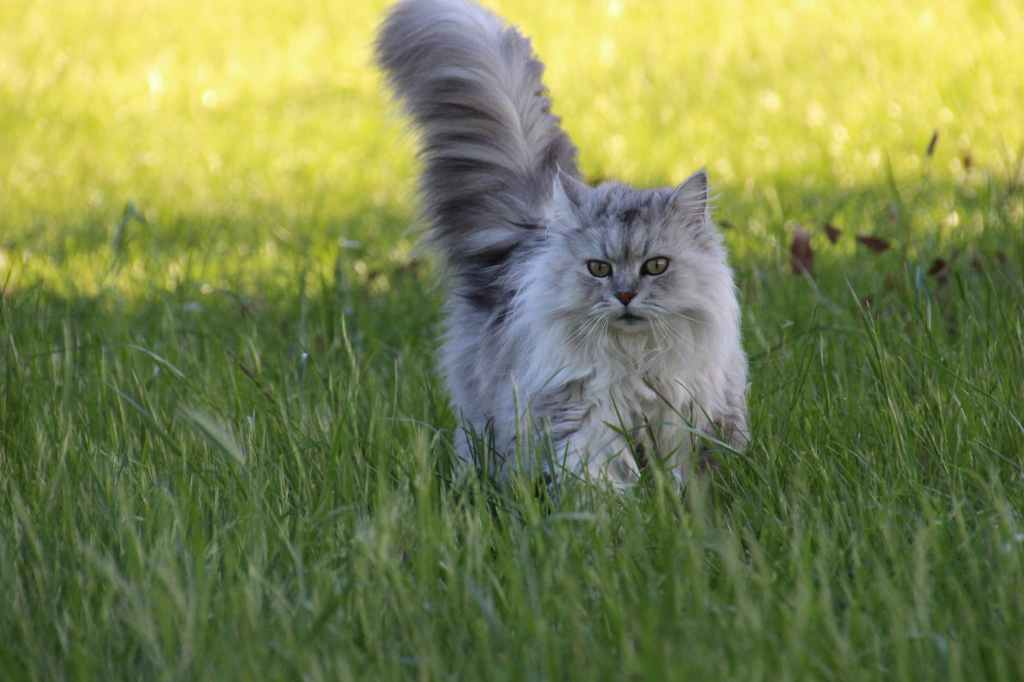
Asian gray longhair cat on grass
Photo by Lynn Elder on Pexels.com
  • Straight up tail means your cat is happy and confident
  • Straight up with a hook like a question mark means they’re in a playful mood
  • Down indicates your cat is anxious
  • Bristling tail indicates anger
  • Tail between their legs means they’re submissive
  • Flicking tail indicates they’re feeling territorial
  • Tail curled around their own body could mean they’re either content or they’re stressed

Why Do Big Cats Have Tails

roaring leopard walking over fallen tree trunks with its tail curled upward
Photo by Pixabay on Pexels.com

But what about lions, tigers, and the rest? Why do they have tails? Well, unsurprisingly, lions, tigers, and leopards, all have tails for the same reasons as domestic cats: balance and communication.

Conversely, cheetahs and cougars mainly use their tails for balance. I could only find one site that stated cheetahs might use their tails to communicate as well. And then cougars are solitary cats. So, I’m not sure if that means no one really knows or what.

In Summary

fluffy white cat climbing a tree outside
Photo by Peng Louis on Pexels.com

Big cats and domestic cats have tails primarily for balance and agility. However, they also use their tails to communicate. But, for domestic cats at least, tails have a wide range of communication. Moreover, even though most cats have a typical 12 inch length tail, there are also tailless, stumpy, and long-tailed cats.

By the descriptions of tail communication above, what does your cat’s tail say about them? Or about what they’re communicating? All of our cats are mostly confident most of the time. However, when we go outside and Itty and Pickles play with each other, they can get bushy tails. But they’re still definitely playing with each other. And sometimes Itty will have her tail down, flicking while walking around and hunting bugs.

Thank you for stopping by! Please share, and if you don’t already follow me, please do so now!

https://chickcozy.com/kristinasmith
Categories
All animals cats dogs non-fowl

Can a Dog Bite Get You Sick

Subscribe to continue reading

Subscribe to get access to the rest of this post and other subscriber-only content.

Categories
cats non-fowl

Why is My Cat Suddenly Shedding So Much

Was there ever a time when you were holding your cat and suddenly noticed fur everywhere? That’s happened to me with Itty a few times. Therefore, at those specific times, I wanted to know, why is my cat suddenly shedding so much? I had a guess to Itty’s shedding. But there can be many causes.

Shedding is a normal process for cats, just as molting is for chickens and snakes. Plus, your cat will always leave behind errant hairs. However, at times, it can seem to be too much fur. Or, as I pointed out before, it seems like it comes out of nowhere. So, what’s considered a normal amount of shedding? In addition, what’s causing all the shedding? And should you be worried? We’ll answer those questions. Then go over tips to help you with your shedding cat.

What’s Considered a Normal Amount of Shedding

fluffy gray cat walking away on green grass outside
Cake is a free spirit.

We didn’t have cats till moving to Oklahoma, but we did have a dog. So I already knew about dogs shedding. However, when our last dog passed away, the fur was almost non-existent in the house. That is until we got a bunny. Then, not long after, we got Sophie, our Aussie. That’s not to say Itty won’t shed; she just doesn’t as much as Cake, who has a fluffy coat. And Pickles might not have as much fur, though she’s a kitten. Thus, she’s transitioning to her adult coat. Consequently, she seems to shed as much as Sophie.
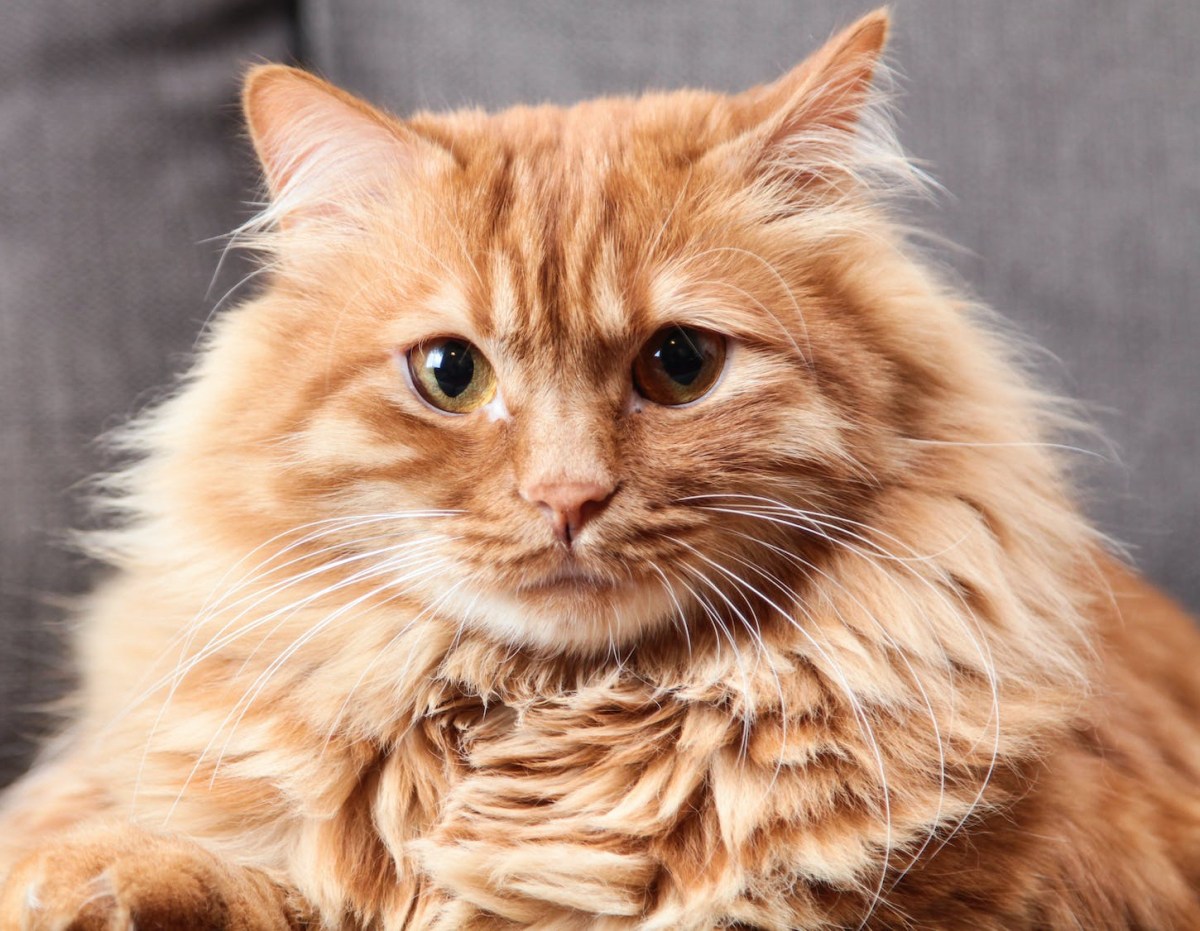
Cats can shed twice annually. In the spring they shed their winter coat. And in the fall, they shed to replace their fur in order to get their winter coat. Although, if you have an indoor cat, like me, you might not notice the shedding as much all at once. On the other hand, if you have long-haired cats or cats who have a lot of fluff, they tend to shed more than short-haired breeds.

Why do Cats Shed

black and white tuxedo kitten on a gray couch sticking its tongue out
Pickles when she was a little younger.

Similar to us shedding hair, cats primarily shed their fur to make room for new fur. It’s based on a cycle and daylight exposure. And many things can influence this cycle, including whether your cat is inside or out. Though, usually indoor cats will shed some throughout the year. Other reasons cats will shed their fur include

  • allergies

If your cat is suffering with allergies, excessive or abnormal shedding is one of the signs.

  • parasites

Fleas, ticks, and mites cause itchiness and inflammation, which then spurs your cat to scratch and scratch. And a lot of scratching will lead to shedding.

  • ringworm

Rather than an actual worm, this is a fungal infection that affects the hair and hair follicles. In addition, one of the first symptoms can be a bald spot on your cat’s body.

  • pregnancy

Both pregnancy and lactation can deprive cats of calcium and minerals necessary for their coat. And that can lead to shedding.

  • metabolic disorders

Damage to the thyroid or hypothyroidism can bring about a decline in hair follicles. Plus, kidney failure leads to hair loss, while diabetes causes dandruff, flaking, and unkempt fur.

  • poor diet

Lack of sufficient protein or inadequate food can cause shedding. If you’re a first time cat owner, ask your veterinarian what brand they recommend you feed your fur baby.

  • age

When a kitten is reaching adolescence, ~ 6 to 12 months old, they start to shed their baby fur. Moreover, coat quality changes as animals and people age. Fur and hair get thinner. Thus, for cats, shedding is likely the culprit.

  • and lastly stress

When cats experience a sudden fear response, like going to the veterinarian, quick shedding is a normal biological response. On the other hand, longterm or chronic stress can cause behavioral issues, such as over-grooming. And that leads to hair loss, such as bald spots.

As you can see, some of these causes of shedding are quite normal and nothing to be concerned about. However, some of them definitely merit a visit to the vet. Next, we’ll look at ways you can help your kitty when they’re shedding or to prevent it before it starts.

How to Help Your Shedding Cat

close up shot of a person bathing a gray cat
Photo by Karin Chantanaprayura on Pexels.com

If the shedding is due to seasonal change (spring or fall) or their age, then try the following:

  • Get the appropriate tools

Short-haired cats need a fine-toothed flea comb, soft brush, grooming mittens, and a shedding tool. Long and medium-haired cats need a wide-toothed flea comb, longer brushes, and a shedding tool.

  • Use those tools regularly

Combing and brushing your cat several times per week and daily during seasonal changes will help in the long run. In fact, this is the #1 piece of advice anywhere. Also, this is best to start when cats are young. But, if you didn’t, it’s ok. Just offer positive reinforcement, and go slow. Also, definitely go slow when using the shedding tool. And don’t over-use!

  • Get your kitty professionally groomed

Some brave souls opt to bathe their own cats when shedding is at its worst. After a warm bath with cat-safe shampoo, comb and brush your fur baby till they’re dry. You’ll be surprised by all the fur!

  • Boost hydration

It’s not that your cat is to the point of dehydration. But cats are known to be picky when it comes to water and where it comes from. Thus, if you don’t change their water daily, have an automatic water dispenser, or a fountain, that could be contributing to their shedding.

  • Improve mealtime

Adding wet food containing seafood will do so much for your cat’s coat. I personally can vouch for that. When Itty came to us she had a dull, dry coat. However, it wasn’t until I started adding wet food to her diet that her coat got bright, shiny, and silky. Now that she’s an adult, she also spends the majority of her waking time grooming herself. And, as I mentioned, she rarely ever sheds, unless she’s stressed.

However, if shedding isn’t due to seasonal change or age, or if your cat is pregnant or has any bald spots, call your veterinarian. Your vet is better equipped to give you advice on what’s going on with your kitty. Anything from fleas and stress to age-related disorders or allergies can also cause shedding.

To Summarize

calico cat lying on top of a green pleather chair with legs hanging over the edge
This is Itty.

Shedding is normal for cats, just as it is for dogs. However, parasites, ringworm, allergies, old-age, stress, and disease can also affect cats and ultimately their coats. Any time your cat is shedding excessively and you’re unsure of the reason, or if they have bald spots, it’s best to let their vet check them out.

Other than seasonal change, do you know why your cat sheds? How do you handle it? As I said, Itty is our only cat that doesn’t shed a lot, unless she’s stressed. And as far as stress, she’s been doing much better. Thank you for stopping by. Please share, and if you don’t already do so, you can follow me now.