Providing helpful information regarding our feathered, feline, and canine friends while also sharing fun stories. And locally we provide pet sitting services.
I promised this post over a few months ago when our bunny Mabel passed away. And I also hinted about bonded bunnies back in September with my post about gendering rabbits. But what does the term ‘bonded rabbits’ even mean?
Bonded rabbits are 2 bunnies who are personally bound to each other. And they help each other negotiate their world manually and mentally. Below are more bonded bunnies facts.
Bonded Bunnies Facts
They live in groups
Rabbits are meant to live in groups, not alone. They groom each other, rest, and eat together. So if you get a bunny, don’t just get one solo rabbit. It’s best to get a pair.
However, there are plenty of animals that can make a good companion to rabbits. Cats are at the top of the list, as long as the bunny isn’t afraid of said cat.
The bonds are lifelong
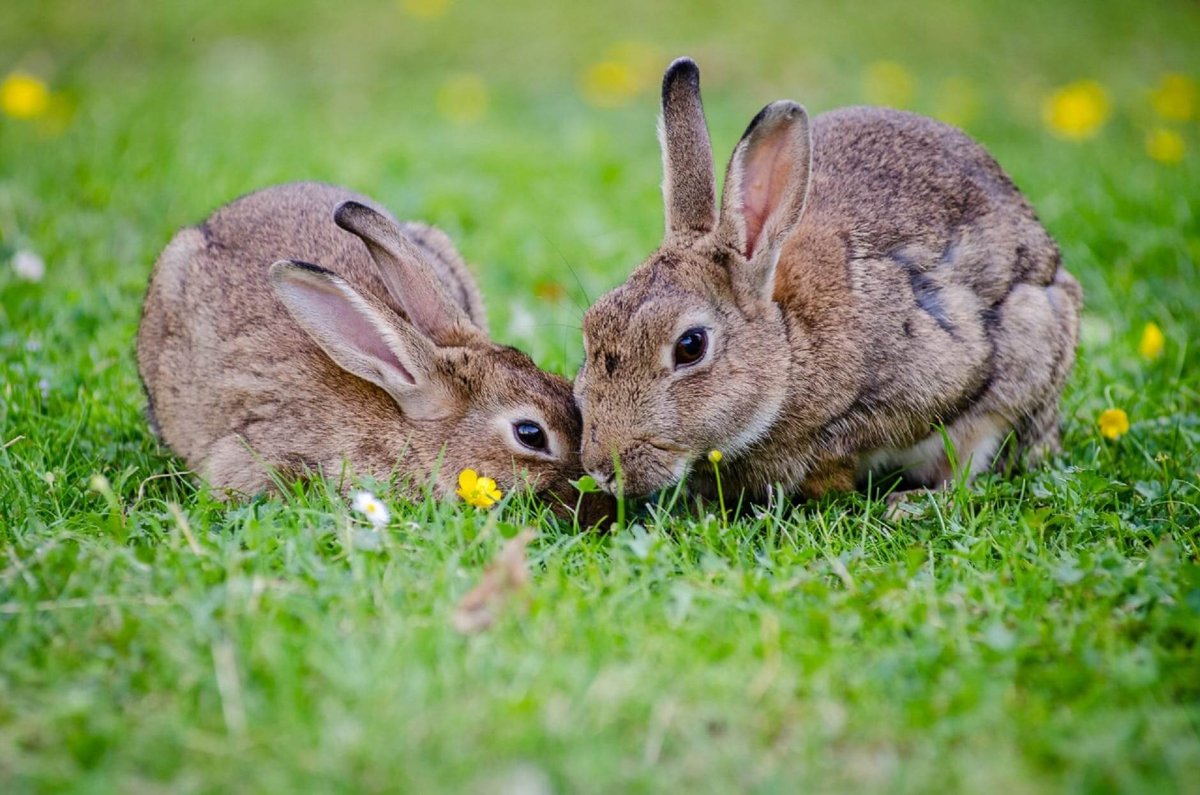
Bunnies form bonds for life. Maybe that’s because, in nature, the wild European bunnies bond for life.
Forming bonds can take time
It can take weeks to years to form a bonded rabbit pair. But you know your bunnies are bonded when they can hang out with each other, groom each other, and sleep with each other with no aggression. Because that means they feel safe with each other.
Thus, be patient, because it takes time.
DoNOTseparate them
This was after Mabel’s surgery. The fighting had already begun.
If you have a bonded pair and ever separate them, they’ll smell different to each other, could reject one another, and begin fighting. Bring them everywhere together. Period.
We experienced this when Mabel got fixed. We were totally unaware that we were supposed to BRING Ricky to Mabel’s appointment too, until the deed was already done.
After Mabel healed from being neutered, they started fighting; the fur was literally flying, and Ricky was no longer putting up with Mabel’s dominance. He started using the bathroom all over the living room, and they both looked so miserable.
So we confined them to the kitchen and living room as we tried helping them in their relationship. Then we phoned the vet, asking for advice, which is how we learned our mistake. We were advised to keep them separated, one in the hutch, the other loose, and yet have them in the same room. That was so they could start getting used to each other again.
They took turns being in the hutch and being loose. However Mabel’s unhappiness really weighed heavily on me, being restricted as he was and what he perceived as the loss of his friend.
The best pairing is a buck and a doe, as this is what occurs in nature. However, 2 does from the same litter can work, because usually they’re sisters. And finally, the least likely pairing to work is 2 bucks.
Although, that doesn’t mean it’s entirely impossible for 2 bucks to bond. They both need to be neutered, introduced slowly, and one of them needs to be submissive, otherwise there will inevitably be fighting. And a lot of it.
Mabel was fixed, but at the time, it was still too early to neuter Ricky. I think he still had at least a month to go before he could get fixed. And still neither of them wanted to back down on their power plays; neither was giving ground. So we found Ricky a home with other rabbits. I missed the Mabel who first came to live with us: his curiosity and joy at exploring the rest of the house and being the center of attention.
That’s our experience with bonded bunnies. And we messed up, because we didn’t know until too late. Hopefully, if you have rabbits of your own, you have better luck.
Thanks for stopping by! If you enjoyed this post, please like, post a comment, and share.
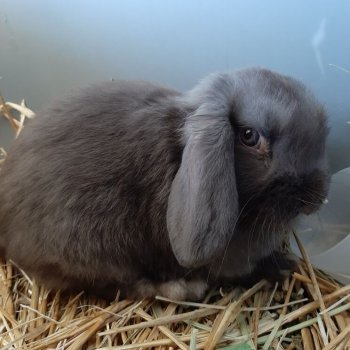
Today I’m not posting a recipe. Rather this is going to be about guilt and grief after pet loss. And if you follow my blog, you know the animals I have: chickens, ducks, cats, a guinea hen, and a dog. Also, I usually only post about issues and animals I’m familiar with. Or about issues I’ve witnessed personally. That being said, we lost Mabel, our dwarf lop eared rabbit on Monday.
I was absolutely not prepared for the amount of tears that I had initially, and that I still have. I thought I’d seen enough chickens die, since being a chicken owner, to have Mabel’s loss affect me so much. But inside animals are very different than outside animals. And they tug on our heart-strings much stronger. However, don’t get me wrong, we’ve had favorite birds that have passed. Davis recently did. I was almost tempted to cry, but again, I’ve seen too many chickens die. They either make it or they don’t. So we learned to get over it.
Our History with Mabel
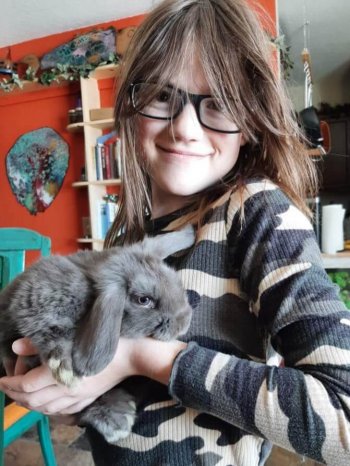
Hannah bought Mabel as a Christmas present (last year) for Sarah, our 10 year old. But we didn’t actually receive Mabel until February of this year (2021). When we brought him home, he was very shy at first. He was acutely aware of his status as prey. Although not long after, maybe a week later, he was letting us approach him, without running off.
Soon Mabel was doing binkies. Binkies are special hops bunnies will do when they’re especially happy. And he used to do them all the time, in addition to exploring the house. Then we got him a friend named Ricky. We thought about breeding them, but quickly rejected this idea. This was before we knew Mabel was a boy bunny.
Mabel humping Ricky.
Mabel was very aggressive toward Ricky; he would mount him continuously everyday, which is why we scheduled to have him fixed as soon as we did. Hence we discovered he was really a boy and not the girl we’d grown to love. Although we still loved him, even though we kept his name ‘Mabel’. We couldn’t change his name, because he knew it by then.
Well, post surgery, Mabel and Ricky started fighting. It was no longer just Mabel being dominant. Ricky started standing up for himself. Which sounded great at first, but then they both became miserable. I won’t post about all the details right now, but I promise I will later. So we instantly found a new home for Ricky, aware that Mabel was likely to be out of sorts for a while.
Poppy sleeping on Mabel.
Well, enter Itty Bitty Kitty or Poppy. She’s the kitten one of our neighbor’s brought to us after finding her in the middle of the road. She was about 5-6 weeks old, not old enough to be on her own. Given that, we took her in and cared for her. Which was like caring for a baby. So, she was growing up around Mabel. And she would get in his cage with him and take naps in there. Also, as she’d get bigger, she’d chase him. Or they’d chase each other.
Faint Changes in Mabel
This is about the time I started noticing small changes in Mabel. He didn’t seem depressed, like he just lost his bonded partner. For which I was very thankful. And I owe that to Poppy. I think she kept him busy. So both her presence and Mabel being able to freely explore the house, like he did before Ricky arrived, kept him distracted from Ricky’s absence. However he didn’t approach us like he used to. Also, he no longer did binkies.
Sophie
And then Sophie arrived. Sophie is an Aussie or Australian Shepherd. I have not yet written anything about her. Not for lack of content, because there’s plenty. But because I have so many other things in line. And probably not enough time. So Sophie came into our lives. My husband and daughters have been trying, nearly endlessly since Moses died, to get another dog. We’ve been scammed at least once. So beware of buying dogs on Facebook especially. That’s where we got scammed out of $300.
Well, a different neighbor helped someone they knew give up their dog. They’re an older couple, while Sophie is 7 months old. And they kindly ‘offered’ Sophie to us. We joke all the time now that they were scared she might eat them. Because she constantly chews on . . . furniture, clothes, shoes, people.
Mabel hiding under my bed.
Anyway, moving on. Mabel wasn’t depressed when Ricky left. But as Poppy got bigger, he’d stay under my bed. I’d reason he’s a nocturnal animal. Besides I could always lure him out with a piece of fruit or a Fig Newton. Then when Sophie came to live with us, I attempted to get my family to slowly introduce the members of our animal family. They only listened so much. After all, slowly can be interpreted differently to different people.
Well, Mabel hung out only in the living room as long as Sophie was in the house, I began noticing. I was definitely getting worried about my bunny. I would watch him, paying attention to his posture. Was he relaxed or stressed? But then he would go into another room, and my anxiety would be for nothing. At least it seemed that way.
He’s lying in a relaxed position.
These little behavior changes in Mabel continued. Soon he was just eating, pooping, and sleeping. Sometimes I wondered if he was depressed by both Poppy and Sophie. I could point to both of their arrivals to when he started changing. But I consoled myself with the fact that he continued eating. As long as he was eating, I figured, everything must be fine.
So then I wondered if it had to do with getting him fixed. Most sites only list benefits to the changes brought about by sterilization. However I did come across one site where members had their rabbits fixed. And some members experienced similar issues, where their bunnies’ personalities changed from before they got sterilized. But maybe I was just grasping at straws.
The Day Mabel Died
I went to work Monday. And everything was as it always was before I left. I checked on Mabel, petted him, and talked to him. However when I went on lunch break, I checked my emails. And that’s when I knew Paul took an animal to the vet. Because I got a digital receipt. Therefore, I called him and asked about it.
I figured it would either be Poppy or Mabel, so I asked which of the 2 it was. He stalled, so I asked again. He told me it was Mabel. I asked him what happened to Mabel. And again, he stalled. Then I knew it had to be bad. I repeated my question. When someone starts out with an apology, there’s trouble. And that’s when he told me Mabel died.
Poppy
He proceeded to tell me that Mabel had sepsis. Mabel apparently got an infection from Poppy playing with his ears. However bunnies don’t let you know anything is wrong in the same way that other animals do. They’re silent sufferers. And he was the first rabbit I ever had, so I didn’t know what to look for with everything else going on. I didn’t know if the changes in his personality were due to him losing his genitalia, his friend Ricky, or Poppy and Sophie living with us.
Paul blames himself, I blame myself. We both feel like terrible parents. And I know truly, deep inside, that no one learns anything unless they make mistakes and fail. But I loved Mabel, and I hate that he suffered while I wasn’t even aware of it. Until it was too late.
After grieving for a couple of days, I looked up info on sepsis and rabbits. And I learned that it happens very quickly, 1 to 2 weeks from onset of infection. So it isn’t likely the behavior changes, that he had for the 2 months Sophie’s been with us, were from infection. Because he would’ve been dead way before now. However I’m still sad. And I still feel guilty.
Dealing with Guilt and Grief
I know these are normal feelings. They’re natural, expected emotions for grief. Whether you’re grieving for a human loved-one, who passed away, or a fur baby, grief isn’t just limited to humans. Therefore, if you have pets, at some point you’ll face this too: the loss of a loving pet.
Why do we carry guilt after someone close to us dies? It’s easy to understand grief; we’re sad, and grieving is a normal process. However guilt doesn’t make sense, but we still do it. And we can justify our guilt. At least to ourselves. Granted, there are people out there who shouldn’t have animals, because they don’t care for them. Either through neglect or abuse. Although I’m not thinking about those people, who’ve lost a pet, when I think of guilt and pets.
I’m referring to regular pet lovers who have lost a pet through no fault of their own. Yet they blame themselves, because hindsight is 20/20. We should have known …. Fill in the dots. If we could all go back in time, none of us would have lost anyone we loved.
Even if your pet died from an accident, you still blame yourself. One of my favorite dogs, Roxy, was hit by a car and died several years ago. I felt guilty, because something inside of me that morning told me to put her in my bedroom. Then at lunch I got a call that repairmen came to our place, and when they opened the door, Roxy ran out. But instead of trying to call her to them, they chased her. And we lived close to a busy intersection; she died instantly.
So naturally, I was guilty, because I didn’t listen to that inner prompting, telling me to lock her up. I didn’t know what was going to happen. And it wasn’t a strong feeling. But after she died, I could justify my feelings of guilt by how she died. And by the simple fact that she died that day. It was obviously my fault.
You can feel guilty and sad if your pet passed away from a long illness. And you can feel guilty about any of the myriad of things that come into your head about how you could have, should have, would have, etc, etc, etc. I have experienced those same thoughts and ideas with all of my pets that have died, including Davis, the chicken I didn’t cry over.
How to Survive Guilt and Grief After Pet Loss
One of the most common suggestions for surviving guilt and grief is to write a letterto your pet that passed away. It sounds extremely easy. And in the letter just explain your feelings: the sadness and guilt you carry. Furthermore, you can even write down why you have the guilt. Then when you’re done, you can burn it, releasing it all. Sure, you’ll still think of them. And you might still cry. But you won’t be shouldering the burden of guilt. Also, it doesn’t matter whether you believe your deceased fur baby can ‘hear’ you. All that matters is expressing your emotions instead of locking them up inside of you.
Most people who have lost pets don’t judge others who have lost their own furry friends. When we lose a loved one, we become our own judge and jury. I suppose that’s why we’re guilty in our own eyes. Even if there was nothing we could have done differently. Because there’s this need to explain the whys: Why did you die? Why couldn’t I say ‘goodbye’ one last time? Why wasn’t I home? Maybe he would still be here...
Also, there are pet loss support groups. Most of them are probably online now due to Covid. Though after reading a couple of entries, I’m not sure I’d be able to talk coherently in an in-person group anyway; the stories I read had me in blubbering tears. Of course, our rabbit did just pass away, so that’s fresh. But also, when you love animals, another person’s grief is contagious.
The most important thing you can do for yourself when you lose a pet, though, is to forgive yourself. I am in no way agreeing with you that you are guilty, because I can’t say that. I, too, am suffering the same thing; have gone through the same issue with each pet that has died throughout the past, at least, 27 years. But no one else except me is blaming me for Mabel’s death. And nobody else but you is blaming you for your pet’s death as well. Which is why we need to forgive ourselves for what we perceive are our failures–how we failed our loved ones.
Healing from guilt over death will not be instantaneous, because healing takes time. Like all wounds. However it will happen. I can say that just writing this blog has helped immensely. For instance, I have been able to write today without crying at all. Even thinking about Mabel, looking at pictures, and talking about him are all bittersweet now, rather than painful. And compared to Monday, when I heard the news, it’s like night and day.
So to sum up, when we lose loved ones, we tend to blame ourselves. But we can get locked in a cycle of guilt and grief after pet loss. That is unless we do some things. Like writing our pet a letter and/or joining a support group. And lastly, forgiving ourselves.
Monday, after Paul told me that Mabel passed, initially I thought I didn’t want another bunny. However I was hurting, and I felt terrible. But I no longer feel like I don’t want another rabbit. Having Mabel was fun, he was a great bunny. And it was a great experience, up until he died. So I don’t want to never have that again. Although we will wait until Poppy and Sophie are older.
Thank you for stopping by. Please feel free to ask questions or leave a comment.
There are a lot of health advantages to spaying or neutering rabbits. And this includes extending their life expectancy. But what are the other benefits of spaying or neutering your rabbit? Well, I’ll get to that in a minute. Spaying or neutering your pet refers to sterilization. Or making them infertile and incapable of reproduction. Terms like ‘having your pet fixed’ or ‘altered’ are the same as having them spayed or neutered. Males get neutered while females get spayed.
In addition, we’re all aware that veterinarians recommend getting our cats and dogs spayed or neutered. However you may not know that having your rabbit fixed is just as vital as having your dog or cat fixed.
Removes the potential for ovarian and uterine cancers. Additionally other uterine problems like pyometra are reduced as well. Pyometra is an infection of the reproductive tract.
The threat of uterine cancers escalates as rabbits mature. So it’s best to spay females before they reach 2 years old to minimize the risk.
Reduces the possibility of them getting mammary gland cancer and mastitis.
Just as in uterine cancers, age increases the risk of female rabbits getting mammary gland cancer. So an intact older female is more in danger for this type of cancer. Also, females have 8 mammary glands, which further adds to their risk of cancer and mastitis. But spaying greatly removes the likelihood that they’ll get either mammary gland cancer or mastitis.
Pseudopregnancies are false pregnancies. Which means the female rabbit will start showing signs of being pregnant. But without actually having a fetus in her uterus. And false pregnancies can happen even if there is only one intact female rabbit. By herself. While the only other factor is she hasn’t been spayed.
As you can see, there are many health incentives to having a rabbit fixed. And most of them involve the reproductive organs. Because most of the issues rabbits get tend to revolve around those organs.
Also, there are other advantages when spaying or neutering your rabbit. Which can be seen relationally. Furthermore, these benefits are common to both sexes.
Mitigates terrorizing behavior.
Both sexes can be aggressive to the opposite sex. And also to their own sex. Additionally typical hostile behavior includes biting, lunging, and mounting. But once rabbits hit sexual maturity, this behavior can be intractable.
And both males and females can still mount after getting fixed. So in this case, it’s not about procreation; it’s about dominance. But if the rabbits have been spayed or neutered, they’re less likely to get injured.
Spaying or neutering your rabbit will minimize the chances of either one marking their territory.
Both sexes mark their territories, which could include you or other animals, with urine. Although this is more common with male rabbits. And the habits of spraying are difficult to break after they hit maturity.
Makes litter training rabbits easier.
Until rabbits hit maturity, and everything that goes with it, you might have some success with potty training. However after that time, when rabbits are more interested in marking their territory and reproducing, your success will eventually wane. Therefore, spaying and neutering rabbits also helps the process of litter box training. So they don’t go to the bathroom all over your house.
Both sexes become easier to handle.
Prior to sexual maturity, rabbits are pretty easy to manage. But once they hit that magic age, all of that earlier handling disappears. Both males and females can become aggressive, even to their owners. Although spaying and neutering rabbits calms them back down. And makes it possible to bond with them.
Many might think it would be sweet to have kittens (baby bunnies). However the likelihood that you would find homes for them is very small. Starting anywhere from 3-6 months, they’re fertile. And they can have numerous kittens per litter.
When to Spay or Neuter Your Rabbit
You should get your rabbit spayed or neutered before they develop any illnesses. Or problem behaviors. However, with that in mind, most people recommend around 4 to 6 months. But it’s best to establish a relationship with an exotic animal vet and ask them. That way they can see your rabbit and answer any questions you may have.
I hope you enjoyed this post, and that I answered any questions. And thanks for reading my post. As always, if you have any questions or comments, please feel free to ask or comment.
Do you know how to tell the gender of a rabbit? You may or may not know how difficult it is to tell the gender of a rabbit when they’re young. A female rabbit is called a doe, while a male is referred to as a buck. And baby rabbits are called kittens, just like baby cats. Also, females hit maturity anywhere from 3 to 8 months. But it’s dependent on the rabbit’s breed. Further, smaller breeds mature faster than larger breeds.
How to Tell the Gender of a Rabbit
Kittens, or baby rabbits, don’t have any external indicators, like birds, to let you know if they’re male or female. Just like cats. And females and males can physically look alike. So how can you tell gender? The only way, it is reported, is by inspecting the genitals. So, in order to tell the gender of a rabbit
First, place the rabbit with his/her tummy up, in order to examine the genitals easily. However be gentle, because rabbits are prey animals. And they’re naturally scared.
Watercolor of bunny on its back, courtesy of Paul Smith
Get some help. But don’t pick the rabbit up. Instead, put it on a cushion or a low table to prevent any accidents if it tries to get away. Also, if the rabbit doesn’t cooperate by being face-up, then you can achieve similar results if it sits on its tail. Try not to let them kick. And don’t hold them by their ears.
*If you’re gendering a kitten, then wear rubber or latex gloves so you don’t pass on any diseases. Or your smell, which could cause the kitten’s mother to reject it. And when you’re finished inspecting the rabbit, let it go. They easily get stressed if held against their will.
When you’re ready, to know how to tell the gender of a rabbit, find the anus opening and genitals. In both females and males, the anus will be near the tail. If you have a female, as you follow the tail, near the abdomen, you’ll notice an oval hole. That’s the vulva, which indicates your rabbit is a female.
But in males, the opening is a little further from the anus. And there’s a clear separation. Also, the space is more spherical.
Some people recommend applying pressure on the surrounding edges of the hole to extrude the male rabbit’s member. However it could hurt him if you don’t know what you’re doing.
You can also check if you can see the testicles. A male rabbit’s should be easy to spot since they’re hairless and of a purple hue.
Some people claim that by examining the genitalia of rabbits, that females and males have very recognizable features on their bodies. Females are supposed to have V-shaped, or a mountaintop, appearance which can be sticking out some, while males have 2 oblong testicles above their genitalia.
However I don’t agree. It’s not always so cut and dry. Take, for instance, our first dwarf lop eared rabbit, Mabel. The breeder told us he was a female. And we grew to love our female lop. We spent months thinking he was a ‘she.’ But after we got Ricky, our 2nd dwarf lop, Mabel chased and harassed him all the time. So we decided to get them both fixed. Although, since Mabel was older, and he was causing problems, he would go first. Then it would be Ricky’s turn. And that was when we learned the truth about Mabel.
Hannah dropped Mabel off at the exotic animal vet. But not long after, she received a phone call, and was asked if they had the right bunny. And if so, did we still want them to proceed with Mabel’s alteration. She was momentarily confused. So they proceeded to explain that once the sedation was administered, Mabel’s testicles descended. Which meant that Mabel was never a ‘she.’ He was always a he.
We learned that this is actually common if a rabbit is scared. That they can actually hide their testicles. Or gender, if you will. So that if you look at the genitalia, when the rabbit is scared, then the male rabbit will be hard to distinguish from a female. Now we could have at any time checked Mabel ourselves, once he was relaxed and familiar with us, to see whether he was a female. But we trusted the word of the breeder. She was the one who did this for a living. Thus we figured she would know. And when it came to Ricky, she was spot on. I guess Mabel didn’t want anyone to ever know he was a boy.
Ricky and Mabel.
Obviously we were quite shocked by this discovery. And then we wondered if Ricky was in fact a female. We sort of hoped so. But after Mabel was home and healed, Ricky and Mabel started fighting. And fighting, with neither looking too happy about their situation. Which is a post for another day.
I hope this answered any questions you might have about how to tell the gender of a rabbit. But if you still aren’t sure about your rabbit, then you can always make an appointment with an exotic animal veterinarian. Especially if you get another rabbit.
And thanks for stopping by! Feel free to comment or ask questions.
Today I’m going to go over how to care for a pet bunny. If you are at all familiar with my blog, you know that I have chickens and ducks. Well, I also have cats. And I used to have bunnies. You can check out this post to see some amazing pictures, and even share some of your own.
When we started on this journey, living in the country, I never imagined we would have the animals we have. And I certainly never thought I would love them all the way that I do.
If you recently got a rabbit or are thinking about getting a bunny for your child or grandchild, then this is for you. So how do you take care of a pet bunny?
Myths about Caring for a Pet Bunny
First, let’s unravel the fiction surrounding the care of rabbits:
Fiction #1: Bunniesmake the perfect pets for children.
False! Bunnies are easily frightened by sudden movements, noises, and really anything. It takes time for rabbits to feel safe in our presence. However, if you spend time with kids, showing and reinforcing them how to interact with a bunny, then they can be great with each other.
Fiction #2: Bunnies are low maintenance.
False! Bunnies eat constantly. If they go without eating for 12 hours, their bodies can release toxins that could be fatal. Rabbits also have this mischievous side to them, that requires them to be monitored, or they could get into trouble or have an emergency. And lastly, if you don’t pay attention to your rabbit at all, it will get lonely. There have been bunnies that have died from broken hearts.
Fiction #3: Bunnies like to cuddle.
False! I know that I said rabbits get lonely if left to their own devices, (or into trouble) although that doesn’t mean they want to be cuddled. Especially when you just get your bunny, it won’t want to be handled very much at all. At least not until it knows and trusts that you are not a threat. Bunnies don’t like being picked up, and they will immediately try to get away. They have sharp claws, and if a child picks up the rabbit, this won’t be a good situation for either of them.
Fiction #4: Bunnies can live outside.
False! Rabbits do much better indoors, due to the simple fact of the lack of predators in your house. They are prey animals, and they know it. So, imagine having your bunny outdoors where all of the noise surrounding them could be something waiting to devour them. They’re already extremely timid creatures, and they’ll remain so, unless they know they are safe.
Another thing to consider is if you live somewhere it gets hot in the summer, then your bunny won’t fare as well living outside. Rabbits do much better when it’s cooler than when it’s hot.
Fiction #5: Bunnies can stay in a hutch or cage.
False! Keeping a rabbit cooped up in a cage all day is cruel. They need space to run and stretch. If you leave your bunny outdoors or in a cage all day, chances are high that you or your kids will eventually forget about it. The bunny may get fed and watered, however interaction will probably dwindle down to next to nothing. Out of sight, out of mind.
Fiction #6: Bunnies like carrots.
False! Rabbits actually only eat the leafy part of the carrot. However, the main thing bunnies are supposed to eat is Timothy hay; that makes up the majority of their diet. The rest of their diet comes from leafy greens–no more than a cup per bunny per day. They absolutely love fruit, although these need to be treated like candy. Giving a rabbit fruits on a regular basis isn’t good for their health, so only a very tiny bit once a week. And then there’s the bunny food in pellet form, comprised primarily of alfalfa or Timothy hay. This should only be a handful, as the Timothy hay is the majority of what they eat.
Now that we’ve gone over some myths besetting the care of bunnies, let’s discuss the reality.
Facts about Caring for a Bunny
Set up safe indoor housing.
Whether you choose to put your bunny in a cage, or let it run loose in your home is entirely up to you. Though, if you have it in some type of bunny cage, make sure the cage is at least 5 times the size of the bunny. You want the cage that big so the bunny can stretch and jump.
Also, keep the bunny’s quarters close to the family, so it won’t get neglected.
We had two dwarf lop eared bunnies. They both slept in cages, but when we were home, they were free in the family room and kitchen. The rest of the house was blocked off with child gates. If we still had them, I would’ve had my husband enclose the back patio, with the intention of that being the bunny room.
Bunny-proof your home.
Bunnies like to explore and they like to chew. On everything. And even if you have your rabbit in a hutch or cage, you will need to let it out sometimes for exercise. You need to create a safe place for your bunny while also protecting your things. So, it’s a good idea to get wire covers, furring strips, and even get baby gates to block off certain areas.
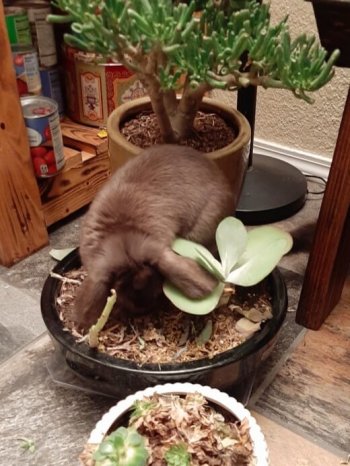
Also, there are a lot of houseplants that are poisonous to rabbits. And rabbits don’t have the good sense not to eat them. Bunnies are constantly chewing or nibbling on anything and everything. If you’re unsure whether a plant you have is bad for your pet bunny, you can look it up or just keep it out of reach. You can check this site out for more info.
Set up a bunny bathroom.
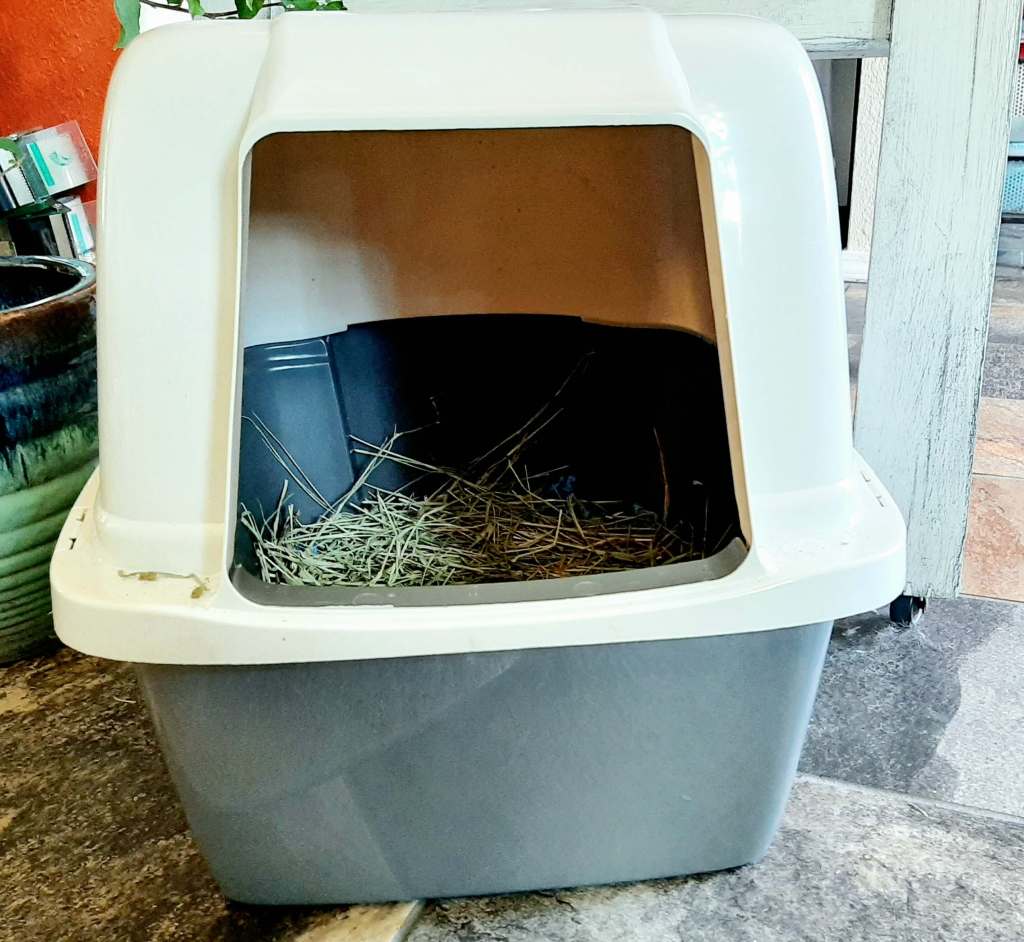
No, really, I’m being serious. Bunnies can be trained to use a litter box like cats. However, with that being said, the litter materials are completely different. You don’t want to use the same litter you would use for a cat, because bunnies eat and eat. This will make them sick.
Instead stick with organic material like paper, although newspaper isn’t as absorbent. You don’t want to use wood shavings either, because they can cause liver damage or allergic reactions in rabbits. Once you have a thin layer of paper laid down, then spread a thick layer of hay. This is because rabbits like to eat while they do their business.
Once again, when we had rabbits, we had one potty-trained. The older one. When he would go to the bathroom on the floor, bunny pellets, we would scoop them and him up, and then deposit all into the bunny bathroom. Every time. It didn’t take long at all for him to learn that was where he was supposed to go potty.
Give your bunny a balanced diet.
A big part of caring for your pet bunny is with nutrition. Most of what your bunny will eat or is supposed to eat is Timothy hay. Your bunny should also get some vegetables, like leafy greens. What we gave our bunnies is Half and Half. It’s half baby spinach and half baby lettuce. But they also liked Spring Mix. Iceberg is not good for rabbits, so you want to avoid giving that to bunnies.
I already mentioned that bunnies love fruits. Though you want to give fruit in moderation. Like a bite of an apple once a week. Our bunnies loved blueberries, but again, we limited how many we gave them. And how often.
Don’t give your bunnies rhubarb, iceberg lettuce, tomatoes, cabbage, corn, peas, potatoes, seeds, beets, onions, chocolate, candy, or most human foods.
If you have a bunny younger than 6 months, then you can give rabbit food pellets comprised of alfalfa. However, if you have a bunny older than 6 months, then you’ll want to feed it pellets made from Timothy grass.
Make sure your bunny has access to fresh, clean water daily. If it uses a sipper bottle, make sure the bottle works properly and that your bunny knows how to work it.
Provide some chewing outlets.
Bunnies are going to chew no matter what. Although, with some cunning on our part, we can give them what they want. With some mental stimulation thrown in as well.
You can get some untreated wood or cardboard and give it to your rabbit. That will keep your bunny entertained. You can purchase bowls or balls of willow wood. Or you can even use items in your own home. Paper towel or toilet paper rolls, and other cardboard materials that we throw away, make good chew toys for bunnies.
Avoid giving your rabbit something sharp, with loose pieces, or soft rubber, in case the bunny manages to swallow it.
Be gentle.
Again, bunnies are prey animals. I cannot stress that enough. They don’t like being held, but that doesn’t mean you can’t touch them. You just have to learn how to properly. So another big part of taking care of your pet bunny is when we’re being gentle.
Bunnies groom each other. Their noses, eyes, tops of their heads, and backs. Every rabbit is different. And whether you got a pair or just one at a time, (and introduced a second bunny later), will determine the rabbit’s preference of where they like to be touched. By you. Sometimes it will just take time for the bunny to earn your trust. And this isn’t necessarily a reflection on you, but a good place to start is by petting your bunny’s nose.
Bunnies are born scared. Remember the movie The Croods? “Never not be afraid?” Our second dwarf lop eared bunny was like that. We got him after we got Mabel, and he acted very scared. Our first lop eared rabbit warmed right up to us. He was the boss. He though he owned the place, he was that confident. But Ricardo, he wass another story entirely.
So how are you supposed to be gentle? Well, don’t pick the bunny up like a prey animal, for one. Always support it with one hand under its stomach and one hand on its back side. Lift carefully with both of your hands, bringing it close to your body. Anddon’t ever let your bunny hang loose or carry it by the scruff of its neck.
My most important piece of advice when it comes to being gentle and taking care of a pet bunny is tobe patient. I have had a lot of animals in my life, and I never force my world into theirs; because I wait for them. I take care of them like they need, but I resist the urge to do what I want; whether that be picking them up or cuddling them. I wait for them to approach me. And you know what? They do. Always. Every single one of my animals trusts me implicitly. Because I take care of them and I’m patient.
I hope you enjoyed this post, and if you have any questions or have anything to share, I would love to hear from you!















 Chicken Girl